
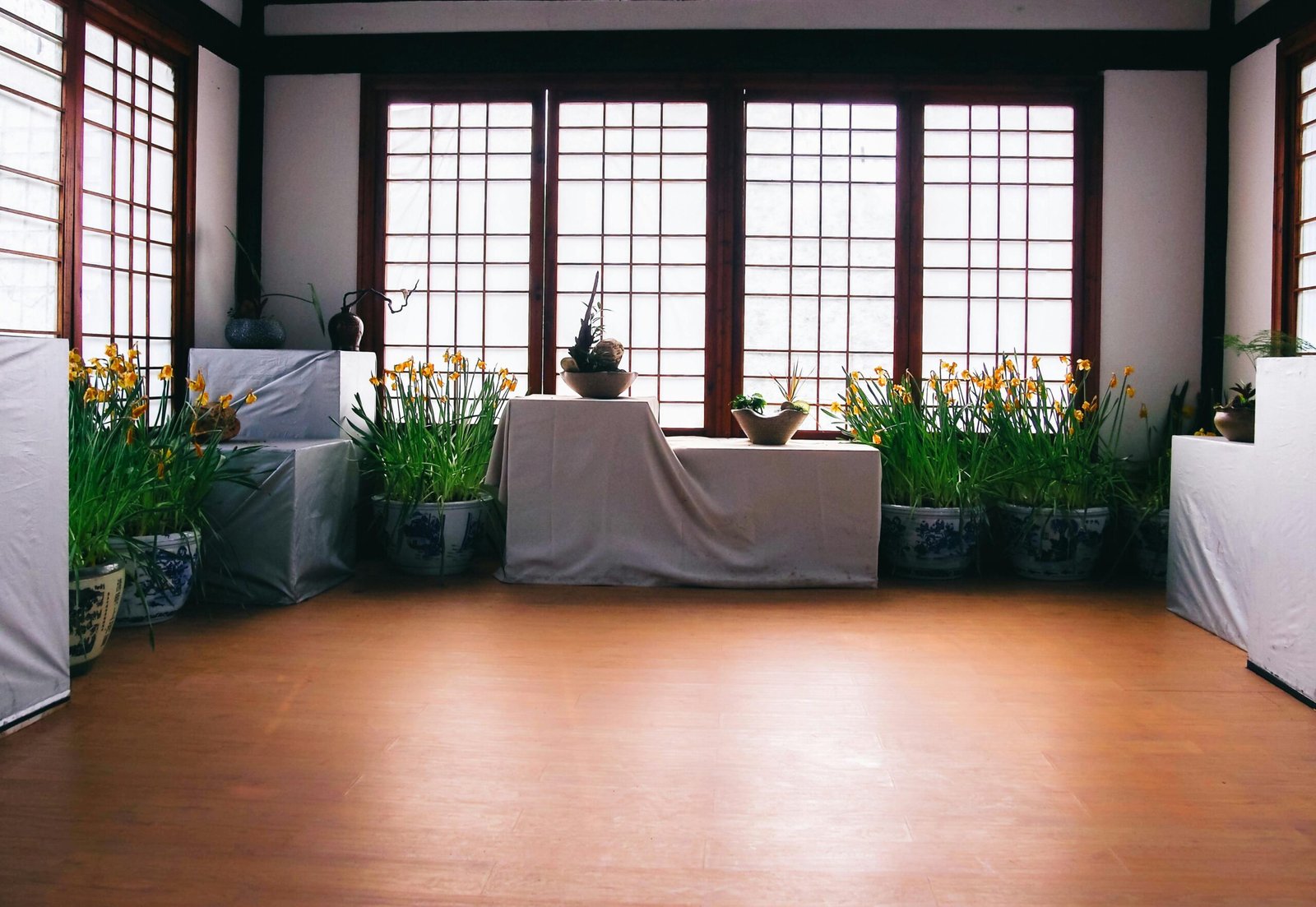
Indoor plants are supposed to make your home feel calmer, greener, and more alive—but when things start going wrong, they can quickly become a source of stress. Leaves turn yellow, stems get weak, soil stays wet forever, and suddenly you’re googling symptoms at midnight.
Here’s the truth: most houseplant problems don’t come from “bad luck.” They come from a small set of common mistakes that nearly everyone makes when starting out. The good news is that these mistakes are easy to fix once you understand what’s happening.
In this article, you’ll learn the 10 most common indoor plant care mistakes, why they cause trouble, how to spot them early, and what to do instead. The goal is simple: help your plants thrive consistently—without complicated routines or expensive tools.
Mistake #1: Watering on a Schedule Instead of Watering Based on Need
One of the biggest beginner traps is believing that plants should be watered every “X days.” A schedule feels comforting, but it ignores the reality that your home conditions change constantly.
Your plant’s water needs depend on:
- Light level (more light = more growth = more water use)
- Temperature (warmer = faster evaporation)
- Humidity (dry air = soil dries faster)
- Pot size (small pots dry quickly)
- Soil type (dense soil holds moisture longer)
- Season (many plants drink less in winter)
What This Mistake Looks Like
- You water weekly “because it’s Sunday,” even when the soil is still damp.
- Your plant starts yellowing, drooping, or developing mushy stems.
- Fungus gnats show up around the pot because soil stays consistently moist.
What to Do Instead
Use a simple check-first approach:
- Stick a finger 1–2 inches into the soil.
- If it’s still moist, wait.
- If it’s dry at the depth appropriate for that plant, water thoroughly.
For drought-tolerant plants (snake plant, ZZ plant, succulents), let soil dry more deeply before watering. For thirstier tropical plants, water when the top layer dries out but before the pot becomes bone-dry.
Mistake #2: Overwatering (Even When You Think You’re Not)
Overwatering isn’t about “too much water in one moment.” It’s about watering too often so the soil never has time to breathe.
Plants need oxygen in the root zone. If the soil stays wet all the time, roots can’t get enough air, and they begin to weaken. Once roots weaken, the plant can’t absorb water properly, and the entire plant starts declining.
Common Signs of Overwatering
- Yellowing leaves (especially lower leaves first)
- Soft or mushy stems near the base
- Leaves that droop even when the soil is wet
- A musty smell from the soil
- Mold on the soil surface
- Fungus gnats
What to Do Instead
- Make sure the pot has drainage holes.
- Water only after checking soil moisture.
- Use a potting mix that drains well.
- Empty saucers after watering so roots don’t sit in water.
If you suspect root rot, reduce watering immediately and consider repotting into fresh, airy soil if the plant continues to decline.
Mistake #3: Using Pots Without Drainage
A pot without drainage can look stylish, but it can quietly sabotage your plant care—even if you water “carefully.” Without drainage holes, excess water has nowhere to go. It pools at the bottom, leaving roots sitting in stagnant moisture.
What This Mistake Looks Like
- The top of the soil dries, but the bottom stays soaked.
- You get random yellowing and leaf drop even though you “didn’t water much.”
- The plant becomes unstable and weak.
What to Do Instead
The easiest solution: keep the plant in a plastic nursery pot and place it inside a decorative pot (a cachepot).
- Water the plant in the sink.
- Let it drain thoroughly.
- Return it to the decorative pot.
This method gives you style and plant health at the same time.
Mistake #4: Putting Plants in the Wrong Light (and Not Realizing It)
Light is the fuel that powers photosynthesis. Without enough light, a plant can’t produce energy to grow, repair itself, or use water effectively. Many people underestimate how much light drops indoors compared to outdoors.
A plant can look fine for weeks or even months in poor light, then slowly decline as its energy reserves run out.
Signs Your Plant Needs More Light
- Long, leggy growth with big gaps between leaves
- New leaves are smaller than older leaves
- The plant leans toward the window
- Slow or no growth during warm months
- Soil stays wet longer than usual because the plant isn’t using water
What to Do Instead
- Place plants closer to windows (without burning them).
- Learn your window directions:
- South-facing often gives strongest light (in the Northern Hemisphere).
- East gives gentle morning sun.
- West gives intense afternoon sun.
- North is typically lowest light.
- Rotate plants weekly for even growth.
If you love plants but have low light, choose plants that tolerate it (snake plant, ZZ plant, pothos) instead of forcing high-light plants to survive.
Mistake #5: Not Understanding “Indirect Light”
Many plant tags say “bright indirect light,” but beginners often don’t know what that looks like in real life.
Indirect light means the plant gets plenty of brightness, but not harsh sun rays hitting its leaves for hours.
Common Confusion
- Putting a plant deep in a room because it’s not “direct sun” (too dark).
- Putting a plant right against a hot window with intense sun (too strong).
- Using curtains that block too much light.
What to Do Instead
Try this simple approach:
- Place the plant about 2–6 feet from a bright window.
- If the sun is strong (especially afternoon sun), filter it with a sheer curtain.
- Watch the leaves:
- Bleaching or crisp spots can mean too much sun.
- Stretching and small leaves can mean too little light.
Mistake #6: Using the Wrong Soil (or Old, Compacted Soil)
Soil is not just “dirt.” It’s the plant’s foundation for water, nutrients, and root oxygen. Many indoor plants struggle because the soil is too dense, holds too much water, or has broken down over time.
Over time, potting mix can compact, losing airflow. Even if you water correctly, roots may struggle in packed soil.
Signs Soil Is a Problem
- Water sits on top before soaking in
- Soil dries unevenly (wet pockets + dry pockets)
- The pot takes forever to dry
- The plant looks thirsty even after watering
- Roots appear weak or brown
What to Do Instead
Use a quality indoor potting mix and increase aeration when needed:
- Add perlite for drainage and airflow
- Add orchid bark for chunkiness
- Avoid using garden soil indoors (too heavy and can carry pests)
Refreshing soil during repotting can dramatically improve plant health.
Mistake #7: Repotting Too Often—or Choosing a Pot That’s Too Big
Many people repot the moment they get a plant, or they choose a much larger pot thinking it will “help it grow.” But a pot that’s too big can hold excess wet soil, increasing the risk of root rot.
Plants don’t grow faster just because the pot is bigger. They grow when conditions are right.
Signs You Repotted Too Big
- Soil stays wet for a long time
- Plant growth slows down
- Leaves yellow and drop
- Roots struggle to establish
What to Do Instead
When repotting:
- Go only 1–2 inches wider than the current pot.
- Repot only when needed:
- Roots circling the pot heavily
- Roots growing out of drainage holes
- Water runs through too quickly
- Plant dries out unusually fast
If your plant is healthy, it may not need repotting at all.
Mistake #8: Ignoring Humidity and Airflow
Some plants are forgiving, but others react quickly to dry indoor air. Heated homes in winter can be extremely dry, leading to crispy leaf edges, brown tips, and increased pest risk.
Airflow matters too. Stagnant air combined with wet soil can encourage mold and fungus gnats.
Signs of Low Humidity or Poor Airflow
- Brown leaf tips, especially on tropical plants
- Leaves curling inward
- Soil surface mold
- Pest outbreaks (like spider mites)
What to Do Instead
- Group plants together to create a mini-humidity zone.
- Use a humidifier if your air is very dry.
- Keep plants away from heater blasts and AC vents.
- Improve airflow in rooms, especially if soil stays wet often.
Small environmental tweaks can prevent a lot of issues.
Mistake #9: Over-Fertilizing or Fertilizing at the Wrong Time
Fertilizer is useful, but it’s not a quick fix for an unhappy plant. Feeding a stressed plant can do more harm than good, especially if light and watering are off.
Over-fertilizing can cause root burn, leaf tip browning, and salt buildup in the soil.
Signs of Fertilizer Problems
- White crust on soil surface
- Brown leaf tips that appear quickly after feeding
- Leaves looking “burned” or damaged
- Growth stalling despite fertilizing
What to Do Instead
Keep it simple:
- Fertilize mostly in spring and summer when plants are actively growing.
- Use a balanced fertilizer at half strength once a month.
- Skip fertilizer if the plant is struggling due to low light, overwatering, or pests.
If you suspect buildup, flush the soil with plenty of water and let it drain well.
Mistake #10: Not Checking for Pests Early
Most pest problems become “big problems” because they go unnoticed at first. Indoors, pests can spread from plant to plant easily, especially if plants are crowded together.
Common Indoor Plant Pests
- Spider mites (tiny, cause speckled leaves)
- Mealybugs (white cottony clumps)
- Aphids (cluster on new growth)
- Fungus gnats (tiny flies around soil)
Early Warning Signs
- Sticky leaves or shiny residue
- Tiny dots or speckles on leaves
- Webbing under leaves or between stems
- Leaves curling or distorting
- Small insects moving on stems
What to Do Instead
Make pest checks part of your routine:
- Look under leaves weekly.
- Isolate any plant showing signs.
- Wipe leaves with a damp cloth.
- Use insecticidal soap or neem oil following label directions.
Also, remember: fungus gnats often signal consistently wet soil, so improving watering habits helps prevent them.
A Beginner-Proof “Fix-It” Checklist
If your plant looks unhappy and you’re not sure why, run through this checklist:
- Does the pot have drainage holes?
- Is the soil wet, damp, or dry at least 1–2 inches down?
- Is the plant getting enough light where it sits?
- Does the potting mix drain well or stay soggy?
- Is the plant near a heater, AC vent, or draft?
- Are there signs of pests under leaves?
- Have you fertilized recently?
- Has the plant been repotted into a much larger pot?
Most problems become obvious when you check these basics.
How to Avoid These Mistakes Long-Term
The best plant parents don’t know everything. They simply build habits that prevent common issues:
- Check soil before watering.
- Choose plants that match your light.
- Prioritize drainage and airy soil.
- Watch for pests weekly.
- Make small adjustments and give plants time to respond.
Houseplants reward consistency. Even if you make mistakes (everyone does), you’ll improve fast when you focus on observing instead of guessing.
Build Confidence One Plant at a Time
Indoor plant care is less about talent and more about learning patterns. Once you understand what overwatering looks like, how light affects growth, and how soil and drainage influence root health, you start making better decisions naturally.
If you’re new to this, start with forgiving plants, keep your routine simple, and don’t try to “fix” everything at once. Make one adjustment, observe for a week or two, then adjust again.
In a short time, you’ll stop feeling like you’re guessing—and start feeling like you actually know what you’re doing. And when that happens, your plants won’t just survive. They’ll thrive.

Isabella Garcia is the creator of a blog dedicated to crafts and home care, focused on making everyday life more creative, organized, and enjoyable. The blog shares practical tips, easy DIY projects, home organization ideas, and simple solutions to take better care of your living space. Whether you’re a beginner in crafting or someone looking for inspiration to improve your home routine, Isabella’s blog offers clear, useful, and hands-on content to help you create a cozy, beautiful, and well-cared-for home.