
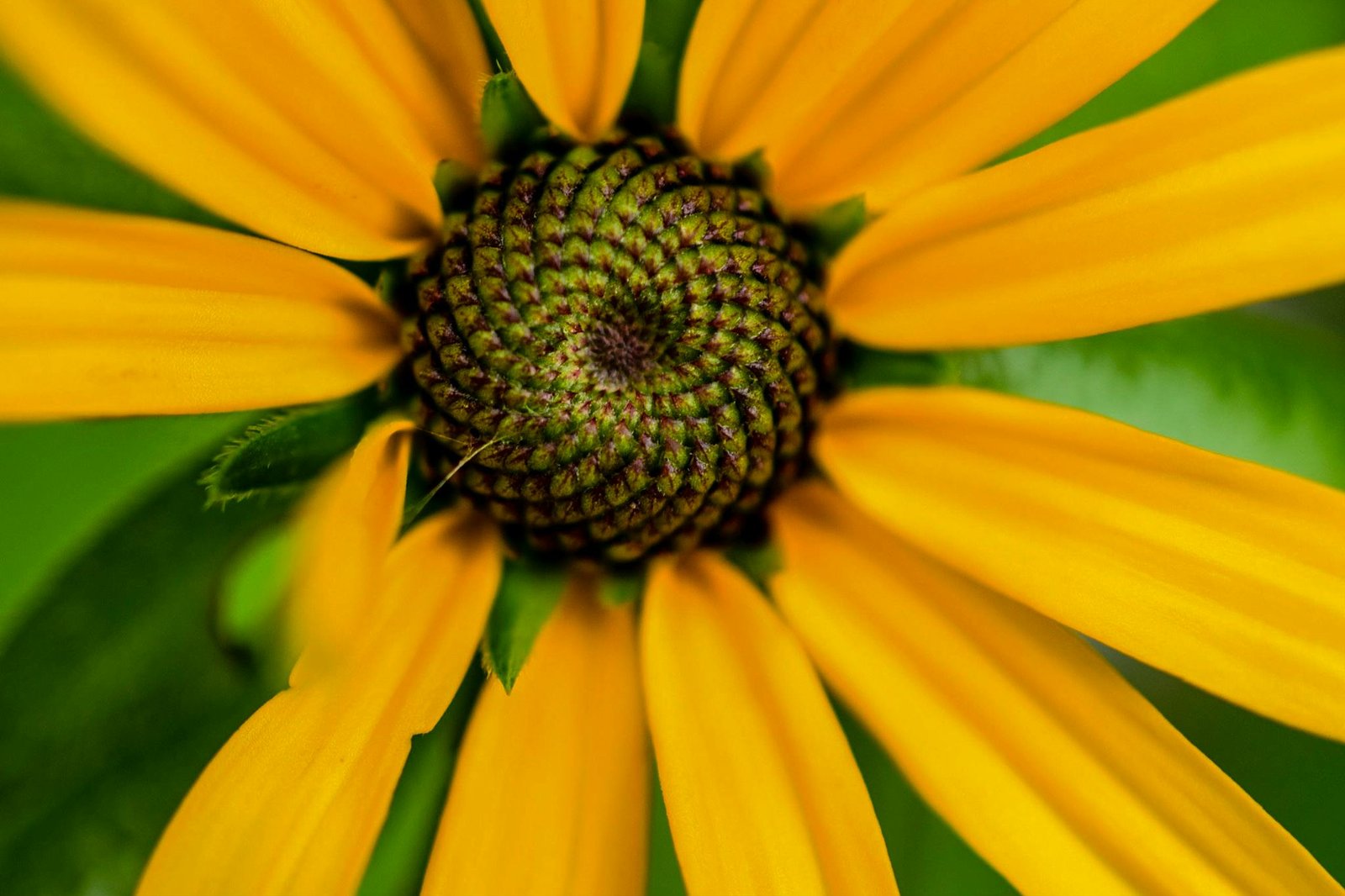
Indoor plants can bring beauty, calmness, and a breath of fresh air to your home. However, taking care of them is not always as easy as it seems. If you’re a beginner or even an experienced plant parent, it’s easy to make mistakes when it comes to plant care. Sometimes, these mistakes can result in your plants not thriving or, worse, dying. Fortunately, knowing what common mistakes to avoid can help you keep your plants healthy and happy.
In this article, we’ll cover the seven most common mistakes people make when caring for indoor plants and provide practical tips on how to avoid them. Let’s dive in!
1. Overwatering Your Plants
One of the most common and damaging mistakes indoor plant owners make is overwatering their plants. Many beginners think that plants need to be watered every day, but in reality, most indoor plants prefer to dry out between waterings. Overwatering can lead to root rot, yellowing leaves, and a plant that is constantly stressed out.
Why Does Overwatering Happen?
Overwatering happens when the plant roots sit in water for too long, depriving them of oxygen. The soil becomes waterlogged, and the roots start to decay. This is particularly common with plants in pots that don’t have drainage holes, as the excess water cannot escape.
How to Avoid Overwatering
- Check the Soil: The easiest way to tell if your plant needs water is by checking the soil. Stick your finger into the soil about an inch deep. If it feels dry, it’s time to water. If it’s still moist, wait a few more days before checking again.
- Watering Schedule: Research the specific water needs of your plants. Some plants, like succulents and cacti, require minimal water, while others, like ferns, prefer more frequent watering.
- Use Proper Drainage: Ensure that the pots you use have drainage holes so that excess water can escape. This will prevent water from collecting at the bottom of the pot and causing root rot.
2. Not Providing Enough Light
Light is crucial for the health and growth of indoor plants. While some plants thrive in low light, others need bright, direct sunlight to flourish. Not providing the right amount of light is another common mistake that can stunt your plant’s growth and cause its leaves to turn yellow or drop off.
Why Does This Happen?
Every plant has its own light requirements. Some plants, like the snake plant and pothos, can tolerate low light conditions, while others, like the fiddle leaf fig or succulents, need lots of sunlight to survive. If you place a plant in an area that doesn’t get enough light, it will struggle to photosynthesize and may eventually die.
How to Avoid Insufficient Light
- Know Your Plant’s Light Needs: Before buying a plant, research its light requirements. Some plants do well in indirect light, while others need direct sun for at least six hours a day.
- Placement Is Key: Consider where you place your plants in your home. South-facing windows generally receive the most light, while north-facing windows get the least. If you don’t have a lot of natural light, consider placing your plants near a bright window or investing in grow lights.
- Rotate Your Plants: If your plants are only getting light from one side, they may start leaning toward the light source. Rotate your plants every few weeks to ensure they grow evenly.
3. Using the Wrong Soil
Soil is essential for the health of your indoor plants. Different types of plants require different kinds of soil, and using the wrong soil can lead to poor growth, root rot, or nutrient deficiencies. For example, succulents and cacti need well-draining soil, while ferns prefer soil that retains moisture.
Why Does This Happen?
When you buy plants, they often come in a generic potting mix that may not be ideal for their specific needs. Without the right soil, plants can struggle to absorb water and nutrients properly, leading to poor growth and health issues.
How to Avoid Using the Wrong Soil
- Use the Right Mix: Research the type of soil your plant needs. For example, succulents and cacti require sandy, well-draining soil, while tropical plants like ferns and peace lilies do well in rich, moisture-retentive soil.
- Repot When Necessary: Over time, the soil in your plant’s pot may become compacted and lose its ability to drain properly. It’s a good idea to repot your plants every year or so with fresh soil to give them a healthy growing environment.
4. Not Pruning Dead or Damaged Leaves
Another mistake that many people make when caring for indoor plants is neglecting to prune dead or damaged leaves. Letting these leaves stay on the plant can make it look unkempt and prevent new growth from appearing.
Why Does This Happen?
Pruning is a simple but often overlooked task. People may be hesitant to remove leaves because they think it will harm the plant, but in reality, removing dead or damaged leaves helps the plant focus its energy on healthy growth.
How to Avoid This Mistake
- Prune Regularly: Trim away any yellowing, brown, or damaged leaves. If the plant has any stems that are dead or diseased, cut them back to allow the plant to channel its energy into new growth.
- Use Clean Tools: When pruning, make sure to use clean, sharp scissors or pruning shears. This will prevent the spread of diseases and ensure a clean cut.
5. Using Too Much Fertilizer
Fertilizing your plants is important to provide them with the nutrients they need to grow. However, using too much fertilizer can lead to salt buildup in the soil, which can damage the roots and cause yellowing or browning of the leaves.
Why Does This Happen?
Many people overestimate how often and how much fertilizer their plants need. While it’s important to provide your plants with nutrients, too much can be harmful.
How to Avoid Over-Fertilizing
- Follow the Instructions: Always read the instructions on the fertilizer packaging. Most indoor plants only need to be fertilized every 4-6 weeks during their growing season (spring and summer).
- Use Balanced Fertilizer: Choose a balanced fertilizer with equal parts nitrogen, phosphorus, and potassium (NPK ratio). Avoid using high concentrations of one nutrient unless your plant specifically requires it.
- Flush the Soil: If you’ve over-fertilized your plants, flush the soil with water to help remove any excess fertilizer. This can prevent salt buildup and reduce the risk of root damage.
6. Not Checking for Pests Regularly
Pests are a common problem for indoor plants. Even though your home may be a pest-free zone, your plants can still attract common insects like aphids, spider mites, mealybugs, and scale. These pests can damage your plants by sucking out sap and spreading diseases.
Why Does This Happen?
People often don’t think to check for pests unless they notice visible signs, like holes in the leaves or a sticky residue on the plant. By the time you notice these signs, the pests may have already caused significant damage.
How to Avoid This Mistake
- Inspect Regularly: Make a habit of checking your plants for pests at least once a month. Look for small bugs, webbing, or discolored leaves, which are signs of pest infestations.
- Isolate New Plants: Before introducing a new plant to your collection, quarantine it for a few days to ensure it’s not carrying pests.
- Natural Remedies: If you notice pests, treat your plants with natural remedies like neem oil, insecticidal soap, or a mixture of water and dish soap. For larger infestations, you may need to use stronger chemicals or remove the affected plant from your home.
7. Ignoring Temperature and Humidity Needs
Indoor plants have specific temperature and humidity requirements that are often overlooked. If the temperature or humidity in your home is too high or too low, your plants may not thrive and could show signs of stress.
Why Does This Happen?
Changes in temperature and humidity can happen without us realizing, especially when using air conditioning or heating. Plants like tropical species need higher humidity levels, while succulents and cacti do better in dry environments.
How to Avoid This Mistake
- Monitor Temperature: Keep your plants away from direct heat sources, such as radiators, air conditioners, or heaters. Most indoor plants prefer temperatures between 60-75°F (15-24°C).
- Maintain Humidity: If you live in a dry climate or your home’s air is dry, consider using a humidifier to raise the humidity levels. You can also group plants together or place them on a tray of pebbles with water to increase humidity.
Conclusion: Becoming a Successful Plant Parent
Caring for indoor plants can be a rewarding experience, but it requires attention and effort. By avoiding these common mistakes—overwatering, insufficient light, wrong soil, neglecting pruning, over-fertilizing, ignoring pests, and not considering temperature and humidity—you’ll be on your way to becoming a successful plant parent.
Remember that each plant is unique, so take the time to understand its needs and provide the care it deserves. With a little patience and knowledge, your indoor garden will thrive, bringing beauty and freshness to your living space.

Isabella Garcia is the creator of a blog dedicated to crafts and home care, focused on making everyday life more creative, organized, and enjoyable. The blog shares practical tips, easy DIY projects, home organization ideas, and simple solutions to take better care of your living space. Whether you’re a beginner in crafting or someone looking for inspiration to improve your home routine, Isabella’s blog offers clear, useful, and hands-on content to help you create a cozy, beautiful, and well-cared-for home.