
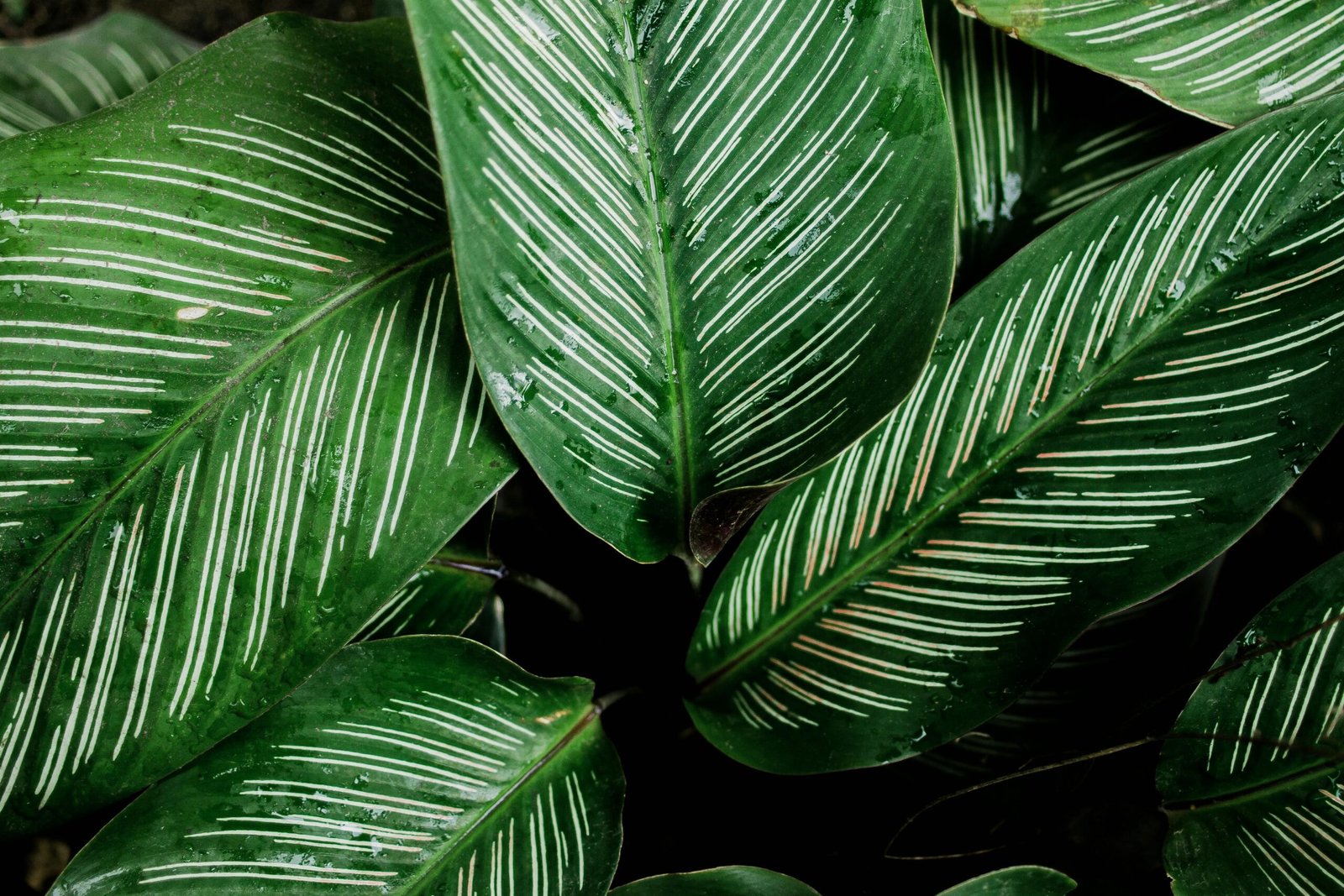
Pruning is one of the most important tasks in plant care, especially for indoor plants. Regular pruning helps maintain the plant’s shape, encourages new growth, and removes dead or diseased parts that can harm the plant. While pruning may seem intimidating, it’s an essential skill that can make a significant difference in the overall health and appearance of your plants.
In this article, we’ll walk you through the process of pruning indoor plants, how to do it properly, and which plants benefit most from regular pruning. Whether you’re a beginner or a seasoned plant parent, understanding how to prune your plants effectively will help them thrive.
1. Why Prune Indoor Plants?
Pruning isn’t just about keeping your plants looking tidy. There are several benefits to regular pruning, including:
A. Promoting Healthy Growth
When you prune your indoor plants, you remove dead or damaged branches, allowing the plant to redirect its energy into producing new, healthy growth. This encourages the plant to become fuller and more vibrant, rather than putting energy into unnecessary or unhealthy parts.
B. Preventing Disease and Pests
Pruning can help prevent disease and pest infestations by removing areas where fungi, bacteria, or pests can take hold. By eliminating dead or dying foliage, you reduce the chances of these issues spreading throughout your plant.
C. Improving Shape and Size
Pruning allows you to control the shape and size of your plant. Regularly cutting back overgrown branches or stems helps maintain a balanced and aesthetically pleasing plant shape. If your plant is getting too large for its space, pruning can help keep it manageable.
D. Enhancing Flowering or Fruiting
Many flowering or fruit-bearing plants benefit from pruning, as it encourages the growth of new buds and improves the quality and quantity of flowers or fruit. Some plants, like roses or orchids, require regular pruning to promote blooming.
2. When to Prune Your Indoor Plants
Knowing when to prune your plants is just as important as knowing how to prune them. Pruning at the right time can lead to more vigorous growth, while pruning at the wrong time can stress the plant and hinder its development.
A. Pruning During the Growing Season
Most indoor plants are actively growing during the spring and summer months. This is the ideal time to prune, as the plant is using its energy to grow new leaves and stems. Pruning during the growing season helps encourage new growth and gives the plant time to recover.
B. Avoid Pruning in Winter
Winter is generally not the best time to prune indoor plants because they are in a dormant phase. During this time, plants have slowed down their growth and need to conserve energy. Pruning during winter can stress the plant and may lead to a slower recovery.
C. Deadheading Flowers
If your plant produces flowers, it’s essential to deadhead (remove spent flowers) regularly. Deadheading helps prevent the plant from wasting energy on old blooms, which encourages the production of new flowers.
3. Tools You’ll Need for Pruning
Having the right tools makes pruning easier and more effective. Here are the essential tools for indoor plant pruning:
A. Pruning Shears
A good pair of sharp, clean pruning shears is essential for cutting through stems and branches. Make sure the blades are sharp to ensure clean cuts and avoid damaging the plant.
B. Scissors or Snips
For smaller or more delicate plants, you can use a pair of small scissors or garden snips. These tools are great for precision work, such as trimming individual leaves or smaller branches.
C. Gloves
While pruning, especially with thorny plants like roses or cacti, gloves can help protect your hands from injury. Gloves also prevent the transfer of oils and diseases from your hands to the plant.
D. Disinfectant
To prevent the spread of disease, always disinfect your tools before and after use. You can use rubbing alcohol or a diluted bleach solution to clean the blades.
4. How to Prune Different Types of Indoor Plants
Different types of plants require different pruning techniques. Here’s a guide on how to prune some of the most common indoor plants:
A. Pruning Foliage Plants
Foliage plants, such as pothos, snake plants, and ZZ plants, are relatively easy to prune. Here’s how to do it:
- Cut Back Leggy Growth: If your foliage plant is becoming leggy or sparse, prune back the long stems to encourage bushier growth.
- Remove Yellow or Damaged Leaves: If any leaves are yellow, brown, or damaged, trim them off to improve the plant’s appearance and prevent disease.
- Pinch New Growth: For plants that are actively growing, pinch back the tips of new growth to encourage branching and a fuller appearance.
B. Pruning Flowering Plants
Flowering plants, such as peace lilies, African violets, and begonias, often require more precise pruning to encourage blooming. Here’s how to prune them:
- Deadhead Flowers: Remove spent flowers regularly to promote new blooms. This will also prevent the plant from using energy on flowers that are no longer productive.
- Prune After Flowering: For plants like orchids, prune after they finish flowering. Cut the flower spike back to the base to encourage the growth of new spikes.
- Trim Spent Stems: For plants that have finished flowering, prune back the spent stems to encourage more blooms.
C. Pruning Succulents and Cacti
Succulents and cacti don’t need frequent pruning, but occasional trimming can help maintain their shape and health. Here’s how to prune them:
- Remove Dead or Damaged Parts: Cut away any dead or damaged leaves or stems. Use a sharp knife or pruning shears to avoid tearing the plant.
- Thin Out Overgrown Stems: If the plant is getting too large or spindly, trim back the overgrown stems to encourage new growth.
- Be Careful with Spines: When pruning cacti, wear gloves and handle them carefully to avoid injury from the sharp spines.
D. Pruning Vines and Climbers
Vining plants, such as ivy or pothos, benefit from regular pruning to keep them from becoming too unruly. Here’s how to prune vines:
- Trim Long Vines: If the vines are becoming too long or tangled, cut them back to the desired length. This helps the plant maintain a neat and controlled appearance.
- Encourage Branching: To encourage fuller growth, prune back the tips of the vines. This will help the plant produce more side shoots and become bushier.
5. Pruning Techniques for Healthy Growth
Now that you know when and how to prune your plants, here are some techniques to ensure you’re pruning correctly for the best results:
A. Cut Above a Node
When pruning, always make your cuts just above a node (the point where leaves or stems emerge). This encourages the plant to produce new growth from that point, leading to fuller and more robust plants.
B. Avoid Cutting Too Much
When pruning, it’s essential to avoid cutting too much at once. You should never remove more than one-third of the plant at a time. Pruning too much can stress the plant and inhibit its growth.
C. Make Clean Cuts
Always make clean cuts with sharp tools. Ragged or torn cuts can cause stress to the plant and make it more susceptible to disease. Clean cuts also heal more quickly, allowing the plant to bounce back faster.
D. Prune to Maintain Shape
For plants that need to maintain a specific shape, prune regularly to control growth. This can involve removing longer stems or cutting back excessive growth. Pruning to shape will help your plant look more structured and less overgrown.
6. Common Pruning Mistakes to Avoid
Even experienced gardeners can make mistakes when pruning. Here are some common pruning mistakes to avoid:
A. Over-Pruning
Removing too much growth can put excessive stress on the plant and hinder its ability to recover. Always follow the one-third rule—don’t remove more than one-third of the plant at a time.
B. Pruning at the Wrong Time
Pruning your plants during their dormant phase (usually in winter) can stunt their growth and leave them vulnerable to diseases. Always prune during the active growing season for the best results.
C. Using Dull Tools
Dull tools can crush and damage the plant, leading to poor healing. Always use sharp tools to ensure clean cuts and prevent injury to your plant.
Conclusion: Pruning for a Healthier Plant
Pruning is an essential part of indoor plant care that helps keep your plants healthy, beautiful, and productive. By understanding the best times to prune, having the right tools, and using proper techniques, you can ensure that your plants grow strong and thrive for years to come.
With regular pruning, you’ll not only improve the shape and appearance of your plants but also boost their overall health. Remember, pruning isn’t just about cutting—it’s about guiding your plants toward better growth and longevity.

Isabella Garcia is the creator of a blog dedicated to crafts and home care, focused on making everyday life more creative, organized, and enjoyable. The blog shares practical tips, easy DIY projects, home organization ideas, and simple solutions to take better care of your living space. Whether you’re a beginner in crafting or someone looking for inspiration to improve your home routine, Isabella’s blog offers clear, useful, and hands-on content to help you create a cozy, beautiful, and well-cared-for home.