
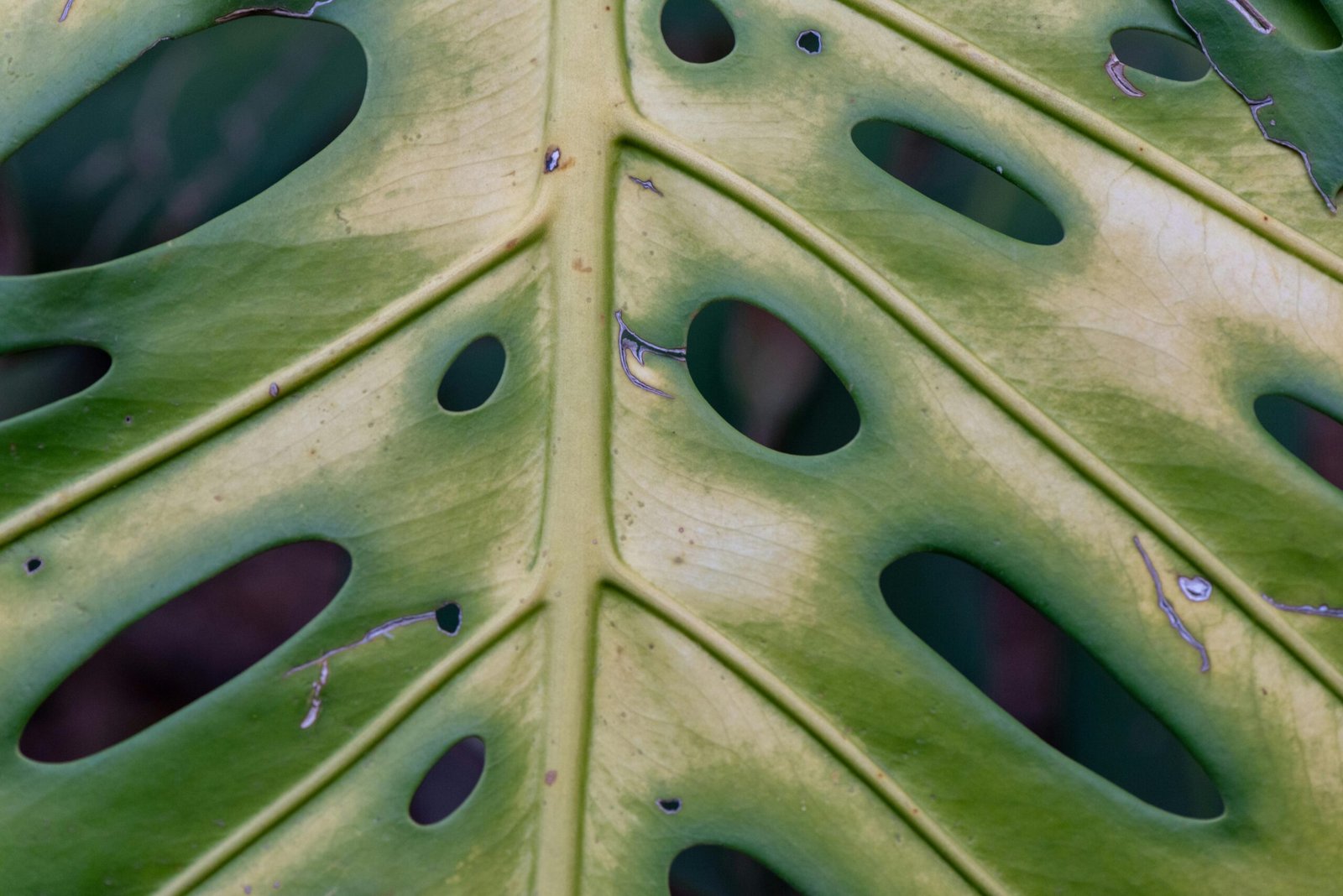
Indoor gardening is a rewarding way to bring nature into your home, regardless of the size of your space or the weather outside. With the right knowledge, tools, and dedication, you can create a thriving indoor garden that provides fresh greenery, beautiful flowers, and even edible plants. Whether you’re new to gardening or an experienced plant parent, creating a successful indoor garden involves more than just placing a few plants around your home.
In this article, we’ll provide a step-by-step guide to creating a thriving indoor garden, covering everything from choosing the right plants to arranging them, selecting proper containers, and caring for your green space. Whether you’re aiming for an indoor herb garden, a lush jungle of tropical plants, or a collection of beautiful flowers, these tips and ideas will help you create an environment where your plants can flourish.
1. Choose the Right Plants for Your Space
The first and most important step in creating a successful indoor garden is choosing the right plants for your space. Not all plants are suited to indoor environments, and factors such as light levels, humidity, and temperature will influence the types of plants that will thrive in your home.
A. Consider Your Lighting
Light is one of the most important factors in plant health. Different plants have different light requirements, and it’s crucial to choose plants that will thrive in the lighting conditions available in your space. Start by assessing the natural light in your home:
- Bright, Direct Light: If you have windows that receive a lot of direct sunlight, you can opt for sun-loving plants like succulents, cacti, or certain types of flowering plants (e.g., hibiscus or geraniums).
- Bright, Indirect Light: If your space receives bright, but not direct sunlight, plants like snake plants, peace lilies, or spider plants will do well.
- Low Light: If your home is on the darker side or if you don’t have windows with a lot of light, low-light plants such as ZZ plants, pothos, or ferns can thrive in these conditions.
B. Know Your Plant’s Watering Needs
Indoor plants have varied water needs. Some prefer to stay relatively dry, while others need consistently moist soil. Be sure to match your plants to your lifestyle and your ability to care for them. Consider these options based on how much attention you can give your plants:
- Low Watering Needs: If you are often away or tend to forget about your plants, consider drought-tolerant plants like succulents, ZZ plants, or rubber plants, which need watering less frequently.
- Moderate Watering Needs: Plants such as peace lilies, pothos, and English ivy prefer to dry out slightly between waterings and thrive with regular, moderate moisture.
- High Watering Needs: Tropical plants like ferns and calatheas require consistently moist soil and higher humidity to thrive, so keep in mind that they may need more frequent care.
C. Factor in Temperature and Humidity
Temperature and humidity levels also play a big role in the success of your indoor garden. Indoor plants typically prefer temperatures between 60°F and 75°F (15°C to 24°C). If you live in a climate with extreme temperature variations, you may need to use a thermometer or humidity monitor to maintain ideal conditions.
- Tropical Plants: Plants from tropical regions often prefer higher humidity levels. You can create a more humid environment for these plants by grouping them together, using a humidifier, or placing them on a pebble tray filled with water.
- Dry Conditions: If you live in a dry climate, consider plants that thrive in lower humidity, such as succulents and cacti.
D. Consider Space and Size
The size of your indoor garden will depend on the space you have available. Large plants can make a dramatic impact in a living room or entryway, while smaller plants are perfect for windowsills, shelves, or tabletops.
- Large Plants: If you have a spacious room, you can experiment with larger plants like fiddle leaf figs, rubber plants, or indoor trees (e.g., palm trees or yucca).
- Small Plants: If you have limited space, smaller plants like herbs, succulents, or compact foliage plants (e.g., pothos or spider plants) are perfect for creating a vibrant, but manageable indoor garden.
2. Choose the Right Containers and Pots
The containers you use for your indoor garden are just as important as the plants themselves. The right pot will help with proper drainage, prevent overwatering, and give your plants room to grow. Here’s what to consider when choosing pots and containers:
A. Size Matters
When choosing pots for your plants, the general rule of thumb is to pick a pot that is about 1-2 inches larger in diameter than the current pot. If the pot is too small, the plant won’t have enough room for its roots to grow, and if the pot is too large, the plant may struggle to absorb water efficiently.
B. Drainage is Key
All pots should have drainage holes to allow excess water to escape. Without proper drainage, your plants are at risk of waterlogged soil, which can lead to root rot. If your pots don’t have drainage holes, you can add a layer of small pebbles or stones at the bottom to help with drainage or use a decorative outer pot with a liner to catch excess water.
C. Material Matters
Pots come in a variety of materials, each with its own advantages:
- Plastic Pots: Lightweight and affordable, plastic pots are great for plants that need frequent watering. However, they may not provide the best airflow for the roots.
- Terracotta Pots: These pots are porous, which allows for better air circulation, but they tend to dry out quickly, which is ideal for plants that prefer drier soil.
- Ceramic Pots: Ceramic pots are heavier and retain moisture better than plastic pots. They are a good option for plants that prefer consistently moist soil.
D. Pot Saucers
Make sure you use a saucer or tray under your pot to catch excess water and prevent spills on your floors or furniture. Saucer materials vary from plastic to ceramic, depending on the look you want.
3. Plan the Layout and Design of Your Indoor Garden
Once you’ve chosen the plants and containers, it’s time to plan the layout and design of your indoor garden. This is where you can get creative and bring your vision to life. Here are some ideas:
A. Vertical Gardens
If you’re working with limited floor space, consider creating a vertical garden. You can use wall-mounted planters, hanging pots, or plant shelves to add greenery without taking up too much space. Vertical gardens work especially well in small apartments or rooms with high ceilings.
B. Grouping Plants
Grouping plants with similar care requirements together can make maintenance easier. For example, place all your low-light plants together in one corner, and put all your moisture-loving plants in another spot with a higher humidity level. Grouping plants also helps create a lush, jungle-like effect that can enhance the aesthetic of any room.
C. Create a Focal Point
Choose a large plant as a focal point in your indoor garden, such as a fiddle leaf fig or a large monstera. This can be placed in a prominent area, such as near a window, in a living room corner, or at the entrance to a room, creating a dramatic effect that draws the eye.
D. Mix Textures and Shapes
To add visual interest to your garden, mix plants with different textures and shapes. Combine spiky succulents, trailing vines, and broad-leafed plants like monstera or bird of paradise. This variety will add dimension and depth to your garden, making it more appealing and dynamic.
4. Watering and Fertilizing Your Indoor Garden
Watering and fertilizing are key components of plant care, and both need to be tailored to the needs of each plant species. Here are some essential tips for maintaining a healthy watering and fertilizing routine:
A. Watering Your Plants
- Know When to Water: The best way to determine when your plants need water is by checking the soil moisture. For most plants, the top 1-2 inches of soil should be dry before watering. Overwatering can lead to root rot, so always check the soil before adding water.
- Water Thoroughly: When you water, make sure to water deeply so that the water reaches the plant’s roots. Water until you see excess water draining from the bottom of the pot.
- Watering Frequency: Different plants have different water requirements. Plants in bright light may need more frequent watering, while those in lower light may need less.
B. Fertilizing Your Plants
- Use the Right Fertilizer: Indoor plants benefit from regular fertilizing, but it’s important to use the right type of fertilizer for your plants. Liquid houseplant fertilizers are a great choice for most plants, while some specific plants, like orchids or succulents, may need specialized fertilizers.
- Fertilize During the Growing Season: Fertilize your plants during their active growing season (spring and summer) when they need the most nutrients. Reduce or stop fertilizing during the dormant winter months.
- Frequency of Fertilizing: Generally, indoor plants should be fertilized every 4-6 weeks during the growing season. Follow the instructions on the fertilizer packaging to avoid over-fertilizing, which can harm your plants.
5. Maintaining a Healthy Indoor Garden
Creating and maintaining a thriving indoor garden requires ongoing attention, but the rewards are well worth the effort. Regular maintenance ensures that your plants stay healthy and vibrant for years. Here are some tips for keeping your indoor garden in top shape:
A. Regularly Check for Pests and Diseases
Inspect your plants regularly for signs of pests like aphids, spider mites, or mealybugs. If you notice any pests, treat your plants with natural remedies like neem oil or insecticidal soap. Also, check for signs of disease, such as yellowing leaves, mold, or mildew, and take action promptly to prevent the problem from spreading.
B. Clean Your Plants
Dust can accumulate on the leaves of your plants, blocking sunlight and hindering photosynthesis. Use a damp cloth to wipe down the leaves regularly. For larger plants, a gentle shower can help remove dust and grime.
C. Pruning and Deadheading
To keep your indoor garden looking tidy and healthy, prune any dead or damaged leaves and stems. For flowering plants, deadhead spent flowers to encourage new blooms and prevent the plant from wasting energy on old flowers.
Conclusion: Your Thriving Indoor Garden
Creating a thriving indoor garden is a rewarding experience that brings beauty, fresh air, and tranquility to your home. By choosing the right plants, selecting suitable containers, and providing proper care, you can create an indoor garden that will flourish for years to come. Whether you’re growing a collection of lush foliage, vibrant flowers, or edible herbs, your indoor garden will become a source of pride and enjoyment.
With these tips and ideas, you’ll have the knowledge and tools you need to start and maintain a thriving indoor garden, no matter your space or experience level. Happy gardening!

Isabella Garcia is the creator of a blog dedicated to crafts and home care, focused on making everyday life more creative, organized, and enjoyable. The blog shares practical tips, easy DIY projects, home organization ideas, and simple solutions to take better care of your living space. Whether you’re a beginner in crafting or someone looking for inspiration to improve your home routine, Isabella’s blog offers clear, useful, and hands-on content to help you create a cozy, beautiful, and well-cared-for home.