
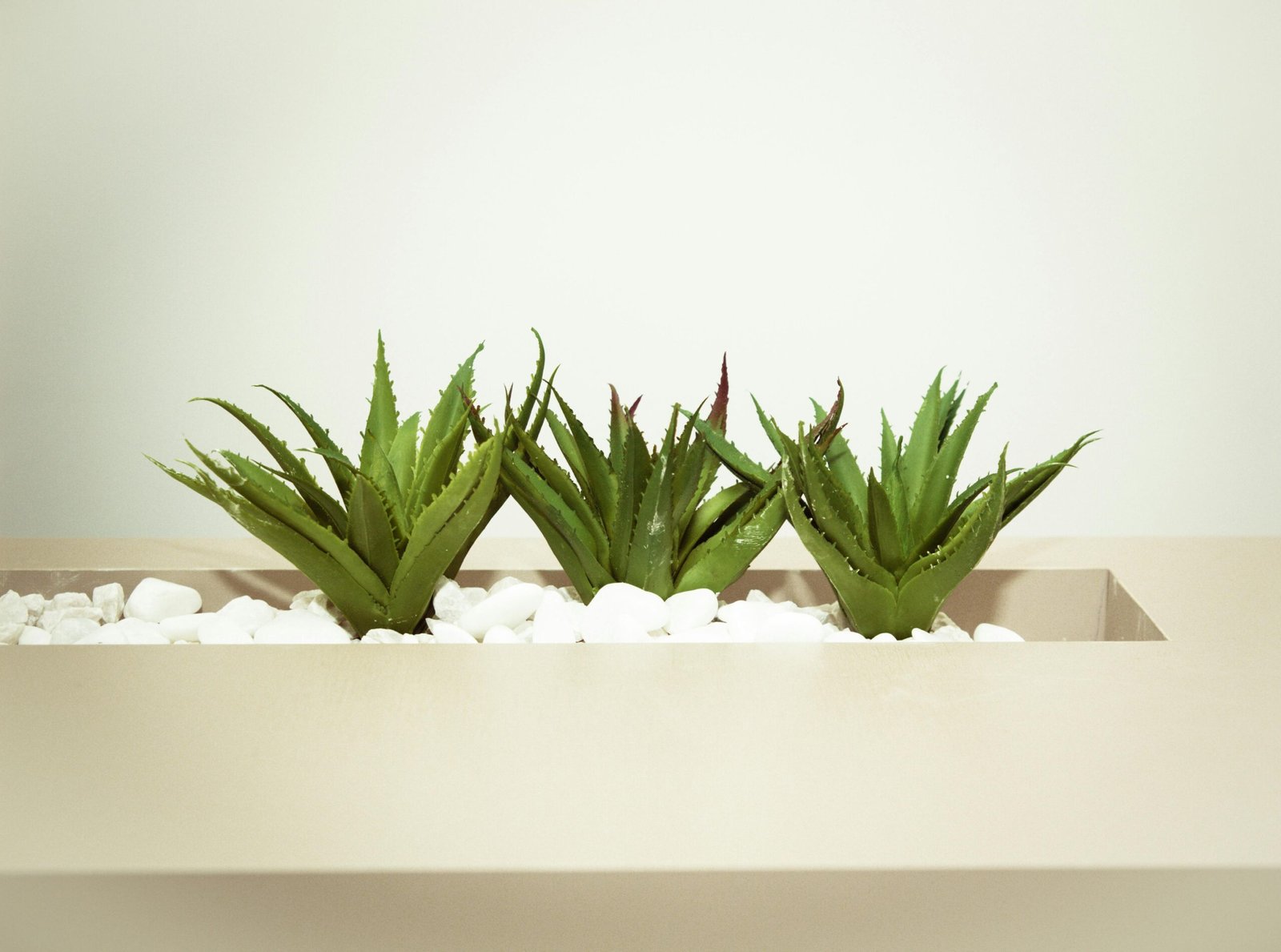
Indoor vertical gardens are an innovative and stylish way to incorporate greenery into your home, especially if you’re working with limited space. Whether you live in a small apartment or simply want to add a unique, modern touch to your decor, a vertical garden is the perfect solution. Not only do they provide beautiful, living art in your home, but they also offer several practical benefits, such as improving air quality and creating a calming atmosphere.
Creating a vertical garden can seem like a complex task, but with the right planning, materials, and plant choices, it’s a project that can be accomplished by anyone. In this article, we will guide you step-by-step on how to create your own indoor vertical garden, including design tips, plant recommendations, and DIY methods that suit a variety of budgets and skill levels.
1. Why Choose a Vertical Garden?
Vertical gardens, also known as green walls, are a great option for anyone looking to make the most of limited space. Here are a few reasons why you should consider building one:
A. Space Efficiency
Vertical gardens make use of the often-unused vertical space in your home, turning walls into beautiful, functional plant displays. This is particularly beneficial for apartment dwellers or those with small homes, as it allows you to grow more plants without taking up valuable floor space.
B. Aesthetic Appeal
Vertical gardens are a stunning addition to any room. With the right plants and design, they can add texture, color, and life to a dull wall. You can create a lush green focal point or use plants to complement the decor of your home.
C. Air Purification
Many indoor plants have air-purifying qualities, and a vertical garden can help improve the air quality in your home. Plants absorb carbon dioxide and release oxygen, which can contribute to a healthier living environment. They can also remove toxins like formaldehyde, benzene, and ammonia from the air.
D. Natural Humidity Boost
Plants naturally release moisture into the air through a process called transpiration. A vertical garden can help raise humidity levels in dry indoor environments, which is particularly beneficial in homes with air conditioning or during winter months.
2. Choosing the Right Wall and Location
Before starting your vertical garden, it’s essential to choose the right wall and location. The success of your vertical garden largely depends on how well the plants can thrive in their new environment. Here are a few things to consider when selecting a location:
A. Light Levels
One of the most important factors to consider when placing your vertical garden is the amount of natural light the wall will receive. Different plants have different light requirements, so it’s crucial to match your plant choice to the light available.
- Bright, Direct Light: If the wall receives direct sunlight, opt for sun-loving plants like succulents, cacti, or herbs such as basil and rosemary.
- Bright, Indirect Light: For areas with bright but indirect sunlight, plants like pothos, peace lilies, or spider plants will thrive.
- Low Light: If the area is shaded or lacks natural light, low-light plants like snake plants, ZZ plants, or ferns will work best.
B. Temperature and Humidity
Indoor vertical gardens thrive in a stable environment with moderate to warm temperatures (60°F to 75°F / 15°C to 24°C). Also, ensure that the location has good air circulation and isn’t too drafty. Vertical gardens can also help increase humidity, but they still need a space where humidity levels are not too extreme.
C. Wall Considerations
Make sure the wall you choose is sturdy enough to hold the weight of your vertical garden, especially if you’re using soil-based systems. For lightweight options, you may be able to use smaller pots or hanging planters, while larger systems will require more robust support.
3. Types of Vertical Gardens
There are several ways to build a vertical garden, depending on the look you want and the materials you have available. Here are some common options:
A. Vertical Planter Towers
Vertical planter towers are a simple and effective way to create a green wall. These are usually made from stacked pots or modular planters that allow plants to grow vertically. They can be placed against a wall or used as a freestanding piece.
Materials Needed:
- Stacked pots, crates, or shelving units
- Potting soil
- Plants
Steps:
- Stack the pots or containers, ensuring they have good drainage.
- Fill each pot with potting soil.
- Arrange your plants in the containers according to their size and light needs.
- Water the plants thoroughly after planting.
B. Hanging Planters
Hanging planters are another popular option for creating a vertical garden. You can use shelves, brackets, or strings to suspend the plants from the wall or ceiling, creating a cascading effect.
Materials Needed:
- Hanging planters (plastic, ceramic, or metal)
- Hooks or brackets for hanging
- Potting soil
- Plants
Steps:
- Install hooks or brackets on the wall or ceiling where you want the planters to hang.
- Fill each planter with soil and add your plants.
- Hang the planters in the desired positions and water regularly.
C. DIY Wooden Pallet Planter
Wooden pallets are an inexpensive and eco-friendly way to create a vertical garden. You can upcycle an old pallet and convert it into a garden frame by adding planting pockets or containers.
Materials Needed:
- Wooden pallet
- Landscaping fabric or burlap
- Potting soil
- Plants
- Stapler or nails
Steps:
- Lay the pallet flat and staple the landscaping fabric or burlap to the back and sides of the pallet, leaving enough room for the plants.
- Fill the fabric pockets with soil and add your plants.
- Lean the pallet against a wall or mount it on the wall to create a vertical garden.
D. Living Wall Panels
Living wall panels are pre-designed systems that consist of a frame and a series of pockets or trays for planting. These systems are often modular and can be customized to fit your space.
Materials Needed:
- Living wall panel system (available at garden centers or online)
- Potting soil
- Plants
Steps:
- Mount the living wall panel on the wall.
- Fill each pocket or tray with potting soil.
- Insert plants into the pockets and water as needed.
4. Choosing the Right Plants for Your Vertical Garden
Selecting the right plants is crucial for the success of your vertical garden. Keep in mind factors such as light, watering needs, and growth habits. Here are some plant options for various lighting conditions:
A. Plants for Bright Light
- Succulents: Aloe vera, echeveria, and sedum are excellent choices for sunny spots.
- Herbs: Basil, thyme, and rosemary thrive in bright, direct sunlight.
- Cacti: The classic desert plants like prickly pear or saguaro are perfect for direct sunlight.
B. Plants for Medium to Indirect Light
- Pothos: Pothos plants are low-maintenance and grow well in moderate light.
- Spider Plant: An easy-to-care-for plant that adapts well to indirect light.
- Peace Lily: This plant does well in bright but indirect light and adds elegance with its white flowers.
C. Plants for Low Light
- Snake Plant: Snake plants are incredibly resilient and can thrive in low light conditions.
- ZZ Plant: Another hardy plant that requires minimal light and water.
- Ferns: Boston ferns and bird’s nest ferns thrive in low light with moderate humidity.
5. Watering and Maintenance Tips for Vertical Gardens
Vertical gardens can be a bit tricky when it comes to watering because the water needs to reach every plant in the garden without saturating the wall. Here are some tips to help you maintain your vertical garden:
A. Proper Watering Techniques
- Water from the Top: Water the top row of your vertical garden, allowing the water to flow down to the lower plants.
- Use a Drip Irrigation System: For larger vertical gardens, a drip irrigation system can be installed to ensure consistent watering.
- Water in Small Amounts: Water slowly and in small amounts to avoid overwhelming the plants and creating excess runoff.
B. Regular Maintenance
- Pruning: Regularly prune your plants to encourage healthy growth and prevent them from becoming too leggy. Deadheading flowers and cutting back overgrown vines will keep the plants looking tidy.
- Cleaning the Wall: Check the wall and planters for any buildup of dirt, algae, or mold. Wipe them down periodically to keep the garden looking fresh.
- Fertilizing: Vertical gardens benefit from regular fertilizing. Use a liquid fertilizer every 4-6 weeks during the growing season to keep your plants healthy and vibrant.
6. Troubleshooting Common Vertical Garden Problems
Like any gardening project, vertical gardens can come with their challenges. Here are a few common issues and how to address them:
A. Yellowing Leaves
Yellowing leaves can be caused by a variety of factors, including overwatering, poor drainage, or a lack of nutrients. Check the soil’s moisture levels and ensure your plants are getting the right amount of water and light.
B. Overcrowding
If your vertical garden is too crowded, your plants may not have enough space to grow. Thin out your plants regularly to prevent them from competing for resources.
C. Pests
Insects like aphids, mealybugs, or spider mites can sometimes infest vertical gardens. Regularly inspect your plants and remove any pests by hand or with an organic pest control solution like neem oil.
Conclusion: Your Beautiful and Thriving Vertical Garden
Creating a vertical garden is an exciting and rewarding way to bring nature indoors. Whether you have a small apartment or a large house, a vertical garden can transform any space into a vibrant, lush environment. With the right plants, containers, and maintenance, you can enjoy the beauty of indoor greenery year-round.
By following these tips and using the methods described, you’ll be well on your way to creating a stunning vertical garden that not only enhances your home decor but also provides health benefits and a calming atmosphere. Happy gardening!

Isabella Garcia is the creator of a blog dedicated to crafts and home care, focused on making everyday life more creative, organized, and enjoyable. The blog shares practical tips, easy DIY projects, home organization ideas, and simple solutions to take better care of your living space. Whether you’re a beginner in crafting or someone looking for inspiration to improve your home routine, Isabella’s blog offers clear, useful, and hands-on content to help you create a cozy, beautiful, and well-cared-for home.