
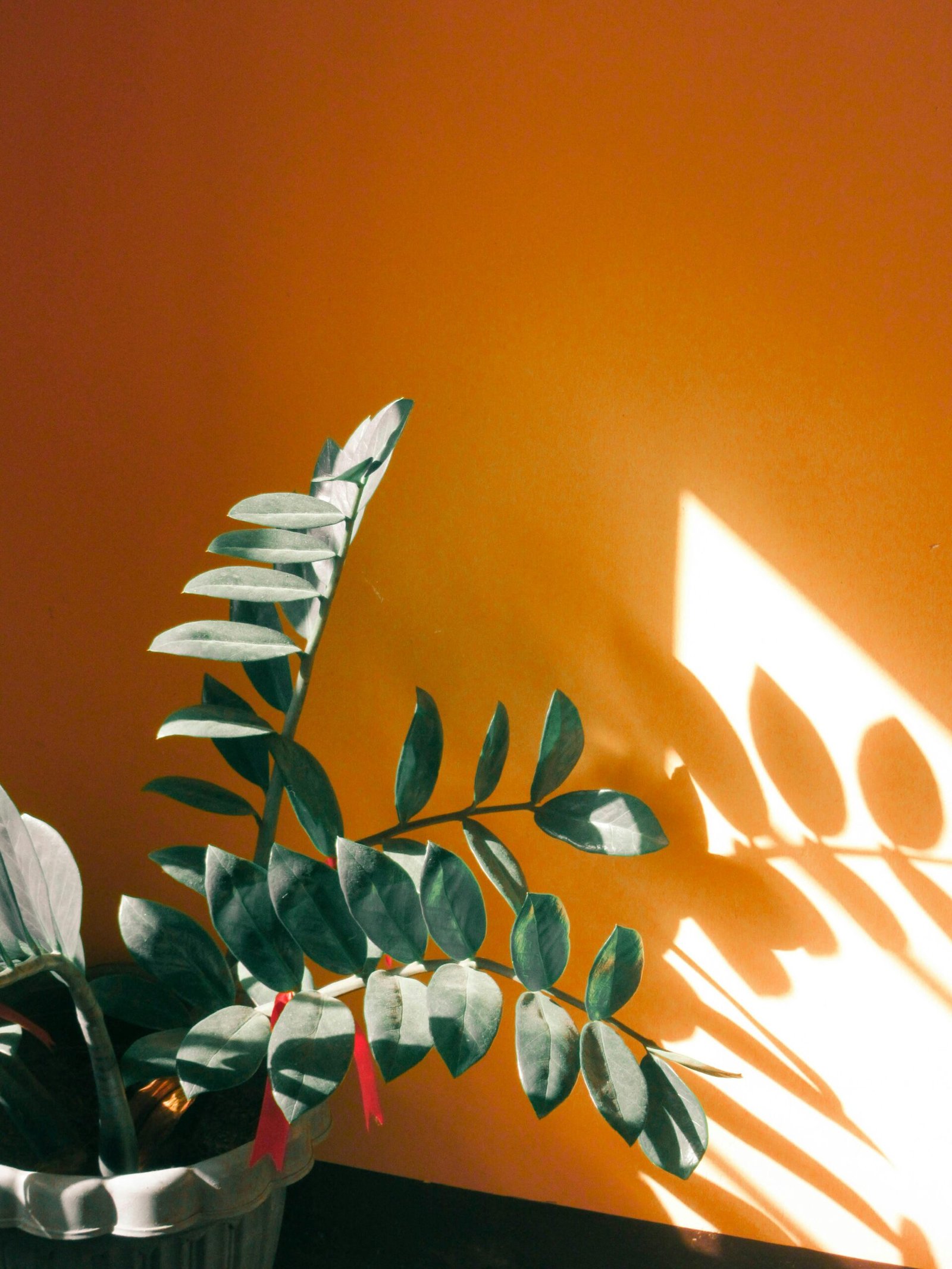
For many of us, life can get busy. Between work, school, family, and other responsibilities, it can be difficult to find time to care for plants. However, this doesn’t mean you have to give up on the idea of having a beautiful indoor garden. With the right choices, you can create a low-maintenance garden that thrives with minimal effort.
In this guide, we’ll walk you through how to create an indoor garden that requires little care but still brings beauty and life to your space. From selecting hardy, low-maintenance plants to choosing the right containers and watering systems, you’ll learn everything you need to create a fuss-free garden that fits into your busy lifestyle.
1. Why Create a Low-Maintenance Indoor Garden?
An indoor garden can be a great way to improve your living space, but it’s important to create a garden that works with your lifestyle. A low-maintenance garden can offer all the benefits of indoor plants—such as air purification, aesthetic appeal, and stress reduction—without the constant need for attention.
A. Perfect for Busy Lifestyles
A low-maintenance indoor garden is ideal for people who have busy schedules or for those who might forget to water their plants regularly. These types of gardens require less effort while still providing a lush, green environment.
B. Aesthetic Appeal
Indoor gardens bring natural beauty and vibrancy into any room. With the right low-maintenance plants, you can create a stunning and peaceful oasis in your home that requires minimal upkeep.
C. Health Benefits
Plants improve indoor air quality by removing toxins and releasing oxygen. Having a low-maintenance indoor garden can help create a healthier living environment with fewer allergens and pollutants in the air.
D. Stress Reduction
Being around plants can reduce stress and anxiety. Studies have shown that the presence of greenery in a space helps to improve mood and create a calm, relaxing atmosphere. A low-maintenance garden ensures that you can enjoy these benefits without feeling overwhelmed by the demands of plant care.
2. Choosing the Right Low-Maintenance Plants
The key to a low-maintenance indoor garden is choosing the right plants. You want to select plants that are resilient, adaptable, and require minimal care. Here are some great options for a low-maintenance indoor garden:
A. Snake Plant (Sansevieria)
Snake plants are one of the easiest indoor plants to care for. They are known for their striking upright leaves and tolerance for a wide range of growing conditions. Snake plants can survive in low light, need very little water, and are extremely resilient.
- Light Needs: Tolerates low to bright, indirect light.
- Watering: Water only when the soil is dry. Overwatering can cause root rot, so allow the soil to dry completely between waterings.
- Care: Almost no maintenance required—just keep it in a well-drained pot and occasionally remove dead leaves.
B. Pothos (Epipremnum aureum)
Pothos, also known as devil’s ivy, is another low-maintenance plant that thrives in most indoor environments. It’s a fast-growing vine with trailing leaves that can brighten up any space. It’s an excellent choice for beginners and busy plant owners.
- Light Needs: Tolerates low to moderate light, but prefers bright, indirect light.
- Watering: Water when the soil feels dry. Pothos is forgiving and can handle being underwatered for a short time.
- Care: Just prune occasionally to maintain shape and remove any yellow or dead leaves.
C. ZZ Plant (Zamioculcas zamiifolia)
The ZZ plant is a tough plant with shiny, dark green leaves that thrive in almost any condition. It’s perfect for people with little time to care for plants and can go weeks without water.
- Light Needs: Tolerates low light and can also handle some direct sunlight.
- Watering: Water when the soil is dry. It’s very drought-tolerant, so it’s better to underwater than overwater.
- Care: Very little maintenance required. Just occasionally dust off the leaves to keep them shiny.
D. Spider Plant (Chlorophytum comosum)
Spider plants are known for their long, arching green leaves with white stripes and their ability to thrive in low-maintenance conditions. They’re perfect for beginners and require minimal attention.
- Light Needs: Bright, indirect light, but will tolerate lower light conditions.
- Watering: Water when the soil feels dry to the touch. It’s best to let the soil dry out a little between waterings.
- Care: The only maintenance required is occasional pruning to remove dead or damaged leaves and keeping the plant free of pests.
E. Peace Lily (Spathiphyllum)
Peace lilies are not only beautiful, but they’re also very forgiving and easy to care for. They are known for their white, elegant flowers and can survive in low light.
- Light Needs: Prefers low to medium light.
- Watering: Keep the soil moist but not waterlogged. Water when the top inch of the soil feels dry. Peace lilies are particularly forgiving and will show you when they need water by drooping.
- Care: Occasional cleaning of the leaves with a damp cloth is all they need to maintain their shine and health.
F. Aloe Vera
Aloe vera is a succulent plant that thrives in dry conditions. It’s low-maintenance and perfect for busy people who don’t want to worry about frequent watering.
- Light Needs: Needs bright, indirect light but can also tolerate some direct sunlight.
- Watering: Water every 2-3 weeks or when the soil is completely dry. Aloe vera is very drought-tolerant and prefers dry conditions.
- Care: Minimal care required. Just ensure it has well-draining soil and a pot with drainage holes.
3. Selecting Containers for Low-Maintenance Plants
Choosing the right container for your low-maintenance plants is essential for proper drainage and plant health. Here are some tips:
A. Containers with Drainage Holes
Drainage is one of the most important aspects of indoor plant care. Containers with drainage holes ensure that excess water doesn’t accumulate at the bottom of the pot, which can lead to root rot. Always choose pots with drainage holes to keep your plants healthy and thriving.
B. Self-Watering Pots
Self-watering pots are a great option for busy plant owners. These pots have a reservoir at the bottom that allows the plant to absorb water gradually as needed, preventing overwatering and ensuring consistent hydration. They’re especially useful for plants that don’t like to be watered too frequently.
C. Appropriate Size
Choose a pot that’s the right size for your plant. If the pot is too large, it may hold too much water and cause the roots to rot. If it’s too small, the plant may become root-bound and struggle to grow. Opt for pots that are just slightly larger than the root ball of the plant.
4. Low-Maintenance Watering Solutions
One of the main concerns for busy plant owners is how to keep plants watered without needing to tend to them daily. Fortunately, there are several ways to water your plants less frequently.
A. Use a Watering Globe
A watering globe is a simple tool that slowly releases water into the soil as the plant needs it. Just fill the globe with water and stick it into the soil. This is perfect for plants that need consistent moisture but can’t be watered every day.
B. Drip Irrigation Systems
For a more automated solution, you can set up a drip irrigation system for your indoor plants. These systems consist of small tubes that deliver water directly to the soil, ensuring that your plants are hydrated without you having to water them manually.
C. Watering Stakes
Watering stakes are inserted into the soil and connected to a water source, such as a bottle or jug. The water gradually seeps into the soil as the plant needs it. This is a great option for low-maintenance, self-watering gardens.
5. Placement and Light Considerations
Proper light is essential for any indoor garden. However, one of the benefits of choosing low-maintenance plants is that many of them can adapt to low-light environments. Here’s how to position your plants for the best results:
A. Use Natural Light
Most low-maintenance plants prefer bright, indirect light. Place them near windows that receive plenty of natural light but avoid direct sunlight, which can burn the leaves of sensitive plants.
B. Use Grow Lights for Low Light Areas
If you have areas in your home with little natural light, you can use artificial grow lights. LED or fluorescent grow lights are energy-efficient and provide the necessary light spectrum for your plants to thrive. Set the lights on a timer for 12-14 hours per day to simulate the natural day-night cycle.
C. Group Plants Together
Group your plants together to create a microenvironment with higher humidity. This can help prevent the plants from drying out, especially during the colder months when the air is drier.
6. Ongoing Care for a Low-Maintenance Garden
While low-maintenance plants require less attention, they still need periodic care to ensure they stay healthy. Here are a few tips for ongoing maintenance:
A. Pruning and Deadheading
Occasionally prune your plants to remove dead or yellowing leaves. This encourages new growth and keeps your plants looking neat. For flowering plants, deadheading (removing spent flowers) will promote more blooms.
B. Fertilizing
Fertilize your plants once a month during their growing season (spring and summer). Use a balanced, water-soluble fertilizer, but be sure to dilute it to avoid over-fertilizing, which can harm your plants. During the winter months, reduce fertilization, as most indoor plants enter a dormant phase and require less food.
C. Cleaning Leaves
To keep your plants looking their best, wipe the leaves with a damp cloth to remove dust and dirt. This also helps prevent pests and promotes better photosynthesis.
Conclusion: A Beautiful, Low-Maintenance Indoor Garden
Creating a low-maintenance indoor garden is a great way to enjoy the beauty and benefits of plants without the time commitment. By selecting the right plants, using proper containers, and employing watering systems that suit your schedule, you can create a thriving indoor garden that requires minimal care.
With the tips and techniques outlined in this guide, you can enjoy fresh greenery in your home, reduce stress, and improve air quality—all while keeping your garden simple and manageable. Happy gardening!

Isabella Garcia is the creator of a blog dedicated to crafts and home care, focused on making everyday life more creative, organized, and enjoyable. The blog shares practical tips, easy DIY projects, home organization ideas, and simple solutions to take better care of your living space. Whether you’re a beginner in crafting or someone looking for inspiration to improve your home routine, Isabella’s blog offers clear, useful, and hands-on content to help you create a cozy, beautiful, and well-cared-for home.