
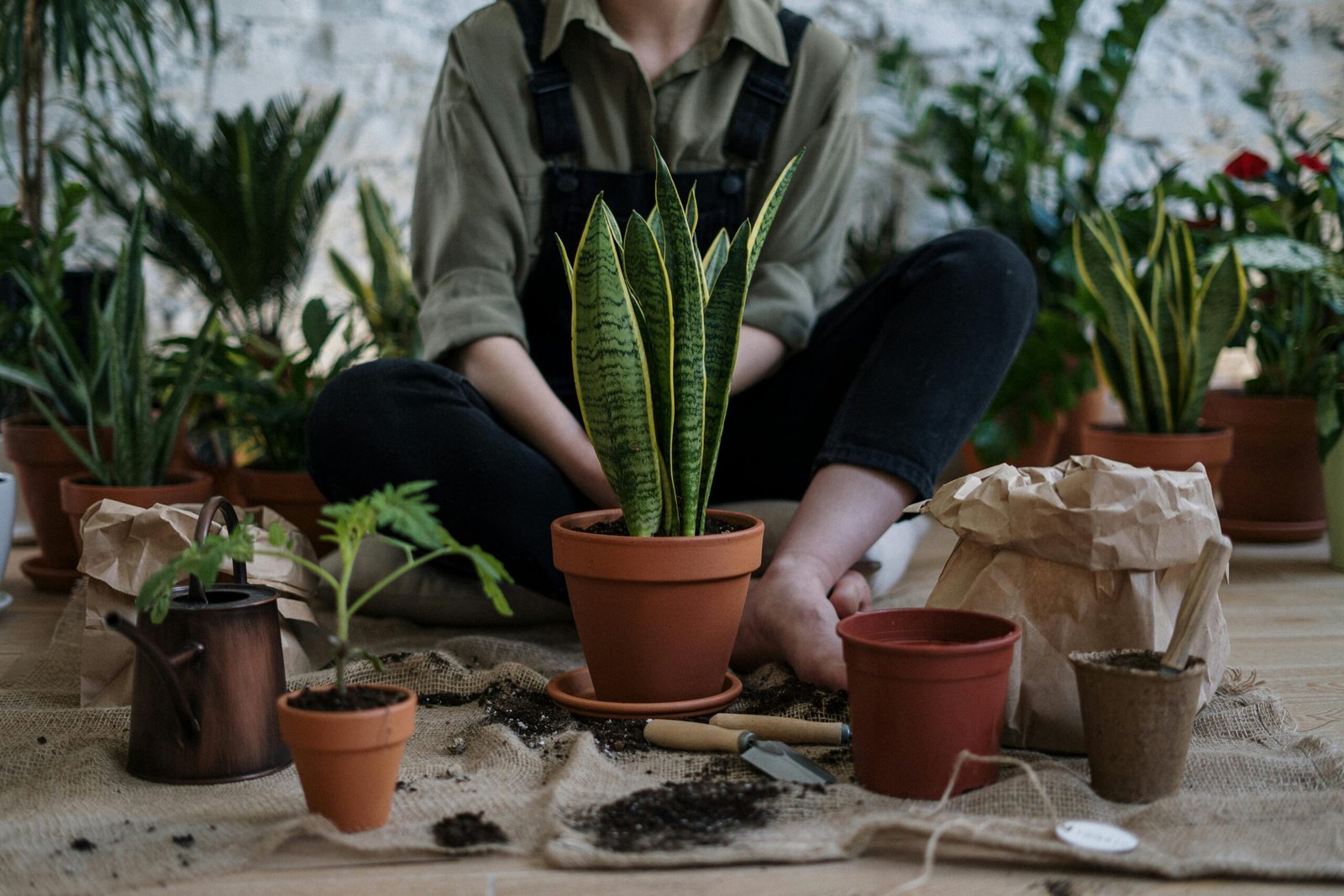
Propagating indoor plants is an exciting and rewarding process that allows you to grow new plants from existing ones. Whether you’re looking to expand your indoor garden, share plants with friends, or save money on purchasing new ones, plant propagation offers a simple way to multiply your collection. Best of all, it’s not as difficult as you might think!
In this comprehensive guide, we’ll walk you through the different methods of plant propagation, explain how to successfully propagate various indoor plants, and provide you with the tools and tips you need to grow new plants from cuttings, leaves, or seeds. Whether you’re a beginner or a seasoned plant enthusiast, you’ll find easy-to-follow instructions for propagating your indoor plants with confidence.
1. Why Propagate Indoor Plants?
Propagating indoor plants offers numerous benefits, both practical and enjoyable. Here are some reasons why you might want to start propagating your indoor plants:
A. Expanding Your Collection
Propagating your plants is an affordable way to grow your indoor garden. Instead of buying new plants, you can create new ones from cuttings or other propagation methods. This allows you to enjoy the beauty of a larger plant collection without spending a lot of money.
B. Sharing Plants with Others
Propagation is also a great way to share your love of plants with friends, family, or neighbors. If you have a favorite plant, you can propagate it and give the new plants as gifts, which is a thoughtful and meaningful gesture.
C. Preserving Favorite Plants
Sometimes, indoor plants can become damaged or start to decline. If you’re worried about losing a beloved plant, propagating it allows you to ensure that you’ll always have a new generation of the plant, even if the original one doesn’t survive.
D. Learning and Experimenting
Plant propagation is a fun and educational process that allows you to better understand how plants grow and thrive. Whether you’re a beginner or an experienced plant lover, propagating your plants is a great way to experiment and learn more about plant care.
2. The Basics of Plant Propagation
Before we dive into specific methods of propagation, it’s important to understand the general principles behind how plant propagation works. Here are some key concepts to keep in mind:
A. Types of Plant Propagation
There are two main types of plant propagation: asexual propagation and sexual propagation.
- Asexual Propagation: This method involves taking a part of an existing plant (such as a cutting or leaf) and encouraging it to grow into a new, genetically identical plant. Asexual propagation is the most common method for propagating indoor plants and includes techniques like stem cuttings, leaf cuttings, and division.
- Sexual Propagation: This method involves growing a new plant from seeds. While sexual propagation is not as commonly used for indoor plants (since it can be more time-consuming and unpredictable), it can be a fun challenge for certain plant species.
B. Ideal Conditions for Propagation
To successfully propagate indoor plants, you need to provide the right environment for the plant to root and grow. Here are the ideal conditions for propagation:
- Warmth: Most plants require a warm environment to root successfully. A temperature range of 65°F to 75°F (18°C to 24°C) is ideal for most indoor plants.
- Humidity: High humidity is essential for promoting root growth in cuttings. A humidity level of around 60% or higher is ideal.
- Light: While propagated plants don’t need direct sunlight, they do need bright, indirect light to encourage healthy growth. Avoid placing them in direct sunlight, as this can cause the cuttings to dry out.
3. Methods of Propagating Indoor Plants
There are several methods of propagating indoor plants, depending on the type of plant and the propagation technique. Here are the most common methods for indoor plant propagation:
A. Propagating by Stem Cuttings
Stem cuttings are one of the easiest and most popular ways to propagate indoor plants. Many houseplants, including pothos, snake plants, and philodendrons, can be propagated through stem cuttings. Here’s how to do it:
Step-by-Step Guide for Propagating by Stem Cuttings:
- Choose a Healthy Parent Plant: Select a healthy, non-flowering plant that has strong stems and leaves.
- Take a Cutting: Use a clean, sharp pair of scissors or pruning shears to cut a 4-6 inch section from the tip of the stem. Make sure the cutting includes at least one or two nodes (the small bumps on the stem where leaves grow).
- Remove Excess Leaves: Remove the leaves from the lower half of the cutting to expose the node. This prevents the leaves from rotting in the water or soil.
- Place in Water or Soil:
- Water Method: Place the cutting in a jar of water, ensuring that the node is submerged but the leaves are above the water line. Change the water every few days to prevent stagnation and keep the water fresh.
- Soil Method: Alternatively, you can plant the cutting directly in a pot with moist, well-draining soil. Make a small hole in the soil with a pencil or stick, then gently place the cutting into the hole.
- Wait for Roots to Develop: After a few weeks, you should see roots developing. In water, this will be visible as tiny root hairs. In soil, gently tug on the cutting to check if there’s resistance, indicating root growth.
- Transplant: Once the roots are a few inches long, transplant the cutting into a small pot with well-draining soil. Continue to care for it like a mature plant, and you’ll soon have a new indoor plant!
B. Propagating by Leaf Cuttings
Some plants, like succulents and begonias, can be propagated from individual leaves rather than stems. Leaf cuttings are an easy way to propagate plants and can be done in a similar manner to stem cuttings.
Step-by-Step Guide for Propagating by Leaf Cuttings:
- Select a Healthy Leaf: Choose a healthy, mature leaf that shows no signs of damage or disease. For some plants, like African violets or begonias, you can propagate a single leaf, while others (like succulents) may require a portion of the leaf.
- Cut the Leaf: Use sharp, sterile scissors to cut the leaf at its base, just above the stem or petiole (the small stem that connects the leaf to the main plant).
- Place in Water or Soil:
- Water Method: Submerge the cut end of the leaf in water, making sure the leaf itself doesn’t touch the water. Change the water regularly.
- Soil Method: Stick the cut end of the leaf into moist, well-draining soil. Make sure the leaf is upright and in contact with the soil.
- Wait for Roots and New Growth: As with stem cuttings, wait for roots to develop before transplanting. In some cases, the leaf itself will start to produce new shoots, which can be separated and grown into new plants.
C. Propagating by Plant Division
Plant division is another method of propagation that works well for plants with multiple stems or clumps, such as spider plants, peace lilies, or snake plants. This method involves separating the plant into two or more sections, each with roots and shoots, to grow as individual plants.
Step-by-Step Guide for Propagating by Division:
- Remove the Plant from its Pot: Gently remove the plant from its pot, being careful not to damage the roots.
- Separate the Roots: Use your hands or a clean, sharp knife to divide the plant into smaller sections. Each section should have a portion of the roots attached to it.
- Repot the Divisions: Place each division into a new pot with fresh, well-draining soil. Be sure to choose pots that are slightly larger than the root ball to allow for growth.
- Water and Care for the Divisions: Water the newly divided plants thoroughly and keep them in a bright, indirect light location. Continue to care for them as you would for mature plants.
D. Propagating from Seeds
Some plants, such as herbs, flowers, and certain houseplants, can be propagated from seeds. While this method takes more time and patience, it’s a fun way to grow new plants from scratch.
Step-by-Step Guide for Propagating from Seeds:
- Prepare Seed Trays: Fill seed trays or small pots with a good-quality seed-starting mix. Moisten the soil lightly.
- Plant the Seeds: Follow the instructions on the seed packet for planting depth and spacing. Generally, seeds should be planted about 2-3 times their size deep in the soil.
- Provide the Right Conditions: Place the seed trays or pots in a warm location with plenty of indirect light. Keep the soil consistently moist but not soggy.
- Wait for Germination: Be patient! Seeds can take anywhere from a few days to a few weeks to germinate, depending on the plant species.
- Transplant: Once the seedlings have grown large enough and have a few sets of leaves, transplant them into individual pots or a larger garden space.
4. Troubleshooting Common Propagation Problems
Even experienced gardeners can run into issues during propagation. Here are some common problems and how to solve them:
A. Cuttings Not Rooting
If your cuttings aren’t rooting, check to ensure they’re receiving the proper conditions. They need warmth, moisture, and light to root. If necessary, use a rooting hormone to encourage root development.
B. Mold or Rot
Mold and rot are common problems when propagating in water. Ensure that your water is changed frequently, and that the cutting is not submerged too deeply. If propagating in soil, make sure the soil isn’t overly wet, as this can lead to root rot.
C. Leaves Turning Yellow or Drooping
If your cuttings or new plants are showing signs of stress, check the humidity, light, and water conditions. Overwatering or underwatering can lead to wilting or yellowing leaves, so make sure you’re not giving them too much or too little water.
Conclusion: Enjoy Growing New Plants
Plant propagation is a fun, educational, and rewarding process. With a bit of patience and the right methods, you can grow new plants and expand your indoor garden without spending a lot of money. Whether you’re propagating by cuttings, division, or seeds, you’ll find that this hands-on process is one of the most satisfying ways to grow plants.
By following the tips and methods in this guide, you can successfully propagate your favorite indoor plants and enjoy a flourishing indoor garden that continues to grow and thrive. Happy propagating!

Isabella Garcia is the creator of a blog dedicated to crafts and home care, focused on making everyday life more creative, organized, and enjoyable. The blog shares practical tips, easy DIY projects, home organization ideas, and simple solutions to take better care of your living space. Whether you’re a beginner in crafting or someone looking for inspiration to improve your home routine, Isabella’s blog offers clear, useful, and hands-on content to help you create a cozy, beautiful, and well-cared-for home.