
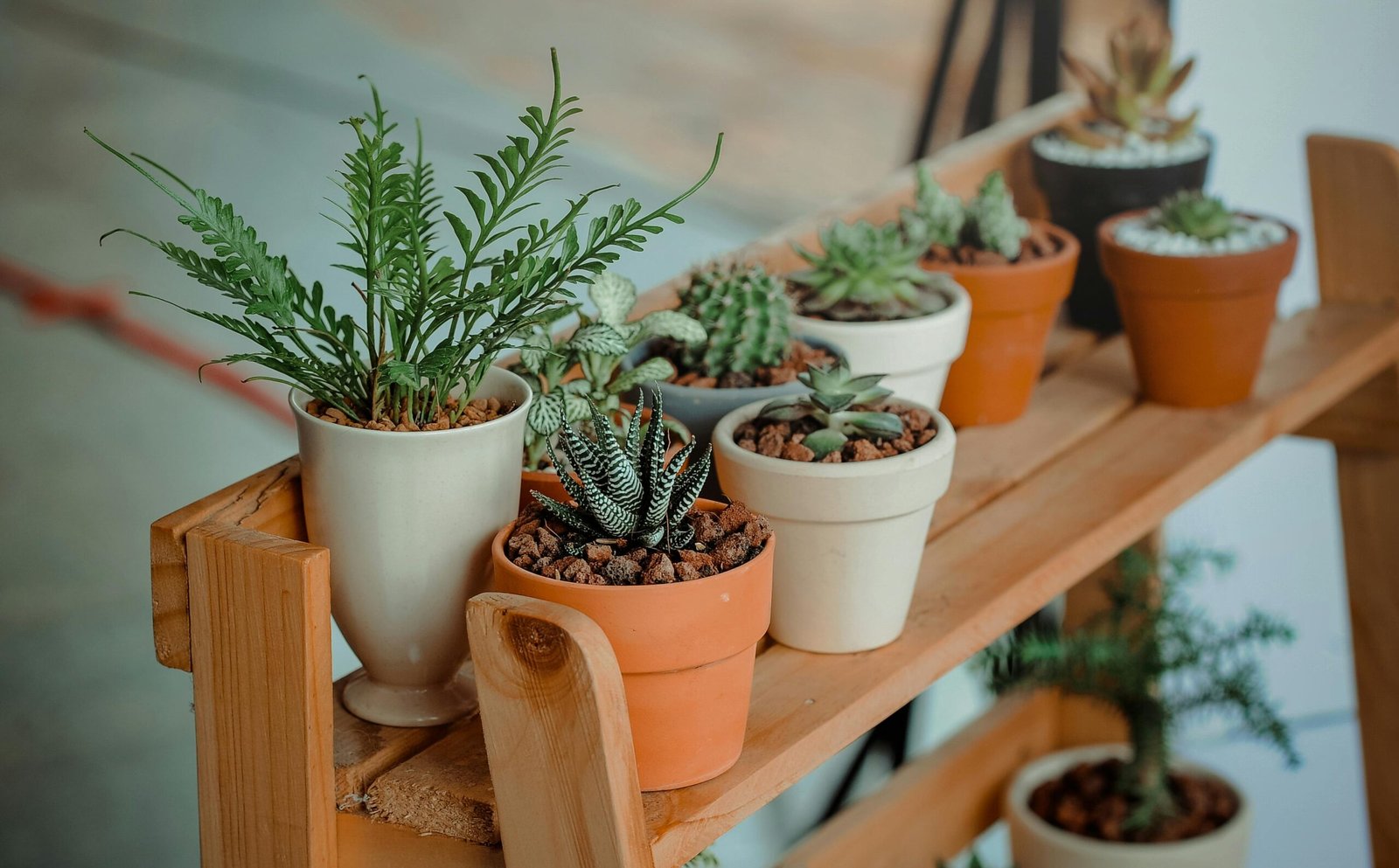
Indoor plants can thrive all year round, but their needs can change depending on the season. Just like people, plants have different requirements during different times of the year. Understanding how to care for your plants throughout the seasons ensures they remain healthy, vibrant, and stress-free no matter what the weather is like outside.
In this seasonal guide, we will walk you through the specific care needs of indoor plants during each season. From adjusting watering routines to providing the right light and temperature, we’ll cover everything you need to know to help your plants thrive year-round.
1. Caring for Indoor Plants in Spring
Spring is often considered the start of the growing season for indoor plants. As the days grow longer and the sunlight becomes stronger, plants start to show signs of new growth and vitality. Here’s how you can support your plants during this exciting time of year:
A. Increase Watering
As temperatures rise and your plants begin to actively grow, they will require more water. The soil will dry out faster, so make sure to keep an eye on moisture levels.
- Tip: Water your plants when the top inch of soil is dry, but avoid letting the soil become soggy. Make sure the pots have good drainage to prevent water from sitting at the bottom and causing root rot.
B. Adjust Light Exposure
Spring brings longer days, which means more natural sunlight for your indoor plants. Be sure to position your plants where they can receive adequate light.
- Tip: Place your plants near bright, indirect sunlight. Some plants may benefit from a bit of morning sun, but be mindful of those that may get scorched if exposed to too much direct sunlight.
C. Fertilizing
As your plants begin their active growth phase in the spring, they will benefit from a boost of nutrients. Use a balanced, water-soluble fertilizer every 4-6 weeks to encourage healthy growth.
- Tip: Dilute the fertilizer to half strength to avoid overfeeding, as too much fertilizer can damage your plants.
D. Pruning and Repotting
Spring is a great time to prune dead or damaged leaves and stems, which helps encourage new growth. It’s also the ideal time to repot plants that have outgrown their containers.
- Tip: When repotting, choose a pot that’s just slightly larger than the current one to avoid overpotting. Overpotting can lead to root rot and poor growth.
2. Caring for Indoor Plants in Summer
Summer brings warmth, longer days, and plenty of sunlight, which can be both a blessing and a challenge for indoor plants. During this season, it’s essential to provide extra care to ensure your plants are thriving without becoming stressed.
A. Watering More Frequently
During the hot summer months, your indoor plants will likely need more water as the heat and sunlight cause the soil to dry out more quickly.
- Tip: Water your plants more frequently, but always check the moisture level before watering. If the top of the soil is dry, give them a good watering. Be sure to allow excess water to drain, and avoid letting plants sit in water.
B. Watch for Heat Stress
Plants can become stressed if exposed to excessive heat, especially near windows where direct sunlight can cause sunburn or dehydration. Look for signs of heat stress, such as wilting, browning edges, or scorched leaves.
- Tip: Move plants away from direct sunlight if possible, and keep them in a location where temperatures remain relatively stable. Consider using sheer curtains or blinds to filter the sun’s rays.
C. Humidity
While summer can bring plenty of warmth, it may also dry out the air, especially if you’re using air conditioning or fans. Plants that require higher humidity, like tropical plants, may suffer during this time.
- Tip: Increase humidity by grouping plants together, using a humidifier, or placing a shallow tray filled with water and pebbles near your plants. Misting plants can also help, but don’t overdo it to avoid mold or mildew.
D. Continue Pruning and Deadheading
Summer is a great time to prune and remove any dead flowers, leaves, or stems from your plants. This helps redirect the plant’s energy into producing new growth.
- Tip: Regularly deadhead flowering plants to encourage new blooms, and remove any yellowing or damaged leaves to maintain plant health.
3. Caring for Indoor Plants in Fall
As the days become shorter and temperatures begin to cool down, plants naturally enter a period of slower growth. Fall is the time when indoor plants start preparing for the winter months, and their care needs will shift accordingly.
A. Watering Less Frequently
As your plants enter their dormant phase, they will require less water. The cooler temperatures and reduced light will cause the soil to dry out more slowly, so adjust your watering routine accordingly.
- Tip: Be sure not to overwater your plants in the fall. Wait for the soil to dry out completely before watering again, and reduce watering frequency to prevent root rot.
B. Adjust Light Exposure
With shorter days and lower light levels, it’s important to make sure your plants are still receiving enough light to thrive. You may need to move plants closer to windows or use artificial grow lights to supplement the natural light.
- Tip: Place your plants in locations where they will receive as much natural light as possible. If you’re using grow lights, set them on a timer to provide your plants with 12-14 hours of light per day.
C. Reduce Fertilizing
Since most indoor plants slow down during the fall, they don’t require as much fertilizer. Over-fertilizing during this time can lead to nutrient imbalances and stress.
- Tip: Reduce fertilizing to once every 6-8 weeks, or stop altogether until the spring when your plants begin their active growing phase again.
D. Prepare for Dormancy
Some indoor plants, such as peace lilies and spider plants, naturally go dormant in the fall. This means they will stop growing and may shed some leaves. Don’t worry—this is completely normal.
- Tip: Reduce the amount of water and nutrients during dormancy, and avoid pruning unless necessary. Allow the plant to rest during the fall and winter, and it will bounce back in the spring.
4. Caring for Indoor Plants in Winter
Winter brings colder temperatures, lower humidity, and shorter days, which can be tough on indoor plants. However, with proper care, your plants can survive and thrive during the winter months.
A. Watering Carefully
Winter is a time when plants are typically in a dormant phase, requiring less water. Be cautious not to overwater, as the soil may take longer to dry out in cooler temperatures.
- Tip: Water your plants less frequently in winter. Check the soil moisture before watering, and only water when the top inch of soil feels dry. Make sure pots have proper drainage to avoid root rot.
B. Keep Plants Away from Drafts
Cold drafts from windows, doors, or air conditioning can cause stress to your plants during the winter months. Make sure your plants are not exposed to these cold currents, as this can lead to leaf damage or shock.
- Tip: Move your plants away from windows that might be drafty, or use thick curtains or window insulation to help keep the temperature stable.
C. Provide Adequate Light
In the winter months, natural light can be scarce. Without enough light, your plants may become leggy or stop growing altogether. To ensure they get the light they need, consider using grow lights or moving your plants to the brightest room in your home.
- Tip: Place plants near windows that receive the most light, preferably south-facing. If this isn’t enough, use artificial lighting to supplement.
D. Increase Humidity
Winter air tends to be dry, which can be tough on plants, especially tropical varieties that thrive in higher humidity. Low humidity can lead to browning leaf tips and dry, brittle leaves.
- Tip: Increase humidity by using a humidifier, grouping plants together, or placing a shallow tray of water with pebbles near your plants. Regular misting can also help, but don’t overdo it to avoid mold growth.
E. Reduce Fertilizing
During the winter months, most plants are dormant or growing very slowly. They don’t require much fertilizer, so it’s important to cut back on feeding.
- Tip: Stop fertilizing altogether or reduce the frequency to once every 8 weeks. Over-fertilizing in winter can cause nutrient imbalances and damage to the plant.
5. General Year-Round Plant Care Tips
While seasonal care is essential, there are some general care practices that should be followed year-round to keep your plants healthy:
A. Regularly Inspect for Pests
Pests such as spider mites, aphids, and mealybugs can attack indoor plants at any time of year. Regularly check your plants for signs of infestation, especially during the winter months when plants may be more vulnerable.
- Tip: If you spot pests, treat your plants with neem oil, insecticidal soap, or a mixture of water and dish soap.
B. Clean Your Plants
Dust and debris can accumulate on the leaves of your plants, blocking light and hindering photosynthesis. Regularly wipe down the leaves with a damp cloth to keep them clean and free of dust.
- Tip: Use a gentle, damp cloth to clean the leaves, and avoid using harsh chemicals or sprays that could harm your plants.
C. Repot as Needed
Over time, your plants may outgrow their pots and need to be repotted. If you notice that the roots are becoming crowded or the plant isn’t growing as quickly, it may be time to move it to a larger container.
- Tip: Choose a pot that’s 1-2 inches larger in diameter than the current one and use fresh, well-draining soil.
Conclusion: Keeping Your Indoor Plants Healthy All Year
Caring for indoor plants through the changing seasons requires some adjustments, but by following the tips in this guide, you can ensure that your plants remain healthy and vibrant year-round. By paying attention to their water, light, temperature, and humidity needs, you can create a thriving indoor garden no matter the season.
With a little care and attention, your plants will continue to bring beauty, tranquility, and health benefits to your home throughout every season. Happy gardening!

Isabella Garcia is the creator of a blog dedicated to crafts and home care, focused on making everyday life more creative, organized, and enjoyable. The blog shares practical tips, easy DIY projects, home organization ideas, and simple solutions to take better care of your living space. Whether you’re a beginner in crafting or someone looking for inspiration to improve your home routine, Isabella’s blog offers clear, useful, and hands-on content to help you create a cozy, beautiful, and well-cared-for home.