
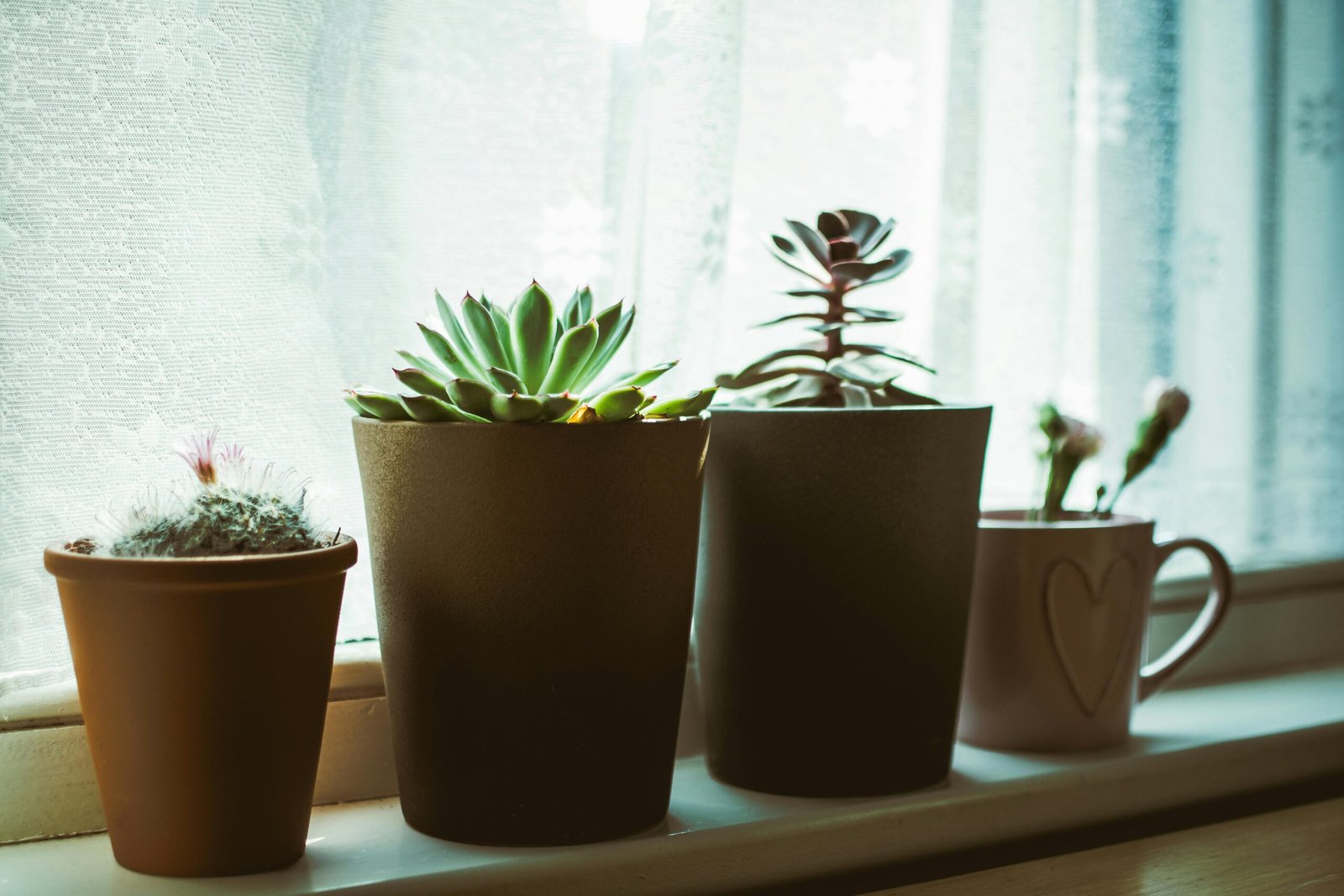
Having pets and indoor plants doesn’t have to be an either/or situation. Many pet owners love the idea of having a lush, green indoor garden, but there’s often concern about the safety of certain plants. Some houseplants are toxic to animals and can cause health issues if ingested. However, there are plenty of pet-safe plants that can brighten up your home and add natural beauty without putting your furry friends at risk.
In this guide, we’ll show you how to create a pet-friendly indoor garden. From selecting safe plants to setting up your garden in a way that protects both your pets and plants, we’ll cover everything you need to know to create a harmonious environment for your pets and plants to thrive.
1. Why Create a Pet-Friendly Indoor Garden?
Creating a pet-friendly indoor garden is a great way to enjoy the benefits of both plants and pets without compromising their safety. Here are some reasons why it’s worth considering:
A. Aesthetic Appeal
Indoor plants can instantly brighten up a room, and having them around can make your living space feel more vibrant and inviting. A pet-friendly garden lets you bring greenery into your home while keeping your pets safe.
B. Health Benefits for Pets and Humans
Plants purify the air, reduce stress, and improve overall well-being. Pets can also benefit from being in a natural, green environment, just as humans do. Growing pet-safe plants gives you the opportunity to create a healthier, happier space for everyone.
C. Safe Space for Pets
Some indoor plants can be toxic to pets, leading to illnesses or worse if they nibble on them. By selecting pet-friendly plants, you can create a space where your pets are safe, even if they decide to explore your garden.
D. It’s Possible to Have Both
With a bit of planning, it’s possible to have an indoor garden that’s both beautiful and safe for your pets. It doesn’t require choosing between your love of plants or your pets. By selecting non-toxic plants and setting up your garden carefully, you can enjoy the best of both worlds.
2. Choosing Pet-Safe Plants
The first and most important step in creating a pet-friendly garden is selecting plants that are safe for your furry friends. Some plants are toxic to pets and can cause serious harm if they ingest any part of the plant. To help you get started, here’s a list of common pet-safe plants that you can include in your indoor garden:
A. Spider Plant (Chlorophytum comosum)
Spider plants are safe for both cats and dogs, making them a great choice for households with pets. They’re easy to care for and have long, arching leaves that add a touch of greenery to any room.
- Light Needs: Bright, indirect light.
- Watering: Water when the soil feels dry to the touch.
- Care Tips: Spider plants are low-maintenance and thrive in a variety of indoor conditions.
B. Boston Fern (Nephrolepis exaltata)
Boston ferns are another safe option for pet owners. These lush, leafy plants are great for adding greenery and improving air quality in your home.
- Light Needs: Bright, indirect light.
- Watering: Keep the soil consistently moist.
- Care Tips: Boston ferns prefer higher humidity, so mist them regularly or place them in a bathroom or kitchen.
C. Areca Palm (Dypsis lutescens)
The areca palm is a popular houseplant that is non-toxic to pets. It’s easy to grow and adds a tropical touch to your indoor garden.
- Light Needs: Bright, indirect light.
- Watering: Water when the top inch of soil feels dry.
- Care Tips: Ensure the palm is in a pot with good drainage to avoid waterlogging the roots.
D. Bamboo Palm (Chamaedorea seifrizii)
Bamboo palms are another pet-friendly plant that’s perfect for indoor spaces. They thrive in low to moderate light and are known for their air-purifying properties.
- Light Needs: Low to moderate indirect light.
- Watering: Water when the top inch of soil feels dry.
- Care Tips: Bamboo palms are easy to care for and don’t require frequent watering.
E. Calathea (Calathea spp.)
Calatheas are non-toxic to pets and come in a variety of colorful, patterned leaves. These plants can be a bit more finicky when it comes to care, but they’re still a great option for pet-friendly indoor gardens.
- Light Needs: Bright, indirect light.
- Watering: Keep the soil moist but not soggy. Calatheas are sensitive to dry air, so misting regularly can help.
- Care Tips: Keep them away from direct sunlight to avoid leaf burn.
F. Maranta (Maranta leuconeura)
Also known as the prayer plant, maranta is safe for pets and adds a beautiful touch to your indoor garden with its striking foliage. The plant’s leaves fold up at night, resembling praying hands, which is why it’s often called the prayer plant.
- Light Needs: Bright, indirect light.
- Watering: Water when the top inch of soil feels dry. Keep the soil evenly moist.
- Care Tips: Marantas prefer high humidity, so mist them regularly or place them on a humidity tray.
G. Parlor Palm (Chamaedorea elegans)
Parlor palms are not only non-toxic to pets but also adaptable to a range of lighting conditions. They’re perfect for brightening up any room and don’t require much maintenance.
- Light Needs: Low to bright, indirect light.
- Watering: Water when the soil feels dry.
- Care Tips: Parlor palms are quite easy to care for and are perfect for beginners.
3. Toxic Plants to Avoid with Pets
While many indoor plants are pet-safe, some are toxic and can cause serious harm to your pets if ingested. It’s important to be aware of these plants and avoid them in homes with animals.
A. Common Toxic Plants:
- Dieffenbachia (Dumb Cane): Known for its attractive leaves, but it contains crystals that can irritate the mouth, throat, and digestive system.
- Pothos (Epipremnum aureum): While pothos is a popular and low-maintenance plant, it’s toxic to pets, causing gastrointestinal upset if ingested.
- Sago Palm (Cycas revoluta): Extremely toxic to dogs and cats, especially the seeds, which can cause liver failure.
- Azaleas: All parts of the azalea plant are toxic to pets and can cause nausea, vomiting, and even death if consumed.
- Tulips: While beautiful, tulips contain compounds that can cause vomiting and diarrhea in pets.
- Lily (Lilium spp.): All lilies, including peace lilies, are toxic to cats and can cause kidney failure if ingested.
B. How to Keep Toxic Plants Safe
If you choose to have any potentially toxic plants in your home, it’s essential to keep them out of reach of pets. Consider placing these plants in high areas such as shelves or hanging baskets where pets cannot access them.
4. Creating a Pet-Friendly Indoor Garden Setup
Once you’ve selected your pet-safe plants, it’s important to set up your indoor garden in a way that keeps both your pets and plants safe. Here are some tips to create a pet-friendly garden:
A. Use Elevated Planters or Hanging Pots
To keep plants out of reach from curious pets, consider using elevated planters or hanging pots. This will allow your plants to grow freely while protecting them from being knocked over or chewed on by pets.
- Tip: Use macramé plant hangers to hang plants from the ceiling or install floating shelves to keep plants at a safe height.
B. Create Plant Barriers
If you don’t want your pets to access certain plants, use barriers like decorative plant cages or mesh covers to prevent them from chewing on the leaves or digging into the soil.
- Tip: Use clear plastic or mesh barriers so you can still enjoy the beauty of your plants while protecting them from pets.
C. Place Plants in Pet-Free Zones
Designate certain areas of your home as pet-free zones for your plants. For example, create a dedicated plant corner in your living room, away from where your pets usually play or rest.
- Tip: Keep plants in rooms where pets don’t spend a lot of time, such as the study or bathroom.
D. Avoid Plant Toxicity in Cat- or Dog-Friendly Spaces
If you have cats or dogs that love to roam and explore, it’s important to avoid placing any plants in spaces where your pets can easily access them. Instead, choose safe plants that are less tempting for nibbling.
5. Tips for Maintaining a Pet-Friendly Garden
To keep your pet-friendly indoor garden thriving, here are some general maintenance tips:
A. Regular Watering and Care
Pet-friendly plants still need regular care and attention. Make sure to water your plants when the soil is dry, clean up any fallen leaves, and prune any dead or damaged foliage to keep your garden looking fresh.
B. Watch for Pest Infestations
Indoor plants can sometimes attract pests, such as aphids, mealybugs, and spider mites. Keep an eye out for any signs of pests, and use organic, pet-safe insecticides to treat the issue.
- Tip: Wipe the leaves regularly with a damp cloth to remove dust and pests.
C. Create a Routine for Your Pets
Training your pets to stay away from plants is important. Consider providing them with designated play areas or safe spaces where they can roam without getting into your plants. Having a consistent routine will also help prevent them from becoming curious about your garden.
Conclusion: A Safe and Beautiful Indoor Garden for Your Pets
Creating a pet-friendly indoor garden is possible with the right plants and a little planning. By choosing non-toxic plants, setting up your garden with your pets’ safety in mind, and maintaining a routine of care, you can enjoy a beautiful, green space without worrying about the safety of your pets.
With this guide, you can create a harmonious environment where both your plants and pets thrive, bringing natural beauty, fresh air, and joy into your home. Happy gardening!

Isabella Garcia is the creator of a blog dedicated to crafts and home care, focused on making everyday life more creative, organized, and enjoyable. The blog shares practical tips, easy DIY projects, home organization ideas, and simple solutions to take better care of your living space. Whether you’re a beginner in crafting or someone looking for inspiration to improve your home routine, Isabella’s blog offers clear, useful, and hands-on content to help you create a cozy, beautiful, and well-cared-for home.