
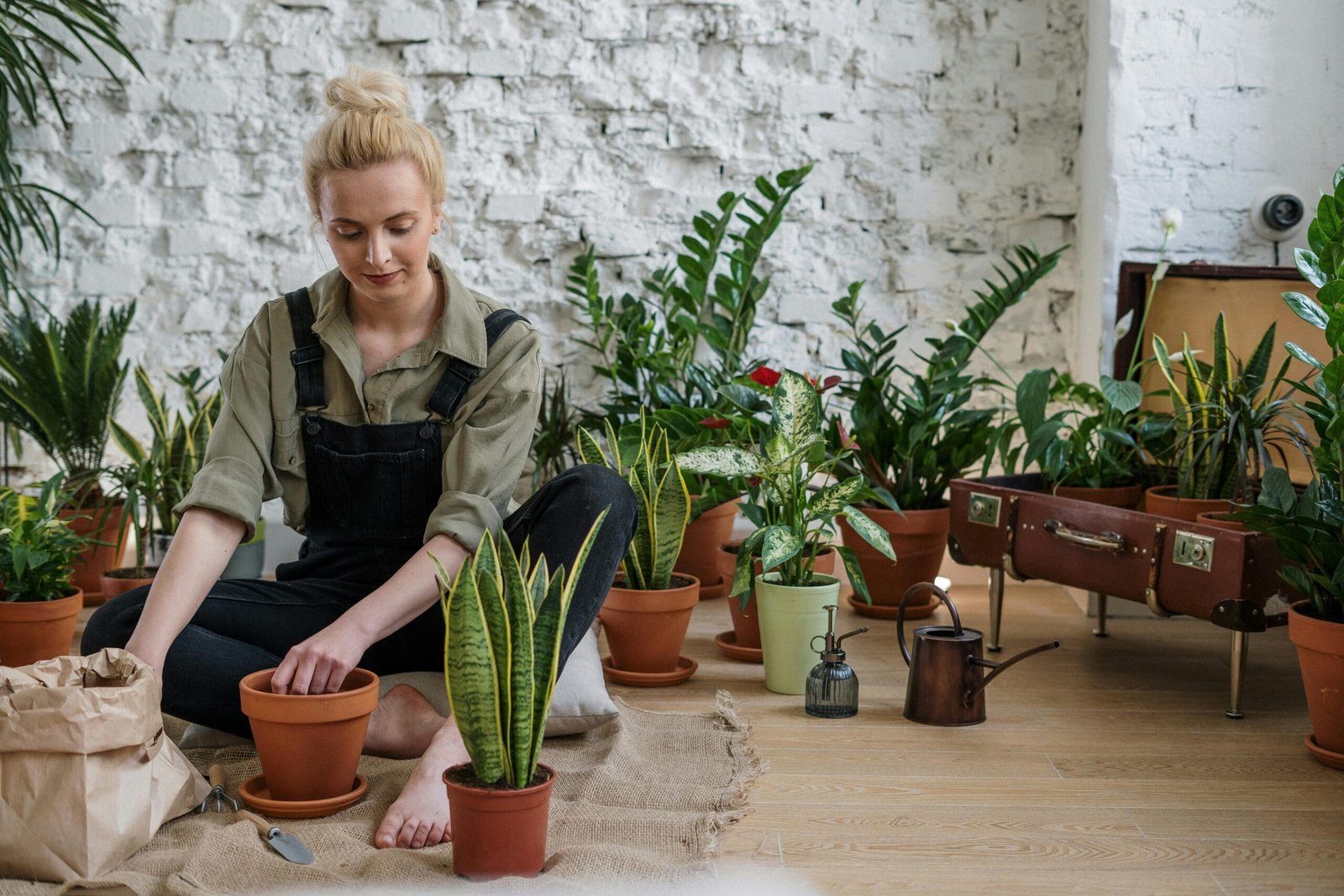
Indoor plant stands are a great way to display your beloved plants and organize them in your home. Whether you have a few small succulents or a collection of larger plants, a plant stand can help elevate your plants, add a touch of style to your space, and provide better light exposure. Instead of buying a plant stand, why not create your own with some basic tools and materials?
In this step-by-step guide, we will show you how to build a simple yet stylish DIY indoor plant stand that fits your home’s aesthetic. This project is beginner-friendly and can be completed with minimal experience. Let’s get started!
1. Why Build Your Own Plant Stand?
While pre-made plant stands are available in stores, building your own offers several benefits:
A. Customization
When you build your own plant stand, you have complete control over the design. You can customize the size, shape, and style of the stand to fit your space perfectly. You can choose the material, color, and finish that complements your home décor, ensuring it blends seamlessly into your interior design.
B. Cost-Effective
DIY projects are often more affordable than buying pre-made furniture. With some basic materials and tools, you can create a plant stand that looks professional but doesn’t break the bank.
C. Personal Satisfaction
There’s something rewarding about creating something with your own hands. When you build your own plant stand, you get the satisfaction of completing a project that serves a functional purpose and adds beauty to your home.
D. Quality and Durability
DIY plant stands are built to last. With the right materials and techniques, you can create a sturdy and durable stand that will hold your plants securely for years.
2. Materials and Tools You’ll Need
Before you start building your plant stand, gather the following materials and tools:
Materials:
- Wood (1×4 or 2×2 wood boards): Depending on the size and design of your stand, you’ll need wood for the frame and shelves.
- Screws: Use screws that are appropriate for your wood thickness. Wood screws are ideal.
- Wood Glue: This will help reinforce the joints for extra stability.
- Sandpaper: To smooth out any rough edges on the wood.
- Paint or Stain: If you want to add color or a protective finish to your plant stand.
- Wood filler: To fill any holes or imperfections in the wood.
Tools:
- Measuring Tape: To measure your wood accurately and ensure the right dimensions.
- Saw: A miter saw or circular saw is best for cutting the wood to the desired lengths.
- Screwdriver or Drill: For driving screws into the wood.
- Wood Clamp: To hold pieces of wood together while gluing.
- Level: To ensure that your plant stand is balanced and not tilted.
- Paintbrush or Rag: For applying paint or stain.
3. Planning Your Plant Stand Design
The first step in building your plant stand is to decide on the design. Here are a few questions to consider:
A. Size and Dimensions
How many plants do you want to display? Do you have a mix of small and large plants, or do you only want to display a few? Make sure to measure your available space and determine how much room you have for your plant stand.
- Tip: If you plan to place the stand in a corner or against a wall, make sure to leave enough space for both the stand and your plants.
B. Style
Do you want a simple, minimalistic design, or something more elaborate with multiple tiers? You can choose from different styles, such as a single-tier stand, a multi-tier stand, or a corner shelf design.
- Tip: If you have modern décor, a sleek, geometric plant stand might work best. For a rustic look, consider using reclaimed wood or creating a stand with a distressed finish.
C. Stability
Consider the size of the plants you’ll be placing on the stand. For heavier plants, you’ll need a stand that can support the weight without tipping over. Make sure to reinforce the joints and ensure stability during construction.
4. Step-by-Step Guide to Building Your DIY Indoor Plant Stand
Now that you’ve planned your design and gathered the necessary materials and tools, it’s time to start building! Follow these easy steps to make your own indoor plant stand.
A. Step 1: Measure and Cut Your Wood
- Measure the length of the wood for your stand. If you’re using multiple tiers, measure how high you want each shelf and adjust accordingly. Mark the dimensions on your wood with a pencil.
- Cut the wood using a saw according to your measurements. Be sure to cut the boards carefully to avoid mistakes. If you’re using a saw, make sure to wear safety goggles and gloves for protection.
- Sand the edges of each piece of wood with sandpaper to remove any rough spots or splinters. This will ensure that your plant stand looks polished and smooth.
B. Step 2: Assemble the Base Frame
- Lay out the pieces for the base frame. You’ll need four vertical pieces (the legs) and two horizontal pieces (the bottom shelf supports).
- Attach the legs to the supports using screws or wood glue. For added stability, use wood clamps to hold the pieces in place while the glue dries. Make sure the frame is square, and use a level to ensure it’s even.
- Reinforce the corners with screws to ensure the frame is sturdy. If you’re building a tiered stand, the frame should be able to support the weight of the shelves and plants.
C. Step 3: Attach the Shelves
- Measure the shelf positions and mark the spots where the shelves will go. Make sure the shelves are evenly spaced.
- Attach the shelves to the frame using screws or wood glue. If you’re using wood glue, be sure to let it dry for the recommended time before applying any weight to the shelves.
- If you’re building a multi-tiered stand, repeat the process to add as many shelves as you need.
D. Step 4: Sand and Finish
- Sand the entire structure to ensure it’s smooth and free from rough edges or splinters. Pay special attention to the areas where the shelves meet the frame.
- Apply paint or stain if desired. Choose a finish that complements your home décor. You can use a paintbrush to apply the paint, or for a more rustic look, apply a rag to rub in the stain.
- Let the stand dry completely before moving on to the next step. Be sure to follow the drying instructions on the paint or stain product.
E. Step 5: Add Final Touches
- Attach any additional supports or brackets for extra stability if needed. This is especially important for taller stands or those that will hold heavy plants.
- Add felt pads to the bottom of the stand’s legs to prevent scratches on your floor and to ensure it’s stable.
5. Displaying Your Plants
Once your DIY plant stand is complete, it’s time to show off your plants! Here are a few tips for arranging them on your new stand:
A. Grouping Plants Together
Group plants with similar light and watering needs together. This will make it easier to care for them and create a cohesive look on your stand.
- Tip: Consider using plant trays or saucers to catch any excess water and protect the surface of the stand.
B. Mixing Heights
To create a dynamic display, mix plants of varying heights. Use taller plants on the top tiers and smaller plants on the lower shelves. You can also use decorative pots or planters to add more visual interest.
C. Rotate Your Plants
Rotate your plants regularly to ensure they grow evenly. Plants tend to lean toward light sources, so rotating them every few weeks will help them grow straight and healthy.
6. Troubleshooting and Tips for Success
While building your own plant stand is a relatively simple project, there are a few things to keep in mind to ensure success:
A. Stability
Make sure your stand is sturdy enough to support your plants. If you’re working with heavier pots or plants, consider reinforcing the stand with additional screws or supports.
B. Finish and Protection
To ensure your stand lasts for years, protect it from moisture by applying a water-resistant finish. This is especially important if you plan to water your plants frequently on the stand.
C. Safety
If you’re building a tall plant stand, ensure that it’s stable enough to prevent tipping. Keep it away from high-traffic areas where it could be bumped into.
Conclusion: Enjoy Your Custom DIY Plant Stand
Building your own DIY plant stand is a rewarding project that allows you to showcase your plants in style. By following the steps outlined in this guide, you can create a beautiful and functional piece of furniture that adds both style and organization to your indoor garden.
Whether you choose a simple design or something more intricate, your new plant stand will help your plants thrive while adding a personal touch to your home. Happy building and gardening!

Isabella Garcia is the creator of a blog dedicated to crafts and home care, focused on making everyday life more creative, organized, and enjoyable. The blog shares practical tips, easy DIY projects, home organization ideas, and simple solutions to take better care of your living space. Whether you’re a beginner in crafting or someone looking for inspiration to improve your home routine, Isabella’s blog offers clear, useful, and hands-on content to help you create a cozy, beautiful, and well-cared-for home.