
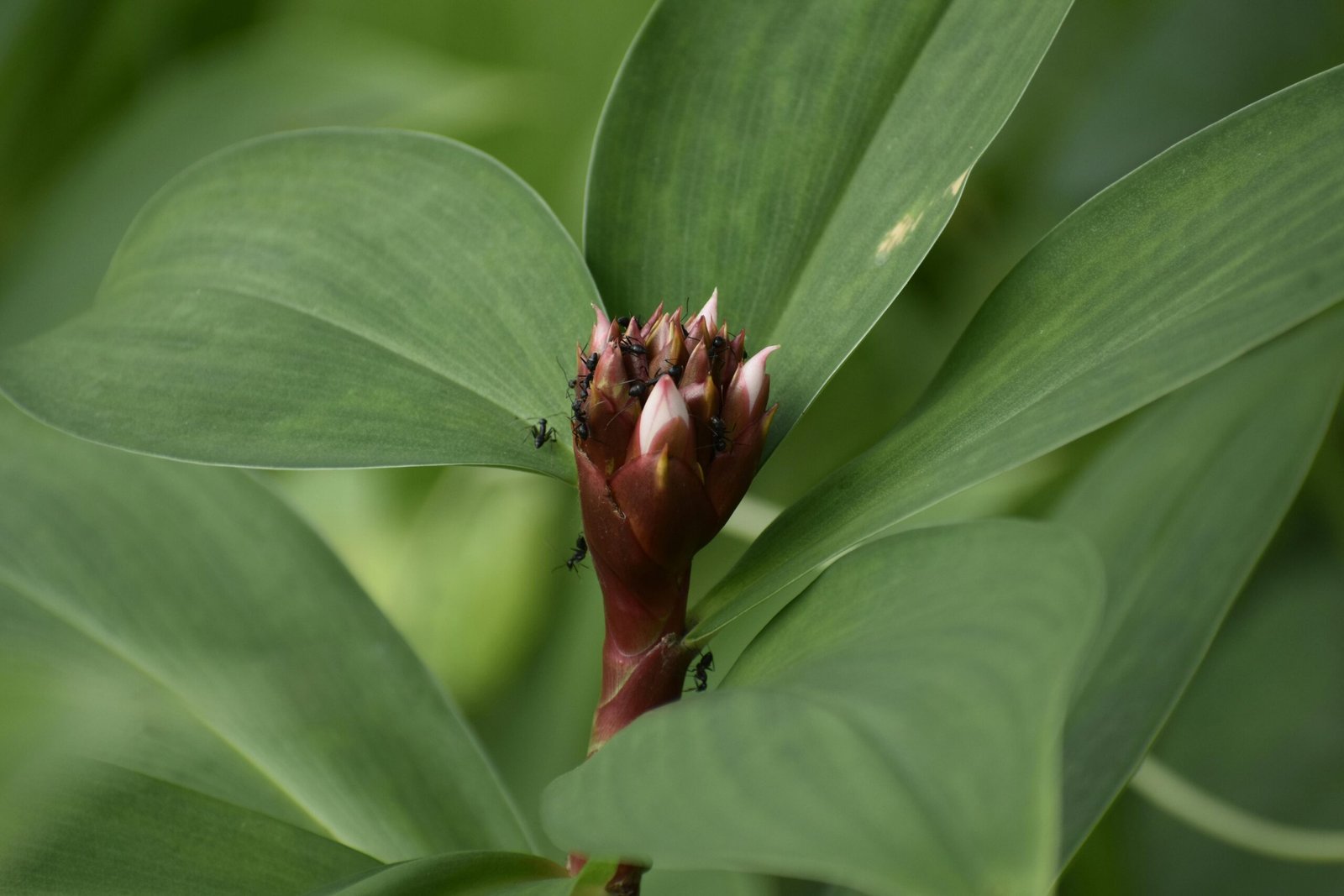
Indoor gardening is a wonderful way to bring nature into your home, but it can also contribute to a more sustainable lifestyle. Whether you’re an experienced gardener or a beginner, creating a sustainable indoor garden can reduce your carbon footprint, promote eco-friendly practices, and add a touch of green beauty to your living space.
In this guide, we’ll explore how to set up and maintain a sustainable indoor garden, focusing on eco-friendly plant care, water conservation, energy efficiency, and environmentally responsible practices. Whether you’re growing herbs on a windowsill or cultivating a lush collection of indoor plants, these tips will help you create an indoor garden that’s both beautiful and sustainable.
1. Why Create a Sustainable Indoor Garden?
Sustainability is all about minimizing the negative impact on the environment while promoting practices that help preserve natural resources. Indoor gardening can play a vital role in achieving this goal. Here are some reasons why you should consider making your indoor garden more sustainable:
A. Reduces Carbon Footprint
By growing your own plants indoors, you reduce the need for store-bought products that come with packaging and transportation costs. Many indoor plants also help purify the air, absorbing toxins and releasing oxygen, improving your home’s air quality.
B. Promotes Water Conservation
Indoor gardens, when managed properly, can help you conserve water compared to traditional outdoor gardening. By using techniques like rainwater collection or efficient watering methods, you can minimize water wastage and make the most of every drop.
C. Encourages Eco-Friendly Practices
Sustainable indoor gardening promotes practices that are good for both the environment and your health. By choosing organic gardening methods, reducing the use of harmful chemicals, and recycling materials, you contribute to a healthier planet.
D. Beautiful and Calming Environment
A sustainable indoor garden adds beauty and tranquility to your home. The presence of plants can reduce stress and increase feelings of well-being, making your space a more pleasant and calming place to live.
2. Choose Sustainable Plants for Your Indoor Garden
The first step in creating a sustainable indoor garden is choosing plants that are well-suited to your environment. Opting for native or low-maintenance plants reduces the need for excessive water, fertilizers, and pesticides. Here are some tips for selecting eco-friendly plants:
A. Native Plants
Native plants are adapted to the local climate, meaning they require less water and fertilizer to thrive. By choosing plants that are native to your region, you can help conserve water, improve local biodiversity, and reduce the need for chemical pesticides.
- Tip: Research plants native to your area or consider looking for regional plant nurseries that specialize in local species. Common native plants like ferns, succulents, or certain flowering plants make great indoor options.
B. Drought-Tolerant Plants
Drought-tolerant plants, also known as xerophytes, are perfect for sustainable indoor gardening. These plants are able to survive with minimal water, making them ideal for reducing water waste.
- Examples: Succulents like aloe vera, jade plants, and snake plants are excellent choices for an indoor garden that doesn’t require frequent watering.
C. Low-Maintenance Plants
Choosing low-maintenance plants reduces your need for chemical fertilizers, pesticides, and excessive water. These plants are hardy and adaptable, requiring minimal care to thrive indoors.
- Examples: Peace lilies, pothos, and spider plants are easy-to-care-for options that still add beauty and greenery to your indoor space.
3. Eco-Friendly Containers for Your Plants
Choosing the right containers is another key step in creating a sustainable indoor garden. Traditional plastic pots are harmful to the environment, as they are difficult to recycle and take a long time to decompose. There are, however, many eco-friendly alternatives available.
A. Recycled and Repurposed Containers
You can repurpose old containers such as glass jars, tin cans, or wooden crates to create sustainable plant pots. This not only gives a new life to materials that would otherwise go to waste but also adds a unique and personalized touch to your garden.
- Tip: Be sure to drill drainage holes in repurposed containers to prevent water from accumulating, which could cause root rot.
B. Biodegradable Pots
Biodegradable pots, made from materials like coconut coir, peat, or bamboo, are a more sustainable option than plastic. These pots decompose over time, reducing waste and leaving no trace behind when you no longer need them.
- Tip: Look for pots that are made from organic or compostable materials. These pots can be planted directly into the ground or composted, contributing to a closed-loop system.
C. Self-Watering Planters
Self-watering planters are a great way to conserve water and reduce the frequency of watering. These planters have a built-in reservoir that allows the plant to absorb water as needed, helping to reduce water waste and ensure your plants are consistently hydrated.
- Tip: Opt for self-watering pots made from sustainable materials, such as ceramic or bamboo, rather than plastic.
4. Sustainable Watering Practices
Watering is one of the most important aspects of plant care, and it’s also a significant area where you can save resources. Here are some sustainable watering practices to help you conserve water and reduce waste:
A. Use Rainwater
Rainwater is a natural and sustainable source of water for your indoor plants. By collecting rainwater, you can reduce your dependence on tap water, which is often treated with chemicals and requires energy to process.
- Tip: Set up a rainwater collection system by placing a container outside to capture rainfall. You can then use this water to irrigate your indoor garden.
B. Water Efficiently
When watering your plants, be mindful of how much water you’re using. Overwatering not only wastes water but can also harm your plants.
- Tip: Water your plants deeply but less frequently. This allows the roots to absorb water more effectively and helps prevent water runoff. Always make sure the pots have good drainage to avoid stagnant water.
C. Use a Watering Can with a Long Spout
A watering can with a long spout gives you more control over where the water goes, allowing you to water your plants more efficiently and reduce waste.
- Tip: Avoid using sprinklers or hoses indoors, as they tend to waste a lot of water. Instead, use a watering can or a drip irrigation system to ensure that the water goes directly to the roots.
5. Sustainable Fertilization and Soil Care
To maintain a healthy, thriving indoor garden, it’s important to provide your plants with the nutrients they need to grow. However, using synthetic fertilizers can be harmful to the environment. Here are some eco-friendly alternatives:
A. Organic Fertilizers
Organic fertilizers, made from natural materials like compost, seaweed, and bone meal, provide essential nutrients to your plants without the use of harmful chemicals.
- Tip: Use compost from your kitchen scraps or homemade organic fertilizer to feed your plants. You can also buy organic fertilizers at your local garden center.
B. Homemade Compost
Composting is a sustainable way to create nutrient-rich soil for your indoor garden. By composting food scraps like vegetable peels, coffee grounds, and eggshells, you can create a natural fertilizer for your plants while reducing waste.
- Tip: If you don’t have a yard for outdoor composting, you can create a small indoor composting system using a compost bin or even a vermiculture (worm) composting setup.
C. Use Sustainable Soil
Traditional potting soils often contain peat, which is harvested from bogs, leading to environmental degradation. Look for potting mixes made from sustainable ingredients, such as coconut coir, which is a renewable resource.
- Tip: Choose organic or peat-free soil blends, or create your own by mixing compost with materials like perlite or vermiculite.
6. Reducing Waste in Your Indoor Garden
A truly sustainable indoor garden doesn’t just focus on water and soil; it also involves minimizing waste and reusing materials.
A. Recycle Plastic and Glass
If you use plastic containers or glass jars for your plants, make sure to recycle them when you’re done with them. Alternatively, repurpose them for new plants or use them as decorative pieces.
- Tip: Look for plant pots made from recycled materials, or upcycle your own containers to reduce waste.
B. Reduce Packaging Waste
Many plant supplies come in plastic packaging, which contributes to landfill waste. Choose products that come in eco-friendly packaging, such as biodegradable bags or paper.
- Tip: Buy plants and gardening supplies in bulk or from local nurseries to reduce packaging waste. You can also repot plants from their plastic containers into more sustainable pots.
7. Maintaining Your Sustainable Indoor Garden
Once your sustainable indoor garden is set up, it’s important to maintain it properly to ensure that it remains healthy and eco-friendly.
A. Regular Cleaning
To keep your plants healthy, clean the leaves regularly to remove dust, debris, and pests. This will ensure that they receive adequate sunlight and remain free from harmful insects.
- Tip: Use a damp cloth or soft brush to wipe down the leaves. For larger plants, you can use a gentle stream of water to rinse the leaves.
B. Monitor Plant Health
Check your plants regularly for signs of disease or pest infestations. By catching problems early, you can treat them without the use of harmful chemicals.
- Tip: If pests appear, use natural pest control methods, such as neem oil or a mixture of water and dish soap, to safely eliminate them.
8. Conclusion: Enjoy Your Sustainable Indoor Garden
Creating a sustainable indoor garden is not only an environmentally responsible choice, but it also allows you to enjoy the beauty and benefits of plants in your home. By choosing the right plants, containers, and sustainable care practices, you can create a thriving indoor garden that supports both your well-being and the health of the planet.
Whether you’re a beginner or an experienced gardener, making your indoor garden more eco-friendly is a rewarding and meaningful way to live sustainably. Happy gardening!

Isabella Garcia is the creator of a blog dedicated to crafts and home care, focused on making everyday life more creative, organized, and enjoyable. The blog shares practical tips, easy DIY projects, home organization ideas, and simple solutions to take better care of your living space. Whether you’re a beginner in crafting or someone looking for inspiration to improve your home routine, Isabella’s blog offers clear, useful, and hands-on content to help you create a cozy, beautiful, and well-cared-for home.