
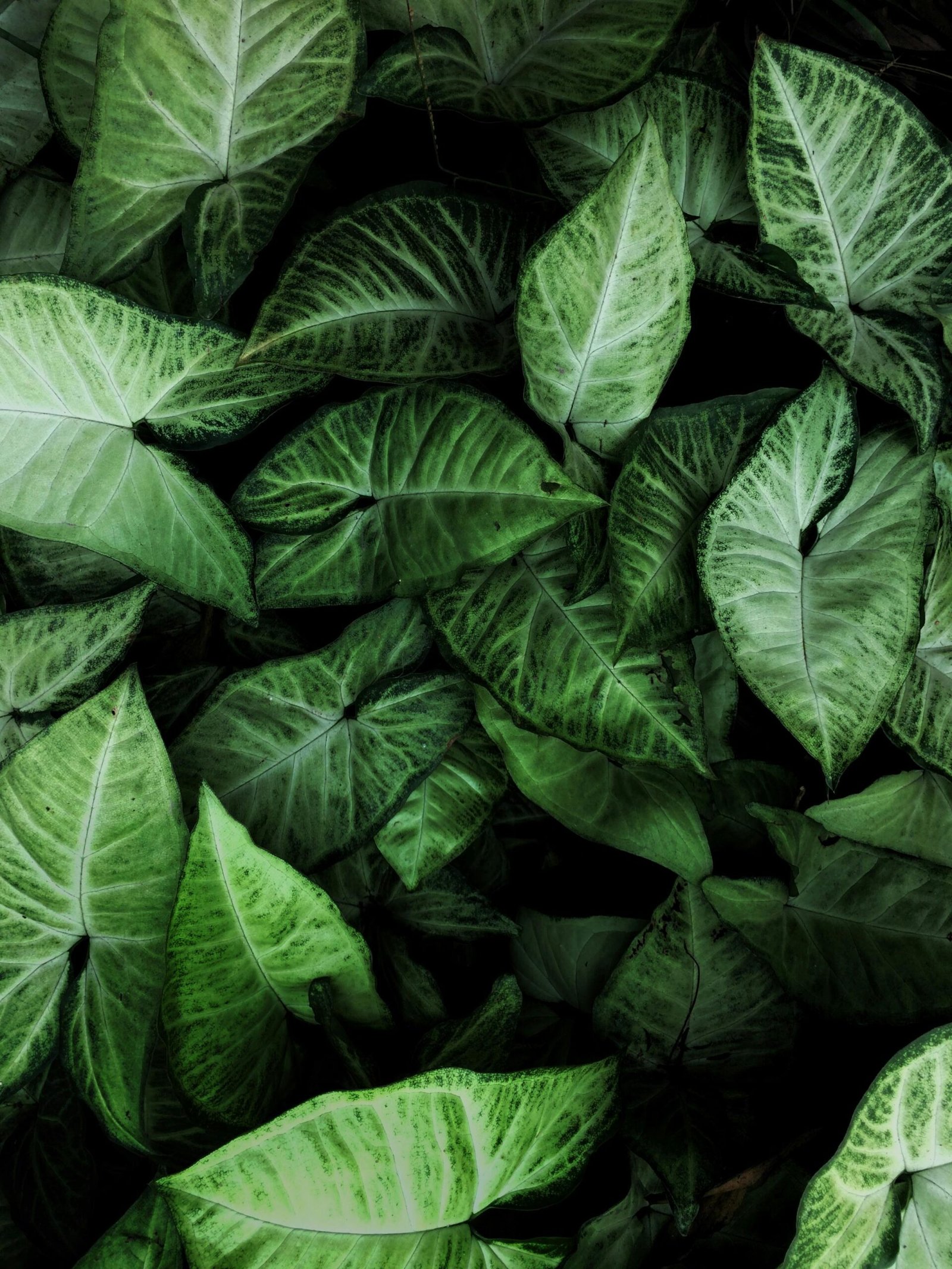
Indoor tropical plants bring a sense of exotic beauty and lushness to any space. Their large, vibrant leaves, vibrant flowers, and unique shapes can transform an ordinary room into a green paradise. While tropical plants often evoke images of tropical rainforests, they can thrive indoors with the right care and attention. Growing indoor tropical plants allows you to create a tranquil and inviting atmosphere while benefiting from their air-purifying qualities.
In this guide, we’ll walk you through everything you need to know to successfully grow and care for indoor tropical plants. Whether you’re new to plant care or have some experience, these tips will help you create a thriving indoor tropical garden.
1. Why Choose Indoor Tropical Plants?
Tropical plants are perfect for indoor environments because they often thrive in the humidity and temperatures that many homes provide. There are many benefits to growing tropical plants indoors, including:
A. Aesthetic Appeal
Tropical plants are visually stunning and come in a wide variety of shapes, colors, and textures. From large, glossy leaves to striking flowers, tropical plants can become the focal point of any room. They bring a sense of lushness and vibrancy to spaces, instantly enhancing their aesthetic appeal.
B. Air Purification
Like many indoor plants, tropical plants help purify the air by absorbing carbon dioxide and releasing oxygen. They also filter out harmful chemicals such as formaldehyde and benzene. This makes them a healthy addition to your indoor environment, contributing to cleaner and fresher air.
C. Stress Reduction and Relaxation
Studies have shown that indoor plants, including tropical varieties, can help reduce stress and promote relaxation. The greenery and natural beauty of tropical plants create a calming atmosphere, which can improve your overall well-being and mental health.
D. Low-Maintenance
Many tropical plants are relatively low-maintenance once you establish the right care routine. With their ability to adapt to indoor environments, tropical plants can thrive with minimal attention, making them great options for beginner gardeners.
2. Choosing the Right Tropical Plants for Your Home
When selecting tropical plants for your indoor garden, it’s important to choose varieties that will thrive in your home’s specific conditions. Not all tropical plants are created equal—some prefer higher humidity, while others can tolerate drier conditions. Here are some popular tropical plants that do well indoors:
A. Monstera Deliciosa (Swiss Cheese Plant)
The Monstera is a popular indoor tropical plant known for its large, fenestrated leaves. It is easy to care for and can adapt to various indoor conditions.
- Light Needs: Bright, indirect light.
- Watering: Water when the top 1-2 inches of soil are dry.
- Humidity: Prefers moderate humidity but can tolerate drier air.
- Size: Can grow up to 6-8 feet indoors.
B. Fiddle-Leaf Fig (Ficus lyrata)
The Fiddle-Leaf Fig is a stunning plant with large, glossy leaves. It’s often used as a statement plant in modern and minimalist interiors.
- Light Needs: Bright, indirect light. Direct sunlight can scorch its leaves.
- Watering: Water when the top inch of soil feels dry.
- Humidity: High humidity is ideal but can tolerate average indoor conditions.
- Size: Can grow up to 6-10 feet indoors.
C. Snake Plant (Sansevieria trifasciata)
While the snake plant is not strictly a tropical plant, it is commonly included in tropical plant collections because of its easy care and striking appearance. It features upright, sword-like leaves and is known for its air-purifying abilities.
- Light Needs: Low to bright indirect light.
- Watering: Water sparingly. Allow the soil to dry completely between waterings.
- Humidity: Tolerates low humidity.
- Size: Grows up to 3-4 feet tall.
D. Bird of Paradise (Strelitzia reginae)
The Bird of Paradise plant is prized for its dramatic, bird-like flowers and large, paddle-shaped leaves. It adds a bold touch to any room.
- Light Needs: Bright, direct light.
- Watering: Water regularly but ensure the soil drains well.
- Humidity: Prefers high humidity but can tolerate average indoor levels.
- Size: Can grow up to 5-6 feet tall indoors.
E. Peace Lily (Spathiphyllum)
The Peace Lily is known for its graceful white blooms and ability to thrive in low light. It’s a versatile tropical plant that also helps purify the air.
- Light Needs: Low to bright indirect light.
- Watering: Water when the top inch of soil is dry.
- Humidity: Prefers higher humidity, but can adapt to standard indoor conditions.
- Size: Grows up to 3 feet tall.
F. Philodendron
Philodendrons come in many varieties, ranging from climbing vines to bushy shrubs. They are easy to care for and offer a variety of leaf shapes and sizes.
- Light Needs: Bright, indirect light.
- Watering: Water when the top 1-2 inches of soil feel dry.
- Humidity: Tolerates average indoor humidity but thrives in higher humidity.
- Size: Varies depending on variety, from small bushy plants to large climbing vines.
3. Setting Up the Ideal Environment for Tropical Plants
To ensure your tropical plants thrive indoors, it’s essential to create the right environment. Here are some important factors to consider:
A. Light Requirements
Tropical plants require bright, indirect light to grow successfully. Direct sunlight can scorch their delicate leaves, so it’s important to place them in a location where they can receive bright but filtered light.
- Tip: Place your tropical plants near east- or west-facing windows where they can get the morning or afternoon sun without direct exposure. If you don’t have enough natural light, consider using a grow light to supplement.
B. Temperature and Humidity
Tropical plants thrive in temperatures ranging from 65°F to 80°F (18°C to 27°C). They are sensitive to cold drafts, so avoid placing them near air conditioners or heaters. High humidity is also crucial for tropical plants, as it mimics their native environment.
- Tip: To raise humidity, use a humidifier or place a shallow tray of water near your plants. Grouping plants together can also help create a microclimate with higher humidity. If you live in a dry climate, you may need to use a humidifier regularly to keep the humidity levels up.
C. Choosing the Right Containers
The container you use for your tropical plant should provide enough space for the roots to grow and allow for proper drainage. Ensure that the pot has drainage holes to prevent water from accumulating and causing root rot.
- Tip: Choose pots that are 1-2 inches larger than the current pot, providing room for growth. Avoid overly large pots, as they can cause the soil to stay too wet, which can harm the roots.
4. Watering and Feeding Tropical Plants
Tropical plants require consistent watering and feeding to stay healthy and thrive. Here’s how to meet their specific needs:
A. Watering Your Tropical Plants
Tropical plants prefer moist soil but do not like to sit in water. Overwatering can lead to root rot, so it’s important to ensure the soil drains well and to avoid letting the plant sit in water for extended periods.
- How to Water: Water when the top 1-2 inches of soil feel dry. Always water thoroughly, ensuring that water drains from the bottom of the pot. Empty any excess water from the saucer to prevent root rot.
- Tip: Reduce watering during the winter months when the plant is not actively growing, but continue to check the soil’s moisture.
B. Fertilizing Your Tropical Plants
Tropical plants are heavy feeders, especially during the growing season. Use a balanced, water-soluble fertilizer to provide the nutrients your plants need.
- How to Fertilize: Fertilize your tropical plants once a month during the growing season (spring and summer). You can reduce the frequency of fertilizing during the dormant months (fall and winter).
- Tip: Use a diluted fertilizer solution to avoid overfeeding, which can damage the plant’s roots.
5. Pruning and Maintenance
Tropical plants generally do not need heavy pruning, but removing dead or yellowing leaves is essential to keeping them looking tidy and healthy.
A. Pruning Dead or Damaged Leaves
Pruning dead or damaged leaves encourages new growth and keeps your plant looking neat. Always use clean, sharp scissors or pruning shears to avoid damaging the plant.
- Tip: Remove any leaves that are yellow, brown, or damaged to prevent the plant from expending energy on unhealthy growth.
B. Repotting
Tropical plants grow quickly, and over time, they may outgrow their pots. Repotting is necessary every 1-2 years to refresh the soil, allow more space for the roots, and ensure the plant continues to thrive.
- Tip: When repotting, choose a pot that is 1-2 inches larger than the current one. Ensure that the new pot has drainage holes.
6. Troubleshooting Common Problems with Tropical Plants
Even with the best care, indoor tropical plants can encounter problems. Here are some common issues and how to address them:
A. Yellowing Leaves
Yellowing leaves can indicate a variety of problems, including overwatering, underwatering, or nutrient deficiencies.
- Solution: Check your watering routine and ensure that the plant is receiving the proper nutrients. If necessary, adjust your watering schedule and feed the plant with a balanced fertilizer.
B. Drooping Leaves
Drooping leaves are often a sign of underwatering, though they can also occur if the plant is exposed to inconsistent temperatures or humidity.
- Solution: Water your plant thoroughly and ensure it’s in a warm, stable environment. Increase humidity if the air is too dry.
C. Pests
Tropical plants can attract pests like aphids, mealybugs, and spider mites. Regularly check your plants for signs of pests.
- Solution: Treat the plant with neem oil or insecticidal soap to eliminate pests. Isolate infected plants to prevent pests from spreading to others.
7. Conclusion: Enjoying Your Indoor Tropical Plants
Growing indoor tropical plants can be a fun and rewarding experience. By providing the right conditions—adequate light, temperature, humidity, and care—you can enjoy the beauty of these exotic plants all year long. Whether you’re growing a majestic Bird of Paradise or a low-maintenance Snake Plant, your tropical plants will add a touch of nature and vibrancy to your home.
With a little effort and attention, your tropical indoor garden will thrive, creating a lush, green paradise right inside your home.

Isabella Garcia is the creator of a blog dedicated to crafts and home care, focused on making everyday life more creative, organized, and enjoyable. The blog shares practical tips, easy DIY projects, home organization ideas, and simple solutions to take better care of your living space. Whether you’re a beginner in crafting or someone looking for inspiration to improve your home routine, Isabella’s blog offers clear, useful, and hands-on content to help you create a cozy, beautiful, and well-cared-for home.