
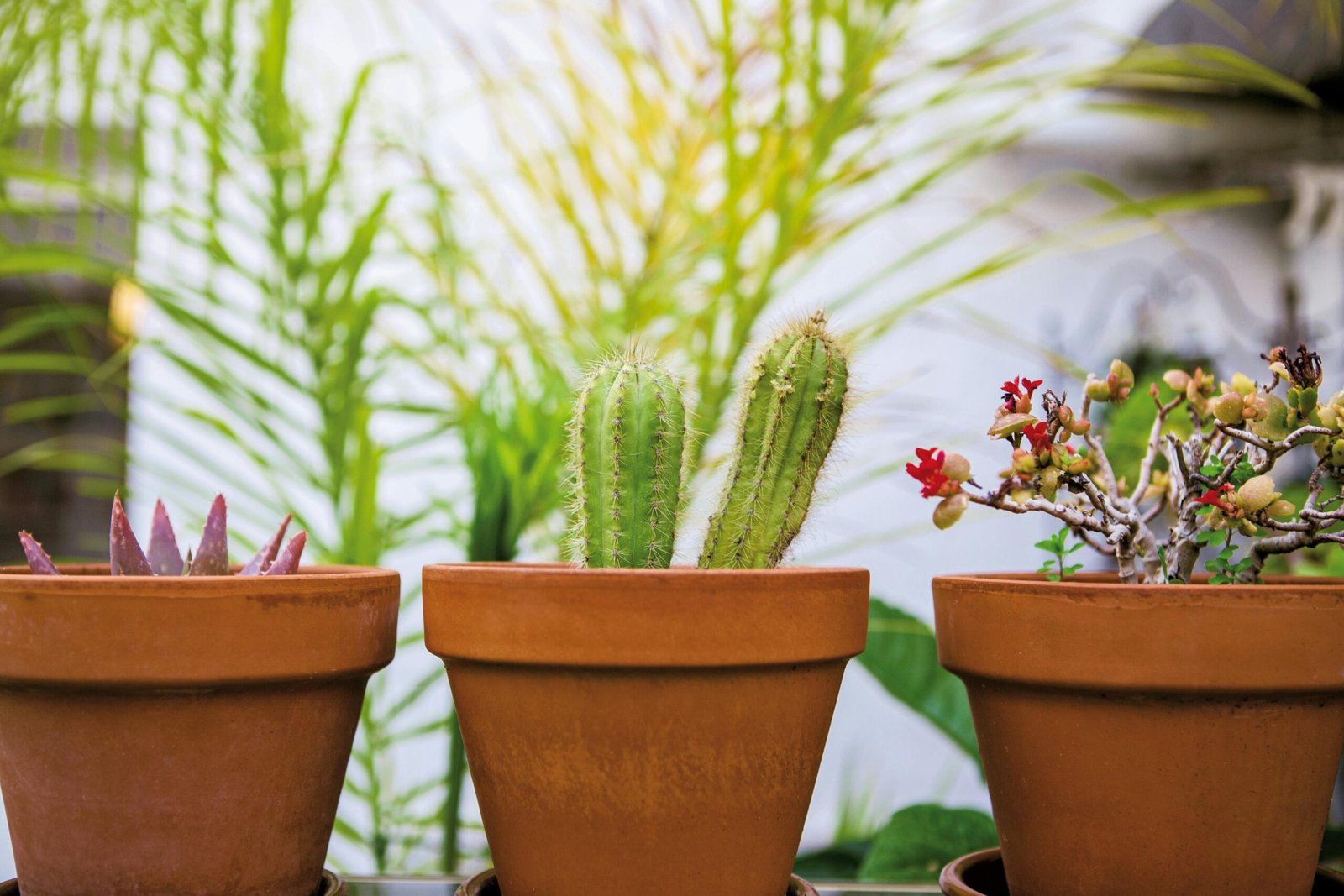
Living in a small space doesn’t mean you can’t enjoy the benefits of indoor gardening. Whether you live in a tiny apartment, a studio, or just have limited space for plants, it’s still possible to create a beautiful and thriving indoor garden. With a little creativity and the right approach, you can turn even the smallest rooms into green, vibrant spaces filled with plants.
In this guide, we’ll explore various strategies for growing indoor plants in small spaces. From choosing the right plants to using space-saving techniques, we’ll show you how to maximize your available room to create a lush, indoor garden no matter how small your living space is.
1. Why Grow Indoor Plants in Small Spaces?
Even if you don’t have a lot of room, indoor plants can have a significant impact on your living environment. Here are a few reasons why you should consider growing plants in a small space:
A. Aesthetic Appeal
Indoor plants bring a burst of color and life to your home, transforming your small space into a vibrant and calming environment. Whether you want to create a cozy nook or brighten up a dull corner, plants can add beauty and freshness to any room.
B. Air Purification
Plants act as natural air purifiers by absorbing carbon dioxide and releasing oxygen. Certain plants also filter out harmful chemicals like formaldehyde, benzene, and xylene, improving the air quality in your home. Growing plants indoors, even in small spaces, can contribute to a healthier living environment.
C. Mental Health Benefits
Indoor plants are known to reduce stress, enhance mood, and improve mental well-being. The act of caring for plants can be therapeutic, and simply being surrounded by greenery can create a sense of peace and relaxation in your space.
D. Sustainability
Growing your own plants can also help you live more sustainably. You can grow your own herbs for cooking, reduce your carbon footprint by growing local plants, and even reduce waste by composting plant scraps. Plus, growing plants indoors means you’ll be reducing the need for store-bought flowers and houseplants that come with plastic packaging.
2. Choosing the Right Plants for Small Spaces
When you have limited space, it’s important to choose plants that will thrive in your environment. Look for plants that are compact, easy to care for, and adaptable to indoor conditions. Here are some types of plants that do well in small spaces:
A. Compact Plants
Compact plants are great choices for small spaces because they don’t require much room to grow. They’re perfect for windowsills, shelves, or corners where space is limited.
- Succulents: Succulents like aloe vera, jade plants, and echeveria are perfect for small spaces because they have compact growth habits and require little maintenance.
- Cacti: Cacti are another excellent choice for small spaces. They come in various sizes, and many varieties can thrive in a small pot on a windowsill.
- Herbs: Herbs like basil, thyme, and parsley are ideal for small spaces. They can grow in small pots or containers and can be placed on a windowsill or countertop.
B. Trailing Plants
Trailing plants are versatile and can be used to add greenery to walls, shelves, or hanging planters. Their long vines cascade down, making them perfect for small spaces where you want to maximize vertical space.
- Pothos: Pothos is a low-maintenance trailing plant that’s great for small spaces. It can grow in a hanging basket or be trained to climb a trellis or wall.
- English Ivy: English ivy is another great trailing plant that thrives in small spaces. It can be placed in a hanging basket or allowed to trail down a shelf or pot.
- String of Pearls: This unique plant features string-like stems with round, bead-like leaves. It’s perfect for hanging containers and looks great in small spaces.
C. Small Indoor Trees
If you’re looking for something more substantial, small indoor trees can also be a good option. Choose varieties that are slow-growing and compact to ensure they won’t outgrow your space.
- Fiddle Leaf Fig: The fiddle leaf fig is a popular indoor tree with large, glossy leaves. It’s compact enough to grow in a small pot and works well in corners or near windows.
- Rubber Tree: The rubber tree is another small indoor tree that can thrive in small spaces. It has large, dark green leaves and can be grown in a container or pot.
- Snake Plant: While not technically a tree, the snake plant can grow tall and upright, making it a great option for small spaces where you want to add some height.
3. Space-Saving Strategies for Small Indoor Gardens
Maximizing your space is key when growing plants indoors in small spaces. Here are some strategies you can use to make the most of your available room:
A. Vertical Gardening
Vertical gardening is an excellent way to grow plants in small spaces. By growing plants upward instead of outward, you can save precious floor space while still creating a lush garden.
- Wall-Mounted Planters: Use wall-mounted planters or vertical garden systems to grow plants along your walls. You can find various types of planters that can be hung on the wall or mounted to create a vertical garden.
- Trellises: Install a trellis in a small corner or near a window, and allow climbing plants like peas, tomatoes, or ivy to grow up the trellis.
- Hanging Planters: Hanging plants from the ceiling or using macramé plant hangers is another way to add greenery to your space without taking up floor space.
B. Multi-Functional Furniture with Planters
When space is limited, it’s important to use furniture that doubles as plant holders. Many furniture pieces, such as tables, shelves, and even stairs, can be adapted to incorporate plants.
- Plant Stands: Invest in plant stands or tiered shelving units to display multiple plants in a small footprint. These stands allow you to grow several plants while using vertical space.
- Storage Planters: Look for planters that can also serve as storage. Some storage benches, tables, or ottomans come with built-in planters, allowing you to store items while growing plants.
- Planter-Integrated Furniture: Some furniture designs integrate planters directly into their structure. For example, a coffee table with built-in planters or a bookshelf with spaces for plants can add greenery to your space without taking up extra room.
C. Use Smaller Containers and Pots
When working with limited space, it’s essential to use appropriately sized containers. Smaller pots allow you to fit more plants into a compact area and can be arranged on shelves, windowsills, or countertops.
- Tip: Opt for containers that are lightweight and stackable to maximize space. You can use smaller containers for herbs, succulents, or flowers and arrange them creatively to fill empty spaces.
4. Caring for Your Indoor Plants in Small Spaces
Caring for indoor plants in small spaces requires attention to the unique challenges of limited room. Here are some care tips to keep your plants healthy and thriving:
A. Light Management
With limited space, you may need to be strategic about where you place your plants to ensure they get the right amount of light.
- Tip: Place your plants near windows where they will get natural light, but be mindful of direct sunlight, which can scorch some plants. If you don’t have enough natural light, supplement with grow lights.
- Light-Sensitive Plants: Some plants require more light than others. Keep high-light plants like succulents and herbs near the brightest windows and place low-light plants like pothos in shadier spots.
B. Regular Watering
In small spaces, it can be easy to forget about watering your plants, so it’s important to establish a regular watering routine.
- Tip: Use a moisture meter or check the soil by touching it to determine when it’s time to water. Avoid overwatering, as this can lead to root rot, especially in smaller pots.
- Watering Trays: Use water-catching trays under your pots to prevent spills and protect furniture. This is especially important if you’re using small containers on shelves or countertops.
C. Maintaining Proper Humidity
Humidity can be a challenge in small spaces, particularly if you live in a dry climate or have air conditioning or heating running frequently.
- Tip: Increase humidity around your plants by grouping them together, using a humidifier, or placing a shallow tray of water near the plants. Tropical plants in particular, such as ferns or orchids, may need higher humidity levels to thrive.
5. Troubleshooting Common Problems with Indoor Plants in Small Spaces
Even in small spaces, your plants can encounter problems. Here are some common issues and how to address them:
A. Yellowing Leaves
Yellowing leaves often indicate that your plant is either overwatered or not receiving enough light.
- Solution: Check your watering schedule to ensure that the plant isn’t sitting in water. Move the plant to a brighter spot or supplement with grow lights if it’s not getting enough light.
B. Leggy Growth
Leggy growth occurs when a plant doesn’t get enough light and stretches toward the light source, resulting in long, spindly stems.
- Solution: Move the plant to a location with better lighting or use grow lights to encourage healthy, compact growth.
C. Pests
Pests can still invade small spaces, especially if plants are grouped together in one area.
- Solution: Inspect your plants regularly for pests and treat infestations with organic methods like neem oil or insecticidal soap.
6. Conclusion: Creating a Green Oasis in Small Spaces
Growing plants in small spaces doesn’t have to be difficult. With the right plants, containers, and creative strategies, you can turn any tiny corner of your home into a lush, green paradise. From compact plants to space-saving techniques, there are endless possibilities for bringing the beauty of nature indoors, even in the smallest of spaces.
By selecting the right plants, optimizing your space, and maintaining proper care, you can create a vibrant indoor garden that enhances your living space and brings a touch of nature into your home. Happy gardening, and enjoy your indoor plant oasis!

Isabella Garcia is the creator of a blog dedicated to crafts and home care, focused on making everyday life more creative, organized, and enjoyable. The blog shares practical tips, easy DIY projects, home organization ideas, and simple solutions to take better care of your living space. Whether you’re a beginner in crafting or someone looking for inspiration to improve your home routine, Isabella’s blog offers clear, useful, and hands-on content to help you create a cozy, beautiful, and well-cared-for home.