
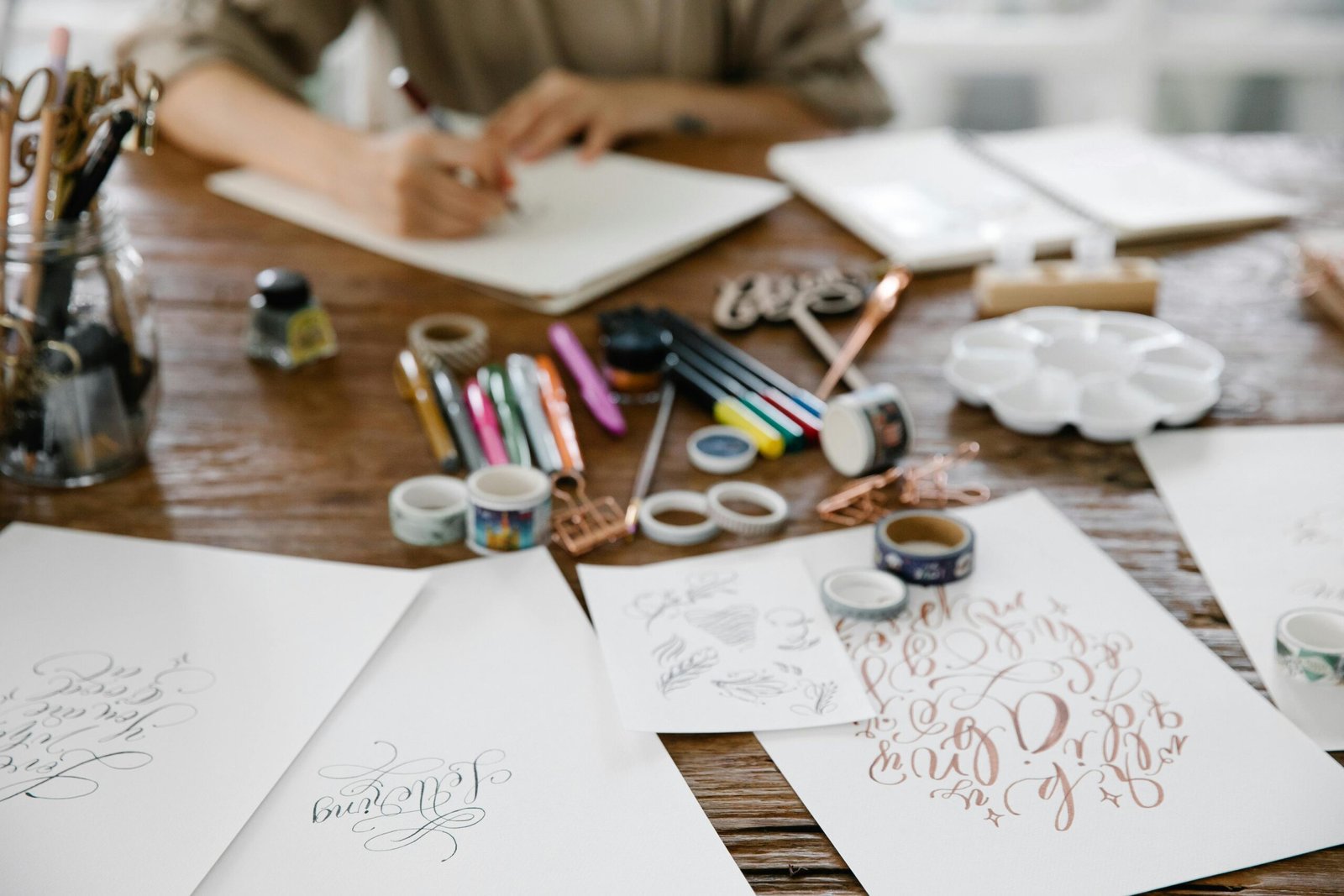
Rediscovering the Power of Storytelling Through Art
In an age dominated by digital media and fleeting social posts, scrapbooking offers something far more enduring: a tangible, personal, and emotional way to tell your story. It’s an art that blends creativity, memory preservation, and emotional expression—turning simple moments into meaningful masterpieces.
But scrapbooking is not just a nostalgic hobby. It’s a growing creative movement that attracts people of all ages. Whether you’re a busy parent wanting to preserve your child’s milestones, a traveler documenting adventures, or simply someone who loves working with their hands, scrapbooking gives you a creative voice.
In this deep-dive article, we’ll explore what scrapbooking truly is, why it continues to grow in popularity, how it benefits your well-being, and how you can start (or improve) your own scrapbook journey today.
The True Definition of Scrapbooking
Scrapbooking is the art of collecting and organizing memories into visually appealing, thematic pages—usually in a handmade album. It involves combining photographs with decorative elements such as patterned papers, stickers, ribbons, journaling, die-cuts, and more.
While scrapbooking is rooted in documentation, its magic lies in how personal and creative it becomes. Each scrapbook page tells a story—through words, colors, layouts, and textures.
At its core, scrapbooking is memory-keeping with artistic flair. Unlike traditional photo albums, scrapbooks often highlight the context, emotions, and moments behind the photo. It’s not just about “what happened,” but how it felt.
A Short History of Scrapbooking
Though modern scrapbooking has boomed in the past 30 years, its origins go back much further.
- 15th to 18th centuries: People created “commonplace books” where they collected poems, recipes, proverbs, or letters. These were early forms of personal documentation.
- 19th century: With the invention of photography, people started combining handwritten notes with photos in albums. Victorians popularized decorated albums with cutouts, drawings, and clippings.
- 1980s–1990s: Scrapbooking evolved into a full-blown craft industry, especially in the U.S., with brands offering specialty papers, tools, embellishments, and workshops.
- 2000s and beyond: The rise of digital scrapbooking added a modern twist. Now, both traditional and digital methods are widely practiced.
This evolution has turned scrapbooking into an accessible, expressive, and even therapeutic art form.
Why Do So Many People Love Scrapbooking?
Scrapbooking is more than paper and glue. Let’s break down why this craft continues to inspire millions across the globe:
1. Preserving Personal and Family History
Photographs alone capture visuals. But a scrapbook captures memories. The journaling beside a photo explains the mood, the people involved, the funny moment that happened just before the click. It becomes a historical record—not just for you, but for future generations.
Scrapbooks often become family heirlooms. They document childhoods, relationships, achievements, and even losses in heartfelt, human ways.
2. Creative Freedom and Self-Expression
There’s no single “right way” to scrapbook. You choose your color palettes, layouts, fonts, and textures. It’s a judgment-free space to create, explore, and express.
Some scrapbookers love minimalist styles with neutral tones and simple lines. Others prefer bold, layered, maximalist spreads. Every choice reflects your personality—and the story you want to tell.
3. Emotional and Mental Health Benefits
Many people use scrapbooking as a form of therapy. The process of selecting photos, arranging layouts, and reflecting on memories can reduce stress and anxiety.
Mental health professionals often recommend creative outlets to deal with grief, loneliness, or trauma. Scrapbooking allows for storytelling, release, and healing.
Moreover, the act of creating something beautiful provides a dopamine boost. It’s satisfying, fulfilling, and grounding.
4. Building a Connection With Others
Scrapbooking is a social activity too. There are local groups, online communities, YouTube channels, and live events where people share ideas, tips, and even supplies.
It’s common for scrapbookers to exchange layouts, participate in challenges, and send handmade albums as gifts. It’s an art that strengthens bonds.
5. Slowing Down in a Fast World
In a time where everything is instant and digital, scrapbooking invites you to slow down. You sit, you touch real materials, you think deeply about the memory you’re documenting. It’s grounding. It’s human.
Traditional Scrapbooking vs. Digital Scrapbooking
There are two main branches of scrapbooking today:
✂️ Traditional Scrapbooking:
- Made with physical materials.
- Involves cutting, gluing, layering, stamping, painting, and assembling.
- Offers a tactile experience—great for hands-on learners.
- Each page is a unique, irreplaceable work of art.
💻 Digital Scrapbooking:
- Uses design software or mobile apps to create layouts.
- Fast, portable, and highly customizable.
- Easy to store, duplicate, and print.
- A good option for those with limited physical space or mobility issues.
Hybrid scrapbooking (a mix of both) is also popular. For example, you might design a layout digitally and then print it for your traditional album.
Styles of Scrapbooking: Finding Your Creative Voice
Every scrapbooker develops their own style over time. Some popular ones include:
- Clean and Simple (C&S): Focus on clean lines, minimal clutter, lots of white space.
- Vintage: Aged papers, sepia tones, old photos, nostalgic vibes.
- Shabby Chic: Feminine, floral, soft colors, often includes lace or fabric.
- Mixed Media: Combines paints, stencils, textures, collage, and 3D effects.
- Boho or Eclectic: Free-spirited designs, unusual materials, bold contrasts.
- Interactive Pages: Include pockets, flaps, and hidden journaling.
You don’t need to fit into just one style—your scrapbook is your playground.
Core Supplies Every Scrapbooker Needs
If you’re just getting started, don’t feel pressured to buy everything at once. Start with these basics:
Essentials:
- Scrapbook album or binder
- Acid-free cardstock and patterned paper
- Adhesives (double-sided tape, glue sticks, tape runners)
- Scissors and paper trimmer
- Journaling pens
- Printed photos
Optional (but fun) extras:
- Die cuts
- Washi tape
- Embellishments (buttons, ribbons, sequins)
- Stamps and ink pads
- Punches and cutting tools
- Stickers and alphas
- Heat embossing tools
- Acrylic paints or watercolor
Tip: Always look for acid-free and lignin-free products to ensure long-term preservation of your pages and photos.
How to Start Your First Scrapbook Project
- Pick a theme
Start small. Choose a topic: a weekend trip, a birthday party, a baby’s first smile. The more focused the theme, the easier it is to select photos and decorations. - Select and print photos
Choose high-quality prints in different sizes. Don’t overcrowd a page—less is often more. - Choose a layout style
Will you follow a grid? A centered design? Use overlapping elements? You can sketch it beforehand or follow layout templates available online. - Gather your supplies
Stick to a cohesive color palette to maintain harmony across your pages. - Add journaling
Include captions, quotes, or little stories to explain the context or emotions. - Decorate and embellish
Let your creativity flow. Just be careful not to add too many elements that distract from the photo or story. - Protect and store
Use plastic page protectors and store your albums in a dry, cool place.
Mistakes to Avoid as a Beginner
- Don’t buy every tool right away—build your collection over time.
- Don’t glue everything without planning—layout first, stick later.
- Avoid overcrowding your page—leave some breathing room.
- Don’t ignore journaling—it’s what gives depth to the visuals.
Popular Scrapbooking Themes and Ideas
- Travel adventures
- Baby’s first year
- Weddings and anniversaries
- Graduation memories
- Holiday traditions
- Pet milestones
- Family genealogy
- Self-love or mental health journeys
- Hobbies and personal growth
- Monthly recaps or seasonal spreads
The Long-Term Value of Scrapbooking
Scrapbooks are gifts you give to your future self—and to others. They hold laughter, tears, transitions, growth. They become archives of your life, filled with textures, colors, and the pulse of real moments.
In a time when photos disappear into digital black holes, scrapbooks give your memories a place to live. And more than that, they give you a way to revisit and reflect.
Final Thoughts: An Art Form That Connects, Heals, and Inspires
Scrapbooking is a deeply personal art. It encourages you to slow down, connect with your emotions, and express your perspective visually. You don’t need to be an artist or a writer. You only need to have lived—and be willing to share what that felt like.
For beginners, the key is to start simple and focus on the story. With practice, your skills grow, and so does your confidence. But even your earliest pages have immense value—because they are real, honest, and uniquely yours.
Whether you’re looking to relax, create, or remember, scrapbooking offers you a meaningful path. So why not start today?
Grab some photos, choose a theme, and begin writing your story—one beautiful page at a time.

Isabella Garcia is the creator of a blog dedicated to crafts and home care, focused on making everyday life more creative, organized, and enjoyable. The blog shares practical tips, easy DIY projects, home organization ideas, and simple solutions to take better care of your living space. Whether you’re a beginner in crafting or someone looking for inspiration to improve your home routine, Isabella’s blog offers clear, useful, and hands-on content to help you create a cozy, beautiful, and well-cared-for home.