
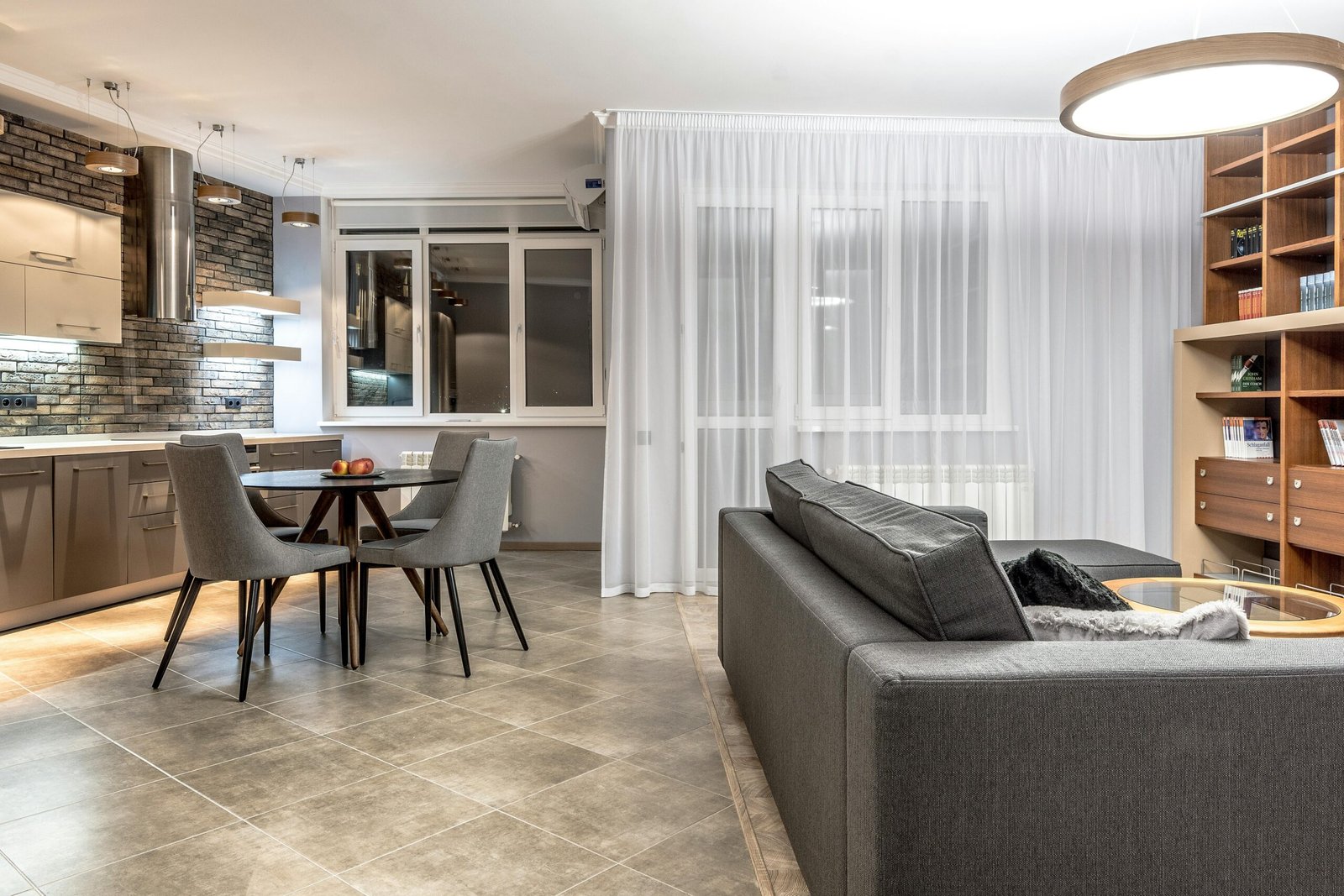
If you’ve ever saved dozens of home photos online but still felt unsure how to decorate your own space, you’re not alone. Many people don’t struggle because they lack taste—they struggle because they don’t have a clear style direction. Without that direction, it’s easy to buy random items that look great individually but don’t look right together.
The goal of this guide is simple: help you identify your decorating style (or your best style blend) and then show you how to apply it in real life—using your layout, colors, materials, and shopping choices in a consistent way. You don’t need to label yourself as “only modern” or “only boho.” Most beautiful homes are blends. What matters is that your choices feel intentional and cohesive.
By the end, you’ll be able to:
- recognize the most common interior styles,
- figure out which ones you’re naturally drawn to,
- create a clear “style recipe” you can repeat,
- and decorate your home without guessing every time you shop.
Why style clarity makes decorating easier (and cheaper)
When you know your style, you:
- stop buying “almost right” items,
- avoid impulse purchases that don’t fit,
- build a home that looks cohesive over time,
- and make faster decisions about color, furniture, and decor.
Style clarity is basically a budget tool. It prevents waste.
Step 1: Understand what “decorating style” really means
A decorating style is not a strict rulebook. It’s a pattern of choices:
- shapes (curvy vs. straight lines),
- materials (wood, metal, natural fibers),
- color mood (neutral, bold, soft),
- texture level (minimal vs. layered),
- and how “collected” or “clean” the space feels.
It’s less about copying a trend and more about repeating a few consistent signals.
A helpful way to think about it:
- Furniture shapes set the base style.
- Color palette sets the mood.
- Materials and textures create depth and personality.
- Decor and art give the home its signature.
Step 2: The “3-word method” to find your style direction
Before diving into style names, choose 3 words that describe how you want your home to feel. This keeps you from picking a style that looks good online but doesn’t match your real life.
Examples:
- calm, warm, natural
- modern, clean, cozy
- bright, playful, creative
- classic, elegant, timeless
- bold, dramatic, artistic
- relaxed, textured, welcoming
Now keep those words in mind as you explore styles. The right style will support those words naturally.
Step 3: Learn the core styles (and how to spot them fast)
Below are the most common interior design styles you’ll see in homes and inspiration photos. For each, you’ll learn the key traits and how to apply them without turning your home into a theme.
1) Modern
How it feels: clean, structured, uncluttered, intentional
Key traits:
- simple silhouettes
- minimal ornamentation
- neutral palettes with contrast (white/black/gray)
- smooth surfaces (glass, metal, polished wood)
- fewer decor items, more negative space
How to apply modern at home:
- choose furniture with straight lines and slim legs
- keep your palette tight (2–3 main tones)
- use black accents for structure (frames, lamp bases, hardware)
- focus on quality over quantity: fewer decor items
Avoid: making it feel cold. Add warmth with texture (a wool rug, linen curtains, a cozy throw).
2) Contemporary
How it feels: current, flexible, “today”
Contemporary is often confused with modern. Modern is a specific design era vibe; contemporary is what’s popular now and tends to evolve.
Key traits:
- simple forms, but often softer than modern
- mix of materials
- warm neutrals are common
- statement lighting
- balanced, not extreme
How to apply it:
- mix one or two trend-forward pieces (a curved chair, a bold lamp)
- keep the base neutral and timeless
- add a few organic shapes (round mirror, curved sofa arms)
Avoid: chasing too many trends at once. Contemporary should still feel calm.
3) Minimalist
How it feels: peaceful, edited, airy
Key traits:
- very few items visible
- strong focus on function
- neutral palette
- clean surfaces
- hidden storage
How to apply it:
- invest in storage so counters and surfaces stay clear
- choose furniture with clean lines
- use texture instead of lots of color (linen, wool, matte ceramic)
Avoid: sterile emptiness. Minimalist can still be warm if you use natural materials.
4) Scandinavian
How it feels: light, cozy, functional, calm
Key traits:
- light neutrals and soft grays
- light wood tones (oak, birch)
- simple shapes
- cozy textiles (throws, rugs)
- practical, lived-in comfort
How to apply it:
- choose a light neutral base and light wood furniture
- add soft layers: knit throws, textured pillows
- use warm lighting (lamps, not just overhead)
- keep decor simple and meaningful
Avoid: too many cold grays. Scandinavian works best with warmth and softness.
5) Japandi (Japanese + Scandinavian blend)
How it feels: calm, grounded, minimal but warm
Key traits:
- minimalist shapes
- natural wood tones
- earthy, muted colors
- low-profile furniture
- emphasis on craftsmanship and calm
How to apply it:
- choose warm neutrals and muted earth tones
- pick fewer, higher-impact items
- use natural textures (wood, linen, ceramics)
- keep decor minimal and sculptural
Avoid: clutter. Japandi depends on space and simplicity.
6) Mid-Century Modern
How it feels: retro, warm, stylish, structured
Key traits:
- tapered legs
- warm wood tones (walnut, teak)
- clean lines with playful shapes
- graphic patterns
- classic iconic silhouettes
How to apply it:
- choose one or two mid-century furniture pieces (coffee table, sideboard)
- pair with warm neutrals and simple modern accents
- use a few bold pattern moments (rug or pillows)
Avoid: turning it into a retro museum. Balance with modern simplicity.
7) Traditional
How it feels: classic, elegant, timeless
Key traits:
- symmetrical layouts
- classic shapes (rolled arms, detailed woodwork)
- layered textiles
- richer color palettes
- framed art and classic patterns
How to apply it:
- use classic furniture shapes in neutral upholstery
- add layered curtains and textured rugs
- keep the room balanced (pairs of lamps, matching chairs)
Avoid: overly heavy or dark rooms. Traditional can be light and fresh with modern neutrals.
8) Transitional (Traditional + Modern)
How it feels: timeless, balanced, updated classic
Key traits:
- classic shapes but simplified
- neutral palette
- mix of old and new
- comfort-forward but clean
How to apply it:
- pair a classic sofa with modern lighting
- use neutral walls, textured fabrics, and clean-lined tables
- keep decor restrained and polished
Avoid: going too far in one direction. Transitional is all about balance.
9) Farmhouse (Modern Farmhouse included)
How it feels: cozy, lived-in, welcoming
Key traits:
- warm neutrals, whites, and natural wood
- rustic textures
- simple, homey shapes
- vintage-inspired details (in moderation)
How to apply it:
- mix warm wood tones with soft whites
- add texture with woven baskets and linen textiles
- keep it clean and edited if you want a modern farmhouse look
Avoid: overdoing signs, slogans, and themed decor. Focus on materials, not clichés.
10) Industrial
How it feels: urban, raw, bold
Key traits:
- black metal, exposed hardware
- wood + metal combos
- concrete or brick vibes (real or inspired)
- minimal, functional furniture
How to apply it:
- use black metal accents (frames, shelves)
- choose darker wood tones or distressed finishes
- add leather or structured textiles
- keep decor minimal and graphic
Avoid: making it cold. Add warmth with rugs, lamps, and soft textiles.
11) Boho (Bohemian)
How it feels: relaxed, layered, creative
Key traits:
- lots of texture: woven, macramé, rattan
- eclectic mix of patterns
- warm earthy colors
- collected objects and personal touches
How to apply it:
- choose one consistent palette so the layering doesn’t feel chaotic
- mix textures instead of adding endless colors
- use plants and natural fibers for warmth
Avoid: clutter overload. Boho looks best when it’s layered but still edited.
12) Coastal (and “Modern Coastal”)
How it feels: fresh, airy, relaxed
Key traits:
- light neutrals
- soft blues and sandy tones
- natural textures (jute, linen)
- bright, open feeling
How to apply it:
- use a neutral base with blue accents
- add natural fibers (woven baskets, jute rugs)
- keep the room light and uncluttered
Avoid: overly literal beach decor. Skip seashell overload. Keep it subtle.
13) Glam
How it feels: polished, luxe, dramatic
Key traits:
- shiny finishes (brass, gold, mirrored surfaces)
- velvet and plush textures
- bold contrast
- statement lighting
How to apply it:
- choose one glam “spark” (a chandelier, a velvet chair)
- pair with a neutral base so it doesn’t feel too heavy
- use metallics as accents
Avoid: too many reflective pieces. Glam works best with balance.
Step 4: Identify your style using your “saved photos” (even if you have many)
If you have inspiration images saved, you can quickly spot patterns.
Look at 10–15 images you love and ask:
- Do most rooms have light or dark palettes?
- Do they look minimal or layered?
- Are shapes curved or straight?
- Do you see more wood, metal, or natural fibers?
- Is the vibe more modern or more classic?
Most people discover they love a blend like:
- modern + warm natural textures (modern organic)
- Scandinavian + boho (cozy and textured)
- traditional + modern (transitional)
- industrial + modern (urban loft vibe)
The “style recipe” you want
Create a simple blend like:
- Base style: the main structure (modern, Scandinavian, transitional)
- Accent style: the personality layer (boho, industrial, glam)
- Signature material: the repeated element (oak wood, black metal, brass)
Example:
- Base: Scandinavian
- Accent: Boho
- Signature: light wood + natural fibers
This recipe will guide your shopping.
Step 5: Apply your style with the 5 building blocks
No matter your style, you’ll apply it through the same five areas.
1) Layout
- Modern and minimalist layouts tend to be open and clean.
- Traditional layouts tend to be symmetrical and conversation-focused.
- Boho layouts tend to be relaxed with layered seating.
2) Color palette
- Modern: neutrals + contrast
- Scandinavian: light neutrals + soft muted tones
- Traditional: richer, deeper tones (or updated neutrals in transitional)
- Boho: warm earth tones and layered color
3) Materials
Pick materials that match your style:
- Scandinavian/Japandi: light wood, linen, ceramic
- Industrial: black metal, dark wood, leather
- Glam: brass, velvet, glass
- Farmhouse: warm wood, soft whites, woven textures
4) Furniture shapes
- Modern: straight, clean lines
- Mid-century: tapered legs, simple shapes
- Traditional: curves, classic profiles
- Boho: relaxed silhouettes, woven pieces
5) Decor and styling
- Minimalist: fewer items, strong impact
- Traditional: layered accessories, classic art
- Boho: curated “collected” decor with texture
- Contemporary: clean styling with a few statement pieces
Step 6: Shopping rules that prevent style confusion
This is where most people get stuck. They know what they like, but they buy inconsistent items.
Use these shopping rules:
Rule 1: Don’t mix more than 2–3 style signals in one room
Example: industrial + farmhouse + glam + boho can quickly become chaotic. Pick a base style and one accent style.
Rule 2: Repeat at least one material
If you use black metal in a lamp, repeat black metal in a frame or shelf bracket. Repetition makes it feel planned.
Rule 3: Keep your palette consistent
Your style can be eclectic, but your palette should still connect pieces.
Rule 4: Buy the “big anchors” first
Sofa, rug, curtains, bed—these establish the style. Decor comes last.
Rule 5: Avoid themed decor
A home looks higher-end when it’s styled with materials and shapes, not literal themed items.
Step 7: Make your style feel personal (not like a catalog)
A home becomes special when it has:
- meaningful art or photos,
- objects from travel or family,
- books you actually read,
- textures and colors that reflect your personality.
Even minimalist homes can be personal. Even modern homes can feel warm. The key is editing and intentional placement.
Try this:
- choose one or two meaningful items per shelf,
- keep the rest calm,
- and let those items stand out.
A quick quiz (that doesn’t feel cheesy)
Answer quickly—don’t overthink.
- Do you prefer clean lines or cozy layers?
- Do you like bright airy rooms or moody dramatic rooms?
- Do you prefer warm wood tones or cooler sleek finishes?
- Do you love symmetry and classic shapes, or relaxed and collected vibes?
- Do you want your home to feel calm, bold, playful, or elegant?
Your answers will push you toward a base style:
- clean + airy + calm → Scandinavian / minimalist / Japandi
- clean + bold + contrast → modern / contemporary
- classic + balanced + comfortable → transitional / traditional
- layered + warm + creative → boho / eclectic
- raw + structured + bold → industrial
Then you can choose an accent style that adds personality.
Your next step: create a one-page “style guide” for your home
If you want decorating to become easier overnight, write this in your notes app:
- My 3 vibe words: ____ / ____ / ____
- Base style: ____
- Accent style: ____
- Base neutral: ____
- Secondary color: ____
- Accent color: ____
- Main wood tone: ____
- Metal finish: ____
- Texture direction: (linen? wool? woven?) ____
With that, you’ll stop guessing. Every purchase will either fit the guide—or it won’t.
The biggest win: consistency beats perfection
You don’t need a perfect designer home. You need a home that feels cohesive and supports your life. Once you know your style recipe, decorating becomes a series of small confident choices instead of one huge stressful project.
Your style is the pattern you repeat. Find the pattern, commit to it, and your home will naturally look more “put together” over time—without you needing to start over every few months.

Isabella Garcia is the creator of a blog dedicated to crafts and home care, focused on making everyday life more creative, organized, and enjoyable. The blog shares practical tips, easy DIY projects, home organization ideas, and simple solutions to take better care of your living space. Whether you’re a beginner in crafting or someone looking for inspiration to improve your home routine, Isabella’s blog offers clear, useful, and hands-on content to help you create a cozy, beautiful, and well-cared-for home.