
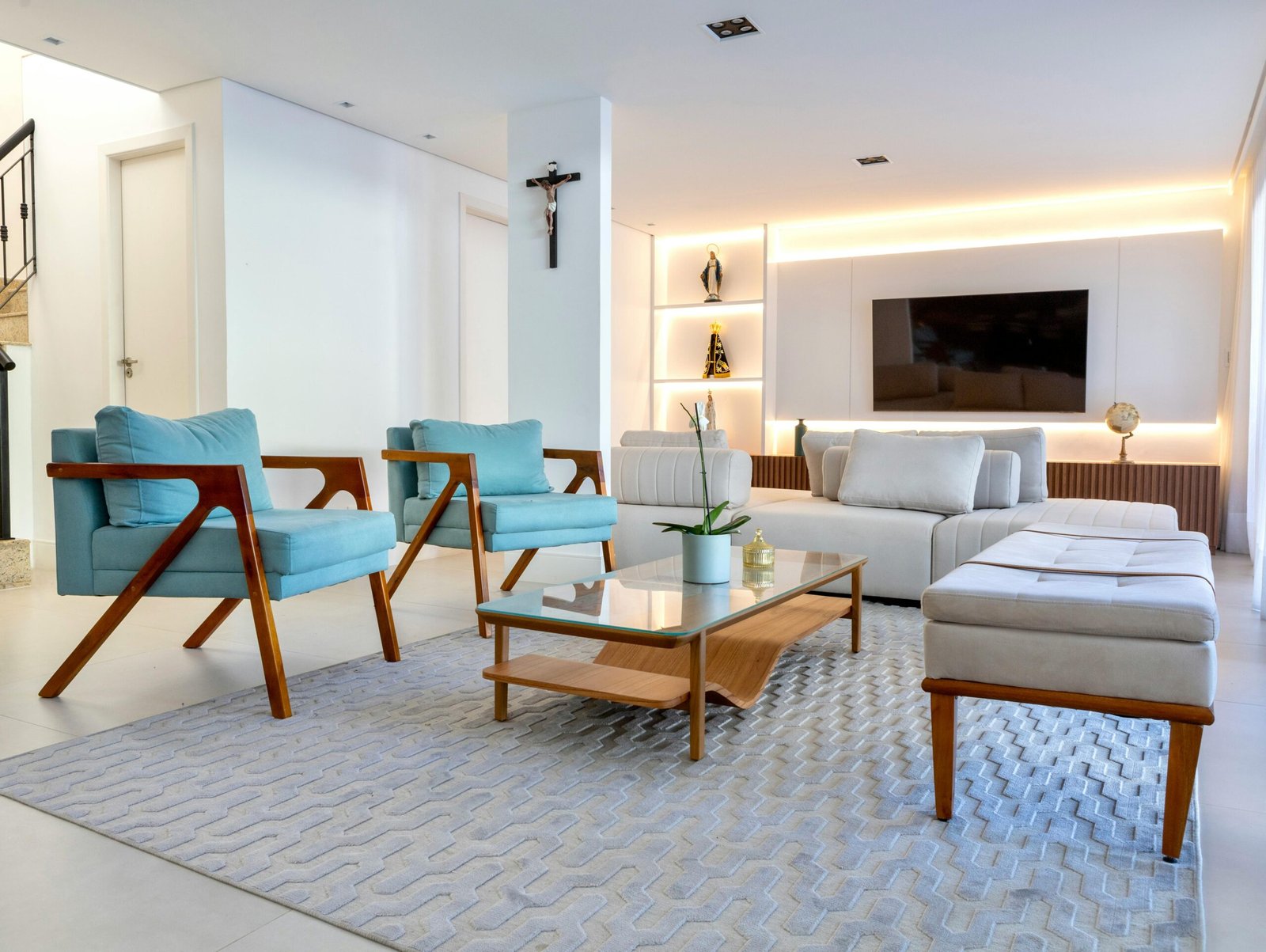
A room can have great furniture, a beautiful rug, and stylish lighting—and still feel a little flat. Then you add one plant, and suddenly the space feels alive. That’s the magic of greenery in home decor: it brings color, texture, and a sense of freshness that’s hard to replicate with any other item.
But plants can also be frustrating. Maybe you’ve bought a plant that looked amazing in the store and then slowly declined at home. Or maybe you love the idea of plants but feel intimidated because you’re busy, your home doesn’t get much natural light, or you’re not sure what looks good where.
This guide will show you how to use plants like a designer—how to choose the right type of greenery for your lifestyle, where to place plants for maximum impact, how to style them so they look intentional, and how to keep the look polished even if you’re a total beginner.
Why plants make a home look more “finished”
Plants improve a room in ways that decor objects often can’t:
- They add natural color without making the palette feel busy.
- They soften hard lines (corners, furniture edges, blank walls).
- They create depth by adding layers at different heights.
- They add movement—leaves and stems create organic shapes.
- They make spaces feel cared for, which reads as “put together.”
A plant can act like a finishing touch, similar to a lamp or a rug—except it also adds life.
Start with the real goal: the “look” matters as much as the plant
You don’t need a jungle. You need the right level of greenery for your space.
A designer-friendly way to think about it:
- One statement plant (tall or sculptural) = immediate impact
- One medium plant (tabletop or stand) = softness and balance
- One small plant (shelf or counter) = detail and freshness
Even just one well-placed plant can transform a room.
Step 1: Choose your “plant personality” (so it fits your life)
Before you think about aesthetics, decide how much maintenance you want.
If you want low-effort, low-stress
Choose plants that don’t need constant attention and can handle minor neglect.
Your strategy:
- fewer plants, bigger impact
- simple watering routine
- avoid delicate plants that demand perfect conditions
If you enjoy caring for plants
You can go more layered:
- multiple sizes
- more variety
- more styling opportunities
If you travel a lot or forget easily
Consider:
- very hardy plants
- fewer plants total
- easy-to-water setups
- or high-quality faux plants in certain areas (more on that later)
The best plant plan is the one you can maintain consistently.
Step 2: Think in “plant roles,” not random purchases
Designers don’t place plants randomly. They use plants to solve visual problems.
Here are the most useful plant roles:
1) The Corner Filler
A tall plant that makes a dead corner feel intentional.
Best for:
- living rooms
- bedrooms
- entry corners
- open-plan spaces
2) The Shelf Softener
A smaller plant that breaks up hard shelf lines.
Best for:
- bookcases
- floating shelves
- kitchen open shelving
3) The Table Centerpiece
A medium plant that adds life without clutter.
Best for:
- dining table
- coffee table tray
- console tables
4) The “Height Builder”
A plant on a stand or a tall plant that creates vertical balance.
Best for:
- rooms that feel flat
- spaces with low furniture only
5) The Bathroom “Spa Touch”
A plant that makes the bathroom feel fresh.
Best for:
- bathrooms with some natural light
- or as a styled moment on a shelf
When you know the “role,” you choose the right size and style faster.
Step 3: Pick the right size (most people go too small)
The most common mistake in plant styling is choosing plants that are too small for the space. A tiny plant on the floor in a large room looks lost.
Simple sizing guidelines
- Floor plants should have presence—tall enough to relate to furniture height.
- Tabletop plants should be large enough to look intentional but not so large they block conversation or feel crowded.
- Shelf plants should be small enough to fit comfortably, but still visible and not “mini.”
If you want your space to look more high-end, prioritize one larger plant instead of many tiny ones.
Step 4: Match plants to your interior style
Plants can support your style just like lighting or art. The container and plant shape matter.
Modern and minimalist homes
Best plant vibe:
- simple silhouettes
- clean planters (matte ceramic, black or white)
- sculptural plants with strong shapes
Styling:
- fewer plants, bigger impact
- keep plant groupings minimal
Scandinavian, warm minimal, and “modern organic”
Best plant vibe:
- soft, natural textures
- light neutral planters
- plants that feel relaxed and airy
Styling:
- pair greenery with woven baskets, warm wood, and linen textures
Boho and eclectic
Best plant vibe:
- layered greenery
- varied leaf shapes
- mixed planters (but within a cohesive palette)
Styling:
- more plants can work here, but keep them edited so it’s cozy—not cluttered
Traditional and classic
Best plant vibe:
- fuller shapes
- elegant containers (ceramic, classic pots)
- plants that feel lush
Styling:
- symmetry can look beautiful (matching plants on both sides of a console)
Industrial
Best plant vibe:
- bold plants with structure
- planters in black metal, concrete, or matte finishes
Styling:
- greenery softens the rawness of metal and dark tones
The plant itself is decor, and the planter is like the plant’s outfit.
Step 5: Choose planters that make plants look “designed”
A plant can look cheap if the container looks temporary. Upgrading the planter is one of the fastest ways to make greenery look intentional.
Planter styles that almost always look good
- matte ceramic in neutral tones
- simple white or black planters
- warm textured planters (stone-like, clay-like)
- woven baskets (especially for larger floor plants)
Planter cohesion rule
Try to repeat:
- one or two planter materials (ceramic + basket, for example)
- and one main color direction (neutrals, black accents, warm tones)
If every planter is a different loud color, the room can feel visually busy.
Step 6: Place plants where they improve light and balance
Plants are most impactful when they help balance the room.
Best high-impact plant placements
Near windows (obvious, but powerful)
Placing a plant near a natural light source looks natural and intentional. Even if you aren’t thinking about plant care, visually it makes sense.
In empty corners
A tall plant turns an awkward empty corner into a design moment.
Next to a sofa or accent chair
A plant can replace the need for extra decor in a corner and makes seating feel more “framed.”
On a console table
A medium plant or a tall vase-style plant adds vertical interest and softness.
On shelves (sparingly)
Plants are great shelf accessories, but you don’t need one on every shelf. A few well-placed plants make shelves feel alive without becoming messy.
Avoid these placements if you want a polished look
- plants scattered randomly across every surface
- plants blocking pathways
- plants placed where they look like they’re “in the way”
- plants clustered in one spot while the rest of the room has none (unless that’s your intentional “plant corner”)
Think of plants like lighting: you want balanced placement.
Step 7: Use height variation (this is what makes it look designer)
A room looks more styled when plants appear at different heights, not all at the same level.
A simple height mix:
- one floor plant
- one tabletop plant
- one shelf plant
Or within one area:
- one tall plant
- one medium plant
- one smaller plant
This creates rhythm and depth.
The plant stand trick
A plant stand can instantly elevate the look (literally and visually). It also helps in rooms where everything sits low.
Step 8: Don’t forget the “negative space” rule
Plants add life, but too many plants can create visual clutter—especially in small spaces.
If your home starts to feel crowded, use these fixes:
- reduce the number of small plants
- keep one “hero” plant and remove extras
- group plants instead of scattering them
- leave some surfaces clear
A few well-placed plants look more intentional than many plants everywhere.
Step 9: Style plants with other decor (so it looks complete)
Plants look best when they’re part of a styled moment, not alone in a random spot.
Easy styling combos that work
- plant + lamp (warm light + greenery is instantly cozy)
- plant + books (adds softness to a structured shelf)
- plant + tray (coffee table or console, keeps it contained)
- plant + art (plant grounds the wall decor visually)
- plant + mirror (mirror reflects greenery and makes the room feel fresher)
Plants become stronger when they connect to the rest of the decor.
Step 10: Use plants to “fix” common room problems
Here are realistic problems plants can solve:
Problem: The room feels cold
Fix:
- add greenery + warm planters (basket, clay tones)
- pair with textured textiles for extra warmth
Problem: The room feels flat
Fix:
- use a tall plant for height
- use a plant on a stand to create layers
Problem: The room feels unfinished
Fix:
- add one medium plant to a key surface (console, side table)
- add one larger plant to anchor a corner
Problem: Shelves look stiff
Fix:
- add one small plant to soften the lines
- keep it edited—don’t add plants to every shelf
Problem: The entry feels boring
Fix:
- add a plant near the console or mirror area (even a medium one)
- it makes the entry feel welcoming immediately
Step 11: A realistic care routine (so plants don’t become stressful)
This is not a plant-care manual—it’s a sanity plan.
The easiest routine
- Check plants once a week.
- Water only when the soil feels dry (don’t water on autopilot).
- Keep leaves clean (a quick wipe makes plants look healthier and more polished).
A plant with dusty leaves can make your home feel less fresh—even if everything else is styled well.
The “overwatering trap”
Most beginners kill plants with too much love, not too little. If you’re unsure, it’s often safer to wait a bit than to water too frequently.
Step 12: Faux plants can be a smart design choice (when used correctly)
There’s no shame in faux greenery. The key is placement and quality.
When faux plants make sense
- very low-light rooms
- high shelves where real plants are hard to access
- busy households where maintenance is unrealistic
How to make faux plants look more real
- choose realistic textures and natural-looking shapes
- place them in a good planter (not the default plastic pot)
- avoid putting faux plants where they would obviously need light (like a “sun-loving” plant in a dark corner with no light source)
A few strategically used faux plants can keep the “green” vibe without stress.
Room-by-room plant ideas
Living room
Best approach:
- one tall corner plant + one medium plant near seating
Where: - corners, beside the sofa, near a window, on a console
Style tip: - repeat planter materials (ceramic + basket) for cohesion
Bedroom
Best approach:
- one medium plant on a dresser + optional small plant on a shelf
Where: - near window, on a dresser, on a bedside shelf (if space allows)
Style tip: - keep it calm and minimal so the bedroom still feels restful
Kitchen
Best approach:
- one small plant or herb-style greenery + one medium plant in a corner
Where: - windowsill, countertop corner, open shelf (sparingly)
Style tip: - keep it simple—kitchens can look cluttered quickly
Bathroom
Best approach:
- one small plant on a shelf + clean accessories
Where: - near natural light, on a shelf, or by the sink (if it stays tidy)
Style tip: - use a simple planter and keep the counter minimal for a spa feel
Entryway
Best approach:
- one medium plant near the console or in a corner
Where: - beside the console, near the door (not blocking traffic), under a mirror moment
Style tip: - pair the plant with a tray and a lamp for a complete entry vignette
Home office
Best approach:
- one medium plant near the desk + a small shelf plant
Why it works: - greenery helps the space feel less “work-only” and more comfortable
A simple plant plan you can follow today
If you want an easy, non-overwhelming way to add greenery:
- Choose one spot in your home that feels flat (a corner or console).
- Pick one plant role (corner filler or tabletop centerpiece).
- Choose a plant size that makes impact.
- Upgrade the planter so it matches your style.
- Place it where it looks natural and balanced.
- Add one supporting element (lamp, tray, or art nearby).
That’s it. One good plant moment can shift the entire feel of a room.
The secret is not having more plants—it’s having the right plants in the right places
Plants look best when they’re part of a bigger design system: consistent palette, balanced placement, intentional planters, and a manageable routine. You don’t need to become a plant expert to get the benefits. Treat greenery like a design tool, not a collection you have to constantly expand.
If you start small—one statement plant, one beautiful planter, one strong placement—you’ll get the “fresh and finished” look immediately. And once you see how much it improves your home, adding more (slowly and intentionally) becomes fun instead of stressful.

Isabella Garcia is the creator of a blog dedicated to crafts and home care, focused on making everyday life more creative, organized, and enjoyable. The blog shares practical tips, easy DIY projects, home organization ideas, and simple solutions to take better care of your living space. Whether you’re a beginner in crafting or someone looking for inspiration to improve your home routine, Isabella’s blog offers clear, useful, and hands-on content to help you create a cozy, beautiful, and well-cared-for home.