
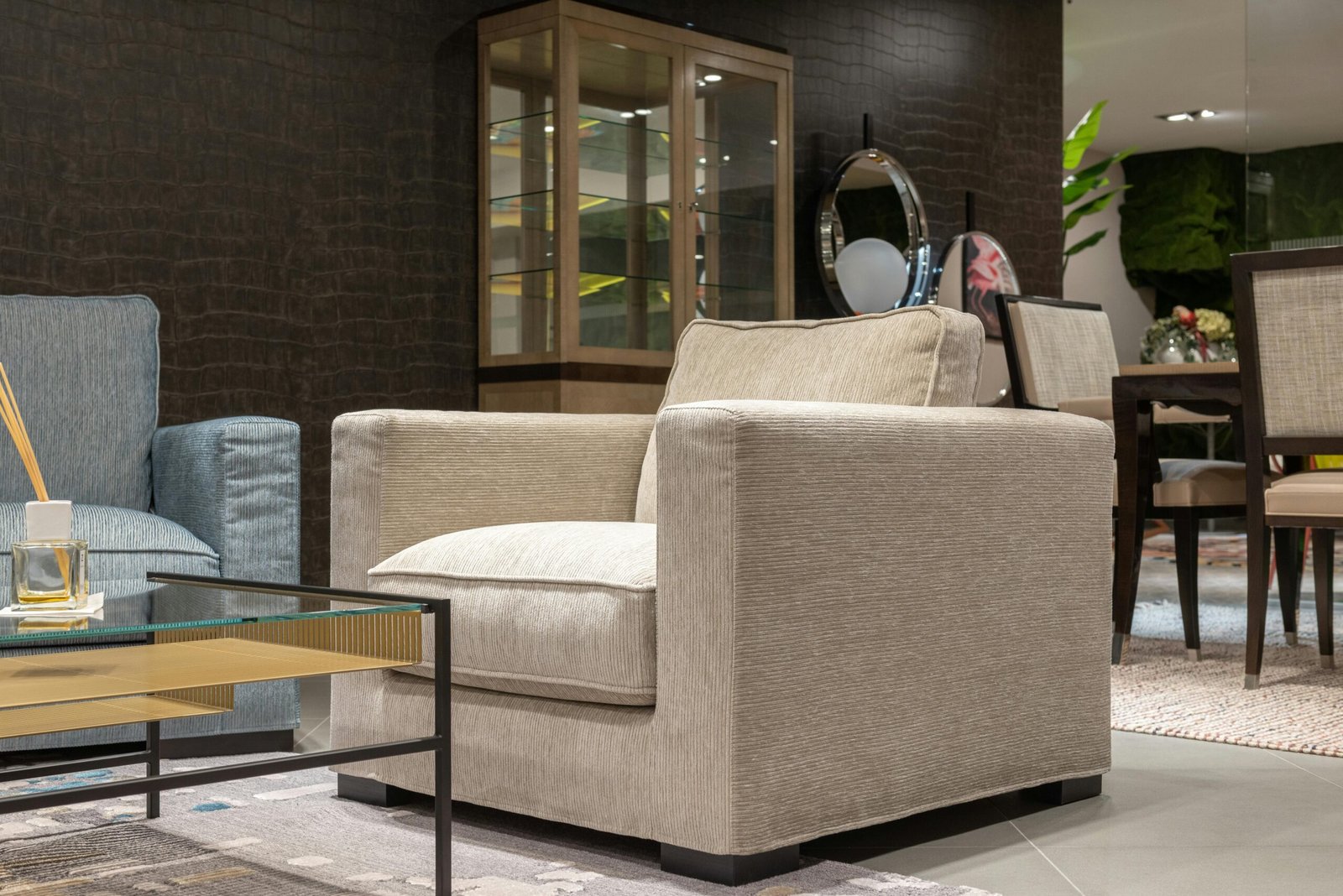
Decorating on a tight budget can feel like walking into a store where everything is tempting, but your wallet keeps saying “not today.” The biggest mistake people make isn’t having a small budget—it’s spending that budget on the wrong things first. When you buy lots of small decor early, you end up with a home full of “cute stuff” that still doesn’t look finished. When you buy the right foundational pieces (even slowly), your space starts looking intentional quickly—and you waste far less money.
This article will give you a clear, realistic plan for decorating with limited funds: what to prioritize, what to postpone, what to skip entirely, and how to make budget items look elevated through scale, placement, lighting, and cohesion. You’ll also learn how to decorate room-by-room without feeling overwhelmed, even if you can only buy one item at a time.
The budget decorating mindset: “Buy foundations, then decorate”
A room looks “done” when the foundations are right:
- layout makes sense
- lighting is warm and layered
- a rug anchors the space (when appropriate)
- window treatments add softness
- storage prevents clutter
- the palette is cohesive
Decor items (vases, candles, small objects) should come last. They’re the finishing touches, not the structure.
A tight budget becomes easier when you think in layers:
- Function
- Comfort
- Cohesion
- Style details
Step 1: Choose your “design direction” so you stop impulse buying
When your budget is small, impulse buys hurt more. One random item that doesn’t fit your space can steal money from something you truly need.
Before you shop, write a simple “home guide”:
- 3 vibe words (example: warm / calm / modern)
- base neutral (cream, warm white, soft gray, greige)
- secondary color (olive, navy, charcoal, terracotta)
- one metal finish (black, brass, nickel)
- one wood tone direction (light, medium, dark)
This is your filter. If an item doesn’t fit the guide, it’s a “no,” even if it’s cute.
Step 2: Make the room work before you make it pretty
The fastest way to waste money is decorating a layout that doesn’t function. Start with how you live:
- Do you need seating for guests or just daily comfort?
- Do you need a work corner?
- Do you need hidden storage?
- Do you eat in the living room?
- Do you need kid-friendly or pet-friendly choices?
A room that supports your life will feel better immediately—even before decor.
What to buy first (in order): the “high impact, low regret” list
If you’re on a tight budget, this order is a strong default. You can adjust it based on your needs, but this sequence prevents the most common mistakes.
1) Lighting (the best first upgrade in almost every home)
Why lighting is a top priority:
- it makes everything look better
- it creates a cozy, “finished” atmosphere
- it’s often cheaper than replacing furniture
What to buy first
- one floor lamp near seating OR
- one table lamp for a console/side table
If you can add two lamps, even better: one floor lamp + one table lamp creates instant depth.
What to avoid
- relying only on a harsh ceiling light
- buying many tiny lights instead of one good lamp with presence
A single well-placed lamp can make a room feel 30% more polished overnight.
2) A rug (but only if it can be the right size)
A rug anchors a room and creates cohesion, but only if it’s sized correctly. A rug that’s too small can make the room look cheaper, not better.
When a rug is worth buying early
- when it will anchor your main seating zone
- when you can afford a size that touches the furniture (at least front legs)
- when your room feels cold or disconnected without it
Budget strategy for rugs
- prioritize size first, then pattern
- choose a low-contrast design if you want the room to feel bigger and calmer
- consider layering: a large neutral base + smaller patterned rug on top (later)
What to avoid
- tiny rugs floating in the center of the room
- super delicate rugs in high-traffic areas
If the budget only allows a too-small rug, it may be better to wait.
3) Curtains or simple window treatments (instant upgrade in scale)
Curtains make rooms look taller, softer, and more intentional—especially if you hang them correctly.
Smart budget approach
- pick neutral curtains that match or complement your walls
- hang them high and wide (this is more important than buying “expensive” curtains)
- choose enough fabric so they don’t look flat
What to avoid
- curtains that stop halfway down the wall
- rods that are too short (making the window look smaller)
- ultra-busy patterns that fight your rug and pillows
If you can’t do curtains, even simple clean shades can help—but curtains are often the “designer look” shortcut.
4) A storage solution that hides clutter
Clutter destroys the expensive look, no matter how nice the decor is. Storage is not boring—it’s one of the most powerful style tools.
Best budget-friendly storage upgrades:
- a TV console with doors
- a closed cabinet or sideboard
- baskets that fit shelves neatly
- a storage ottoman
- under-bed storage bins (bedroom)
Why storage should be early
When daily items have homes, surfaces stay clear. Clear surfaces make a home look calmer and more expensive.
5) One “anchor” decor item (big impact, not small clutter)
Once the room is functional and calm, add one high-impact item that acts like a focal point:
- one large artwork
- one large mirror
- one tall plant in a good planter
This is how you add style without buying 20 little pieces.
What to avoid
- lots of tiny decor that creates clutter
- themed decor that feels temporary
What to buy later (when budget allows)
These are important, but they usually shouldn’t come before foundations.
Pillows and throws
They add texture and coziness, but they won’t fix a room with bad lighting or clutter.
Buy later unless:
- your sofa looks too bare
- your room needs softness
- you already have the basics (lamp, storage)
Wall decor beyond one focal point
A gallery wall can be amazing, but it often becomes expensive and overwhelming. Start with one strong piece first.
Extra small decor (candles, vases, knickknacks)
These are the fastest way to waste budget. If you love decor, buy fewer items with stronger impact.
Trend items
Trends are fun, but on a tight budget, you want pieces that last. Trends work best as small accents, not big investments.
What to skip (these budget traps rarely help)
If you want your home to look more polished with less money, these are common “skip” categories.
1) Tiny rugs and tiny art (they make spaces feel unfinished)
If you can’t go big, wait or choose a different solution like a larger mirror or a tall plant.
2) Too many decorative objects
Many small items = visual clutter. A few larger items = intentional style.
3) Cheap “matching sets” that don’t fit your life
It’s better to slowly build a mix of pieces that fit your space than to buy a quick set that feels uncomfortable or awkward.
4) Furniture that is the wrong scale “because it was on sale”
A cheap piece that doesn’t fit is expensive in the long run because you’ll replace it.
5) Overly bold patterns everywhere
One statement pattern is great. Multiple strong patterns can make the room feel busy.
The best budget trick: make what you already own look better
Before buying anything new, maximize what you have.
Rearrange furniture for better flow
- protect walking paths
- pull furniture slightly off walls if possible
- create a clear seating zone
Edit clutter
Remove 30% of what’s on surfaces. Then add back only what supports your style and daily function.
Upgrade styling (free or low-cost)
- group items on trays
- stack books neatly
- add one plant or greenery
- move a lamp to a better location
Often, these changes make your space look better than a shopping trip.
Room-by-room priority plan (so you don’t decorate randomly)
If you’re decorating a whole home on a budget, don’t buy for every room at once. Focus on one area, get it to “good,” then move on.
Living room priorities
- Lighting
- Rug (correct size)
- Storage (TV console, baskets)
- Curtains
- One focal point (art/mirror/plant)
Bedroom priorities
- Bedding that looks clean and layered
- Nightstand solution (even simple)
- Lighting (bedside lamp)
- Curtains (sleep + softness)
- Rug or runners (optional, based on budget)
Entryway priorities
- A small landing zone (tray, hook, basket)
- Mirror (function + depth)
- Light source if needed
- Small plant (optional)
Kitchen priorities
- Clear counters + storage zones
- Lighting where needed
- One small styled moment (tray, plant, or clean container set)
How to make budget items look more expensive
This is where you win.
1) Keep a tight palette
A consistent palette makes inexpensive items look intentional.
2) Choose bigger scale when possible
One large item looks more premium than many small items.
3) Use texture
Textured fabrics and matte finishes look richer than shiny cheap materials.
4) Contain clutter
Trays, baskets, boxes—this instantly upgrades the look.
5) Repeat materials
Repeat black metal, brass, or one wood tone across the room.
6) Style with negative space
Leave some surfaces partially empty. It looks calmer and more elevated.
A realistic “tight budget” shopping plan
If you can only buy one item per month, here’s a practical path:
Month 1: one lamp
Month 2: storage solution (basket/cabinet/ottoman)
Month 3: curtains and rod (hung high and wide)
Month 4: rug (correct size)
Month 5: one focal point (large art/mirror/plant)
Month 6: textiles (pillows/throw) and small finishing touches
You can adjust based on your home’s biggest pain point, but the principle stays the same: foundations first, extras later.
The real secret: budget decorating is about strategy, not sacrifice
A tight budget doesn’t mean your home has to look cheap. It means your choices need to be more intentional. When you prioritize lighting, correct scale (rugs and curtains), clutter control through storage, and a cohesive palette, your space will look more polished even if you’re decorating slowly.
Don’t rush. Build the room in layers. Focus on impact over quantity. And remember: a calm, functional room always looks more expensive than a crowded room full of random decor—no matter what the decor costs.

Isabella Garcia is the creator of a blog dedicated to crafts and home care, focused on making everyday life more creative, organized, and enjoyable. The blog shares practical tips, easy DIY projects, home organization ideas, and simple solutions to take better care of your living space. Whether you’re a beginner in crafting or someone looking for inspiration to improve your home routine, Isabella’s blog offers clear, useful, and hands-on content to help you create a cozy, beautiful, and well-cared-for home.