
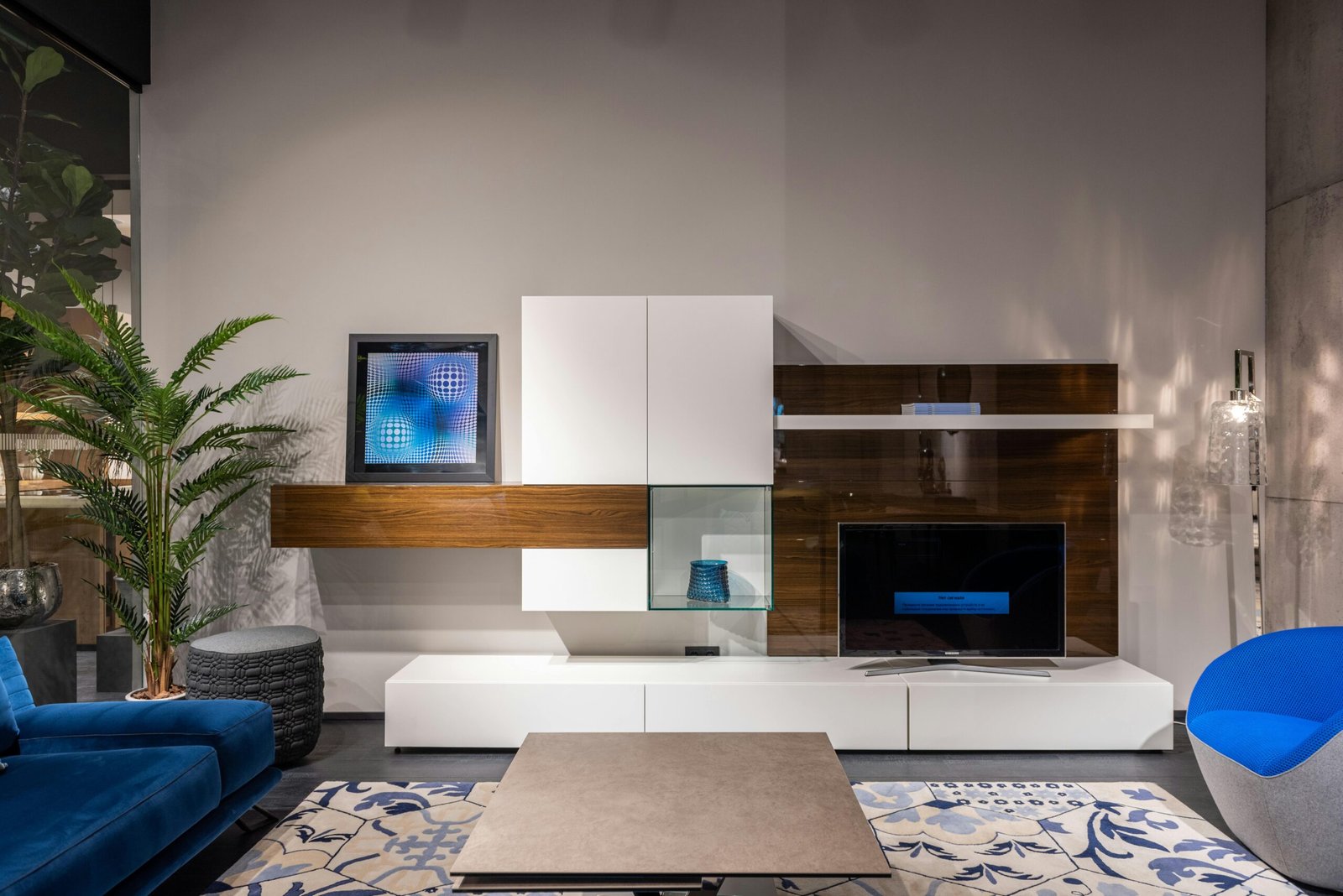
A kitchen doesn’t have to be huge—or newly renovated—to look beautiful. In many homes, the kitchen is the most lived-in space: you cook, snack, talk, rush out the door, and somehow it becomes the default drop zone for everything. That’s why kitchen decorating can feel tricky. If you treat the kitchen like a showroom, it won’t survive real life. If you ignore aesthetics completely, it can feel chaotic and unfinished.
The best approach is simple, elegant, and functional. A kitchen looks expensive when it feels calm: clear counters, consistent finishes, warm lighting, and a few intentional details. You don’t need to change cabinets or tear out countertops to get that look. You need a plan that focuses on high-impact moves that actually hold up day to day.
This guide will show you exactly how to decorate your kitchen with small changes that make a big difference—whether you live in a rental, have builder-grade finishes, or just want your kitchen to feel more “put together.”
Start with the truth: a kitchen is a working room, not a display
Unlike a living room, a kitchen must handle:
- heat and moisture
- crumbs and spills
- constant use
- lots of objects (tools, appliances, food, cleaning supplies)
So kitchen decor should follow one rule:
If it’s not useful or it doesn’t support calm, it becomes clutter.
That doesn’t mean your kitchen should be bare. It means every decorative choice should either:
- improve function,
- improve visual calm,
- or add warmth without adding mess.
Step 1: Decide the “kitchen vibe” you want (and keep it simple)
Before changing anything, choose a direction so your choices don’t become random.
Pick 3 words:
- warm / clean / natural
- modern / minimal / bright
- cozy / classic / timeless
- fresh / airy / calm
These words will guide:
- your color choices,
- your containers,
- your hardware decisions,
- your styling.
A kitchen looks elegant when it has a consistent mood.
Step 2: Clear the visual noise (the fastest kitchen upgrade)
If your kitchen feels messy, it’s usually not because you have too much stuff. It’s because your stuff is visible everywhere with no boundaries.
The “clear counter” strategy that actually works
Choose one primary prep zone (a section of counter you’ll keep mostly clear). Then build “micro-zones” for the necessary items.
Here are common micro-zones:
- Coffee/tea zone
- Dish soap and sponge zone
- Cooking oils + salt/pepper zone
- Mail/keys zone (ideally not in the kitchen, but often happens)
When each zone has a container or boundary, the kitchen looks calmer instantly.
What to remove first (high visual clutter items)
- rarely used appliances (put them in cabinets if possible)
- packaging and random bottles
- duplicate items
- stacks of mail and papers
- random cups that collect near the sink
Even removing 30% of visible items can make the kitchen feel twice as elegant.
Step 3: Use “containment” to make essentials look intentional
Containment is the difference between “messy” and “styled.”
Instead of leaving items scattered, use:
- a tray
- a shallow bowl
- a small basket
- a canister set
- a utensil crock
The best places for containment in a kitchen
1) Near the stove
Create a cooking essentials zone:
- salt and pepper
- cooking oil (if you actually use it daily)
- a small utensil crock
Keep it minimal. If you add ten bottles, it becomes clutter again.
2) Near the sink
Create a clean sink zone:
- one soap dispenser
- one sponge in a small dish
- optional: a small tray to contain it neatly
3) Coffee/tea zone
Contain the “daily ritual” items:
- mugs or pods/tea bags
- sweetener container
- a small tray to define the space
Containment makes daily routines look elegant.
Step 4: Make your kitchen look more expensive with consistent “touch points”
In kitchens, the details people notice up close matter a lot:
- soap dispenser
- towel color
- containers
- hardware finish
- visible appliances
- lighting warmth
A kitchen looks elegant when these touch points feel intentional and coordinated.
A simple way to coordinate touch points
Choose:
- one metal finish direction (black, brass, or stainless/nickel)
- one container style (matte, ceramic, glass, neutral tones)
Then repeat it in:
- soap dispenser
- utensil crock
- canisters
- tray
- towel hooks (if visible)
You don’t need everything to match perfectly—just enough repetition to feel planned.
Step 5: Upgrade kitchen lighting for warmth and polish
Kitchen lighting is often too harsh or too cold. That can make even a clean kitchen feel sterile.
The easiest lighting upgrades (no renovation required)
- switch to warmer bulbs (especially in overhead fixtures)
- add a small lamp on a counter corner (if space allows and it’s safe)
- use under-cabinet lighting (plug-in options exist in many setups)
A warm, layered light makes the kitchen feel more welcoming—especially at night.
The biggest lighting mistake
Using one bright overhead light only. It flattens the space and highlights clutter. Even one extra light source can change the mood dramatically.
Step 6: Choose a simple kitchen palette that looks clean
A kitchen often has many fixed elements: cabinets, countertops, backsplash, floors. The goal is not to fight them. It’s to support them.
A safe elegant kitchen palette often looks like:
- white or soft neutral base
- warm wood or black accents
- subtle greenery
Easy kitchen color rules
- Keep countertop decor in 2–3 colors max.
- Use neutral containers (white, black, glass, warm wood).
- Let the kitchen’s existing finishes lead.
If your kitchen already has a lot going on visually, keep decor extra calm.
Step 7: Add warmth with texture (without adding clutter)
A kitchen can feel cold because it’s mostly hard surfaces: tile, stone, metal, glass. Texture adds warmth and elegance.
Easy kitchen textures:
- linen or cotton towels (in a consistent palette)
- a woven runner (washable if possible)
- a wooden cutting board left out as decor (but only if you use it)
- a woven basket for fruit or bread
Texture makes the kitchen feel more “home” without requiring more objects.
Step 8: Style open shelves the right way (so they don’t become chaos)
Open shelving can look great, but it can also make a kitchen feel messy fast.
The rule for open shelves in an elegant kitchen
Keep them:
- simple,
- consistent,
- and partially empty.
How to style shelves without clutter
- choose a small set of matching dishes or glasses
- add one plant or one simple object
- leave negative space
Avoid putting everyday messy items on open shelves unless they’re in matching containers.
If your kitchen is small or busy, closed storage often looks more elegant than too much open shelving.
Step 9: Use “one focal moment” instead of decorating everywhere
In kitchens, too many decor moments can feel cluttered. A better approach is to choose one or two intentional focal points.
Good kitchen focal moments:
- a styled coffee corner with a tray
- a simple fruit bowl zone
- a small plant and cutting boards vignette
- a clean sink area with matching soap dispensers
When one area looks styled, the whole kitchen feels more elevated—even if everything else is simply clean and functional.
Step 10: Add greenery (the kitchen’s best “decor shortcut”)
A kitchen almost always looks better with a little life. But keep it realistic.
Good greenery options:
- a small plant near a window
- a bowl of lemons or limes (acts like decor and function)
- a small herb pot (if you actually use it)
Choose greenery that supports your vibe:
- minimal kitchens: one simple plant in a neutral pot
- warm kitchens: basket planter or clay-style pot
One small plant is enough to add freshness.
Step 11: Make your sink area look “hotel clean”
The sink is often the messiest visual spot.
An elegant sink zone usually has:
- one soap dispenser
- one sponge holder/dish
- one clean towel (consistent color)
- minimal extra items
Avoid leaving:
- multiple mismatched bottles
- random cloths piled up
- extra tools scattered on the counter
This is a small change that makes a huge difference because the sink is a major focal point in most kitchens.
Step 12: Fix the “paper problem” (mail makes kitchens look messy)
If mail and papers land in your kitchen, no amount of decor will make it feel elegant.
Simple fix:
- create one paper zone using a basket or tray
- set a routine to clear it regularly
- keep papers off the main counters
If possible, move the paper zone to an entryway instead. Kitchens look best when they’re free from paperwork.
Step 13: Make appliances look calmer (without buying new ones)
Appliances can create visual clutter. You don’t have to replace them—you just need to reduce how many are visible and coordinate what remains.
Budget-friendly appliance styling
- store rarely used appliances (blender, air fryer, etc.) away
- keep only the daily-use appliance visible (coffee maker, toaster)
- contain the appliance zone with a tray if it helps
- avoid mismatched cords and scattered accessories
A calmer appliance setup makes the kitchen look cleaner instantly.
Step 14: Small upgrades that feel surprisingly luxurious
Here are a few details that often make kitchens feel more elevated without renovation:
Matching containers for staples
Instead of keeping everything in branded packaging on open shelves or counters, use:
- glass jars
- neutral canisters
- labeled containers (simple labels)
It looks cleaner, and it’s often more functional.
A quality dish towel set
Matching towels in a consistent palette:
- looks polished
- makes the kitchen feel cared for
- is easy to maintain (swap and wash)
A good cutting board moment
A wood board leaning against the backsplash can look like decor—but it’s best when it’s functional too.
A clean, minimal fruit bowl
A simple bowl with a few fruits looks elevated and adds life. Don’t overfill it.
Step 15: A practical “simple elegant kitchen” checklist
If you want a quick checklist to follow:
- Clear counters and remove rarely used items
- Create micro-zones (sink, stove, coffee)
- Add containment (tray, bowl, canisters)
- Choose consistent touch points (soap dispenser, towels, containers)
- Warm up lighting (bulbs + optional lamp/under-cabinet light)
- Add one texture element (runner, wood board, basket)
- Add one greenery moment (plant or citrus bowl)
- Keep one prep zone mostly clear
That’s enough to make most kitchens look significantly more polished.
A weekend plan to upgrade your kitchen without overwhelm
If you want a realistic action plan:
Day 1: Declutter and zone
- remove everything from the counters
- put away rarely used appliances
- create sink and stove zones with containment
- choose one spot for a coffee zone if relevant
Day 2: Style and refine
- set up matching soap/towel details
- add one plant or fruit bowl
- adjust lighting (swap bulbs)
- do a final edit: remove anything that doesn’t support function or calm
By the end, your kitchen will feel cleaner, calmer, and more elegant—without needing a renovation.
The secret to an elegant kitchen: calm surfaces + intentional zones
An elegant kitchen isn’t about expensive cabinets. It’s about calm. When counters are mostly clear, daily items are contained, finishes repeat, and lighting feels warm, the kitchen looks like it belongs in a magazine—but it still works for real life.
If you apply just three ideas from this article—containment, consistent touch points, and a clean sink zone—you’ll see the difference immediately. And once your kitchen feels more polished, maintaining it becomes easier because the systems support you.

Isabella Garcia is the creator of a blog dedicated to crafts and home care, focused on making everyday life more creative, organized, and enjoyable. The blog shares practical tips, easy DIY projects, home organization ideas, and simple solutions to take better care of your living space. Whether you’re a beginner in crafting or someone looking for inspiration to improve your home routine, Isabella’s blog offers clear, useful, and hands-on content to help you create a cozy, beautiful, and well-cared-for home.