
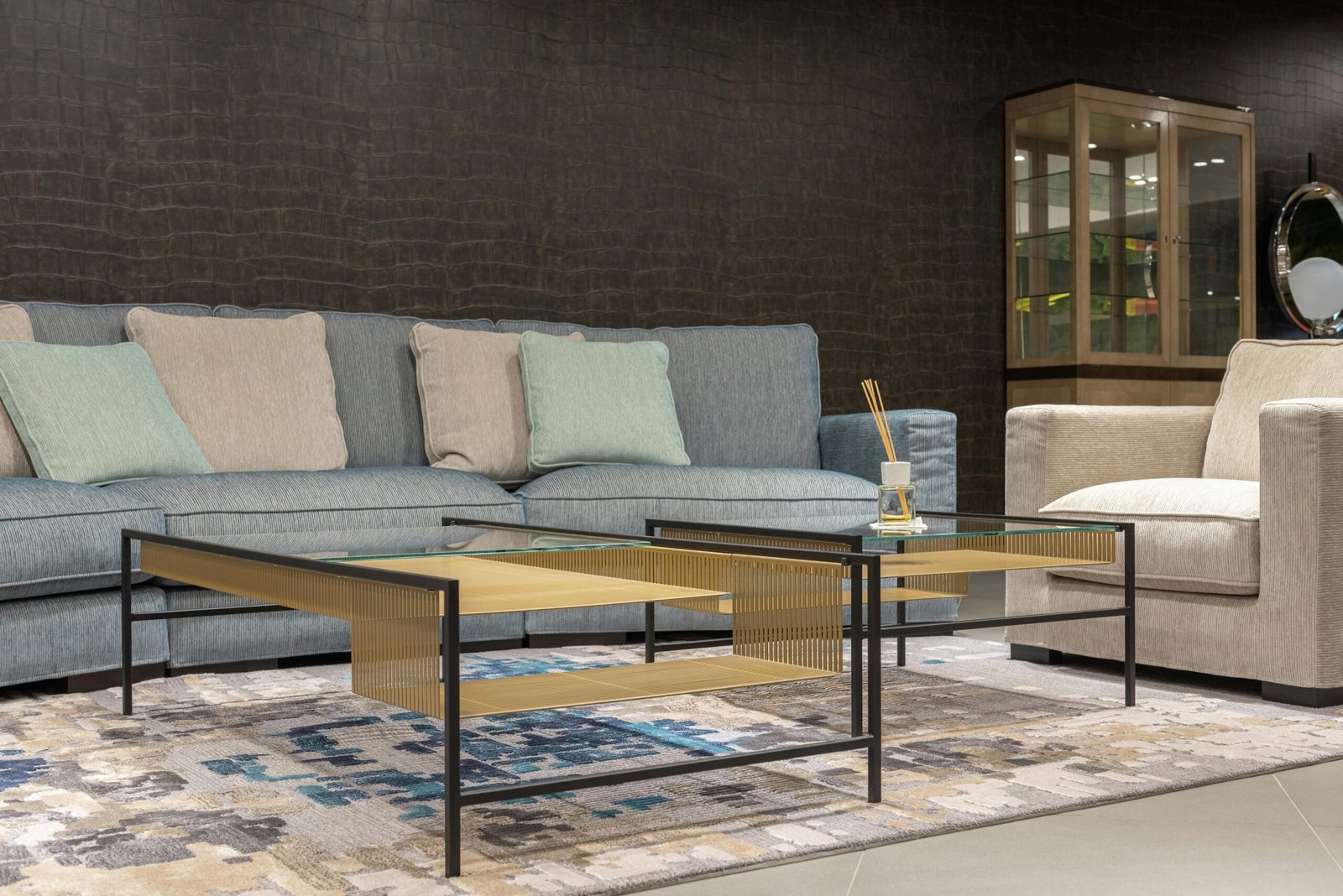
Decorating on a budget doesn’t mean your home has to look cheap. In fact, some of the most beautiful homes are not the most expensive—they’re the most intentional. People with tight budgets often make smarter choices: they prioritize what matters, avoid random purchases, and build a space slowly with pieces that actually fit their lifestyle.
The real secret is this: a “budget” home looks expensive when it has good structure—layout, lighting, cohesive colors, and fewer but better decisions. Expensive-looking homes aren’t always filled with costly objects; they’re filled with calm surfaces, good proportions, and repeat materials.
This guide will teach you how to decorate without overspending, including:
- what to buy first (so your space improves fast),
- where spending a bit more is worth it,
- where you can absolutely save,
- how to avoid budget-decor mistakes that make rooms feel cluttered,
- and how to create a home that looks styled and cohesive over time.
The most important budget rule: stop buying “random cute things”
When people decorate on a budget, they often try to “fix” the room by buying small decor items:
- random pillows
- little vases
- cheap wall signs
- trendy ornaments
- lots of tiny pieces that don’t match
It feels like progress, but it usually creates clutter and doesn’t solve the real issue.
A budget home looks better when you:
- buy fewer items,
- buy more functional and high-impact pieces,
- and build a cohesive plan.
The goal is not “more.” The goal is “better choices.”
Step 1: Make a simple decorating plan before you spend
Before you buy anything, define three things:
- Your vibe (3 words)
Examples: calm / warm / clean, or cozy / natural / timeless. - Your palette (tight and repeatable)
- one base neutral
- one secondary color
- one accent finish (black or brass, for example)
- Your room priorities
What would improve your daily life the most?
This plan prevents wasted money on items that don’t fit together.
The simplest budget palette (works in almost any home)
- warm off-white base
- wood tone direction (light or medium)
- black accents
- greenery as the “free color”
This palette makes it easy to shop secondhand and still look cohesive.
Step 2: Decorate in the right order (so the room changes fast)
If you buy in the wrong order, you waste money. The best budget order is:
- Layout and declutter
- Lighting
- Rug (if needed)
- Curtains
- Art/mirror
- Small decor and styling
Why? Because layout, lighting, rugs, and curtains create the “foundation.” Small decor only works once the foundation is calm.
Where to spend vs. where to save (the budget strategy)
Budget decorating gets easier when you know what’s worth paying for.
Spend on these (they affect comfort and the “expensive” look)
1) Sofa or main seating (if you can)
If you’re going to spend more on one piece, the main seating is often the best choice because:
- it’s used daily
- it sets the room’s style
- it affects comfort and scale
Budget tip: If you can’t afford a high-end sofa, focus on:
- a clean silhouette
- a neutral color (more flexible)
- durable fabric
- and use pillows/throws to upgrade the look.
2) Mattress and bedding comfort
This is not about luxury—it’s about daily life. Your sleep matters. A beautiful bedroom is great, but comfort matters more.
If you’re choosing where to invest:
- mattress comfort first
- then good bedding basics (not necessarily expensive, just comfortable and cohesive)
3) Rugs (only if the room needs one)
A rug is a huge visual surface. A cheap rug can still look good if it’s:
- the right size
- in a calm palette
- not overly shiny
If you’re going to invest, invest in the correct size and a look that supports your room.
4) Lighting (big impact, often affordable)
Lighting makes budget homes look expensive fast. Even if you buy affordable lamps, the presence of lighting layers is what matters.
A living room almost always looks better with:
- one table lamp
- one floor lamp
This is often a better “spend” than more decor.
5) Paint (when you’re ready)
Paint is one of the cheapest upgrades per square meter. It can make a room look cleaner and more cohesive quickly—especially when the palette is intentional.
Save on these (you can get great results without spending much)
1) Decorative objects
Most decor items are overpriced for what they do. You can save by:
- buying fewer
- choosing secondhand
- using natural items (branches, simple greenery)
- styling with books you already own
2) Side tables and coffee tables
These can be found secondhand easily, often at great prices. A table becomes “expensive-looking” when:
- it fits the scale
- it matches your finish direction
- it’s styled simply (not crowded)
3) Frames (you can still save smartly)
You can save on frames by:
- buying secondhand frames and repainting them
- using consistent frame finishes (black, white, wood)
- using simple mats for a cleaner look
Cohesive framing looks more expensive than fancy art.
4) Storage containers (save, but keep them consistent)
You can save a lot on baskets and bins—just keep them cohesive.
Choose:
- one basket color family
- one bin style
- and repeat it
A set of matching cheap bins looks better than a mix of random “cute” bins.
5) Curtains (budget versions can look great)
Curtains can look expensive if:
- hung high and wide
- long enough to look intentional
- in a simple fabric look (linen-look works well)
Even affordable curtains can transform a room when hung correctly.
The best budget decorating trick: secondhand + simple updates
Secondhand furniture is one of the best ways to get quality on a budget. Many older pieces have:
- better wood construction
- solid materials
- classic shapes
You can upgrade secondhand finds with:
- new hardware
- paint or stain (if you’re comfortable)
- simple styling (clean lines and cohesive palette)
Even one secondhand statement piece can make a room feel more collected and less “starter.”
Make cheap furniture look expensive with these principles
This is where budget decorating becomes powerful: you can improve the “look” without spending much.
1) Simplify surfaces (clutter makes things look cheap)
A room looks more expensive when:
- counters and tables are mostly clear
- items are contained (trays, baskets)
- decor is edited
2) Use fewer items, bigger impact
Instead of ten small objects, choose:
- one larger vase
- one larger art piece
- one larger plant
Bigger visual anchors look more intentional.
3) Repeat finishes
Pick:
- one metal finish (black or brass)
- one wood direction (light or medium)
Then repeat. Repetition looks designed.
4) Use texture instead of more stuff
Texture makes a space feel rich:
- linen curtains
- knit throw
- textured rug
- matte ceramics
- woven baskets
Texture creates depth without clutter.
5) Add warm lighting
Warm, layered lighting is one of the fastest “expensive” signals.
Overhead-only lighting makes rooms feel flat. Lamps add atmosphere.
Budget decorating by room (practical priorities)
Living room (highest impact room for most homes)
Priority order:
- layout and declutter
- lighting layers
- rug (correct size)
- curtains
- art above sofa
- minimal styling
Spend:
- on a comfortable main seating solution if possible
Save: - on side tables, decor, frames (secondhand works great)
Bedroom (comfort is king)
Priority order:
- bedding comfort and calm palette
- bedside lighting
- storage systems for clutter
- simple art or mirror
Spend:
- on comfort basics (mattress/bedding if needed)
Save: - on decor; use texture and lighting instead
Kitchen (function first)
Priority order:
- clear counters
- containment zones (sink, coffee)
- consistent containers
- small warmth detail (wood board, towel set)
Spend:
- on a few practical upgrades you touch daily (containers, a good mat/towels)
Save: - avoid buying too many countertop decor items
Bathroom (spa feel on a budget)
Priority order:
- clean sink zone
- coordinated towels and mat
- matching soap dispenser
- storage bins under sink
Spend:
- on towels if yours are worn out (cohesion matters)
Save: - decor can be minimal; one small natural element is enough
Entryway (systems > decor)
Priority order:
- key tray
- hooks for bags/coats
- shoe zone
- mirror
- warm lamp (optional)
Spend:
- minimal needed; this is a high-function zone
Save: - use baskets and simple solutions
The “budget trap” mistakes to avoid
Mistake 1: Buying decor before solving clutter
Fix: set up storage and zones first.
Mistake 2: Buying too many small items
Fix: buy fewer items with bigger impact.
Mistake 3: Ignoring scale
Fix: measure and choose correct rug/table sizes.
Mistake 4: Mixing too many styles and colors
Fix: tighten palette and repeat finishes.
Mistake 5: Spending money on trends instead of foundations
Fix: invest in lighting, layout, and textiles first.
A realistic budget decorating plan (4 simple phases)
If you want a plan that works even with limited money, do this:
Phase 1: Free upgrades (no spending)
- declutter surfaces
- rearrange furniture for better flow
- define zones (living, work, entry)
- clean and reset
Phase 2: Small spending, big impact
- add one lamp
- add a tray for containment
- add matching towel set or textiles
- choose one storage basket/bin style
Phase 3: Foundation upgrades
- rug (correct size)
- curtains hung high
- one large art piece or mirror
Phase 4: Slow finishing touches
- a plant
- 1–2 decor objects max per surface
- small upgrades like hardware or frames
This approach prevents overspending and builds a home that improves step by step.
Where to spend and where to save (quick summary)
Spend:
- main seating comfort
- mattress/bedding comfort
- lighting layers
- correct rug sizing (if needed)
- paint (when ready)
Save:
- decor objects
- side tables and coffee tables
- frames (secondhand and consistent)
- baskets and bins (consistent style)
- curtains (affordable options can look great if hung well)
The real secret: budget homes look expensive when they look intentional
You don’t need a big budget to create a beautiful home. You need a plan, a cohesive palette, and the discipline to buy fewer things that matter more. When your home has clear zones, warm layered lighting, simple textures, and calm surfaces, it will look more expensive than a home filled with random trendy items.
If you only do three things this month:
- add lighting layers,
- tighten your palette,
- and declutter/contain surfaces,
you’ll see a major change without overspending.

Isabella Garcia is the creator of a blog dedicated to crafts and home care, focused on making everyday life more creative, organized, and enjoyable. The blog shares practical tips, easy DIY projects, home organization ideas, and simple solutions to take better care of your living space. Whether you’re a beginner in crafting or someone looking for inspiration to improve your home routine, Isabella’s blog offers clear, useful, and hands-on content to help you create a cozy, beautiful, and well-cared-for home.