
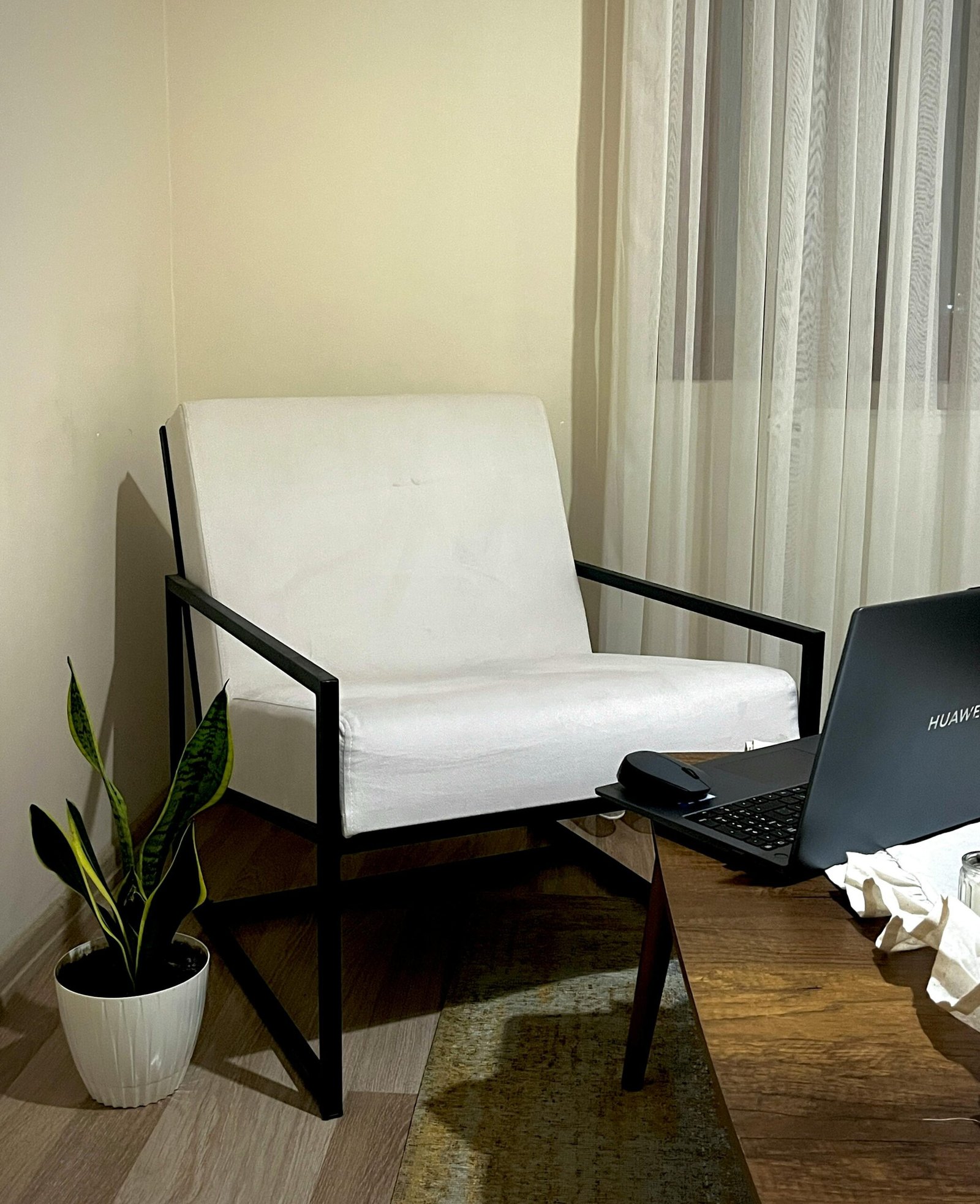
A tidy home isn’t the same thing as a home that’s constantly being cleaned. Plenty of people clean a lot and still feel like their space is always messy. That’s because the real issue usually isn’t dirt—it’s lack of systems.
If daily items don’t have clear “homes,” clutter will happen no matter how hardworking you are. Shoes pile up. Mail spreads across counters. Random objects migrate from room to room. Surfaces become drop zones. Then cleaning feels harder because you’re always cleaning around stuff.
The good news: you don’t need extreme minimalism or a full weekend of organizing chaos to stay tidy. You need a few simple, repeatable systems that work with real habits. Once the systems are in place, tidiness becomes something your home naturally returns to—without constant effort.
In this guide, you’ll learn practical home organization systems that are easy to maintain. You’ll learn how to set up “drop zones,” use containers correctly, build routines that take minutes (not hours), stop clutter at the source, and organize each room with simple logic.
Why homes get messy (even when people try hard)
Most mess comes from just a few root causes:
- No assigned home for daily items (keys, bags, shoes, mail)
- Not enough “easy access” storage (everything is shoved into random places)
- Too much stuff for the space (storage can’t keep up)
- Organizing systems that are too complicated (hard to maintain)
- No daily reset routine (small mess becomes big mess)
You can’t “motivate” your way out of these. You solve them with better systems.
The core principle: make tidy the default, not the goal
A system is successful when:
- it’s easy to use,
- it matches your habits,
- and it takes less effort than making a mess.
If putting things away takes too many steps, you won’t do it consistently. That’s not a character flaw. It’s just human behavior.
So every system in this guide follows one rule:
The easiest option should be the tidy option.
Step 1: Start with a “clutter audit” (find your top 5 clutter categories)
Before you buy bins or reorganize cabinets, identify what clutters your home the most. Most households have the same repeat offenders.
Common clutter categories:
- mail and paperwork
- shoes and bags
- laundry
- kitchen counter items (appliances, packaging, bottles)
- toys or hobby supplies
- cords and tech items
- “homeless items” (things with no clear home)
Write down your top 5. That’s your roadmap. You don’t need to organize everything at once—you need to handle what causes the daily mess.
Step 2: Create “drop zones” (the system that changes everything)
Drop zones are the single biggest difference between a home that stays tidy and one that constantly gets messy.
A drop zone is a designated spot where daily items land:
- keys
- wallet
- sunglasses
- bags
- shoes
When you don’t have drop zones, these items spread across every surface. When you do have drop zones, clutter stays contained.
The 3 essential drop zones
1) Key drop zone
- a tray, bowl, or small box near the entry
- keep it simple and visible
- “one tray rule”: if it doesn’t fit, it doesn’t belong there
2) Shoe drop zone
- a shoe rack, basket, or defined mat area
- keep only current-season shoes here
- rotate extras to a closet or storage bin
3) Bag/coat drop zone
- hooks (often the easiest system)
- a coat rack
- or a closet with a simple routine
Hooks win because they’re fast. Hangers can be too slow for daily habits.
Step 3: Use containers properly (containers are boundaries, not magic)
Bins and baskets are powerful, but only when used the right way.
A container should do one of two things:
- Contain a category
- Create a boundary limit
If you put random items in a basket, you didn’t organize—you just hid clutter.
The container rules that actually work
Rule 1: One container = one category
Examples:
- “winter accessories”
- “charging cables”
- “cleaning supplies”
- “kids art supplies”
- “pet supplies”
Rule 2: Use the “container limit”
If the container is full, you have too much for that category.
That’s the signal to edit, relocate, or upgrade the system.
Rule 3: Don’t oversize containers
Huge bins become “stuff black holes.” Medium containers keep categories controlled.
Rule 4: Prefer closed storage for daily mess
If it’s visually messy (cords, random items), store it behind doors or in bins so surfaces stay calm.
Step 4: Organize by frequency (the most underrated organizing method)
This is how professionals make systems feel effortless.
Frequency zones
- Daily use: easiest to reach, near where you use it
- Weekly use: reachable but not prime space
- Occasional use: higher shelves, deeper storage
- Rare use: storage bins, harder-to-reach areas
When daily items are stored too far away, clutter happens because you won’t walk across the home to put something away.
Example: kitchen frequency organization
- daily dishes and mugs: easy access near dishwasher
- cooking tools you use weekly: reachable drawer
- specialty appliances: cabinet or higher shelf
- holiday items: storage bin elsewhere
Frequency organizing reduces friction—which reduces mess.
Step 5: Stop clutter at the source (inflow control)
If you constantly receive more items than your home can hold, no system will last.
Common clutter inflows:
- mail and flyers
- online shopping packaging
- random freebies
- “just in case” items
- duplicates of tools and supplies
Simple inflow control habits
- open mail near a trash/recycle bin
- break down cardboard immediately
- set a rule: one new item in = one old item out (for certain categories)
- avoid buying organizing products until you’ve edited what you own
The tidiest homes are often not the ones with the best bins—they’re the ones with the best inflow habits.
Step 6: Build the “5-minute reset” routine (tidy without constant cleaning)
Most people don’t need a full cleaning session daily. They need a small reset that prevents clutter buildup.
The 5-minute reset (works for most homes)
- clear kitchen counters and sink zone
- return items to their drop zones
- put stray items in a “relocation basket” (more on that soon)
- quick floor pickup in main walkway areas
That’s it. Five minutes prevents tomorrow’s mess from becoming overwhelming.
Make it easier
Tie the reset to a consistent moment:
- after dinner
- before bed
- right after you get home
Consistency beats intensity.
Step 7: Use the “relocation basket” (a powerful system for busy households)
A relocation basket is a simple tool:
- place a basket in a central location
- during the day, any item that’s out of place goes into the basket
- once daily, carry the basket and return items to their homes
This prevents “wandering clutter” from covering surfaces. It’s especially helpful for:
- families
- shared apartments
- busy schedules
- people who get overwhelmed by scattered items
The relocation basket keeps the home looking tidy even when life is active.
Room-by-room organizing systems that actually stick
Let’s apply the core systems in each room.
Entryway: the clutter control headquarters
If the entry is messy, the whole home feels messy.
Entry systems to set up:
- key tray (drop zone)
- hooks for coats/bags
- shoe rack or basket
- optional: mail tray or file holder
Entry rule
Don’t overdecorate the entry. Keep it functional and calm so it stays tidy.
Kitchen: clear counters = tidy kitchen
Kitchens feel messy fast because counters are highly visible.
Kitchen organization systems
- create counter “zones” with trays:
- coffee zone
- sink zone (soap, sponge holder)
- store appliances you don’t use daily
- use drawer organizers for utensils and tools
- group pantry items by category (snacks, breakfast, baking)
The kitchen counter rule
The more items you keep on the counter, the harder it is to keep it tidy. Keep only daily essentials visible—and contain them.
Living room: keep surfaces calm
The living room gets messy from:
- remotes
- chargers
- blankets
- kids items
- random objects brought in from other rooms
Living room systems
- a tray on the coffee table for remotes
- a basket for blankets
- a closed storage solution (cabinet or bins) for items that don’t need to be visible
- relocate basket for items that don’t belong
The “one basket per purpose” rule
Blanket basket is for blankets only. Don’t let it become a random bin.
Bedroom: calm storage = better rest
Bedrooms can become clutter zones because they hold:
- clothes
- laundry
- accessories
- random items dropped at night
Bedroom systems
- a laundry basket that’s easy to access (and used daily)
- a simple nightstand setup (tray + essentials)
- drawers organized by category (not “stuff drawers”)
- under-bed storage for seasonal items
Bedroom rule
Make it easy to put clothes away by creating simple categories and not overstuffing drawers.
Bathroom: small space, big clutter
Bathrooms feel chaotic when counters are crowded.
Bathroom systems
- under-sink bins by category:
- backups (toothpaste, soap)
- hair supplies
- skincare
- cleaning items
- a tray on the counter for daily essentials
- keep extras out of sight
Bathroom rule
Clear counters create a spa feel. Counter clutter ruins it instantly.
Home office: systems for focus
Work zones become messy because of paper, supplies, and cables.
Office systems
- one drawer or bin for tech accessories (chargers, adapters)
- one file system for papers (even if simple)
- cable management so cords don’t spread
- a “daily reset” after work (2 minutes)
Office rule
Your desk should be mostly clear. A cluttered desk increases mental clutter and makes work harder.
Closet: the easiest place to win big
Closets feel messy when categories aren’t clear.
Closet systems
- group clothes by type (tops, bottoms, outerwear)
- store seasonal items separately
- create a “maybe” bin for items you’re unsure about
- keep the floor clear—floor piles quickly become permanent
Closet clarity makes getting ready faster and reduces daily mess in bedrooms.
The biggest organizing mistake: over-complicating the system
A system fails when:
- it requires too many steps
- it looks perfect but doesn’t match your routine
- it depends on constant motivation
- it creates more work than it saves
The best system is the one you’ll actually use even when you’re tired.
The “lazy test”
If you come home exhausted, will you still use the system?
If not, make it easier (hooks instead of hangers, trays instead of tiny boxes, larger categories instead of micro-categories).
A realistic home organization plan (do it in stages)
If you want a step-by-step plan that doesn’t overwhelm you:
Stage 1: Create drop zones (1 day)
- keys tray
- hooks for bags/coats
- shoe containment
This alone reduces daily mess dramatically.
Stage 2: Clear the main surfaces (1 day)
- kitchen counter zone
- living room coffee table/console
- bathroom sink area
Contain essentials with trays.
Stage 3: Set up category bins (1–2 days)
- under-sink bins
- closet seasonal bin
- tech accessories bin
- paper/mail system
Stage 4: Add the 5-minute reset routine (ongoing)
This is what makes the results last.
You can do this over a week or a month. The key is building systems you’ll maintain.
Quick troubleshooting: why your organizing system isn’t sticking
If clutter returns, it’s usually because:
- the home for the item is too far away
Fix: move storage closer to where you use it. - the category is too vague
Fix: define categories more clearly. - the container is too big
Fix: use smaller boundaries. - you have too much stuff
Fix: reduce quantity or increase storage. - you don’t have a daily reset
Fix: add the 5-minute routine.
Organizing isn’t a one-time event. It’s a set of systems and habits that reduce friction.
The real secret: tidy homes are built on small daily wins
A tidy home doesn’t require perfection. It requires:
- clear drop zones,
- category containers,
- frequency-based storage,
- and a quick daily reset.
Those systems reduce the need for constant cleaning because the home doesn’t get overwhelmed in the first place. When daily items have easy homes and surfaces stay calm, tidiness becomes automatic.
If you want the biggest results with the least effort, start here:
- set up entry drop zones,
- contain your kitchen counter essentials on trays,
- and do a 5-minute reset each night.
That combination changes everything.

Isabella Garcia is the creator of a blog dedicated to crafts and home care, focused on making everyday life more creative, organized, and enjoyable. The blog shares practical tips, easy DIY projects, home organization ideas, and simple solutions to take better care of your living space. Whether you’re a beginner in crafting or someone looking for inspiration to improve your home routine, Isabella’s blog offers clear, useful, and hands-on content to help you create a cozy, beautiful, and well-cared-for home.