
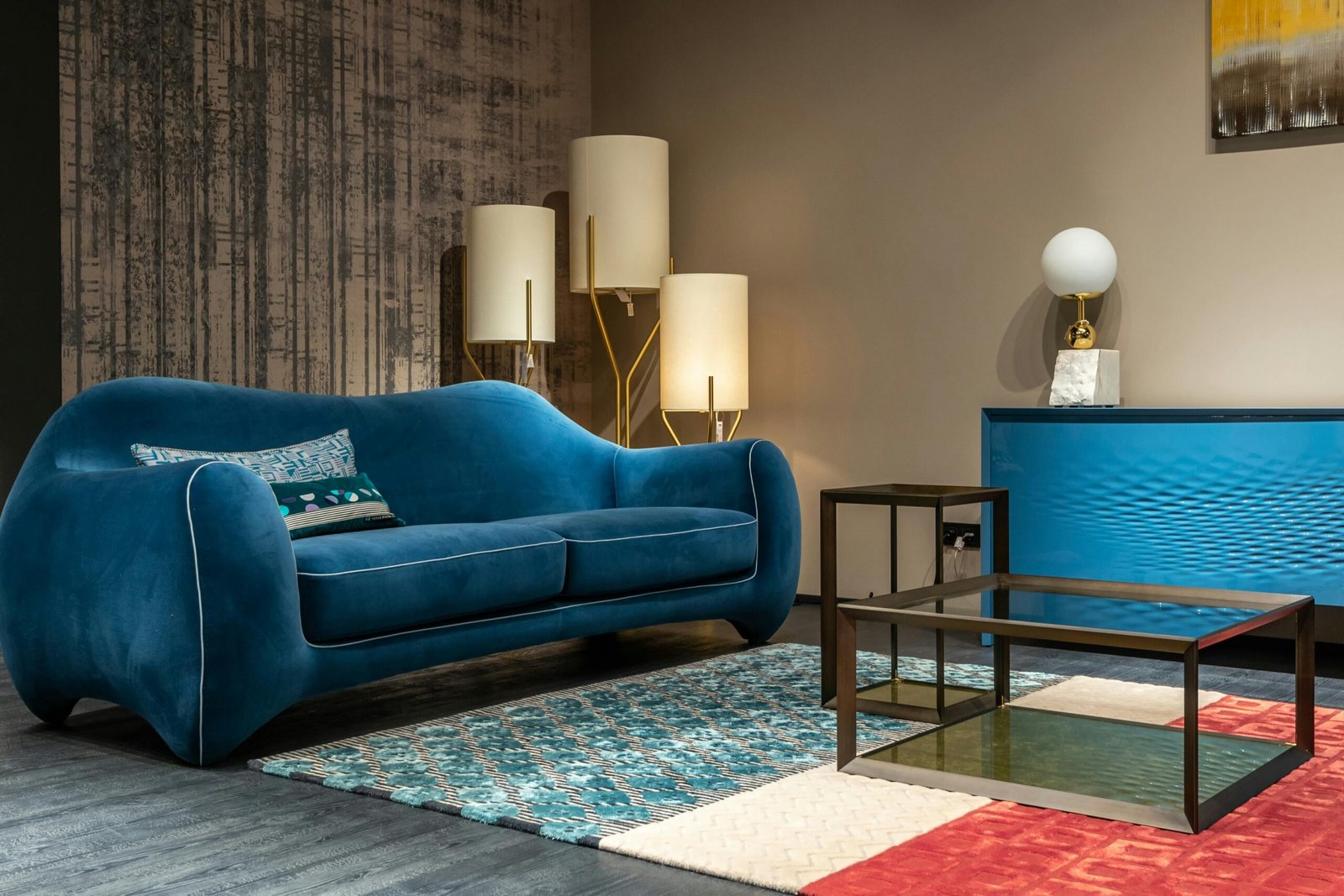
Your entryway is the first thing you and your guests experience when walking into your home. It’s the “transition zone” between the outside world and your personal space—and because of that, it carries a lot of weight. A messy entry can make your whole home feel chaotic, even if the living room is tidy. A calm, functional entryway, on the other hand, instantly makes the home feel organized, warm, and intentional.
The challenge is that many entryways aren’t ideal. Some are tiny corners near the door. Some are narrow hallways. Some open directly into the living room. Some have no storage at all. And some are basically just a door and a wall—nothing else. But a great entryway doesn’t require a huge space or a renovation. It requires a few smart decisions: layout, drop zones, storage, lighting, and a simple styling approach that looks good and stays easy to maintain.
In this article, you’ll learn exactly how to style an entryway so it feels clean and welcoming and actually works in real life. You’ll learn how to plan flow, choose the right furniture for small spaces, create no-fail drop zones for daily items, manage shoes and bags without clutter, use lighting to create warmth, and style the entry with a designer-level finish—without turning it into a decorative mess.
What makes an entryway feel welcoming and “finished”?
A stylish entryway almost always has three things:
- A clear system for daily items
Keys, bags, shoes, coats—everything needs an assigned home. - A clean visual structure
The space looks intentional because there’s a main piece (console, bench, shelf) and a focal point (mirror or art), not random objects scattered around. - A warm mood
Soft lighting, a cohesive palette, and one or two calm decorative elements make the entry feel like a home—not a hallway.
If you get these three right, your entryway instantly feels more expensive and more peaceful.
Step 1: Identify what your entryway needs to handle (real-life audit)
Before you buy anything, do a quick entryway audit. Your entry should support the way you actually live.
Ask yourself:
- How many people use this entry daily?
- Do you need shoe storage here (or do shoes go elsewhere)?
- Do you need a spot for packages/mail?
- Do you hang coats or do you prefer a closet?
- Do you need a mirror for quick checks before leaving?
- Do you need storage for dog leashes, umbrellas, or sports gear?
- Does the entry double as a hallway or pass-through area?
Your entryway design should solve your friction points, not someone else’s.
The biggest entryway mistake
Decorating an entryway like a “cute corner” while ignoring function. If the entry doesn’t handle daily habits, it will become clutter again—no matter how pretty it looks on day one.
Step 2: Protect the flow (entryways should feel easy to move through)
Entryways are movement zones. The number one priority is clear flow.
A simple flow check
Stand at your door and imagine:
- opening the door fully
- bringing in groceries
- taking off shoes
- placing keys down
- walking through the space
If furniture blocks any of these, the entry will feel annoying daily.
Flow rule that prevents most mistakes
Choose pieces that fit the space with breathing room:
- slim furniture for narrow entries
- wall-mounted solutions for tight corners
- benches only if they don’t create bottlenecks
A functional entryway doesn’t need to be filled. It needs to be usable.
Step 3: Create the three essential entry zones (the “always tidy” formula)
Most tidy entryways rely on three zones:
Zone A: Key + small items drop zone
This is where keys, wallet, sunglasses, and everyday small items land.
Easy options:
- tray on a console
- small bowl on a shelf
- a slim drawer in a console (even better)
Key rule:
If the key zone doesn’t exist, keys will land everywhere.
Zone B: Shoe containment zone
Shoes are the biggest visual clutter category in many homes.
Options:
- shoe rack
- baskets
- shoe cabinet (closed storage looks cleanest)
- a simple mat “shoe boundary” if you prefer minimal furniture
Shoe rule:
Keep only current-season shoes here. Extras get stored elsewhere.
Zone C: Bag/coat zone
This is often the difference between tidy and chaos.
Options:
- hooks (fastest and easiest to maintain)
- coat rack
- closet
- a bench with hooks above (classic entry setup)
If you’re tired at the end of the day, you’re not going to carefully hang everything on a hanger. Hooks are usually the best “real life” solution.
Step 4: Choose the right entryway furniture (based on space type)
Not all entryways need the same furniture. The best piece is the one that matches your layout and storage needs.
Option 1: Console table (best for medium and larger entries)
A console gives you:
- a surface for a tray and lamp
- space for a mirror or art above
- sometimes drawers for hidden clutter
Best for:
- entry areas with a bit of width
- spaces where you want a polished, “designed” look
To keep it clean:
- style the top minimally
- store everyday extras in drawers or baskets below
Option 2: Entry bench (best if you need shoe support)
A bench is perfect if:
- you take shoes off daily
- you need a seated spot
- you want a cozy entry look
Bench setups work best with:
- hooks above for bags/coats
- baskets below for shoes or accessories
Bench mistake to avoid:
Using the bench as a “stuff shelf.” If the bench gets piled with random items, it stops being functional and looks messy.
Option 3: Wall shelf + hooks (best for tiny entries)
This is the go-to solution for small apartments and tight rental entries.
A simple setup:
- one narrow wall shelf for keys
- hooks below for bags/coats
- a shoe basket or slim rack under
This creates a full entry system with almost zero floor footprint.
Option 4: Slim shoe cabinet (best for hiding visual clutter)
If shoes are the biggest problem, invest in a closed storage solution.
Closed storage instantly makes:
- the entry look cleaner
- the home feel calmer
- the space feel more “high-end”
If you love clean, modern design, closed storage is your best friend.
Option 5: Coat rack (best for rentals or flexible spaces)
If you can’t install hooks or you move often, a coat rack works well.
To make it look clean:
- avoid overloading it with everything you own
- keep it limited to daily-use items
- add a basket below for small accessories
Step 5: Add a mirror (the smartest entryway upgrade)
A mirror in the entryway is one of the highest-impact choices because it does three things:
- adds function (last look before leaving)
- reflects light (brightens the space)
- adds depth (makes entry feel larger)
Where to place an entry mirror
- above a console or shelf
- on a wall opposite or near a light source
- where it reflects a calm view (not clutter)
Mirror tip:
Choose a mirror large enough to feel intentional. Small mirrors can look lost in entryways.
Mirror shapes for style
- round mirror: soft, modern, friendly
- rectangular mirror: classic, structured
- arched mirror: elegant, designer-feel statement
Pick a frame finish that relates to your home’s hardware or decor metals (black, brass, nickel).
Step 6: Use lighting to make the entry feel warm (not cold)
Many entries feel uninviting because the lighting is harsh or nonexistent.
If you can add one thing, add a lamp:
- a small table lamp on a console
- a plug-in wall light if space is tight (when allowed)
- a floor lamp nearby if your entry flows into the living space
Why a lamp changes everything
Warm light at eye level creates immediate comfort. It makes the entry feel like a home, not a corridor.
The simplest lighting plan
- overhead light for functional brightness
- lamp for evening mood and warmth
Even an inexpensive lamp can create a luxury feel when paired with a tidy entry.
Step 7: Style the entryway like a designer (simple and calm)
Now the fun part: styling. The key is to keep it minimal because entryways clutter easily.
The “entry styling formula”
On a console or shelf:
- a tray (for keys and small items)
- a lamp or a small vase (pick one main item)
- one optional accent (a small plant or a candle-style object)
- leave breathing room
Above it:
- a mirror or one piece of art
That’s enough. Entryways look best when they feel calm, not crowded.
Use containment to avoid mess
Containment is the “designer trick” that keeps everyday life looking tidy:
- keys stay in a tray
- mail stays in one basket
- shoes stay within the shoe zone
- bags stay on hooks
When items are contained, the space looks curated instead of chaotic.
Step 8: Handle mail and packages (the hidden clutter category)
Mail and packages can destroy entryway calm fast. If you get deliveries often, plan for it.
Simple mail systems:
- one vertical file holder
- one basket labeled “mail”
- one drawer in a console dedicated to paper
Key mail rule:
Sort mail immediately near trash/recycling.
If mail sits for “later,” it becomes a pile.
For packages:
- choose a designated corner or basket if needed
- avoid leaving boxes in walkways
The goal is not perfection. It’s preventing a pile from becoming permanent.
Step 9: Shoe management that looks good (and stays realistic)
Shoes are a big deal because they’re visually loud.
Shoe rules that keep entries tidy
- limit the number of shoes in the entry
- store off-season shoes elsewhere
- contain shoes in a rack, cabinet, or basket
- avoid “shoes lined along the wall” if you want a polished look
What if your entry is too small for a shoe rack?
Options:
- a single basket for daily shoes
- a slim shoe cabinet
- store shoes in a nearby closet with a small mat by the door
The key is having a boundary. No boundary means shoes spread.
Step 10: Coat and bag solutions that don’t look messy
Coats and bags can visually overwhelm a small space.
Best systems
- wall hooks (fast and easy)
- closet with a simple routine
- coat rack for rentals
Make it look clean
- keep only daily-use coats and bags in the entry
- store the rest away
- avoid storing items on the floor
If you want an entry that looks expensive, control the coat/bag volume.
Step 11: Add a rug or runner (entry comfort and style)
A rug or runner can:
- protect floors
- add warmth
- define the entry zone
- make the space feel more finished
Rug tips for entryways
- choose something durable
- keep the pattern controlled (busy rugs can make small entries feel chaotic)
- ensure it doesn’t block doors
- choose a size that fits the entry zone (not too tiny)
A runner is especially helpful in narrow hallways.
Step 12: Keep the entry cohesive with the rest of the home
Entryways feel “designed” when they relate to your home’s overall style.
To create cohesion:
- repeat your metal finish (black, brass, nickel)
- repeat a wood tone direction (light or medium)
- keep colors within your home palette
- keep decor minimal but consistent
Even if your entry is small, cohesion makes it feel intentional.
Entryway setups by home type (quick solutions)
Tiny apartment entry (door opens into living room)
Best setup:
- wall shelf + hooks
- shoe basket
- mirror for light
- lamp on a nearby surface (if possible)
Goal:
Define the entry as a zone without adding bulky furniture.
Narrow hallway entry
Best setup:
- slim console or narrow wall shelf
- runner rug to define pathway
- mirror to add depth
- hooks placed strategically
Goal:
Keep the walkway clear while still providing function.
Open entry with more space
Best setup:
- console + mirror + lamp (classic)
- shoe cabinet or bench
- one larger statement piece (plant or art)
Goal:
Create a strong “welcome moment” that feels like a lobby—warm and polished.
Family entry (high traffic)
Best setup:
- bench + hooks above (one hook per person)
- baskets for accessories
- shoe storage with boundaries
- clear drop zones
Goal:
Create systems that can handle volume and still look tidy.
Common entryway mistakes (and how to fix them)
Mistake 1: No drop zone
Fix: add a tray or bowl for keys near the door.
Mistake 2: Too much furniture for the space
Fix: choose slimmer pieces or wall-mounted solutions.
Mistake 3: Shoes everywhere
Fix: contain shoes with a rack, basket, or cabinet and limit quantity.
Mistake 4: Coat chaos
Fix: use hooks and keep only daily-use coats in the entry.
Mistake 5: Too much decor
Fix: reduce decor and use one focal piece (mirror or art) plus one lamp.
Mistake 6: Cold lighting
Fix: add a lamp or warm accent light for evening glow.
A simple 30-minute entryway upgrade plan
If you want to improve your entry fast, do this:
- Clear the entry floor and surfaces.
- Add a key tray (drop zone).
- Contain shoes (basket or rack).
- Add hooks or a coat rack for bags/coats.
- Add a mirror if you don’t have one.
- Add a lamp if you can.
- Style the surface minimally: tray + one object + breathing room.
This creates a clean, functional entryway that stays easy to maintain.
The real secret: the best entryways are simple systems, not decoration
A beautiful entryway isn’t about filling the space with decor. It’s about solving everyday friction:
- Where do keys go?
- Where do shoes go?
- Where do bags and coats go?
- How do you keep the surface calm?
When those answers are clear, the entry stays tidy with minimal effort. Then the styling becomes easy: a mirror, a lamp, a tray, and one soft detail.
If you want your entryway to feel clean and welcoming every day, remember this:
Function first, containment second, style last.
That’s how you create an entry that looks polished, feels inviting, and doesn’t fall apart in a week.

Isabella Garcia is the creator of a blog dedicated to crafts and home care, focused on making everyday life more creative, organized, and enjoyable. The blog shares practical tips, easy DIY projects, home organization ideas, and simple solutions to take better care of your living space. Whether you’re a beginner in crafting or someone looking for inspiration to improve your home routine, Isabella’s blog offers clear, useful, and hands-on content to help you create a cozy, beautiful, and well-cared-for home.