
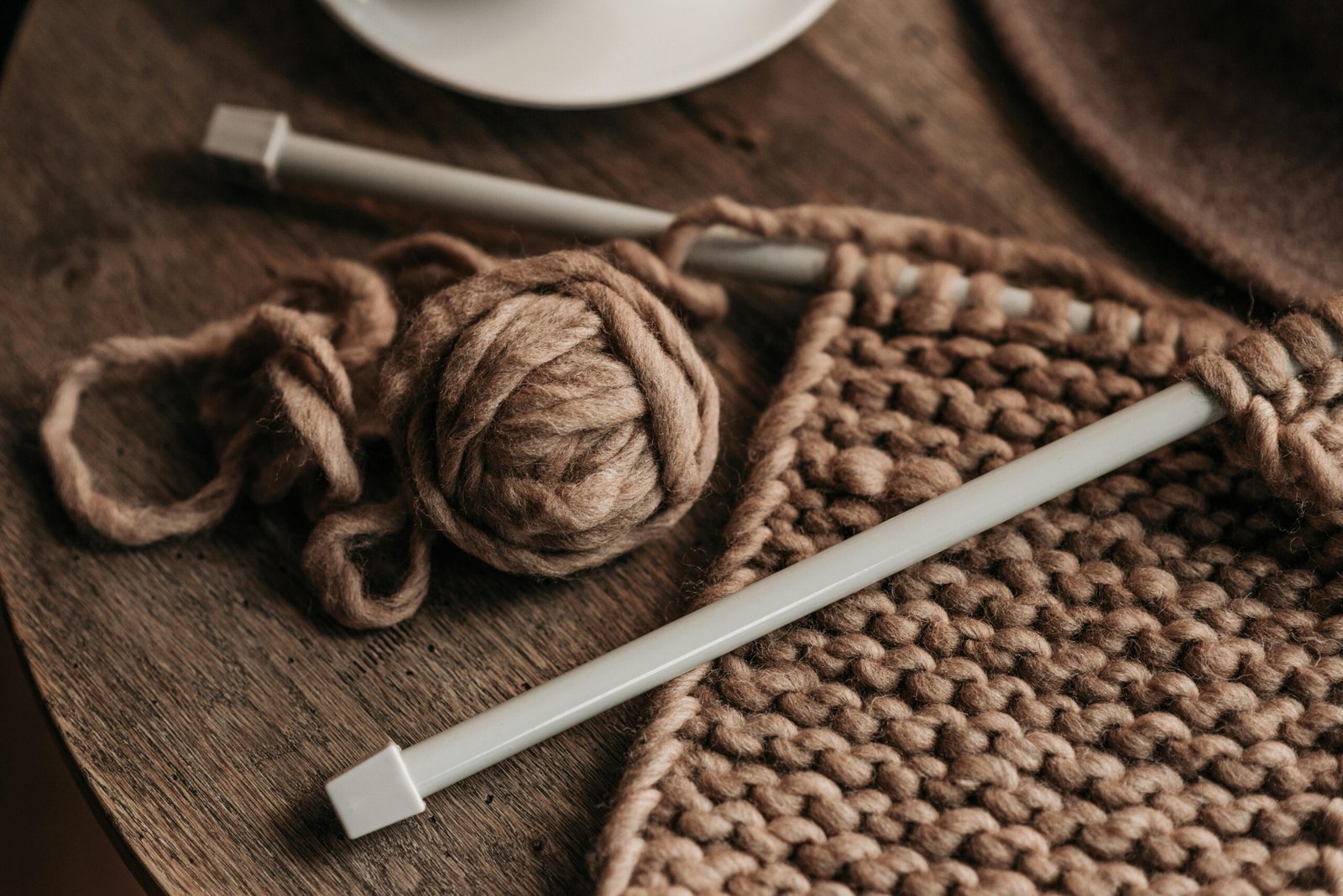
Crochet and knitting are supposed to feel relaxing—like a cozy, steady rhythm you can sink into. But for many beginners (and honestly, plenty of experienced crafters too), the reality can be sore fingers, tight wrists, aching forearms, or a stiff neck after a session. If you’ve felt that, it doesn’t mean you’re “doing it wrong” or that crafting “isn’t for you.” It usually means your body is asking for better setup, gentler tension, and more breaks.
The good news: you don’t need to overhaul everything or buy a closet full of special equipment. A few practical adjustments—how you sit, how tightly you grip, how long you crochet/knit without pausing, and how you pace your projects—can make a huge difference. This guide gives you clear, beginner-friendly habits that reduce strain and help you enjoy the craft for the long term.
First: A Quick Reality Check About Discomfort vs Pain
A little tiredness in your hands when you’re learning can be normal because you’re using muscles in new ways. But pain is a signal to change something.
- Normal: mild fatigue that fades after rest, slight stiffness early on that improves as you warm up
- Not normal: sharp pain, tingling or numbness, pain that lingers for hours or days, burning sensations, or symptoms that worsen every session
If you ever experience strong or persistent symptoms, it’s smart to pause and consider getting medical advice from a qualified professional. But for everyday “craft soreness,” the strategies below help most people a lot.
Why Crafting Can Cause Hand and Wrist Strain
Crochet and knitting both involve:
- Small repetitive movements
- Holding tools in a fixed position
- Controlling yarn tension with your fingers
- Often, leaning forward to see stitches clearly
These are perfect conditions for strain if you do them for long stretches without breaks, or if you grip tightly because you’re concentrating. Beginners especially tend to:
- Hold their breath (seriously!)
- Raise shoulders toward their ears
- Clamp the yarn for control
- Tighten stitches to “make them neat”
All of that increases effort and fatigue. Comfort comes from reducing effort.
The Biggest Comfort Upgrade: Your Setup and Posture
Before you change your stitches or buy ergonomic tools, look at your setup. Posture affects your hands more than most people realize because tension in shoulders and neck often shows up later as wrist and hand discomfort.
Your “Comfort Base” Checklist
Try to build this baseline when you craft:
- Sit with feet supported (floor or footrest)
- Keep hips and knees comfortable, not twisted
- Let elbows rest close to your body (not flared out)
- Support forearms on armrests, a pillow, or your lap
- Keep shoulders down and relaxed
- Keep your head stacked over your spine (avoid “turtle neck” leaning)
A surprisingly effective trick: put a pillow in your lap. It lifts your project closer to you, which helps your shoulders and neck relax.
Don’t “Hover” Your Arms
Many beginners crochet/knit with their arms floating in the air. That quickly tires shoulders and forearms.
Instead:
- Rest your forearms on something
- Let your lap or a pillow carry the weight of your work
- Keep movements small and controlled
Lighting: The Silent Neck Saver
Poor lighting makes you lean forward, squint, and tense up. Better lighting makes everything feel easier.
- Use bright overhead light
- Add a lamp aimed at your hands if needed
- Choose light/medium yarn colors when learning (dark yarn forces extra strain)
If you notice your shoulders creeping up, it’s often a lighting/visibility issue, not a hand issue.
Tension: The #1 Hand Pain Trigger for Beginners
If your stitches are very tight, your hook/needles have to work harder, and your hands follow. Tight tension is one of the fastest routes to sore fingers and wrists.
Signs Your Tension Is Too Tight
- Hard to insert hook/needle into stitches
- You feel like you’re “wrestling” your tools
- Your hands get tired quickly
- Your fabric is stiff when it should be soft
- Your grip keeps tightening as you go
What to Do Instead
- Go up a tool size. For crochet, try +0.5 mm. For knitting, try one needle size larger.
- Stop tightening after every stitch. Many beginners tug the yarn unconsciously to “clean up” the stitch.
- Let loops stay slightly roomy on the tool shaft, not tiny on the tip.
You don’t need to force your hands into “perfect tension” immediately. Often the easiest fix is simply using a slightly larger hook/needle so the fabric forms comfortably.
Grip Pressure: Your Hands Don’t Need a Death Grip
A common beginner mistake is holding the hook/needles like you’re trying to keep them from escaping. But tools work best when held with “firm gentleness.”
How to Tell If You’re Gripping Too Hard
- Your fingers feel sore where they press the tool
- You see indentations in your skin after a session
- Your thumb aches
- Your hand cramps early
- Your shoulders and jaw feel tense too
Quick Grip Reset (Try This Mid-Project)
Every few minutes, do a 5-second check:
- Drop your shoulders
- Unclench your jaw
- Loosen your grip slightly
- Take one slow breath
- Resume slowly for the next 5 stitches
This sounds small, but it trains your body out of the “stress grip” habit.
Breaks: The Best Skill You Can Learn Early
A lot of strain comes from doing the same motion for too long without rest. Even if your technique is solid, long unbroken sessions can still cause soreness.
The “Micro-Break” Rule
Try a simple rhythm:
- Break for 20–30 seconds every 10–15 minutes
- Or break for 2–3 minutes every 30 minutes
During the break:
- Put your tools down
- Shake your hands gently
- Roll your shoulders
- Look at something far away (helps eye strain and posture)
Micro-breaks prevent tension buildup. They’re more effective than waiting until your hands hurt and then stopping for the day.
A Beginner-Friendly Session Plan
If you’re learning:
- Craft in short sessions (10–20 minutes)
- Stop while you still feel okay
- Come back later
This builds muscle memory without overload. It’s like practicing an instrument—short, consistent practice beats one long grind.
Gentle Stretching and Warm-Up Habits
You don’t need a complicated routine, but a little warm-up helps your hands feel looser. Keep it gentle—never force stretches.
Before You Start (1–2 minutes)
- Open and close your hands slowly 10 times
- Rotate wrists gently in circles (both directions)
- Roll shoulders forward and back
- Take a slow breath and relax grip intentionally
During Breaks (30 seconds)
- Shake hands loosely
- Stretch fingers wide, then relax
- Straighten your elbows and let arms hang for a moment
After You Finish (1 minute)
- Slow wrist circles
- Shoulder roll
- Light finger wiggles
These habits are simple, but they reduce the “stiff hands later” effect.
Tool Choices That Can Reduce Strain
You can crochet/knit comfortably with basic tools, but certain tool choices make comfort easier—especially if your hands get sore quickly.
Crochet: Ergonomic Hooks
Ergonomic hooks have thicker handles, which reduce the need to pinch tightly.
They can help if:
- Your thumb cramps
- Your grip is very tight
- You crochet longer sessions
If you don’t want to buy new hooks right away, you can also add grip to a standard hook with a soft handle cover (even a DIY solution like a foam grip can work).
Knitting: Needle Material and Needle Type
- Wood/bamboo needles: slightly grippy, reduce accidental slipping (often less hand stress for beginners)
- Metal needles: smooth and fast, but can feel slippery if tension is uneven
Also consider:
- Circular needles can reduce strain for larger projects because the weight rests on the cable/lap, not your hands.
Choose the Right Yarn for Comfort
Some yarns are harder on your hands:
- Cotton can feel less stretchy and may increase effort if you knit/crochet tightly
- Very splitty yarn forces extra control
- Fuzzy yarn makes you squint and tense up
Beginner comfort pick:
- Smooth worsted acrylic or a soft blend (easy glide, easy visibility)
Project Choice Matters: Some Projects Are “Hard Mode” on Hands
Not all crochet/knitting feels the same physically. Some projects naturally encourage tighter tension or repetitive stress.
Usually Easier on Hands
- Simple scarves with medium yarn and medium hook/needles
- Garter stitch knitting
- Double crochet or half double crochet crochet (more glide, less dense)
Can Be Harder on Hands (Especially for Beginners)
- Tight single crochet for long periods
- Very small hooks or needles
- Extremely thin yarn
- Dense projects like stiff bags
- Highly detailed work that requires constant tension control
That doesn’t mean “never do them.” It just means balance them with easier projects and take more breaks.
The “Tight Beginner” Problem: How to Loosen Without Losing Control
Many beginners fear that looser stitches will look messy. So they tighten up, and the hands pay for it.
Here’s the mental shift that helps: consistency beats tightness.
How to Build Control While Staying Relaxed
- Slow down on the first few stitches of each row/round (that’s where tension spikes)
- Use the tool shaft as your “loop size guide” (don’t shrink loops on the tip)
- Practice with larger hooks/needles for a while, then size down later if needed
- Accept that early stitches may be uneven—your hands are learning
If your stitches look uneven, it’s usually not because you’re too loose; it’s because your loop size changes from stitch to stitch. Focus on making the loop size consistent rather than making it tight.
Avoiding Wrist Strain: Reduce Big Motions
Strain often comes from using your wrist like a hinge repeatedly. It’s common with crochet knife grip or with certain knitting styles if the motion is exaggerated.
What Helps
- Use smaller, more finger-led movements
- Keep the work close to your body
- Rest forearms so the wrist isn’t doing all the lifting
- Pause and reset if you notice “wrist swinging”
Think “small motions, steady rhythm.”
Neck and Shoulder Pain: The Hidden Side Effect
Sometimes you think your hands hurt, but the real root cause is your upper body posture. If your shoulders are tense and your neck is forward, your arms and hands often compensate.
Signs This Might Be You
- Neck stiffness after crafting
- Shoulder tightness
- Headaches
- Tingling in arms/hands (can happen from posture stress)
Fixes That Work Fast
- Raise your work with a pillow
- Improve lighting so you don’t lean in
- Drop shoulders consciously every few minutes
- Sit back fully in your chair instead of perching on the edge
Crochet/knitting should not feel like hunching over homework. If it does, your setup needs an upgrade.
How to Pace a Project So Your Hands Don’t Burn Out
Sometimes pain comes from excitement: you start a new scarf and do three hours straight because you’re motivated. Totally relatable—and also a recipe for soreness.
The “Chunking” Method
Break your project into small chunks:
- “I’ll do 10 rows, then break.”
- “I’ll finish one repeat, then stretch.”
- “I’ll crochet for 15 minutes, then stop.”
It keeps progress steady without overload.
Rotate Tasks
Instead of doing the same motion for an hour:
- Crochet a bit, then weave ends later
- Switch between stitch types (dc for a while, then a different section)
- If you knit, alternate knit-heavy sections with a different task
Variety reduces repetitive stress.
A Simple Comfort Routine You Can Use Every Time
Here’s a practical, no-fuss routine you can repeat.
Before You Start (2 minutes)
- Bright light on
- Pillow under project (if helpful)
- Shoulders down
- 10 hand open/close reps
- 5 gentle wrist circles each direction
During Crafting
- 10–15 minutes crafting
- 30 seconds break: shake hands, drop shoulders, breathe
- Repeat
After You Finish (1 minute)
- Put tools down
- Gentle wrist circles
- Shoulder roll
- Stop before pain starts
If you build this habit early, you’ll protect your hands long-term.
When to Change Something Immediately
If you notice any of these, adjust right away:
- You’re forcing the tool through stitches
- Your grip keeps tightening
- Your shoulders are raised
- Your hands feel tingly or numb
- Pain starts and doesn’t fade after a short break
Try: bigger hook/needle, looser tension, better arm support, and shorter sessions. If symptoms persist, consider seeking professional guidance.
The Main Takeaway: Comfort Is a Skill You Practice
People often treat discomfort as the price of learning. But comfort is part of learning. When your setup is supportive, your tension is relaxed, and your breaks are regular, your stitches actually improve. You’ll crochet and knit longer, enjoy it more, and progress faster—because you’re not fighting your tools or your own hands.
Your goal as a beginner isn’t to crochet or knit for hours straight. Your goal is to build a sustainable rhythm: relaxed grip, steady tension, small movements, and frequent breaks. That’s how crafting becomes the soothing hobby it’s meant to be.
Isabella Garcia is the creator of a blog dedicated to crafts and home care, focused on making everyday life more creative, organized, and enjoyable. The blog shares practical tips, easy DIY projects, home organization ideas, and simple solutions to take better care of your living space. Whether you’re a beginner in crafting or someone looking for inspiration to improve your home routine, Isabella’s blog offers clear, useful, and hands-on content to help you create a cozy, beautiful, and well-cared-for home.