
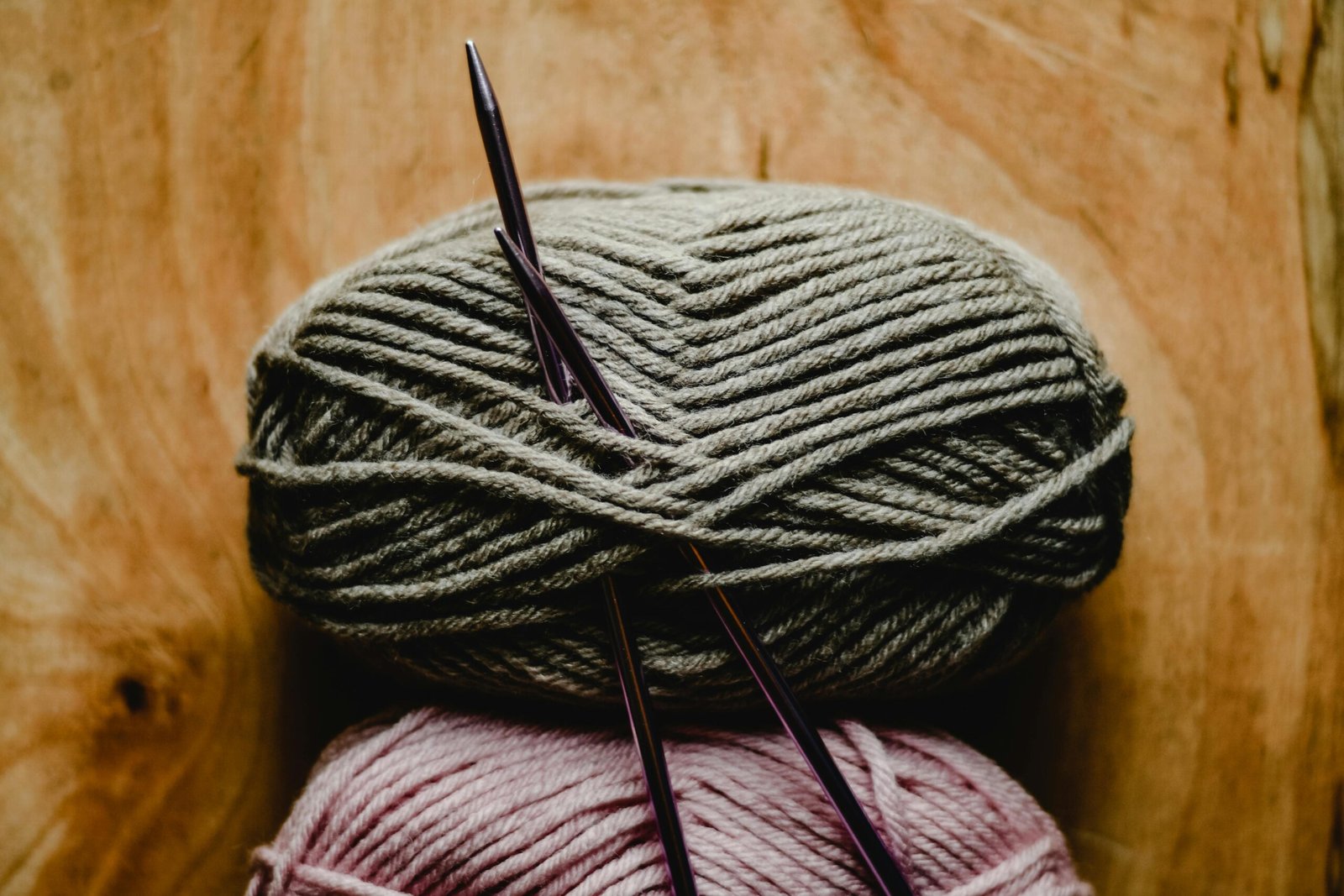
Blocking is one of those craft words that sounds advanced—like something only “serious” crocheters and knitters do. But blocking is simply the process of shaping your finished piece so it looks cleaner, lies flatter, and shows off the stitch pattern better. Even a beginner scarf, granny square, or dishcloth can look noticeably more polished with the right kind of blocking.
The key is doing it in a way that matches your yarn fiber. Some yarns respond beautifully to gentle water blocking. Others don’t change much (and that’s okay). And some need extra care so you don’t accidentally stretch, warp, or damage your work.
In this guide, you’ll learn exactly what blocking is, when it’s worth doing, the three main beginner-friendly blocking methods, and how to block safely based on common yarn fibers like acrylic, cotton, and wool.
What Is Blocking?
Blocking is a finishing technique where you:
- Dampen or lightly wet your crochet/knit piece (depending on method)
- Shape it into the dimensions you want (flat, square, straight edges)
- Let it dry fully in that shape
Blocking can:
- straighten edges
- smooth ripples
- open up lace patterns
- even out stitch tension
- help pieces match size before joining (very useful for granny squares)
Blocking doesn’t magically fix huge mistakes, but it can dramatically improve the look of a project that’s already close.
Do Beginners Really Need to Block?
Not always. If your project is:
- a casual scarf for everyday use
- a dishcloth that will be washed constantly
- a chunky blanket where a little waviness looks cozy
…blocking is optional.
But blocking is especially helpful when:
- your piece is curling (common in knitting stockinette)
- your edges look wavy or uneven
- you’re joining multiple pieces (granny squares, panels)
- you made lace or open patterns
- you want the project to look more “finished” for photos or gifting
If you’re building a blog portfolio, blocking can make your finished items look noticeably more professional in pictures.
What Blocking Can (and Can’t) Do
Blocking can:
- flatten a curling edge (especially in knitting)
- make granny squares more square
- smooth minor tension inconsistencies
- open up lacy stitches so they look like the pattern
- help measurements match (important for wearables)
Blocking can’t:
- fix a project that’s the wrong size by a lot (it can stretch some fibers, but it’s not a miracle)
- fix incorrect stitch counts or big shaping mistakes
- make acrylic behave like wool (different fibers respond differently)
Blocking is a “finish and refine” step, not a rescue mission.
The Three Main Blocking Methods (Beginner-Friendly)
There are three main ways to block crochet and knitting:
- Wet blocking (soak)
- Spray blocking (mist)
- Steam blocking (steam + shape)
The best method depends on yarn fiber and project type.
Method 1: Wet Blocking (Soak Blocking)
Wet blocking means soaking your item in water, gently removing excess water, shaping it, and letting it dry flat.
Best for:
- wool and wool blends
- cotton
- lace projects
- granny squares that need to be squared up
Not ideal for:
- some acrylic projects (acrylic doesn’t “set” the same way; it can still benefit slightly, but results vary)
How to wet block step-by-step
- Fill a basin with cool or lukewarm water.
- Submerge the item and let it soak for 10–20 minutes.
- Gently squeeze (do not wring) the water out.
- Roll the item in a towel and press to remove more water.
- Lay the item flat on a blocking surface.
- Shape it to the correct dimensions.
- Pin it (optional) if you need precise edges.
- Let it dry completely—this can take many hours depending on thickness.
Beginner tips for wet blocking
- Always support the item when lifting it wet (wet fabric can stretch under its own weight).
- If you’re blocking something that can stretch easily, shape gently and don’t overpull.
- For pieces that must match (like multiple squares), measure and pin them to the same size.
Method 2: Spray Blocking (Mist Blocking)
Spray blocking uses a spray bottle to lightly dampen the fabric instead of soaking it.
Best for:
- small items like granny squares
- pieces that only need minor shaping
- projects where you want less stretching risk
- when you don’t want to fully soak the item
How to spray block step-by-step
- Lay your item flat on a towel or blocking surface.
- Use a spray bottle to mist evenly until it’s damp (not drenched).
- Shape the item to the desired size.
- Pin it if you need crisp edges.
- Let it dry completely.
Beginner tips for spray blocking
- Mist both sides if the fabric is thick.
- Use a clean spray bottle and avoid harsh additives.
- Spray blocking is great for “touch-ups” without much effort.
Method 3: Steam Blocking (Steam + Shape)
Steam blocking uses steam (usually from an iron or garment steamer) to relax fibers so you can shape the fabric.
Best for:
- acrylic (especially)
- blends that respond well to heat
- projects that need flattening or smoothing
Important caution
Steam blocking can permanently change acrylic if you apply too much heat. Acrylic is plastic-based; excessive heat can “kill” the fiber’s bounce and make it limp. That’s not always bad (some people want that drape), but it’s permanent.
So steam blocking is powerful—use it carefully.
How to steam block step-by-step (safe beginner method)
- Lay item flat on a towel or blocking surface.
- Shape it gently and pin if needed.
- Hold a steamer or iron above the fabric (do not press down).
- Let steam flow over the fabric in small sections.
- Keep the heat source moving—don’t hover too long in one spot.
- Let the piece cool and dry fully before removing pins.
Steam blocking beginner tips
- Never press an iron directly onto acrylic crochet/knit fabric.
- Use steam from a distance (a few inches above).
- Test on a small swatch first if you’re unsure how your yarn reacts.
What You Need for Blocking (Without Buying Fancy Gear)
You can block with basic household items. You don’t need special mats if you’re just starting.
Beginner-friendly blocking supplies
- A towel (or two)
- A flat surface (bed, table, floor)
- Measuring tape (helpful)
- Rust-proof pins (helpful for precise shaping)
- A spray bottle (for mist blocking)
- Optional: foam mats (nice but not required)
Blocking surface options
- A folded towel on a bed
- A yoga mat covered with a towel
- Cardboard covered with a towel (not ideal for heavy wet items, but okay for small squares)
- Foam play mats or exercise mats (common DIY option)
The main goal is a flat surface that you can pin into (if needed) and that can tolerate a little moisture.
How to Block Granny Squares So They Look Perfect
Granny squares are one of the best reasons to learn blocking, because even slightly uneven squares can make joining difficult.
Simple granny square blocking method (spray or wet)
- Lay square flat on a towel.
- Mist or dampen it.
- Pull gently at corners to square it.
- Pin corners first, then pin edges if needed.
- Let dry fully.
The “same size” trick
If you have many squares, block them all to the same measurement. Use a ruler or measuring tape and pin each square to match. This makes joining easier and the final blanket look more consistent.
Blocking Knitting: The Curling Problem and the Fix
Knitting, especially stockinette stitch, curls at the edges naturally. Blocking can reduce the curl, but note:
- Blocking helps a lot, but stockinette still wants to curl.
- The most reliable cure for curling is adding a border (garter stitch, ribbing, seed stitch).
Still, blocking can:
- flatten and smooth the fabric
- improve drape
- make stitch definition clearer
For a stockinette scarf, blocking can make it look nicer, but adding a border is what truly fixes curling long-term.
Blocking by Fiber Type (This Is the Most Important Part)
Different fibers behave very differently. Here’s a beginner-friendly guide.
Acrylic
- Responds best to steam blocking
- Wet blocking often has minimal effect
- Too much heat can permanently soften/flatten acrylic (sometimes desired, sometimes not)
Beginner recommendation:
- Try gentle steam from a distance
- Avoid direct iron contact
Wool (and many animal fibers)
- Responds beautifully to wet blocking
- Shapes well and can “set” in place
- Often benefits most from blocking
Beginner recommendation:
- Wet block for best results
- Lay flat to dry, reshape gently
Cotton
- Responds well to wet or spray blocking
- Can stretch when wet
- Often blocks flatter, but may relax over time with use
Beginner recommendation:
- Damp block and shape gently
- Avoid over-stretching when wet
Blends
Blends vary. Check the label and test on a swatch if you’re unsure.
How Much Should You Stretch When Blocking?
A beginner mistake is stretching too aggressively. Blocking should shape the fabric, not pull it into a new project.
A good rule:
- Shape to intended measurements
- Smooth out wrinkles or curls
- Don’t pull until the fabric looks strained or overly open unless you’re purposely “opening” lace
For lace, you often do pull and pin more deliberately to reveal the pattern—but even then, it should be controlled and even.
How Long Does Blocking Take?
Blocking takes as long as drying takes.
- Thin items: may dry in a few hours
- Thick items: can take overnight or longer
- Humid environments: longer dry times
Don’t remove pins early. If you do, the fabric can shift as it finishes drying and lose the shape you set.
Common Blocking Mistakes (and How to Avoid Them)
Mistake 1: Not letting the item dry completely
Fix: leave it longer than you think. Damp fabric relaxes and can change shape.
Mistake 2: Stretching too hard
Fix: shape gently and measure. Pulling too much can permanently distort some fibers.
Mistake 3: Using direct heat on acrylic
Fix: keep iron/steamer above the fabric. Never press down on acrylic.
Mistake 4: Not supporting the piece when wet
Fix: lift wet items carefully. Wet fabric can stretch under its weight.
Mistake 5: Blocking without checking care instructions
Fix: read the yarn label. Some yarns prefer cool water, gentle handling, or specific drying methods.
A Simple Beginner Blocking Routine You Can Use Today
If you want the easiest possible starting method, do this:
For crochet squares or small rectangles (spray blocking)
- Lay item flat on a towel
- Mist until damp
- Shape edges and corners
- Let dry fully
For wool or cotton projects that need serious shaping (wet blocking)
- Soak 10–20 minutes
- Towel roll to remove water
- Shape flat and pin if needed
- Dry fully
For acrylic projects (steam blocking)
- Pin flat if needed
- Steam from a distance
- Let cool and dry
This covers most beginner projects safely.
The Takeaway: Blocking Is the Finishing Touch That Makes Projects Look “Done”
Blocking is one of the easiest ways to make crochet and knitting look more polished without learning new stitches or buying expensive supplies. It’s especially powerful for granny squares, lace, and anything that needs to lie flat or match a specific shape.
Start simple: mist small pieces, wet block wool and cotton when needed, and use gentle steam for acrylic. With a little practice, blocking becomes a quick finishing step that instantly upgrades your projects.
Isabella Garcia is the creator of a blog dedicated to crafts and home care, focused on making everyday life more creative, organized, and enjoyable. The blog shares practical tips, easy DIY projects, home organization ideas, and simple solutions to take better care of your living space. Whether you’re a beginner in crafting or someone looking for inspiration to improve your home routine, Isabella’s blog offers clear, useful, and hands-on content to help you create a cozy, beautiful, and well-cared-for home.