
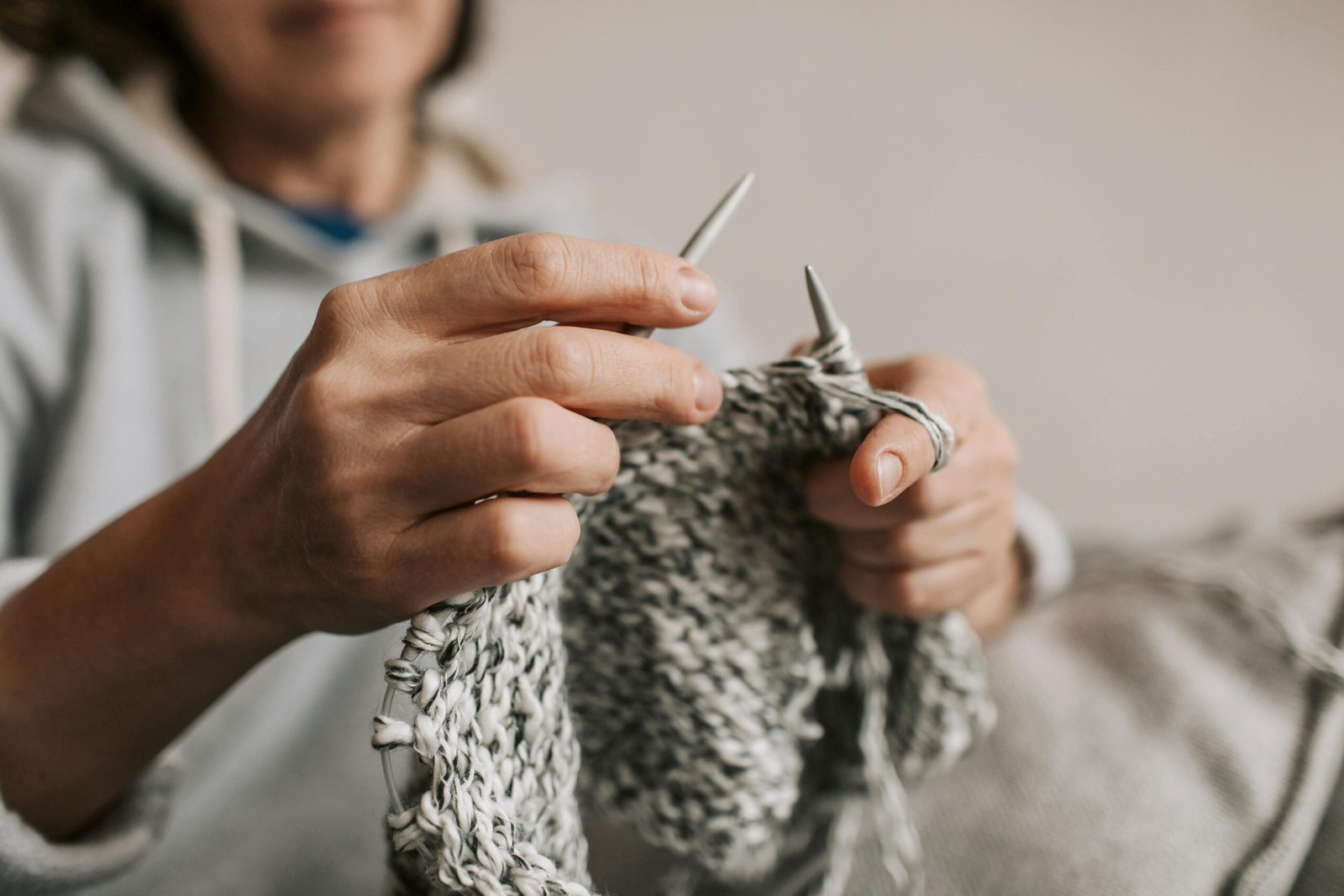
It’s incredibly easy to overbuy when you’re starting crochet or knitting. Craft stores and online shops are full of “starter kits,” fancy needle sets, cute gadgets, and tools labeled “essential”—even though many experienced crafters use the same small core kit for years.
This guide will help you build a beginner tool setup that’s simple, affordable, and genuinely useful. You’ll learn what you need for crochet, what you need for knitting, which tools overlap, what’s nice-but-optional, and what to skip until you know you’ll actually use it.
The goal is not to own everything. The goal is to start smoothly, learn faster, and finish your first projects with less frustration.
The Beginner Tool Rule: Buy for the Next 1–3 Projects
The biggest mistake beginners make is buying supplies for a hobby they haven’t fully tried yet. Instead, buy tools that support your next few projects:
- a coaster or dishcloth
- a scarf
- a granny square or simple headband
Once you complete a few items, you’ll know what you love and what you can ignore—saving money and clutter.
The “Shared Essentials” (Crochet + Knitting)
These tools are useful for both crafts and belong in every beginner kit.
1) Yarn needle (tapestry needle)
A yarn needle is used to weave in ends and sew pieces together.
What to look for:
- blunt tip (won’t split yarn)
- large eye (easy to thread)
This is not optional if you want a finished project that holds up.
2) Scissors (small and sharp enough)
You don’t need special crafting scissors, but you do need something that cuts yarn cleanly.
Tip: keep one pair dedicated to yarn so it stays sharp.
3) Stitch markers (or substitutes)
Markers help you avoid losing your place, especially at edges and in rounds.
Good for:
- marking the first/last stitch in a row
- marking the start of a round
- tracking pattern repeats
Budget substitutes:
- paper clips
- small safety pins
- bits of contrasting yarn tied loosely
4) Measuring tape (helpful, not mandatory for day one)
Measuring tape becomes important once you make:
- scarves you want a certain length
- wearables (headbands, hats)
- anything where size matters
If you’re only practicing swatches, you can skip it at first.
5) A project bag
This can be a simple tote or zip pouch. It keeps:
- yarn from tangling
- hooks/needles from disappearing
- your project clean
If you’ve ever lost a hook in a couch, you’ll understand why this matters.
Beginner Crochet Tools: The Minimal Setup
1) Crochet hooks (start with 1–2 sizes)
You can start crochet with one hook, but having two nearby sizes helps you adjust if tension is too tight or too loose.
Best beginner hook sizes for worsted weight (#4) yarn:
- 5.0 mm (H/8)
- 5.5 mm (I/9)
If you want one safe choice: 5.0 mm.
Hook material: what’s easiest for beginners?
- Aluminum/metal: smooth, common, easy to find
- Bamboo/wood: slightly grippy (good if stitches slip too much)
- Plastic: quality varies (can snag)
Beginner recommendation:
- Start with a comfortable metal or bamboo hook that feels smooth.
Ergonomic hooks (optional, but great for comfort)
Ergonomic hooks have thicker handles, which can reduce hand strain—especially if you grip tightly.
Consider an ergonomic hook if:
- your thumb cramps
- you crochet for longer than 20–30 minutes
- you feel pressure points from a thin hook handle
2) A simple stitch counter (optional)
You can count rows with your eyes, but a counter can help when you’re learning.
Budget options:
- a notebook
- notes app on your phone
- a clicker counter
Not required, but helpful for staying organized.
Beginner Knitting Tools: The Minimal Setup
1) Knitting needles (start with one size)
For beginners, the simplest path is choosing one needle size that works well with common beginner yarn.
Best beginner needle sizes for worsted weight (#4) yarn:
- US 8 (5.0 mm)
- US 9 (5.5 mm)
If you want one safe choice: US 8 (5.0 mm).
Straight vs circular needles: which is better for beginners?
Many beginners assume circular needles are “advanced.” They aren’t.
Straight needles
- classic and simple
- great for scarves and flat practice
- can feel long and awkward for some people
Circular needles
- can be used flat and in the round
- weight rests in your lap (often more comfortable)
- stitches are less likely to slide off the ends
- more versatile long-term
Beginner recommendation:
- If comfort matters, consider a circular needle in US 8 with a 24–32 inch cable. You can knit a scarf flat on it easily.
Needle material: what should beginners choose?
- Wood/bamboo: grippy, reduces slipping (often best for beginners)
- Metal: smooth and fast (can feel slippery early on)
- Plastic: varies, can squeak or snag
Beginner recommendation:
- Start with wood/bamboo needles if you can.
2) Needle gauge (optional)
A needle gauge helps you confirm needle sizes. Useful if:
- you inherit needles without labels
- you buy needles that wear off markings
Not required at the start, but handy later.
The “Nice-to-Have” Tools (Worth It After You Finish a Few Projects)
These tools can be helpful, but they’re not necessary on day one.
1) Row counter
Useful for:
- tracking rows in scarves, hats, sleeves
- following patterns with repeats
You can also use:
- a phone counter app
- pen and paper
2) Blocking tools (mats and pins)
Blocking helps shape and polish finished pieces. You don’t need fancy mats immediately.
Beginner DIY blocking:
- towel on a bed + a few pins
Buy mats/pins later if you start blocking often—especially granny squares or lace.
3) Yarn bowl (nice, not necessary)
Keeps yarn from rolling away and helps it feed smoothly. You can substitute:
- a bowl from your kitchen
- a bag with a small opening
4) Small crochet hook for fixing mistakes
A tiny hook can help pick up loops or fix small issues, especially in knitting. Not necessary at first, but handy later.
5) Needle set or hook set (later upgrade)
Sets can save money long-term, but only if you know what sizes you actually use.
A set becomes worth it when:
- you crochet/knit regularly
- you make multiple types of projects
- you’ve learned what materials and handle styles you like
Tools Beginners Should Usually Skip (At First)
These aren’t “bad,” but they often don’t help beginners and can lead to wasted money.
1) Giant hook or needle sets immediately
You’ll likely use only one or two sizes at first.
2) Complicated gadgets
Things like fancy stitch holders, pattern trackers, and specialty tools can be helpful later—but early on, they’re often distractions.
3) Novelty yarn tools (and novelty yarn itself)
The best beginner “tool” is yarn you can see clearly. Skip fuzzy, eyelash, or super textured yarn until you can read stitches easily.
The Best Beginner Shopping Lists
Here are simple, reliable kits you can buy without overthinking.
Minimal Crochet Starter Kit
- 1 smooth worsted weight yarn skein (#4), light/medium color
- 5.0 mm crochet hook (plus 5.5 mm if you want a backup size)
- yarn needle
- scissors
- stitch markers (or paper clips)
Minimal Knitting Starter Kit
- 1 smooth worsted weight yarn skein (#4), light/medium color
- US 8 (5.0 mm) knitting needles (straight or circular)
- yarn needle
- scissors
- stitch markers (optional but helpful)
Combined Crochet + Knitting Starter Kit (Best Value)
If you want to learn both without buying double supplies:
- 2 skeins of smooth worsted yarn (#4), light/medium color
- 5.0 mm crochet hook
- US 8 (5.0 mm) knitting needles (circular is versatile)
- yarn needle
- scissors
- stitch markers
- simple project bag
That’s enough to make multiple beginner projects in both crafts.
Practical Tips for Buying Tools Without Regrets
Choose comfort over “most popular”
If a hook or needle feels uncomfortable in your hand, it will affect everything. Comfort wins.
Start with wood/bamboo if you’re worried about slipping
Grippier tools make learning calmer.
Start with smooth yarn, not fancy yarn
Fancy yarn looks exciting, but smooth yarn helps you learn faster.
Don’t buy “just in case”
Buy only what supports your next project. You can always upgrade later.
The Takeaway: A Small Kit Is Enough to Make Great Things
You don’t need a big budget or a huge tool collection to start crochet and knitting. A hook or needles, beginner-friendly yarn, and a few finishing tools are all it takes to make real, useful projects—and to build skills quickly.
Once you finish a few items, you’ll know exactly which upgrades are worth it for you.
Isabella Garcia is the creator of a blog dedicated to crafts and home care, focused on making everyday life more creative, organized, and enjoyable. The blog shares practical tips, easy DIY projects, home organization ideas, and simple solutions to take better care of your living space. Whether you’re a beginner in crafting or someone looking for inspiration to improve your home routine, Isabella’s blog offers clear, useful, and hands-on content to help you create a cozy, beautiful, and well-cared-for home.