
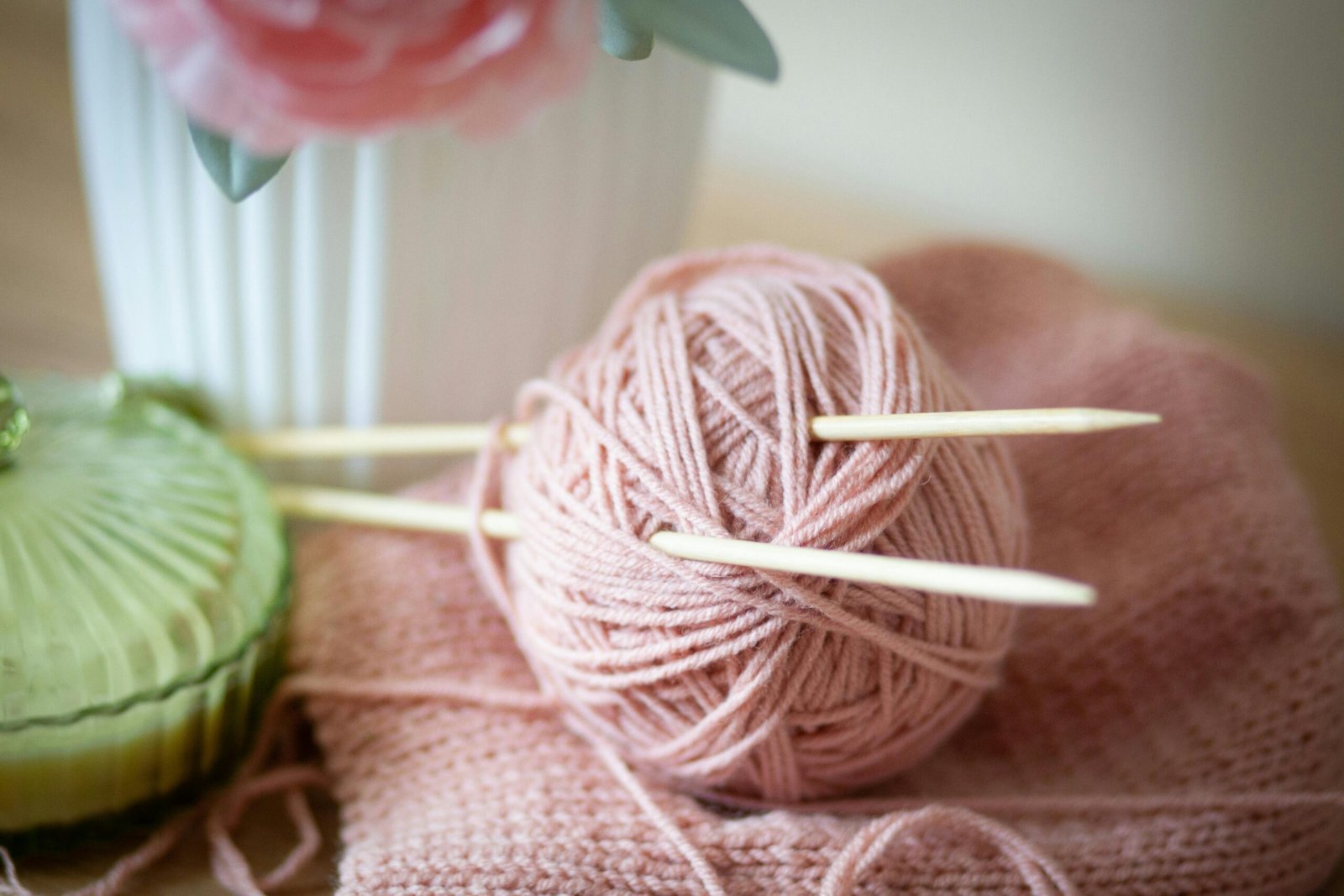
Mistakes are part of yarn crafts in the same way wrong notes are part of learning an instrument: they’re not proof you’re bad—they’re proof you’re practicing. What separates confident crocheters and knitters from frustrated beginners isn’t that experienced people never make mistakes. It’s that they know what to do when something goes wrong, and they don’t panic.
This guide will teach you the most useful mistake-fixing skills in crochet and knitting, in a practical, beginner-friendly way. You’ll learn how to undo stitches safely, how to spot common errors early, how to fix dropped stitches, when to frog versus when to patch, how to use lifelines (especially for knitting), and how to decide when “good enough” is actually the smartest choice. The goal is simple: you should be able to look at a mistake and think, “Okay. I know what to do.”
The Mindset Shift That Makes Fixing Mistakes Easy
Before we get technical, here’s the most helpful mindset beginners can adopt: your work is not fragile. Yarn crafts are extremely forgiving because the fabric is made of loops. If you can make loops, you can unmake loops.
When you notice a mistake, do these three things first:
- Stop stitching immediately.
- Put a marker, safety pin, or scrap of yarn where you are (so you don’t lose your place).
- Identify what kind of mistake it is: a counting issue, a skipped stitch, an extra stitch, a dropped loop, or a wrong stitch type.
The moment you classify the mistake, it stops feeling mysterious—and mystery is what creates panic.
The Most Common Beginner Mistakes (So You Can Recognize Them Fast)
Most crochet and knitting mistakes fall into a small handful of categories:
- You accidentally added stitches (your piece gets wider).
- You accidentally skipped stitches (your piece gets narrower).
- You did the wrong stitch (knit instead of purl, double crochet instead of half double crochet).
- You dropped a stitch/loop.
- You twisted stitches (more common in knitting).
- You misread a repeat (pattern looks off after a few rows).
If you’re not sure what happened, stitch count is usually your first clue. If your stitch count changed and the pattern didn’t call for it, you’ve found the problem area.
Crochet: Why Mistakes Are Often Easier to Fix
Crochet usually has one active loop on the hook. That means if something goes wrong, it’s often localized and simpler to undo without affecting an entire row of “live stitches.”
Still, crochet has its own common pain points: missing the last stitch of a row, crocheting into the wrong place (stitch vs space), and turning chain confusion. The fixes below will cover those.
Crochet Skill 1: Frogging (Undoing Stitches Back)
“Frogging” means ripping out your work (“rip-it, rip-it”) to undo stitches.
If you made a mistake a few stitches back, frogging is usually the fastest fix. Crochet is very frog-friendly.
How to frog crochet safely:
- Remove the hook from the active loop carefully.
- Pull the working yarn gently to undo the last stitch.
- Continue pulling stitch by stitch until you reach the mistake.
- Stop, identify the correct loop to put your hook back into, and resume.
Beginner tip: frog slowly near the area of the mistake. If you pull too fast, multiple stitches can unravel at once and you may lose track of where to reinsert your hook.
How to find the correct loop after frogging:
- Look for the top “V” loops of the last completed row.
- Your hook should go into the next stitch you need to work, with one loop back on the hook.
If your yarn starts to kink while frogging, let it relax. Kinky yarn can make the next stitches look uneven. You can gently stretch the yarn strand between your hands to smooth it, or just keep going—most kinks relax after washing/blocking.
Crochet Skill 2: Unraveling Only Part of a Row Without Losing Your Place
A common beginner situation: you’re halfway across a row, realize you missed a stitch earlier in the same row, and you’re not sure whether to undo everything.
Here’s a practical approach:
- If the mistake happened in the last 10–20 stitches, it’s usually worth frogging back to fix it.
- If it happened much earlier and your project is forgiving (like a scarf), you might choose a “patch” fix instead of undoing a lot.
When you’re learning, it’s often better to frog and fix. The practice you get from redoing stitches is what improves your consistency.
Crochet Skill 3: Fixing an Accidental Increase or Decrease
If your crochet is getting wider, you likely added a stitch. If it’s narrowing, you likely skipped one.
How to spot an accidental increase:
- You see two stitches worked into the same spot unintentionally.
- Your row has one extra stitch compared to the previous row.
Fix options:
- Best: frog back to the area and redo it correctly.
- If you truly don’t want to frog: you can “decrease” somewhere later to get your stitch count back, but the fabric may show a slight dent. This is okay for casual items, but not ideal for structured pieces.
How to spot an accidental skipped stitch:
- You see a gap that looks larger than the usual stitch spacing.
- Your row count is short by one.
Fix options:
- Best: frog back and work into the missed stitch.
- If you’re far past it: you can add a stitch later (an increase) to restore stitch count, but it may create a small bump or hole. Again, fine for practice, not ideal for precise projects.
Crochet Skill 4: Fixing a Dropped Loop
In crochet, if a loop drops off your hook, it usually doesn’t “run” the way knitting does—but it can still unravel one stitch or more.
If you drop the active loop:
- Find the loose loop at the top edge.
- Put your hook back through the loop.
- Pull gently to snug it to normal size.
- Continue crocheting.
If a stitch unraveled below the top:
- You may see an open gap or a longer strand.
- Carefully examine how many loops were undone.
- Often the simplest solution is to frog back a few stitches until the structure looks normal again, then redo.
Crochet Skill 5: Fixing a Turning Chain Mistake
Turning chain issues are a major cause of messy edges.
Common turning chain mistakes:
- You forgot the turning chain (your edge pulls).
- You used the wrong height turning chain (edge looks wavy or tight).
- You crocheted into the turning chain when you weren’t supposed to (piece gets wider).
Best beginner fix:
- Frog back to the start of the row and redo with a consistent turning chain approach.
- Use stitch markers on the first and last stitch of each row so you don’t accidentally treat the turning chain as a stitch unless the pattern says it counts.
Knitting: Why Mistakes Feel Scarier (But Are Still Fixable)
Knitting feels intimidating to fix because many stitches stay live on the needle, and a dropped stitch can run down rows like a ladder. But knitting also has powerful recovery tools—especially once you learn two concepts:
- how to undo one stitch at a time (tinking)
- how to secure your work with a lifeline
Once you learn these, knitting becomes much calmer.
Knitting Skill 1: Tinking (Undoing One Stitch at a Time)
“Tink” is “knit” spelled backward, and it means undoing knitting one stitch at a time without pulling out full rows.
Tinking is ideal when:
- you made a mistake only a few stitches back in the same row
- you want control and don’t want to unravel a whole row
How to tink:
- Keep your work on the needles.
- Take the tip of your left needle and insert it into the stitch below the one you’re about to undo (the previous stitch loop).
- Slide the current stitch off the right needle while gently pulling the working yarn to unmake that stitch.
- You’ve now moved that stitch back onto the left needle in its correct orientation.
- Repeat as needed until you reach the mistake.
Beginner tip: go slowly and watch the yarn path. If you pull too hard or lose track of which loop is the stitch, you can twist stitches or drop one unintentionally.
If tinking feels confusing at first, practice on a small swatch. It becomes natural quickly.
Knitting Skill 2: Frogging Knitting (Ripping Back Rows)
Sometimes tinking is too slow—especially if you made a mistake several rows back. Then you frog.
How to frog knitting safely:
- Put your work on a flat surface or hold it calmly.
- Pull the needle out of the active stitches (or keep one needle in and slide stitches off carefully).
- Gently pull the working yarn to unravel row by row until you’re near the mistake.
- Stop and “catch” the live stitches back onto a needle.
This last step—picking up stitches—is what scares beginners. The trick is to treat it as a skill you can practice, not a crisis.
How to pick up live stitches after frogging:
- Look for the row you want to keep.
- Each stitch will appear as a loop along that row.
- Insert your needle through each loop from the correct direction, keeping them all aligned.
If your stitches end up reversed on the needle, you can still continue, but you might create twisted stitches. It’s worth taking a moment to learn the correct orientation (more on that soon).
Knitting Skill 3: Fixing a Dropped Stitch
A dropped stitch in knitting creates a vertical “ladder” where the stitch can unravel downwards.
What to do immediately:
- Don’t keep knitting forward.
- Secure the dropped stitch so it doesn’t run further.
Beginner-friendly method:
- Find the dropped stitch loop (it will be a loose loop below your needles).
- Use a crochet hook or your knitting needle tip to pull the dropped loop up through the ladder strands one rung at a time.
- Each ladder strand becomes one recovered row.
- Once the stitch is back at the top, place it back onto the needle.
Even if this sounds complex, it’s very doable. The ladder strands are basically the yarn that would have formed those stitches—your job is to re-form the stitch chain upward.
Important note: This works best when the dropped stitch is a knit stitch in stockinette. If it’s purl or part of a pattern, you can still fix it, but you’ll need to make sure it’s rebuilt correctly. As a beginner, you can still recover the stitch and accept a small texture change if it’s in a non-critical spot.
Knitting Skill 4: Twisted Stitches (What They Are and How to Fix Them)
Twisted stitches happen when a stitch is mounted the wrong way on the needle or when you wrap yarn in a way that twists the loop. The fabric can look tighter, slightly slanted, and less stretchy.
How to recognize twisted stitches:
- Stitches look like they cross at the base instead of opening cleanly.
- The row looks tighter or slightly rope-like.
- Ribbing may look less stretchy.
How to fix a twisted stitch:
- If you notice immediately on the next row, you can knit or purl through the correct loop direction to untwist it.
- If you notice later, you can decide whether it matters. One twisted stitch in a scarf may be fine. In a garment panel, you might want to correct it.
The best prevention is consistency: wrap yarn the same way each time and pay attention to how stitches sit on the needle.
Lifelines: The Knitting Safety Net Every Beginner Should Know
A lifeline is a piece of scrap yarn threaded through a row of stitches so you can frog back safely without losing those stitches.
Lifelines are incredibly helpful for:
- lace
- textured patterns
- projects where mistakes are hard to see
- anxious beginners who want more control
How to insert a lifeline (simple method):
- Choose a “safe” row where the pattern is correct.
- Thread a smooth scrap yarn onto a yarn needle.
- Run it through every stitch on your needle (through the loops) as if you were sliding a string through beads.
- Leave the lifeline yarn loose with tails on both ends.
Now if you mess up later, you can frog back to the lifeline and your stitches will stop unraveling there. Then you can put the stitches back on your needle from the lifeline row.
Beginner tip: Use a smooth scrap yarn in a contrasting color, not fuzzy yarn. You want it to slide out easily later.
When to Fix vs When to Leave It
One of the most important beginner skills is deciding what’s worth fixing. Not every mistake needs to be corrected, especially in forgiving projects.
Fix it when:
- stitch count is wrong and will affect future rows
- the mistake changes the shape (increasing/decreasing unintentionally)
- it’s a repeating pattern mistake that will keep growing
- it affects fit (hats, wearables)
- it creates a hole or weak point in a high-stress area (bag handles, seams)
Consider leaving it when:
- it’s purely cosmetic and minor
- it’s in a non-visible area
- the project is practice and the goal is learning, not perfection
- fixing it would require ripping back a large section and you’ll lose motivation
A good beginner rule: fix structural mistakes, consider leaving cosmetic ones.
The “Checkpoint” Habit That Prevents Big Mistakes
Most major frustration comes from discovering a mistake too late. The easiest way to prevent that is to build checkpoints.
Crochet checkpoints:
- count stitches at the end of every row while learning
- use stitch markers in the first and last stitch
- pause every few rows and check that edges are straight
Knitting checkpoints:
- count stitches every few rows
- learn to recognize knit vs purl in your fabric
- use markers between repeat sections
- consider lifelines when learning new pattern types
Checkpoints make mistakes smaller, and small mistakes are easy to fix.
Tools That Make Fixing Mistakes Easier
You don’t need a lot, but a few simple tools are game-changers.
- Stitch markers: mark row ends, repeats, and round starts
- A crochet hook (even if you knit): great for picking up dropped stitches
- A tapestry needle: for lifelines and tidy repairs
- A row counter or notes app: helps you return to the correct row after fixing
- Good lighting: prevents the “I can’t see what I’m doing” spiral
These are inexpensive, but they turn “panic moments” into “easy repairs.”
A Simple Practice Plan to Build Recovery Skills
If you want to become confident quickly, practice mistakes on purpose. It sounds strange, but it works.
Try this on a small swatch:
- Crochet: intentionally skip a stitch, then practice frogging back to fix it.
- Crochet: intentionally add an extra stitch at the end, then undo and correct it.
- Knitting: drop one stitch on purpose, then pick it back up with a crochet hook.
- Knitting: knit a few stitches wrong (knit instead of purl), then practice tinking back.
Doing this once removes the fear. It becomes “a thing you can do” instead of “a disaster.”
The Takeaway: Mistake-Fixing Is a Core Craft Skill, Not an Emergency
When you learn crochet and knitting, you’re not just learning how to make fabric—you’re learning how to manage fabric. That includes undoing, correcting, and continuing calmly.
If you remember only a few things, let them be these:
- Crochet mistakes are usually fixed fastest by frogging back a few stitches.
- Knitting mistakes can be fixed with tinking, frogging, and picking up stitches.
- Lifelines make knitting dramatically less stressful.
- Not every mistake needs fixing—focus on the ones that affect structure and fit.
- The more you practice recovery, the faster your confidence grows.

Isabella Garcia is the creator of a blog dedicated to crafts and home care, focused on making everyday life more creative, organized, and enjoyable. The blog shares practical tips, easy DIY projects, home organization ideas, and simple solutions to take better care of your living space. Whether you’re a beginner in crafting or someone looking for inspiration to improve your home routine, Isabella’s blog offers clear, useful, and hands-on content to help you create a cozy, beautiful, and well-cared-for home.