
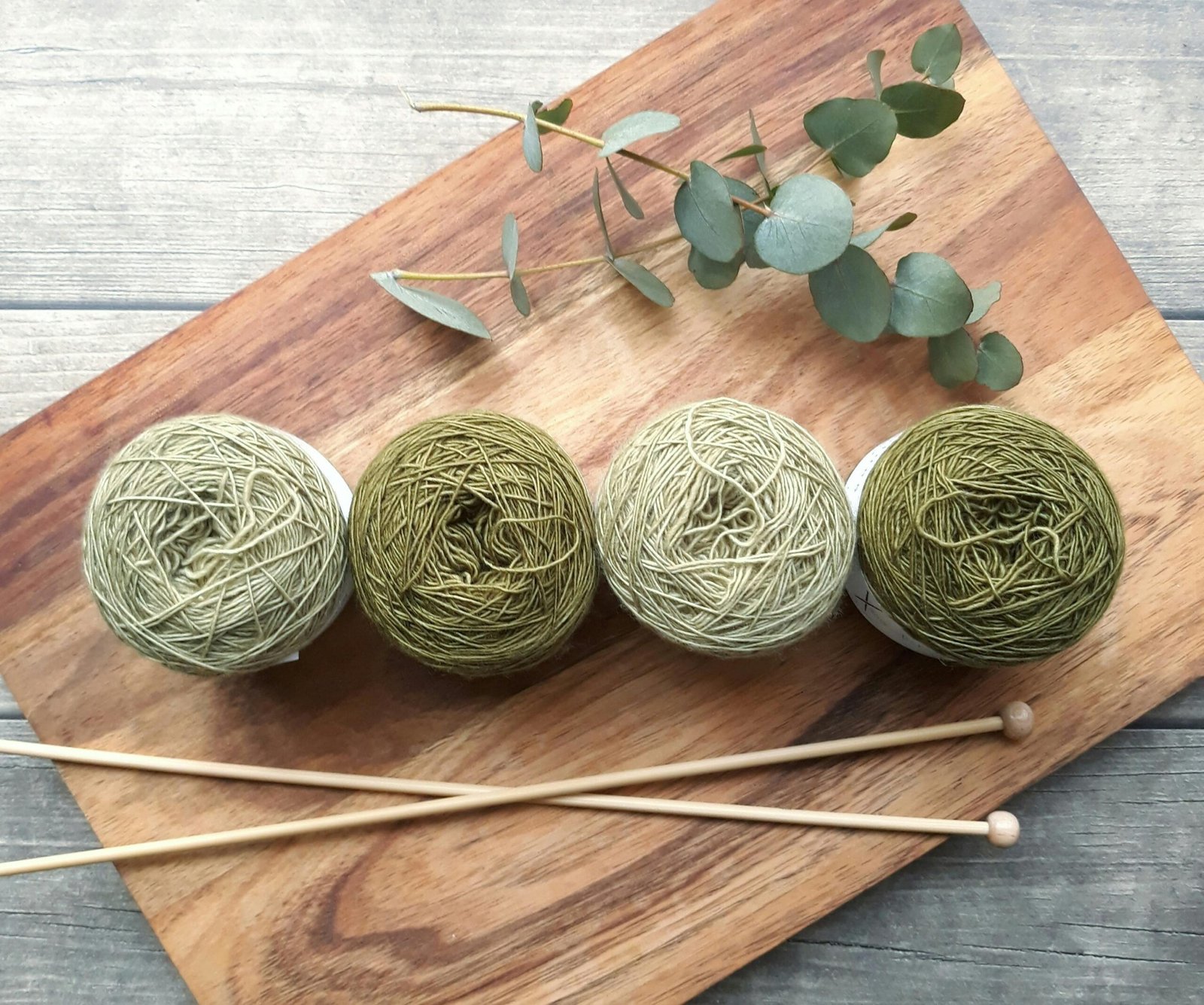
Most beginners don’t quit crochet or knitting because they “can’t do it.” They quit because progress feels messy, slow, or inconsistent. One day you’re excited and crocheting for an hour, the next day you don’t touch your yarn for two weeks. You forget where you left off, your tension feels different, and you feel like you’re starting over. That cycle is incredibly common—and it has nothing to do with talent.
The fix is not more willpower or buying more supplies. The fix is building a simple routine that makes practice feel easy to start, easy to continue, and rewarding enough that you want to come back. A good routine doesn’t mean you must craft daily or for long hours. It means you have a repeatable plan that fits your life, protects your hands, and steadily builds skill through small wins.
In this article, you’ll learn how to create a crochet and/or knitting practice routine tailored for beginners. You’ll get clear practice session templates, a 4-week plan you can follow, strategies for staying motivated without burning out, and simple ways to measure progress that don’t rely on perfection.
Why a Routine Matters More Than “Natural Skill”
Crochet and knitting are coordination skills. Your hands are training:
- tension control (how tightly you hold yarn)
- tool control (hook or needle movements)
- stitch recognition (knowing where to insert)
- pattern rhythm (repeats and row structure)
- finishing habits (weaving in ends, joining, keeping notes)
These skills improve fastest with consistent exposure. Not marathon sessions—consistent sessions. A routine gives your hands regular, low-pressure practice so muscle memory can form.
The difference between “I’m stuck” and “I’m improving” is often as simple as this:
- “I craft randomly” vs “I craft in small planned sessions.”
The Best Beginner Routine Principle: Short Sessions Beat Long Sessions
Many beginners do one long session, get sore or frustrated, then avoid crafting for days. Short sessions prevent this.
A practical beginner target:
- 10–20 minutes per session
- 3–5 times per week
If you craft longer, great—but only if you stay comfortable and relaxed. You want to stop while you still feel okay, so you associate crafting with success, not strain.
Build Your Routine Around One Clear Goal at a Time
Beginners often try to learn:
- multiple stitches
- multiple patterns
- multiple projects
- multiple yarn types
That creates decision fatigue. A better approach is to focus your routine on one skill goal for 1–2 weeks.
Examples of single goals:
- “Keep stitch count consistent every row”
- “Make straight edges in single crochet”
- “Make an even garter stitch fabric in knitting”
- “Learn to weave in ends neatly”
- “Practice knit + purl transitions for ribbing”
One goal keeps your practice simple and measurable.
Create a “Ready to Craft” Setup (So Starting Takes 30 Seconds)
The easiest way to build consistency is to remove friction. If you have to dig for your hook, find scissors, untangle yarn, and remember what row you’re on, you’ll delay starting.
Set up a small “craft kit” that stays together:
- your current project
- hook/needles
- yarn needle
- scissors
- stitch markers
- a note with: hook/needle size, stitch count target, and where you left off
Keep it in a tote, basket, or zip bag. When you want to practice, you open the bag and begin.
This is one of the biggest “secret” habits of consistent crafters.
The Beginner Practice Session Template (Works for Crochet and Knitting)
Here’s a simple template that keeps you improving without getting overwhelmed.
Step 1: Warm-up (2 minutes)
Do something easy that relaxes your hands:
- crochet: chain 20 slowly, focusing on even loops
- knit: knit 10–20 stitches slowly, focusing on gentle tension
The warm-up reduces “tight beginner grip” because your hands settle into motion.
Step 2: Skill focus block (8–12 minutes)
This is the main practice. Choose one skill goal and stick to it.
Examples:
- crochet: single crochet rows with stitch counting and edge markers
- knitting: garter stitch rows, focusing on consistent stitch size
- crochet or knitting: practice the first and last 3 stitches of each row slowly (edge control)
Step 3: Micro-finish (2–5 minutes)
End with a small finishing habit:
- write down what row you’re on
- mark your last stitch
- weave in one end (if you’re at a point where it makes sense)
- tidy yarn so next session starts cleanly
This step prevents the “I forgot where I was” problem.
How to Structure Your Week: 3 Simple Routine Options
Different people stick to different schedules. Choose one that feels realistic.
Option A: 3-day routine (easy consistency)
- 3 sessions per week, 15–20 minutes each
Best for busy schedules and low burnout risk.
Option B: 5-day routine (fast progress)
- 5 sessions per week, 10–15 minutes each
Best if you want quicker skill gains without long sessions.
Option C: Weekend routine (still valid!)
- 1–2 longer sessions on weekends, plus one tiny midweek session
Best if weekdays are packed.
The key isn’t the perfect schedule. The key is repeatability.
The 4-Week Beginner Progress Plan (Crochet or Knitting)
This plan builds skills in a logical order. You can use it for crochet, knitting, or both—but if you’re doing both, alternate days so you don’t overwhelm your hands and brain.
Week 1: Foundations and Tension Calm
Goal: feel comfortable holding tools and making basic fabric.
Crochet focus:
- chains + single crochet rows
- stitch markers in first and last stitch
- count stitches every row
Knitting focus:
- cast on + knit stitch (garter stitch)
- keep edges neat by knitting slowly at row starts and ends
- count stitches every few rows
What to measure this week:
- Can you make 10 rows without your piece changing width?
- Do your hands feel okay after 15 minutes?
Week 2: Clean Edges and Consistent Shape
Goal: stop accidental increases/decreases.
Crochet focus:
- edge practice: slow first 3 stitches and last 3 stitches
- learn to identify the hidden last stitch
- keep stitch count consistent without panicking
Knitting focus:
- practice smooth turning at row ends
- maintain consistent stitch count
- learn to recognize knit stitches clearly in your fabric
What to measure this week:
- Do your edges look straighter than last week?
- Are you catching mistakes earlier?
Week 3: Add One New Skill (Only One)
Goal: build confidence with a controlled new technique.
Crochet options:
- half double crochet (hdc) or double crochet (dc)
- granny square basics (working in the round)
- simple color change practice
Knitting options:
- learn purl (if you haven’t)
- ribbing practice (k1p1 or k2p2)
- basic stockinette with a garter border
What to measure this week:
- Can you do the new skill without tightening up?
- Can you keep a simple repeat going for several rows?
Week 4: Finish a Small Project
Goal: complete something and practice finishing.
Crochet project ideas:
- dishcloth
- coaster set
- headband (rectangle + seam)
- small granny square pouch
Knitting project ideas:
- garter stitch dishcloth
- simple scarf start (even if short)
- ribbed headband (if you learned purl)
- small square sampler blanket pieces
What to measure this week:
- Did you weave in ends securely?
- Does the finished item look “done,” even if imperfect?
Finishing teaches you more than endlessly starting new things.
How to Stay Motivated Without Burning Out
Motivation is not something you “have.” It’s something you build through wins.
Make your practice feel successful by default
A practice session is successful if:
- you did it
- your hands feel okay
- you learned one thing (even “I need to loosen tension”)
Success is not “my stitches are perfect.”
Use “micro-goals” instead of vague goals
Vague goal: “Get better at crochet.”
Micro-goal: “Keep 20 stitches per row for 8 rows.”
Micro-goals create visible progress.
Keep a simple progress log
This can be one note in your phone:
- date
- what you practiced
- one thing that improved
- one thing to focus on next time
It takes 30 seconds and makes you feel momentum when you look back.
Avoid the “too many projects” trap
Beginners often start 5 projects and finish none. That creates guilt and confusion.
Beginner rule:
- one main project
- one small practice swatch (optional)
- finish before starting something big and new
If you love starting projects, tell yourself: “I can start a new one after I finish weaving ends on this one.”
What to Do When You Miss Days (So You Don’t Quit)
Missing days is normal. The problem is the story you tell yourself afterward.
Bad story: “I fell off, so I failed.”
Better story: “I’m restarting with a short session.”
When you return after a break, do this:
- do a 10-minute session only
- warm up with a few easy stitches
- read your note about where you left off
- do not try to “make up time”
The goal is to rebuild the habit, not punish yourself.
How to Practice Without Creating Hand Pain
Comfort is part of your routine.
Beginner comfort rules:
- keep sessions short at first
- support your arms (pillow in lap helps)
- take micro-breaks every 10–15 minutes
- relax shoulders and jaw
- if you notice tight grip, intentionally loosen and slow down
If your hands feel sore, the solution is usually:
- shorter sessions
- looser tension
- a slightly larger hook/needle
- better posture support
A routine that hurts is a routine you won’t keep.
The “Skill Stack” You’re Building (So You Can See Progress)
It helps to understand what “getting better” actually looks like. Progress usually shows up in this order:
- You can form stitches consistently
- You can keep the same stitch count across rows
- Your edges become straighter
- Your tension becomes more even
- You can read your stitches and spot mistakes
- You can follow simple repeats and patterns
- You finish projects neatly and confidently
If you’re at step 2 or 3, you’re doing great—even if your stitches aren’t perfect yet.
When to Increase Difficulty (And When Not To)
Only level up when your basics feel stable.
Signs you’re ready:
- you can crochet/knit 10 rows without losing stitch count
- you can fix a small mistake without panic
- you can maintain a repeat for at least a few rows
- you’ve finished at least one simple item
Signs you should stay where you are a little longer:
- your stitch count changes almost every row
- your hands hurt after short sessions
- you’re constantly confused about where to insert
- you feel overwhelmed by every new instruction
Staying “basic” for a few weeks is not slow. It’s smart. It makes everything easier later.
A Simple Routine Example You Can Copy Today
Here’s a realistic routine for a beginner:
Monday (15 min): warm-up + 8 rows of single crochet or garter stitch
Wednesday (15 min): warm-up + edge practice + count stitches
Friday (15 min): warm-up + work on the same project + write row notes
Weekend (20–30 min): finish a section + weave in ends or tidy project bag
This routine builds skill without asking your life to revolve around yarn.
The Takeaway: Consistency + Small Wins = Real Skill Fast
If you want real progress in crochet or knitting, don’t chase intensity. Chase consistency. A beginner routine works when it’s simple enough to start, structured enough to measure improvement, and flexible enough to fit your real schedule.
Choose one craft, one goal, and one small project. Practice 10–20 minutes a few times a week. Track where you left off. Celebrate finished items. That’s how you turn “I’m learning” into “I can do this.”
Isabella Garcia is the creator of a blog dedicated to crafts and home care, focused on making everyday life more creative, organized, and enjoyable. The blog shares practical tips, easy DIY projects, home organization ideas, and simple solutions to take better care of your living space. Whether you’re a beginner in crafting or someone looking for inspiration to improve your home routine, Isabella’s blog offers clear, useful, and hands-on content to help you create a cozy, beautiful, and well-cared-for home.