
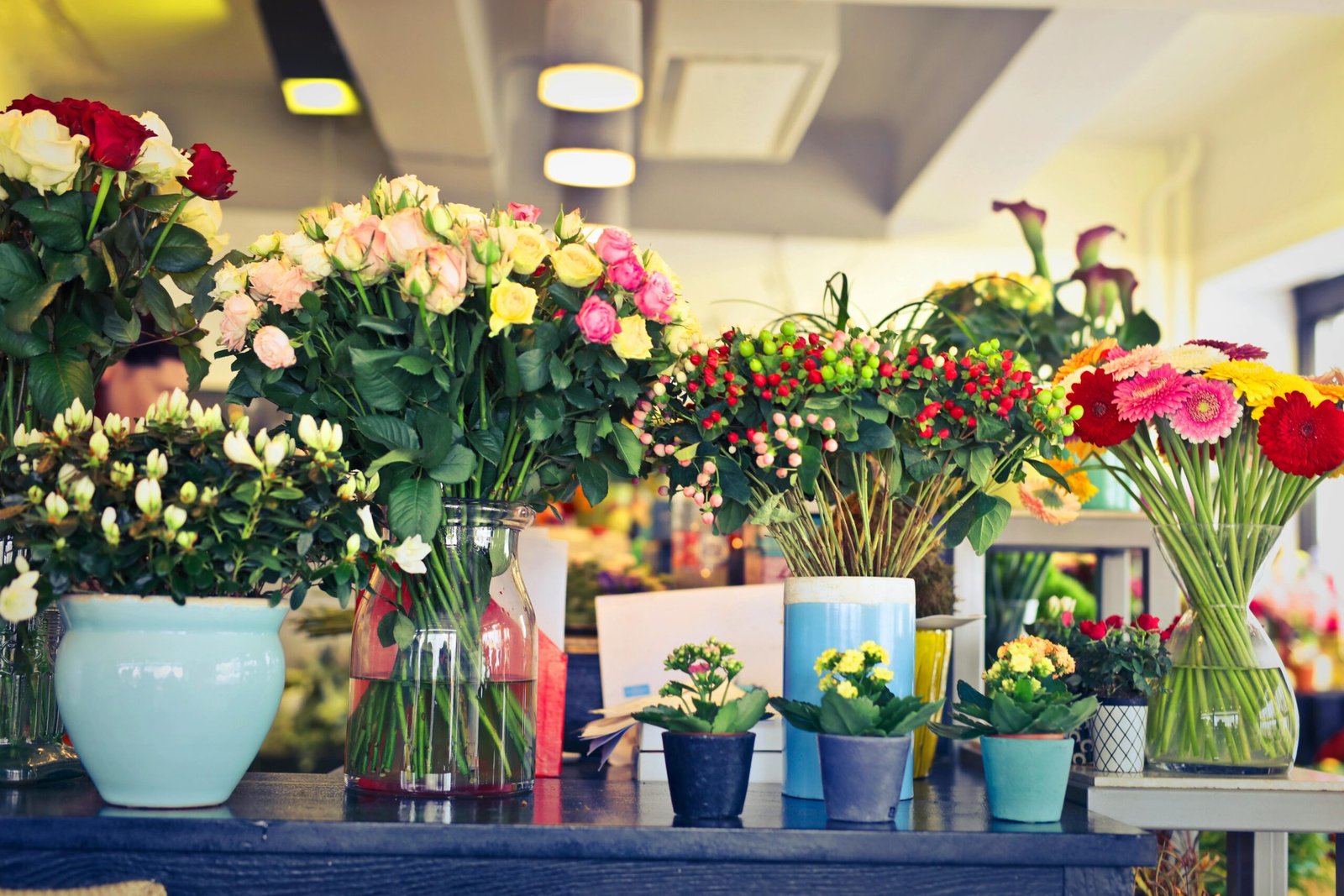
Creating a home garden can be an exciting and rewarding experience. The idea of transforming an empty outdoor area into a beautiful space filled with plants, flowers, and natural elements motivates many homeowners to start gardening projects every year.
However, although gardening can be simple and enjoyable, beginners often make mistakes that can affect the health of their plants and the overall appearance of their garden. Many of these mistakes happen because people are eager to see quick results and do not spend enough time planning before planting.
A successful garden is not created only by buying beautiful plants and placing them randomly around the space. It requires observation, preparation, and an understanding of the environment where the plants will grow.
The good news is that most gardening mistakes can be avoided with basic knowledge and careful planning. By understanding common problems before starting, you can save money, reduce unnecessary work, and create a healthier garden that becomes more beautiful over time.
Not Planning the Garden Before Starting
One of the most common mistakes among beginners is starting a garden without a clear plan. Many people immediately buy plants, pots, and decorations without considering how everything will work together.
Without planning, the garden may end up looking disorganized or become difficult to maintain.
Before purchasing anything, take time to analyze your outdoor space. Consider the size of the area, the amount of sunlight it receives, and how you want to use the garden.
A simple plan should include:
- Where plants will be placed;
- Which areas need decoration;
- Where pathways will go;
- How much space each plant will need;
- Which areas will require more maintenance.
Planning does not mean creating a complicated professional design. Even a basic idea of what you want to achieve can make the entire process easier.
Choosing Plants Based Only on Appearance
A very common beginner mistake is selecting plants only because they look beautiful. While appearance is important, it should not be the only factor when choosing plants.
A plant may look perfect at a garden store but struggle when placed in your home environment.
Every plant has specific needs related to:
- Sunlight;
- Water;
- Soil conditions;
- Temperature;
- Available space.
For example, a plant that requires several hours of direct sunlight may not survive well in a shaded area. Similarly, a large plant may become a problem if planted in a small garden.
Before buying a plant, research whether it is suitable for your specific space. Choosing plants that naturally adapt to your conditions increases the chances of creating a healthy and attractive garden.
Ignoring the Amount of Sunlight Available
Sunlight is one of the most important factors in gardening, but many beginners do not pay enough attention to it.
Different areas of the same property can have completely different lighting conditions. One corner may receive strong sunlight all day, while another may remain shaded.
Planting without considering sunlight can lead to weak growth, yellow leaves, and poor development.
Before creating your garden, observe the area at different times of the day. Notice:
- Where the sun reaches in the morning;
- Which areas receive afternoon sunlight;
- Which places remain shaded.
This simple observation can help you choose plants that are more likely to thrive.
Planting Without Preparing the Soil
Healthy soil is the foundation of a successful garden. Many beginners focus so much on choosing plants that they forget the importance of preparing the ground.
Poor soil conditions can make it difficult for plants to grow properly.
Before planting, it is important to:
- Remove unwanted materials;
- Improve soil quality when necessary;
- Ensure proper drainage;
- Add organic matter if needed.
Soil preparation helps roots develop better and provides plants with a healthier environment.
Even beautiful plants may struggle if the soil does not provide the right conditions.
Planting Too Many Plants in a Small Area
Another common mistake is overcrowding the garden. Beginners often plant many different species because they want an immediate full and colorful appearance.
However, plants need enough space to grow. When too many plants are placed close together, they compete for:
- Water;
- Nutrients;
- Sunlight;
- Space for roots.
Overcrowding can also make maintenance more difficult and increase the risk of plant problems.
When planting, always consider the mature size of each plant. A small plant today may become much larger in the future.
Leaving enough space between plants creates a healthier and more organized garden.
Forgetting About Future Plant Growth
Many gardening mistakes happen because people only think about how plants look when they are first planted.
A young tree or shrub may appear small and harmless, but after a few years, it can become much larger.
Before planting larger species, consider:
- Their maximum height;
- Their root development;
- Their growth speed;
- Their relationship with nearby structures.
This is especially important near walls, fences, sidewalks, and buildings.
Planning for future growth prevents problems and reduces the need for major changes later.
Overwatering Plants
Watering is essential for plant health, but too much water can cause serious problems.
Many beginners believe that giving plants more water will make them grow faster. However, excessive watering can damage roots and create unhealthy conditions.
Signs of overwatering may include:
- Yellowing leaves;
- Weak growth;
- Constantly wet soil;
- Root problems.
The correct amount of water depends on the plant type, soil, climate, and season.
Instead of following a strict schedule, learn to observe your plants and check whether they actually need water.
Neglecting Garden Maintenance
Some people imagine that after planting everything, the garden will remain beautiful without much effort. While some plants require little care, every garden needs regular attention.
Maintenance does not have to be complicated. Simple habits can make a big difference.
Regular tasks include:
- Removing dry leaves;
- Cleaning garden areas;
- Checking plant conditions;
- Controlling unwanted growth;
- Pruning when necessary.
Small actions performed consistently prevent larger problems in the future.
Using the Wrong Tools
Another mistake beginners make is trying to complete gardening tasks without proper tools.
Using inappropriate tools can make work harder and may even damage plants.
Basic gardening tools can include:
- Gloves;
- Small shovel;
- Pruning scissors;
- Watering equipment;
- Rake.
You do not need to buy every gardening product available. Start with essential tools and add more as your garden develops.
Having the right equipment makes gardening more comfortable and efficient.
Ignoring the Importance of Garden Design
A garden is not only about keeping plants alive. The way elements are arranged also affects the final appearance.
Some beginners place plants randomly without considering balance, colors, or textures.
A more attractive garden usually combines different elements thoughtfully.
Consider:
- Plant heights;
- Leaf shapes;
- Flower colors;
- Decorative materials;
- Open spaces.
A well-designed garden feels more organized and enjoyable.
Choosing a Garden Style That Does Not Match Your Routine
Every garden requires some level of care. A common mistake is creating a garden style that does not match your available time.
For example, someone with a busy schedule may struggle with a garden full of plants that require frequent attention.
Before choosing your design, consider your lifestyle.
If you prefer simplicity, choose plants and arrangements that require less maintenance.
If you enjoy gardening as a hobby, you can create a more detailed garden with plants that need extra care.
The best garden is one that fits naturally into your daily routine.
Adding Decorations Before Establishing the Garden
Decorations can make a garden more beautiful, but adding too many decorative elements too early can be a mistake.
Many beginners spend money on furniture, ornaments, and accessories before understanding how the plants will develop.
The priority should always be creating healthy plant growth first.
After the main structure of the garden is established, decorations can be added to complement the space.
Good garden design balances natural elements and decorative features.
Giving Up Too Quickly
Gardening requires patience. One of the biggest mistakes beginners make is expecting immediate results.
Plants need time to grow, adapt, and develop. A garden often looks very different after several months compared to the day it was created.
Some plants may not perform as expected, and adjustments may be necessary.
Instead of seeing these situations as failures, consider them learning experiences.
Successful gardeners improve by observing, adapting, and continuing to care for their plants.
Creating a Garden That Can Grow With You
Avoiding common gardening mistakes can make your experience much easier and more enjoyable. A beautiful garden is created through thoughtful decisions, regular care, and patience.
The most important steps are planning your space, choosing suitable plants, understanding their needs, and allowing your garden to develop naturally.
Remember that every garden is unique. What works perfectly for one home may not work for another. The key is learning about your own environment and making choices that support healthy growth.
With the right approach, your home garden can become a peaceful, attractive, and rewarding space that brings more beauty and comfort to your everyday life.

Isabella Garcia is the creator of a blog dedicated to crafts and home care, focused on making everyday life more creative, organized, and enjoyable. The blog shares practical tips, easy DIY projects, home organization ideas, and simple solutions to take better care of your living space. Whether you’re a beginner in crafting or someone looking for inspiration to improve your home routine, Isabella’s blog offers clear, useful, and hands-on content to help you create a cozy, beautiful, and well-cared-for home.