
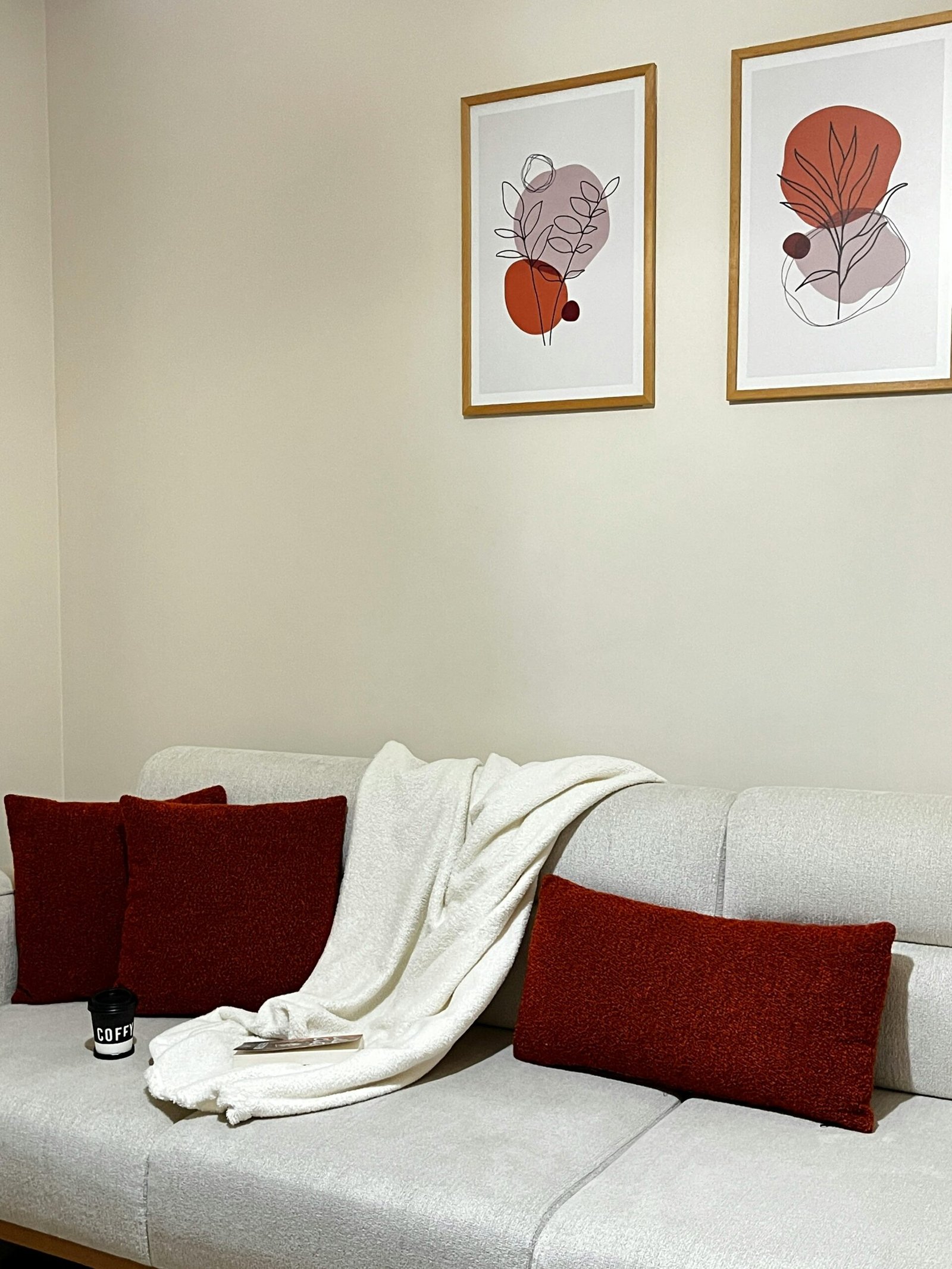
A boutique hotel bedroom has a certain feeling the moment you walk in: calm, cozy, clean, and thoughtfully designed. Nothing feels random. The bed looks inviting. The lighting is warm. The colors work together. The surfaces are simple. The room feels like a retreat—separate from the busy energy of the day.
The best part is that you don’t need a renovation to get that feeling at home. You don’t need luxury furniture, either. Boutique-hotel style comes from a few repeatable design principles: layered bedding, lighting at multiple levels, balanced furniture scale, a cohesive palette, tidy surfaces, and a few intentional finishing touches.
This guide will show you exactly how to make your bedroom feel like a boutique hotel—whether you have a large master bedroom, a small apartment bedroom, or a shared space. You’ll learn how to create a hotel-worthy bed, choose calming colors, set up nightstands, improve lighting, style walls, organize clutter, and create a space that feels relaxing every single day.
What makes a bedroom feel like a boutique hotel?
Boutique hotels are designed to feel:
- restful (nothing visually overwhelming)
- comfortable (soft, layered textiles)
- warm (good lighting)
- intentional (cohesive palette and balanced layout)
- clean (minimal clutter and clear surfaces)
A hotel room doesn’t have fewer things because it’s “minimal.” It has fewer things because everything has a purpose. That’s the mindset you want to borrow: comfort + calm + function + style.
Step 1: Choose your bedroom mood (one clear direction)
Before you change anything, decide what you want your bedroom to feel like. This is your design “north star.”
Common boutique hotel mood directions:
- Warm and cozy: creamy tones, warm wood, soft lighting
- Modern and calm: clean lines, neutral palette, subtle contrast
- Soft and romantic: gentle textures, warm neutrals, rounded shapes
- Fresh and airy: light neutrals, crisp bedding, minimal decor
- Moody and luxe: deeper tones, rich textiles, dramatic lighting
Pick one direction and let it guide everything: bedding, art, rugs, lamps, and accessories. When the mood is clear, the room instantly feels more designed.
Step 2: Start with the bed (it should be the undeniable hero)
In a boutique hotel, the bed is the main event. If your bed looks good, the whole room looks better.
The “hotel bed” formula (simple, repeatable)
A classic boutique-hotel bed usually has:
- a clean, high-quality-looking base layer
- a plush comfort layer
- a structured top layer (like a duvet)
- pillows in a balanced arrangement
- one final texture layer (throw blanket or coverlet)
You don’t need ten pillows. You need the right few in the right order.
Step 3: Upgrade your bedding look without overbuying
Bedding is where most people overspend or overcomplicate things. The hotel look is actually simpler than it appears.
The base layer
This is your fitted sheet and sheet set. Boutique hotels typically look best with:
- crisp neutrals (white, cream, soft gray)
- simple, clean textures (no busy patterns)
The comfort layer
This is where the bed becomes inviting. Even if your sheets are basic, you can improve the look with:
- a fuller-looking duvet insert
- a duvet cover with a smooth or lightly textured finish
A “flat” duvet makes the bed look less luxurious. A fuller duvet makes the bed look plush and cozy.
The structured top layer
Hotels often use a duvet folded neatly, or a coverlet layered on top. The goal is structure: the bed looks clean and intentionally made.
The final texture layer
One throw blanket at the foot of the bed creates that boutique feel instantly. Texture matters more than patterns.
Best throw textures for boutique vibes:
- knit
- woven
- soft, matte finishes (avoid anything shiny)
A bedding color approach that always looks hotel-level
Stick to a tight palette:
- one base neutral (white/cream/greige)
- one accent neutral (taupe, charcoal, sand)
- optional: one muted color (sage, dusty blue)
This keeps the bed calm and elevated.
Step 4: Get pillows right (simple arrangement that looks expensive)
A boutique bed looks good because the pillows feel intentional, not chaotic.
A clean pillow strategy
You can create a hotel look using:
- sleeping pillows (the ones you use)
- a couple of decorative pillows (optional)
- one lumbar pillow or one accent pillow
The key is symmetry and balance, not quantity.
Avoid the “too many pillows” trap
Too many pillows can feel annoying in real life and make the bed harder to maintain. Boutique hotel style should feel easy to reset.
Step 5: Add bedside lighting (this is what makes it feel like a hotel at night)
Hotel bedrooms rarely rely on one harsh overhead light. They use warm, layered lighting that makes the room feel cozy and calm.
The ideal bedroom lighting layers
- Ambient light (ceiling fixture or general light)
- Bedside lighting (table lamps or wall sconces)
- Accent lighting (optional: soft lamp in a corner)
The fastest hotel upgrade
Add matching bedside lamps. Even if they aren’t identical, they should feel related (similar height, similar finish). This creates instant symmetry and polish.
If your room is small
You can still get the boutique effect with:
- wall-mounted or plug-in sconces (if allowed)
- slim lamps
- clamp lamps styled thoughtfully (better than no bedside light)
The goal is warm, soft light at eye level.
Step 6: Make nightstands look intentional (not like clutter zones)
Hotel nightstands feel clean. They hold only what’s needed.
The hotel nightstand styling formula
- lamp
- one small tray (for essentials)
- one optional decorative item (small vase, book, or candle-style object)
That’s it. Leave breathing room.
What to keep off the nightstand (if you want a hotel feel)
- piles of random items
- too many products
- loose chargers everywhere
Use drawers, bins, or a small box to hide the extras.
Step 7: Create “quiet luxury” with a cohesive palette
Boutique hotel bedrooms usually feel calm because the colors don’t fight each other.
A practical palette approach
Choose:
- a base neutral (warm white, cream, soft greige)
- a second neutral (taupe, sand, soft gray)
- one accent color (optional and muted)
- one metal finish (black, brass, or nickel)
- one wood tone direction (light or medium)
Then repeat them through:
- bedding
- curtains
- rug
- lamps
- frames
- small decor
Repetition is what makes it feel designed.
Step 8: Curtains and rugs (the “instant upgrade” duo)
Hotels feel polished because windows and floors are finished—not bare.
Curtains for a boutique bedroom
Curtains create softness and height. For the hotel vibe:
- hang the rod higher (closer to the ceiling)
- extend the rod wider than the window
- use curtains that reach near the floor
- choose neutral, textured fabric (linen-look is a safe option)
This makes the room feel taller and more expensive immediately.
Rugs for warmth and comfort
A bedroom feels more luxurious when your feet land on something soft in the morning.
Options:
- one large rug under the bed
- two runners on each side of the bed (great for smaller budgets)
- one rug at the foot of the bed (if space is limited)
Even a simple rug in a calm palette can change the whole room mood.
Step 9: Art and wall styling (how hotels avoid “empty walls”)
Boutique hotels usually have at least one intentional focal wall moment—often above the bed.
Best wall art approach for a hotel-style bedroom
- one large piece above the bed
- or two pieces side by side
- or a minimal, calm gallery arrangement
Choose art that supports rest:
- soft landscapes
- calm abstracts
- simple photography
- gentle tones and minimal visual chaos
Frame consistency matters
One frame finish per room (like black or wood) makes the space feel cohesive quickly.
Step 10: Make the room feel “finished” with symmetry (without making it boring)
Symmetry is a designer trick that makes bedrooms feel polished and restful.
Easy symmetry wins:
- two matching or coordinated bedside lamps
- two nightstands (if space allows)
- balanced art above the bed
- balanced pillows on the bed
Symmetry creates calm. Calm is luxury in a bedroom.
Step 11: Add a seating or “hotel corner” moment (optional but powerful)
Many boutique hotel rooms have a small seating moment:
- a chair in the corner
- a small stool
- a bench at the end of the bed
This makes the room feel more complete and intentional.
If you have the space:
- add a chair + small side table + lamp (reading corner)
- add a bench at the foot of the bed for function and style
If you don’t have space, skip it. A cramped room doesn’t feel luxurious. Breathing room is more important.
Step 12: Hide clutter (hotel rooms feel calm because the mess is invisible)
A boutique hotel bedroom feels luxurious because you don’t see “daily life” scattered everywhere.
The key clutter categories in bedrooms
- laundry
- extra clothes
- random items on dressers
- cords and chargers
- beauty and grooming items
Hotel-level clutter strategies
- a laundry basket that’s not ugly and easy to access
- under-bed storage for seasonal items
- drawer organizers for small categories
- a small tray on the dresser instead of scattered items
- a box or drawer for chargers and cables
A bedroom becomes luxurious when surfaces are mostly clear.
Step 13: Add texture instead of more decor
If you want the bedroom to feel richer, add texture—not clutter.
Hotel-friendly textures:
- linen or linen-look curtains
- knit throw
- textured rug
- matte ceramics
- upholstered headboard (if you have one)
Texture creates depth and softness. Too many decorative objects create visual noise.
Step 14: Use scent and freshness (subtle, clean, relaxing)
Hotels often smell clean and calm. You can recreate the feeling by focusing on:
- fresh air (ventilation)
- clean laundry routine
- subtle scent (not overpowering)
The key is subtlety. A boutique feel is fresh, not heavy.
Bedroom decor ideas by bedroom size
Small bedroom
Small bedrooms feel hotel-like when they’re calm and uncluttered.
Best strategies:
- stick to a lighter palette
- use wall-mounted or slim bedside lighting
- use runners instead of a huge rug if budget or space is tight
- keep surfaces minimal
- choose one strong art piece above the bed
A small room feels luxurious when it feels breathable.
Large bedroom
Large bedrooms need “enough” furniture so they don’t feel empty, but not so much that they feel busy.
Best strategies:
- anchor the bed zone with a large rug
- add a bench or chair corner moment
- use layered lighting
- keep the palette cohesive
Luxury in large rooms comes from balance.
Shared bedroom
Shared bedrooms need systems:
- separate storage categories
- clear zones for daily items
- symmetrical setup if possible (two nightstands, two lamps)
Organization is what keeps shared bedrooms from feeling chaotic.
Common mistakes that ruin the boutique hotel vibe (and how to fix them)
Mistake 1: Overhead light only
Fix: add bedside lamps for warm, soft lighting.
Mistake 2: Too many colors and patterns
Fix: tighten the palette and use texture instead of busy prints.
Mistake 3: Cluttered nightstands and dresser
Fix: use trays, store extras in drawers, keep surfaces 60% clear.
Mistake 4: Bed looks flat or messy
Fix: improve duvet fullness, add one textured throw, keep bedding crisp.
Mistake 5: Curtains hung low and short
Fix: hang curtains high and wide and ensure they reach near the floor.
Mistake 6: Art too small or missing
Fix: choose one larger piece above the bed for an intentional focal moment.
A simple “boutique hotel bedroom” action plan (do this in steps)
If you want a realistic plan you can actually follow:
Step 1 (fast and free)
- clear clutter from nightstands and dresser
- remove random decor
- create a laundry system
Step 2 (big impact, low effort)
- add bedside lamps
- add a tray on the nightstand
- add one textured throw blanket
Step 3 (foundation upgrades)
- add curtains (hung high and wide)
- add a rug or runners
- choose one large art piece above bed
Step 4 (finishing touches)
- add a plant or one calm decorative object
- unify towels/linens and small containers
- maintain a 2-minute nightly reset
A boutique bedroom is more about systems and mood than expensive items.
The real secret: boutique hotel bedrooms feel calm because nothing is random
The boutique hotel feeling comes from intention:
- a bed that looks inviting and layered,
- warm lighting that flatters the space,
- a cohesive palette that reduces visual noise,
- symmetry that creates rest,
- textures that add richness,
- and clutter hidden away so the room stays peaceful.
If you want the biggest improvements with the least effort, focus on these three:
- Layer the bed (duvet + throw + clean pillow arrangement)
- Add bedside lighting (warm, soft lamps)
- Clear surfaces (use trays and hidden storage)
Do those, and your bedroom will feel like a boutique hotel—every single night.

Isabella Garcia is the creator of a blog dedicated to crafts and home care, focused on making everyday life more creative, organized, and enjoyable. The blog shares practical tips, easy DIY projects, home organization ideas, and simple solutions to take better care of your living space. Whether you’re a beginner in crafting or someone looking for inspiration to improve your home routine, Isabella’s blog offers clear, useful, and hands-on content to help you create a cozy, beautiful, and well-cared-for home.