
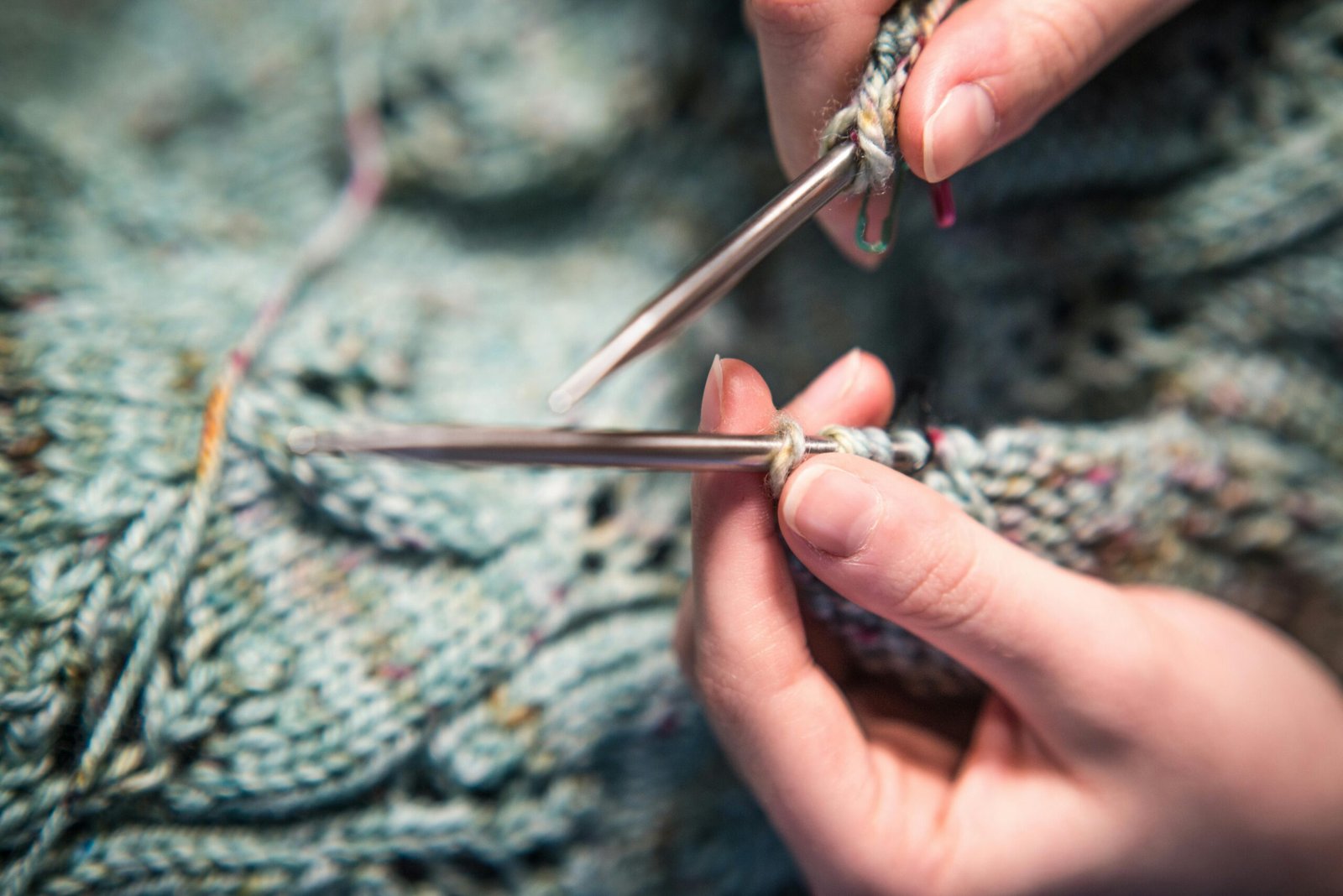
Walking into crochet and knitting as a beginner can feel like entering a world where everyone owns a thousand tiny tools. Hooks in every size, needles in multiple materials, rows of stitch markers, measuring gadgets, blocking boards, special scissors, needle gauges, cable needles, stitch holders… and somehow people still say, “You only need the basics.”
They’re right—but no one explains what “the basics” actually are.
This guide is here to make tools simple. You’ll learn the true essentials for crochet and knitting, how to choose beginner-friendly hook and needle sizes, what tool materials change (and how it affects your learning), which accessories are genuinely useful early on, what to skip until later, and a beginner shopping plan that prevents regret purchases.
If you want to start making projects, the goal is not having perfect tools. The goal is having just enough to practice comfortably and finish something.
The Beginner Tool Philosophy: Buy for One Project First
The most budget-friendly and frustration-free way to begin is:
- Pick one beginner project (dishcloth, coaster, scarf, or simple cowl).
- Buy tools that match that project.
- Finish it.
- Upgrade only when you know what you actually like making.
This prevents the classic beginner mistake: buying a huge set, then realizing you only use one hook size or one needle size.
Crochet Tools: The True Essentials
You can start crochet with a surprisingly small kit.
1) One crochet hook in a common beginner size
The best beginner hook size depends on yarn weight, but if you’re using worsted weight (#4 yarn), a very common starting size is around:
- 5.0 mm (often labeled H-8 in US sizing)
Why 5.0 mm is beginner-friendly:
- it pairs well with worsted yarn
- stitches are easy to see
- it’s not too small (tiny hooks feel fiddly)
- it’s not too large (giant hooks can make loose, floppy stitches)
Beginner tip: Many beginners crochet tight. If that sounds like you, consider also buying:
- 5.5 mm (a half-step larger)
A slightly larger hook makes stitches easier to work into and reduces hand strain while you build technique.
2) Yarn needle (tapestry needle)
This is for weaving in ends and sewing simple seams.
Look for:
- blunt tip (so you don’t split yarn)
- large eye (easy threading)
This is one of the most important “finishing” tools, and it’s cheap.
3) Scissors
Any small scissors work. The most important qualities are:
- sharp enough to cut yarn cleanly
- comfortable to hold
You don’t need special embroidery scissors to start—just something reliable.
4) Stitch markers (optional, but strongly recommended)
For crochet beginners, locking stitch markers are best because they clip into stitches and move easily.
They help with:
- beginning of rounds
- counting rows
- marking first/last stitch
Beginner alternatives:
- safety pins
- paper clips (careful with snagging)
- scrap yarn loops
If you keep losing your place in rounds, stitch markers will feel like magic.
Crochet Hook Materials: Does It Matter?
Yes—material affects how the yarn slides.
Common hook materials:
- Aluminum/metal: smooth, fast, common, great for many yarns
- Plastic: lighter, sometimes grippy, varies in quality
- Wood/bamboo: warmer feel, more grip, can slow you down slightly (sometimes helpful)
- Ergonomic hooks: thicker handles designed for comfort
Beginner recommendation:
- A basic aluminum hook is fine for most beginners.
- If your hand cramps or your thumb aches, an ergonomic hook can be a comfort upgrade later.
Material choice is personal. The best hook is the one that feels comfortable and gives you control without squeezing.
Crochet Tool You Don’t Need Yet (But You’ll See Everywhere)
Beginners can confidently skip:
- full hook sets (buy 1–2 sizes first)
- blocking mats (towel works early on)
- fancy yarn bowls (a clean bowl or bag works)
- stitch counters (phone notes work)
- specialty stitch tools (rarely needed early)
Buy these later if you stick with the hobby and know why you want them.
Knitting Tools: The True Essentials
Knitting has more tool variety than crochet, but you can still start simply.
1) Needles: straight or circular?
Beginner-friendly knitting can be done with:
- straight needles, or
- circular needles (which can knit flat and in the round)
If you’re buying only one needle to start, a circular needle is often the most versatile.
2) A common beginner needle size
For worsted weight (#4 yarn), a common beginner size is around:
- 5.0 mm / US 8
Why this size is beginner-friendly:
- stitches are visible
- it’s comfortable to hold
- it matches many beginner patterns
- it’s easier than thin needles
If you knit very tightly, moving up to a 5.5 mm needle can help. If you knit very loosely, you may prefer 4.5 mm. But 5.0 mm is a strong starting point.
3) If you choose circular needles: what cable length?
Cable length affects comfort.
- 24–32 inch circular: great for knitting flat scarves and many projects
- 16 inch circular: used for hats, but not ideal for learning flat knitting
Beginner recommendation:
- Start with a longer circular (around 32″) so you can knit flat comfortably and later experiment with the round using techniques like magic loop if you choose.
4) Yarn needle (tapestry needle)
Same as crochet: weaving in ends, seaming, finishing.
5) Scissors
Same as crochet.
6) Stitch markers (very helpful)
For knitting, ring markers slide on the needle between stitches.
They help with:
- beginning of round
- dividing repeats
- counting sections
- shaping
Beginner alternatives:
- small key rings
- scrap yarn loops tied into circles
Knitting Needle Materials: Which Is Best for Beginners?
Needle material changes how slippery your stitches feel.
- Wood/bamboo: slightly grippy, often great for beginners because stitches don’t slide off easily
- Metal: smooth and fast, can feel slippery at first
- Plastic: lightweight, can bend in some sizes
Beginner recommendation:
- If you drop stitches often or feel anxious, wood/bamboo can help.
- If you like smooth speed and your hands feel confident, metal is great.
There’s no “right” answer. Comfort and control matter most.
The Optional Knitting Tools That Become Useful Later
Not needed at the beginning, but useful as you progress:
- row counter (nice but optional)
- needle gauge (helpful when you own multiple needles)
- cable needle (for cables later)
- stitch holders (for holding stitches later)
- blocking tools (for lace and garments later)
You can start knitting without any of these.
Shared Tools for Crochet and Knitting (Beginner Must-Haves)
These are the “universal” tools that help both crafts.
Measuring tape
Useful for:
- checking scarf length
- measuring squares
- learning gauge
- shaping sizes
If you don’t have one, a basic ruler works at first. But a soft measuring tape is convenient.
Notebook or phone notes
This sounds silly, but it’s extremely powerful for beginners.
Use it to track:
- hook/needle size used
- yarn brand and color
- which row/round you stopped on
- any adjustments you made
This makes restarting after a break much easier.
Good lighting
Not a tool you buy in a craft aisle, but it matters a lot. Better lighting reduces mistakes and strain.
The Best Beginner “Starter Kit” Shopping List
If you want a simple, realistic list, here are two options.
Crochet starter kit (minimal but complete)
- 5.0 mm crochet hook
- 1 skein smooth worsted (#4) yarn in a light/medium color
- yarn needle
- scissors
- 5–10 locking stitch markers (or safety pins)
Knitting starter kit (minimal but complete)
- 5.0 mm (US 8) circular needle (around 32″) or straight needles
- 1 skein smooth worsted (#4) yarn in a light/medium color
- yarn needle
- scissors
- 10 ring stitch markers (or scrap yarn loops)
These kits let you begin immediately without extra clutter.
Tools to Avoid as a Beginner (Because They Increase Frustration)
Some tool choices make learning harder:
- very small hooks/needles (hard to see stitches)
- very slippery needles if you’re anxious (may cause dropped stitches)
- cheap hooks with rough edges (they snag yarn and feel frustrating)
- thin, splitty yarn with low-quality tools (combination leads to constant splitting)
It’s better to buy one decent hook or needle than a huge cheap set that fights you.
“Do I Need Blocking Tools?” The Beginner Answer
Not at first.
Blocking tools help most with:
- lace
- granny squares (when you have many)
- garments (matching panels)
But for beginner scarves, dishcloths, and simple rectangles:
- a towel on a bed
- gentle shaping by hand
…is enough.
Once you start making lots of squares or want sharp shaping, consider buying blocking mats and rust-resistant pins.
How to Choose Your First Tools Based on Your First Project
If you’re unsure what to buy, choose based on what you want to make.
Want to make dishcloths?
- cotton yarn (worsted)
- 5.0 mm hook or needles
- yarn needle, scissors
Want to make a scarf?
- soft acrylic or blend (worsted)
- 5.0 mm hook or needles
- stitch markers help for counting rows
Want to make a hat later?
- crochet: you’ll still use hooks, but you’ll also need stitch markers for round tracking
- knitting: you’ll likely want circular needles and markers for the beginning of round
Want to make granny squares?
- smooth acrylic or cotton (worsted)
- 5.0 mm hook
- markers help for corners and round starts
Picking tools based on your first project keeps everything simple.
Comfort Matters: When to Upgrade to Ergonomic Tools
If you notice:
- thumb pain
- hand cramping
- wrist fatigue
…don’t “push through.” Consider a comfort upgrade.
For crochet:
- ergonomic hook handles can reduce pinch grip
For knitting:
- circular needles can reduce the weight your hands hold
- needle material can change how tightly you grip (wood can reduce anxiety)
Comfort is not a luxury. Comfort is what allows consistent practice.
The Takeaway: You Need Less Than You Think
To start crochet or knitting as a beginner, you don’t need a big collection. You need a small set of tools that match one simple project:
- 1 hook or 1 needle size
- smooth worsted yarn
- yarn needle
- scissors
- optional stitch markers
That’s enough to learn, practice, and finish real projects. As you complete projects, your tool collection will grow naturally—based on what you actually use, not what you think you “should” own.
Isabella Garcia is the creator of a blog dedicated to crafts and home care, focused on making everyday life more creative, organized, and enjoyable. The blog shares practical tips, easy DIY projects, home organization ideas, and simple solutions to take better care of your living space. Whether you’re a beginner in crafting or someone looking for inspiration to improve your home routine, Isabella’s blog offers clear, useful, and hands-on content to help you create a cozy, beautiful, and well-cared-for home.