
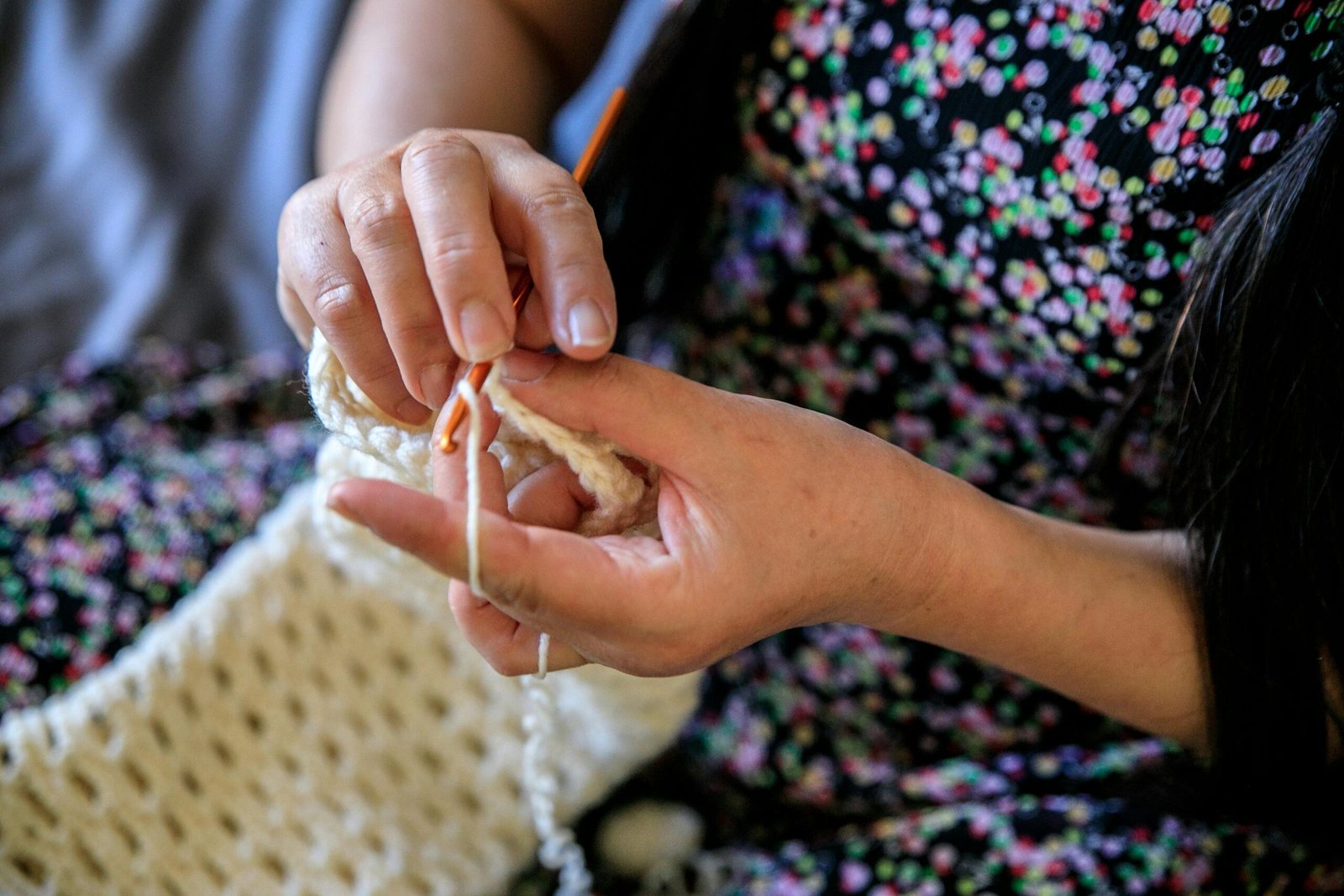
One of the quickest ways to get good at crochet or knitting is also the simplest: finish small projects. Beginners often get stuck because they choose something too big (like a full blanket) or too complicated (like a fitted sweater). Then the project becomes overwhelming, and motivation fades.
This article gives you practical beginner project ideas that build skill without stress—plus tips on choosing the right first project based on what you want (fast wins, useful items, gifts, or practice pieces). You’ll also get a simple “difficulty filter” so you can pick something you can finish with the skills you already have.
What Makes a Project “Beginner-Friendly”?
A beginner-friendly crochet or knitting project usually has:
- simple shapes (rectangles, squares, basic tubes)
- repeating stitches (no complicated charts)
- minimal shaping (few increases/decreases)
- forgiving sizing (scarves are forgiving; fitted garments are not)
- yarn that’s easy to see (smooth, light/medium color)
The best beginner project is one that teaches one or two skills—then ends.
The Best Yarn + Tool Setup for Beginner Projects
If you want projects to go smoothly, start with these “safe” supplies:
- Worsted weight yarn (#4) in a light/medium color
- Crochet: 5.0 mm or 5.5 mm hook
- Knitting: US 8 (5.0 mm) needles (straight or circular)
- Yarn needle + scissors
You can absolutely use other yarns, but this setup makes stitches easier to see and handle.
Beginner Crochet Projects (10 Easy Ideas)
These projects are chosen because they use basic stitches and don’t require complicated shaping.
1) Coasters (single crochet or half double crochet)
Why it’s great:
- Small and fast
- Teaches straight edges and stitch counting
- Easy to redo if needed
Best yarn: cotton or acrylic
Skills: chain, sc/hdc, turning, weaving ends
2) Dishcloth / Washcloth (cotton yarn)
Why it’s great:
- Useful and washable
- Teaches consistent tension
- Doesn’t need perfect sizing
Best yarn: cotton
Skills: basic rows, counting, neat edges
3) Simple Scarf (double crochet or half double crochet)
Why it’s great:
- Repetitive and relaxing
- Looks good even if tension is slightly uneven
- Big enough to feel like a “real” project
Best yarn: acrylic or soft blend
Skills: longer rows, turning chains, consistency
4) Headband / Ear Warmer (rectangle + seam)
Why it’s great:
- Short project with a finished wearable result
- Introduces joining/seaming
Best yarn: acrylic or wool blend
Skills: rectangle shaping, seam/join, weaving ends
5) Granny Squares (classic beginner milestone)
Why it’s great:
- Teaches working in the round
- Builds confidence fast
- You can turn squares into many projects later
Best yarn: smooth acrylic or cotton blend
Skills: chaining, dc, corners, joining rounds
6) Mug Cozy (small rectangle + button)
Why it’s great:
- Uses basic stitches
- Teaches shaping around an object
- Fun gift idea
Best yarn: cotton or acrylic
Skills: measuring, seaming, optional button loop
7) Simple Tote Bag (two rectangles + join)
Why it’s great:
- Structured beginner project
- Feels impressive without complex shaping
Best yarn: cotton or sturdy acrylic
Skills: dense fabric, joining pieces, handles
8) Pillow Cover (two panels)
Why it’s great:
- Large but simple
- Great practice for consistent rows and seams
Best yarn: acrylic or chunky yarn (once comfortable)
Skills: panels, sewing/joining, finishing
9) Simple Baby Blanket (repeat stitch pattern)
Why it’s great:
- Classic long-term beginner project
- Great practice for consistency
Best yarn: soft acrylic (easy care)
Skills: repeating pattern, edges, patience
10) Beginner Amigurumi Ball (later beginner)
Why it’s great:
- A first step into amigurumi without complex shaping
- Helps you learn tight stitches and working in rounds
Best yarn: smooth cotton or acrylic
Skills: magic ring (or alternative), sc in rounds, increases/decreases
Beginner Knitting Projects (10 Easy Ideas)
These projects build from knit-only to knit+purl patterns, with minimal shaping.
1) Garter Stitch Scarf (knit every row)
Why it’s great:
- No purling needed
- Doesn’t curl much
- Builds rhythm and tension control
Best yarn: acrylic or wool blend
Skills: cast on, knit, bind off, weave ends
2) Knit Dishcloth (garter stitch)
Why it’s great:
- Quick finish
- Teaches clean edges and even tension
- Useful practice
Best yarn: cotton
Skills: knit rows, counting, finishing
3) Ribbed Headband (k2, p2)
Why it’s great:
- Great first “pattern” that looks professional
- Teaches switching knit/purl smoothly
Best yarn: soft acrylic or wool blend
Skills: knit, purl, ribbing, seaming
4) Simple Cowl (flat rectangle seamed or knit in the round later)
Why it’s great:
- Shorter than a scarf
- Looks stylish and wearable
- Easy to repeat stitches
Best yarn: bulky or worsted
Skills: basic stitch repetition, finishing
5) Baby Blanket Squares (modular blanket)
Why it’s great:
- You knit small squares and join them later
- No pressure to finish a huge blanket in one piece
Best yarn: acrylic
Skills: repetition, consistent square size, joining
6) Seed Stitch Scarf (textured and flat)
Why it’s great:
- Doesn’t curl like stockinette
- Looks “fancy” but is simple
- Teaches reading knit vs purl
Best yarn: worsted acrylic or wool blend
Skills: k1/p1 alternation, pattern tracking
7) Simple Beanie (best after you learn basics)
Why it’s great:
- Feels like a big milestone
- Teaches decreases (minimal shaping)
Best yarn: wool blend or acrylic
Skills: ribbing + simple decreases (later beginner)
8) Fingerless Gloves (later beginner)
Why it’s great:
- Small and wearable
- Good practice for ribbing and shaping
Best yarn: soft wool blend
Skills: simple shaping, seaming or small-round knitting (later)
9) Stockinette Scarf With Garter Border (prevents curl)
Why it’s great:
- Lets you practice stockinette without curling disaster
- Looks clean and classic
Best yarn: worsted
Skills: knit rows, purl rows, border control
10) Simple Striped Scarf (color changes)
Why it’s great:
- Adds variety without complexity
- Teaches clean color changes and weaving ends
Best yarn: worsted acrylic
Skills: changing yarn, weaving ends securely
How to Pick Your First Project (A Simple Filter)
Choose based on what you want most:
If you want the fastest “win”
- Crochet coaster or dishcloth
- Knit dishcloth or garter scarf
If you want something wearable quickly
- Crochet headband
- Knit ribbed headband
- Knit simple cowl
If you want a gift that looks impressive but is easy
- Crochet granny squares into a small pillow cover
- Knit seed stitch scarf
If you want to learn rounds (circles/tubes)
- Crochet granny squares or amigurumi ball
- Knitting in the round (later) with a simple beanie
Beginner Project Tips That Save You Frustration
Pick light-colored, smooth yarn for learning
Dark or fuzzy yarn makes every project harder.
Don’t start too wide
A scarf doesn’t need to be 12 inches wide. A narrower scarf is faster and easier to keep even.
Use stitch markers for edges
Marking the first and last stitch instantly improves your rectangles.
Finish small items before starting big ones
Finishing builds confidence and teaches the full process (start → middle → finish).
Keep your first projects simple on purpose
Simple doesn’t mean boring. Simple means you actually finish and improve.
A Smart Beginner Path (If You Want a Clear Plan)
If you crochet:
- coaster
- dishcloth
- scarf
- granny squares
- simple bag or small blanket
If you knit:
- garter dishcloth
- garter scarf
- ribbed headband
- seed stitch scarf
- simple beanie
This progression builds skills without overwhelming you.
The Takeaway: Finishing Small Projects Is the Fastest Way to Get Good
You don’t need complicated patterns to make beautiful things. The best beginner projects are simple, useful, and finishable. Choose one small project, complete it, learn from it, and move to the next. That momentum is how you become confident—quickly.
Isabella Garcia is the creator of a blog dedicated to crafts and home care, focused on making everyday life more creative, organized, and enjoyable. The blog shares practical tips, easy DIY projects, home organization ideas, and simple solutions to take better care of your living space. Whether you’re a beginner in crafting or someone looking for inspiration to improve your home routine, Isabella’s blog offers clear, useful, and hands-on content to help you create a cozy, beautiful, and well-cared-for home.