How to Read Your Crochet and Knitting: A Beginner Guide to Identifying Stitches, Rows, and Mistakes Without Guessing
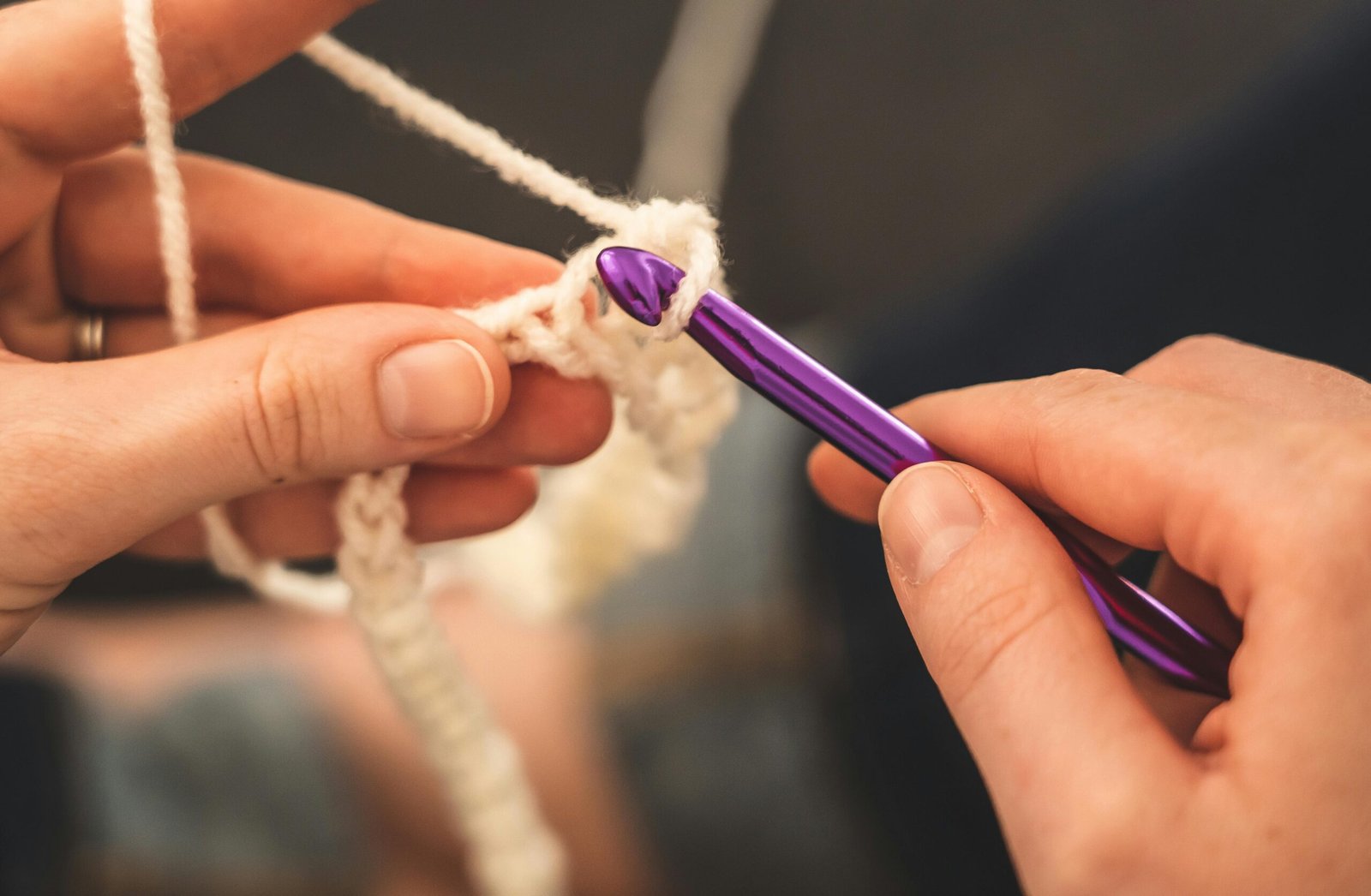
ne of the biggest “aha” moments in crochet and knitting isn’t learning a new stitch—it’s learning to read your fabric. That means looking at what you’ve already made and understanding what you see: where the stitches are, how many rows you’ve worked, whether you’re on the right track, and what went wrong when something looks … Ler mais
Beginner Project Roadmap: What to Make First in Crochet and Knitting

When you’re new to crochet or knitting, the internet can make it feel like you have two choices: either make a perfect sweater immediately or practice endless random swatches forever. Neither path is very satisfying. Beginners need something different—a project roadmap that builds skills in a smart order, gives you quick wins, and slowly adds … Ler mais

Beginner Crochet and Knitting Practice Routine: A 4-Week Plan to Build Skill

One of the biggest beginner challenges in crochet and knitting isn’t learning a stitch—it’s learning consistently. You can watch tutorials for hours, buy beautiful yarn, and still feel stuck if you don’t have a simple routine. The good news is that you don’t need long sessions or “perfect” practice. You need a plan that makes … Ler mais

Crochet in the Round for Beginners: Magic Ring, Flat Circles and Counting Rounds

Crocheting in the round is one of the most useful beginner skills because it unlocks so many projects: coasters, granny squares, baskets, hats, amigurumi, and even seamless sleeves. It also fixes a common beginner frustration: you don’t have to worry about turning chains and row edges the same way you do when crocheting flat. At … Ler mais

Knitting in the Round for Beginners: How to Start, Avoid Twists and Track Rounds

Knitting in the round is one of the biggest “level-up” moments for beginners. It opens the door to hats, cowls, sleeves, mittens, and seamless tubes that look clean and professional. And once you get comfortable, it can feel easier than knitting flat—because you often don’t have to turn your work every row. At the same … Ler mais

How to Join Yarn and Change Colors Cleanly in Crochet and Knitting: Beginner Methods

Joining a new skein of yarn or changing colors is one of those “simple” steps that can make a beginner project look either polished or messy. You might get a little bump, a loose gap, a bulky knot, or color changes that look jagged instead of clean. And if you’re making stripes, granny squares, or … Ler mais

Beginner Crochet and Knitting Tools Guide: What You Really Need to Start Confidently

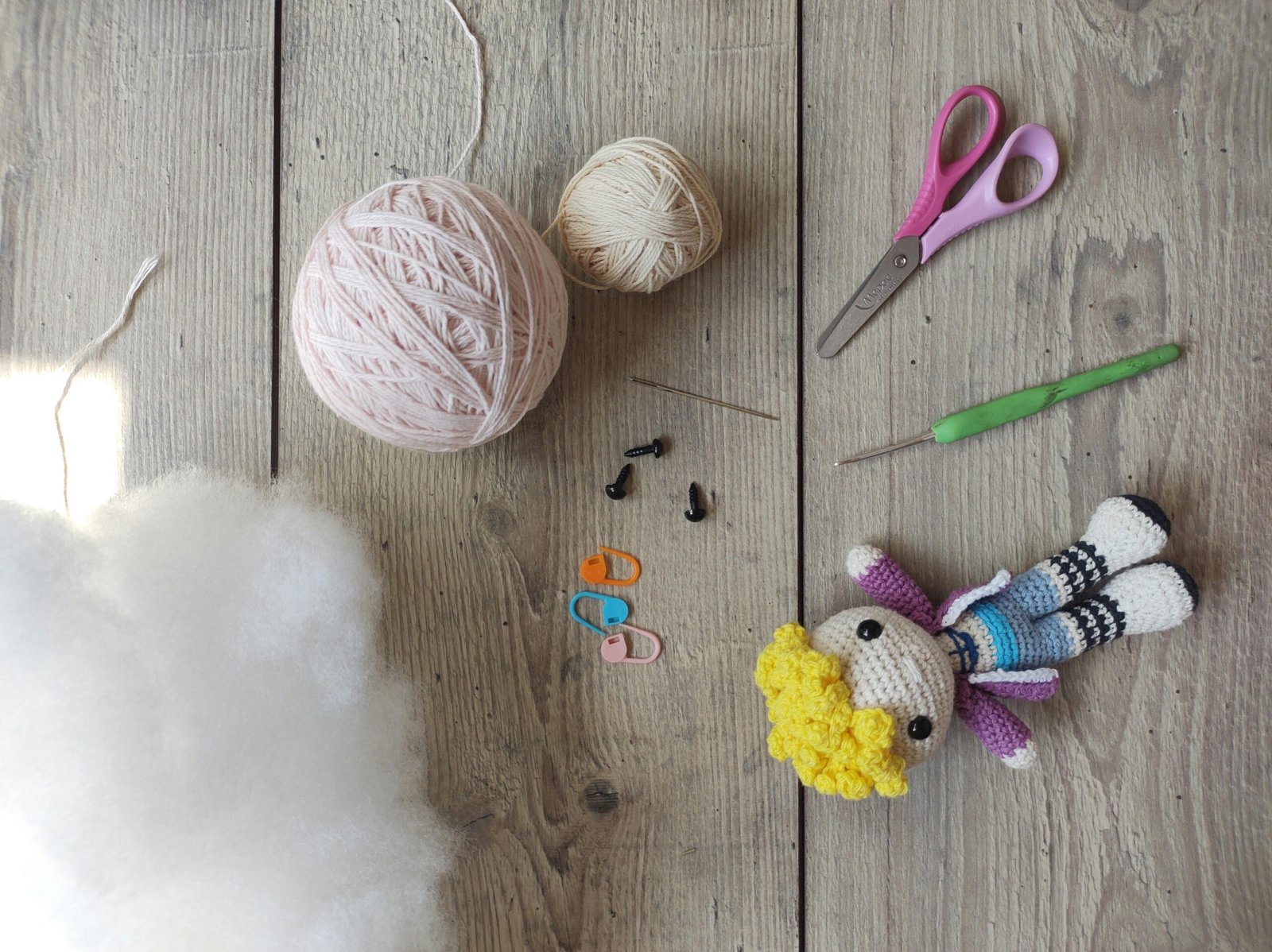
Walking into crochet and knitting as a beginner can feel like entering a world where everyone owns a thousand tiny tools. Hooks in every size, needles in multiple materials, rows of stitch markers, measuring gadgets, blocking boards, special scissors, needle gauges, cable needles, stitch holders… and somehow people still say, “You only need the basics.” … Ler mais

Stitch Markers for Beginners: How to Use Them in Crochet and Knitting to Stop Losing Your Place

Stitch markers look like tiny, simple accessories—but for beginners, they’re one of the biggest “skill accelerators” you can buy (or improvise). They don’t just mark stitches. They prevent the most common beginner problems: crooked edges, miscounted rounds, drifting increases, uneven repeats, and that awful moment when you put your project down and can’t remember what … Ler mais

How to Keep Tension Consistent in Crochet and Knitting: Beginner Exercises That Actually Work

If there’s one skill that makes beginner crochet and knitting instantly look more “professional,” it’s tension. Tension is how tightly or loosely you hold yarn and form stitches. When tension is consistent, your fabric looks even, edges look cleaner, stitch patterns pop, and projects match the size you expect. When tension is inconsistent, you might … Ler mais

How to Fix Common Crochet and Knitting Mistakes: A Beginner Repair Guide You’ll Actually Use

Every crocheter and knitter makes mistakes. Not just beginners—everyone. The difference is that experienced crafters know two important truths: most mistakes are fixable, and you don’t have to restart a whole project to recover. Once you learn a few repair moves, you stop panicking when something looks off. You start thinking, “Okay—what kind of mistake … Ler mais