
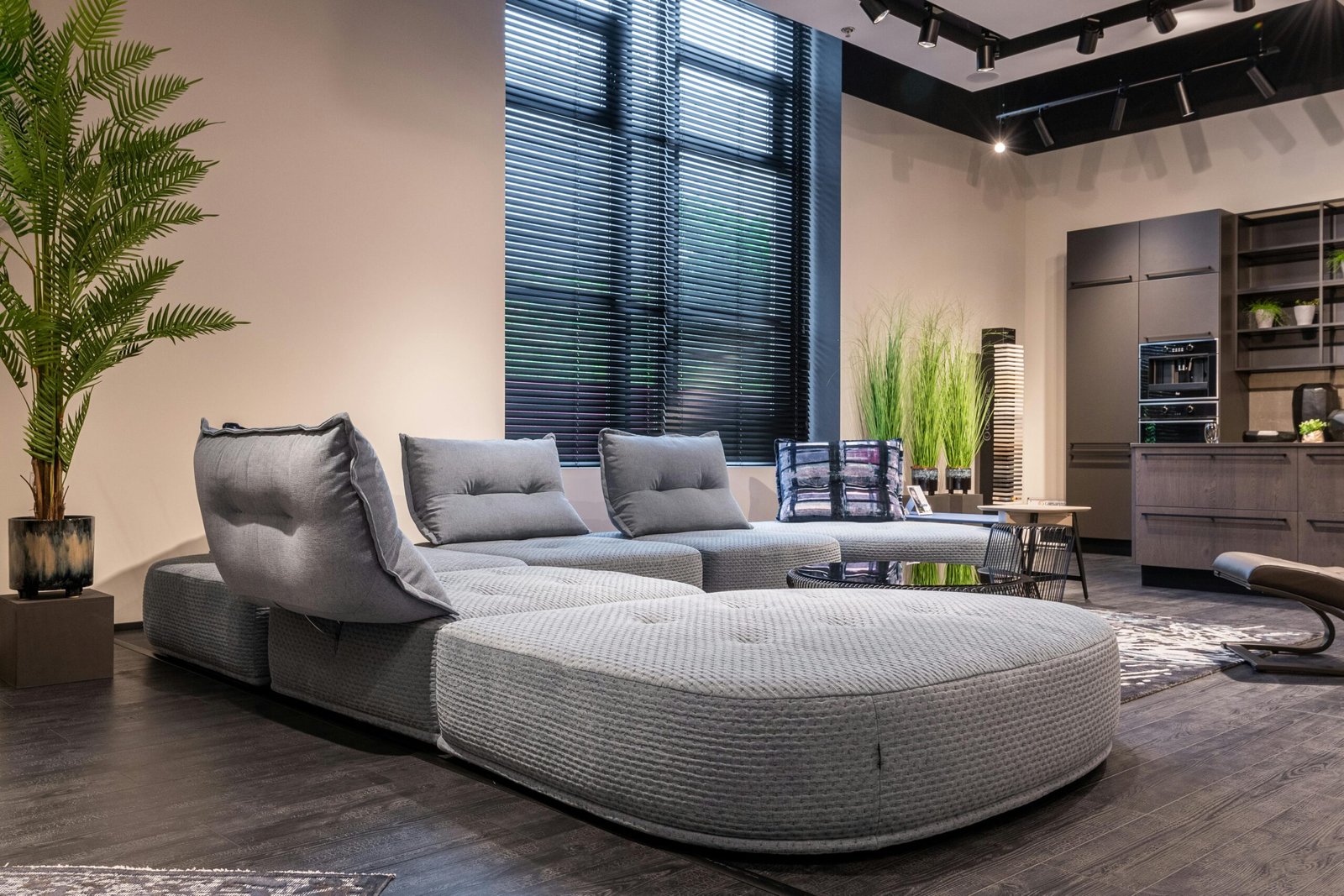
Color is one of the most powerful tools in home decor. It affects how a room feels before you even notice the furniture. A space can be beautifully designed, but if the color mood is off, it may feel uncomfortable—too cold, too busy, too dark, or strangely “flat.” On the other hand, a simple room with the right colors can feel calm, welcoming, energetic, cozy, or elegant.
Color psychology isn’t about strict rules like “blue always makes you calm.” Real homes are more nuanced than that. Lighting, undertones, saturation, contrast, and how colors are combined all influence the emotional effect. This guide will help you understand how color impacts mood and show you how to use color intentionally—without overcomplicating your choices.
By the end, you’ll know how to:
- choose a color direction based on how you want your home to feel,
- understand warm vs. cool undertones (so your room looks cohesive),
- use color in a balanced way (not overwhelming),
- and build color palettes that work across an entire home.
Why color psychology matters in decorating
Most decorating struggles come from one of these problems:
- the space feels chaotic because too many colors compete,
- the room feels cold because undertones clash,
- the room feels smaller because contrast is too strong,
- or the room feels dull because there’s no clear color hierarchy.
When you understand how color works emotionally and visually, you stop guessing. You can intentionally create a mood—relaxed, bright, cozy, or sophisticated—while keeping the room cohesive.
Start with the most important question: How do you want the room to feel?
Before choosing any paint color or pillows, pick 3 words that describe the mood you want. This is the easiest way to connect color to real life.
Examples:
- calm / warm / grounded
- bright / fresh / airy
- cozy / soft / comforting
- modern / clean / structured
- bold / creative / dramatic
- elegant / timeless / refined
These words help you choose the “color family” that matches the mood—without chasing trends.
The foundation: hue, temperature, and saturation (simple explanations)
You don’t need to be an expert, but these three concepts will make everything easier.
Hue
The basic color family: blue, green, yellow, red, etc.
Temperature
Whether a color leans warm or cool.
- Warm colors have hints of yellow, red, or orange.
- Cool colors have hints of blue, green, or gray.
Temperature affects mood:
- warm often feels cozy, inviting, and grounded
- cool often feels calm, clean, and spacious
Saturation
How intense or muted a color is.
- High saturation: bold, vivid, energetic
- Low saturation: muted, soft, calming
In homes, muted colors are usually easier to live with long-term, while high saturation is best used strategically (accents or one statement area).
The biggest “color problem” in homes: undertones
Two colors can look like they match… until you put them together. That’s undertones.
A “white” can be:
- warm cream (yellow undertone),
- cool bright white (blue undertone),
- or greige (gray-beige undertone).
A “gray” can lean:
- blue (cool),
- green (earthy),
- or purple (more complex and tricky).
If undertones clash, a room can feel subtly “off,” even if everything is technically pretty.
The simplest undertone rule
Pick a direction:
- Warm home: warm whites, beige, taupe, terracotta, warm wood, brass
- Cool home: crisp whites, cool grays, blues, charcoal, black accents, chrome
You can mix warm and cool, but it should be intentional and balanced—not accidental.
Color psychology by color family (what colors tend to communicate)
Remember: these are tendencies, not guarantees. Lighting and saturation can change everything.
White and off-white: calm, clean, open
White is often associated with clarity and freshness. It can make small rooms feel bigger and brighter.
But the effect depends on the undertone:
- warm whites feel cozy and soft
- cool whites feel crisp and modern
Best uses
- walls in small spaces
- ceilings to brighten
- a calm base palette
Watch out for
- too much pure white with no texture can feel sterile
Fix: add texture (linen curtains, woven rugs, wood tones).
Beige, taupe, and warm neutrals: cozy, grounded, welcoming
Warm neutrals feel safe and comfortable. They work well for people who want a home that feels relaxing rather than “sharp.”
Best uses
- living rooms and bedrooms
- homes that want a natural, warm vibe
- spaces with lots of wood and texture
Watch out for
- rooms that look “flat” if there’s no contrast
Fix: add depth with black accents, darker wood, or layered textures.
Gray: calm, modern, structured (but can feel cold)
Gray can feel sleek and contemporary, but it can also feel chilly if the lighting is cool or the undertone doesn’t match the space.
Best uses
- modern and contemporary homes
- spaces that need a neutral base for bold art
- rooms with strong black/white contrast
Watch out for
- too much cool gray + bright white can feel icy
Fix: add warmth with wood, beige textiles, or warmer lighting.
Blue: calm, restful, reliable
Blue is often linked to relaxation and stability. It can be soothing in bedrooms and calming in living spaces.
Different blues create different moods:
- soft dusty blue = calm and gentle
- navy = elegant, grounded, sophisticated
- bright blue = energetic, playful
Best uses
- bedrooms (restful mood)
- offices (focus and calm)
- bathrooms (freshness)
Watch out for
- overly bright blue everywhere can feel intense
Fix: keep strong blues as accents, and use soft neutrals for balance.
Green: fresh, balanced, restorative
Green is associated with nature, renewal, and balance. Many people find it calming without feeling cold.
Green variations:
- sage = soft, peaceful, easy to live with
- olive = grounded, warm, modern-organic
- deep forest green = dramatic, elegant, cozy
Best uses
- living rooms and bedrooms
- kitchens for freshness
- anywhere you want a natural vibe
Watch out for
- greens can shift dramatically in different lighting
Fix: test samples and consider undertones (some greens lean gray, some lean yellow).
Yellow: cheerful, uplifting, energizing
Yellow can bring warmth and positivity. But strong yellow can be overwhelming, especially in large doses.
Best uses
- small accents (pillows, art, flowers)
- kitchens or breakfast areas (bright and happy)
- rooms that need warmth
Watch out for
- large areas of bright yellow can feel intense
Fix: use softer buttery yellows or keep yellow as an accent.
Orange and terracotta: warm, creative, cozy
Orange tones—especially terracotta and clay—feel earthy and welcoming. They’re often used in warm, modern-organic spaces.
Best uses
- accent walls (if muted)
- textiles (pillows, rugs)
- rooms that need warmth and personality
Watch out for
- overly bright orange can feel too loud
Fix: choose muted versions (rust, clay, burnt orange).
Red: powerful, stimulating, dramatic
Red increases energy and can feel bold and emotional. In most homes, it’s best used in small doses.
Best uses
- small accents
- dining rooms (can feel lively and social)
- art and decor details
Watch out for
- too much red can feel stressful or overwhelming
Fix: keep it minimal and pair with calm neutrals.
Pink: soft, comforting, modern (depending on tone)
Pink can be calming and warm when muted, or playful and bold when bright.
Best uses
- bedrooms (muted blush tones)
- accents in modern interiors
- balancing darker palettes
Watch out for
- bright pink can dominate quickly
Fix: choose dusty pinks or keep it to small accents.
Black: sophisticated, grounded, high-contrast
Black adds structure, definition, and a modern edge. It can make a room feel more “designed” when used intentionally.
Best uses
- frames, hardware, light fixtures
- small accents to create contrast
- anchoring a neutral palette
Watch out for
- too much black in small, dim rooms can feel heavy
Fix: use black as an accent and add warm lighting.
How to use color in your home without making it chaotic
Knowing color psychology is helpful—but application is what matters. Here are the practical systems designers use.
1) Use the 60–30–10 palette rule (the easiest balance tool)
This classic rule helps a room feel cohesive:
- 60% = dominant color (often walls and large furniture)
- 30% = secondary color (rug, curtains, accent chair)
- 10% = accent color (pillows, art details, small decor)
This prevents the “too many colors” problem. You can adjust, but it gives structure.
Example palette
- 60% warm off-white
- 30% olive green
- 10% black accents
2) Choose one “base neutral” for the whole home
If you want your home to feel cohesive across rooms, pick one main neutral and repeat it:
- wall color family
- trim color
- or a consistent neutral used in large pieces
This creates flow. Even if each room has a different accent color, the home still feels connected.
3) Repeat accent colors in small ways (repetition creates design)
A home looks intentional when colors repeat.
If you use olive in the living room, repeat it somewhere else:
- a pillow in the bedroom
- a small vase
- a kitchen towel
- a print with hints of olive
You don’t need to match perfectly. You just need small echoes.
4) Use color through textiles first (less commitment than paint)
If you’re unsure about color, don’t start with a bold paint choice. Start with reversible layers:
- pillows
- throws
- rugs
- curtains
- artwork
This lets you test how a color feels in your space before committing.
5) Be careful with high contrast in small spaces
High contrast (like black-and-white everywhere) can look bold and modern, but it can also make small rooms feel “choppy” because the eye stops at each contrast boundary.
If you want a small space to feel bigger:
- choose lower contrast
- use softer transitions (warm whites, light wood, gentle patterns)
You can still use black as an accent for structure.
6) Use warm lighting to soften color and mood
Lighting changes color dramatically. Cool lighting can make warm colors look dull and can make cool colors feel harsh. Warm lighting often makes spaces feel more comfortable and flattering.
A room’s mood is not just paint. It’s paint + lighting + texture.
Room-by-room color guidance (based on mood)
Bedroom: calm and restorative
Best color directions:
- soft blues, sage greens, warm neutrals, muted tones
Avoid: - overly bright, high-saturation colors in large doses
Living room: welcoming and balanced
Best color directions:
- warm neutrals with one accent color (olive, navy, terracotta)
Avoid: - too many bold colors fighting for attention
Kitchen: fresh and clean
Best color directions:
- warm whites, soft grays, sage greens, light blues as accents
Avoid: - cluttered color moments on counters (keep containers neutral)
Bathroom: clean and spa-like
Best color directions:
- whites, soft neutrals, calm greens, gentle blues
Avoid: - overly busy patterns in multiple places
Office/work corner: focused but comfortable
Best color directions:
- muted blues and greens, calm neutrals
Avoid: - overly stimulating palettes if you struggle to focus
Common color mistakes that ruin the mood (and how to fix them)
Mistake 1: Mixing warm and cool undertones randomly
Fix: choose a main undertone direction and keep most choices within it.
Mistake 2: Too many accent colors
Fix: limit accents and use repetition instead of variety.
Mistake 3: No contrast at all (room feels flat)
Fix: add contrast through black accents, darker wood, or textured layers.
Mistake 4: Too much contrast (room feels busy)
Fix: soften the palette, use gentler patterns, and reduce strong color boundaries.
Mistake 5: Choosing paint before the big items
Fix: choose rug, sofa, and major textiles first when possible, then paint to support them.
A simple color plan you can apply today
If you want a fast system:
- Choose your 3 vibe words.
- Choose warm or cool as your main undertone direction.
- Pick one base neutral for large areas.
- Pick one secondary color for personality.
- Pick one accent color for small details.
- Repeat those colors across the room using the 60–30–10 rule.
- Use texture and warm lighting to make the palette feel rich.
This plan works in any style—modern, cozy, minimalist, traditional, boho—because it’s based on balance, not trends.
The real secret: color should support your life, not overwhelm it
Color psychology in home decor is ultimately about intention. The best colors are the ones that help you feel the way you want to feel at home: calm, energized, cozy, focused, refreshed, or inspired. When you choose a clear mood, match undertones, use color in a structured way (like 60–30–10), and rely on textiles and repetition instead of random shopping, your home becomes more cohesive and easier to decorate over time.
If you want a home that feels good every day, don’t chase “perfect colors.” Choose consistent colors that make your space feel like you.

Isabella Garcia is the creator of a blog dedicated to crafts and home care, focused on making everyday life more creative, organized, and enjoyable. The blog shares practical tips, easy DIY projects, home organization ideas, and simple solutions to take better care of your living space. Whether you’re a beginner in crafting or someone looking for inspiration to improve your home routine, Isabella’s blog offers clear, useful, and hands-on content to help you create a cozy, beautiful, and well-cared-for home.