
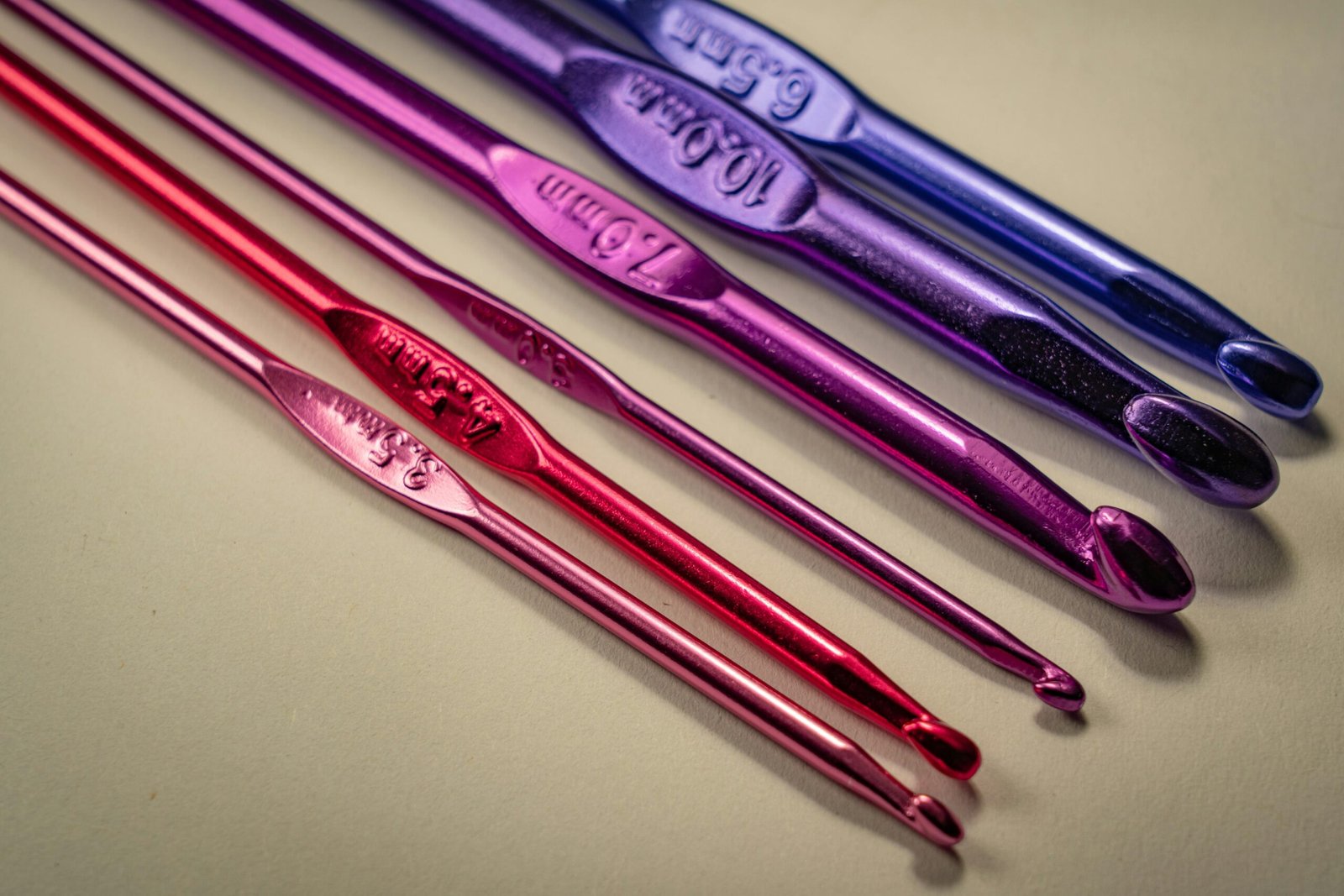
Starting crochet or knitting can feel like you need to buy a whole craft store. You see people online with giant yarn stashes, beautiful needle sets, fancy blocking mats, and every accessory under the sun. It’s easy to think: “If I don’t buy all of that, I can’t do this properly.”
You absolutely can. Crochet and knitting are two of the most budget-friendly hobbies when you start with the right strategy. The key is learning what’s actually essential, what’s nice-but-not-needed, and what purchases will save you frustration (because frustration is the expensive part—when you buy the wrong yarn, hate it, and quit).
This guide is a beginner-friendly budget plan for crochet and knitting. You’ll learn the minimum tool kit to start confidently, which yarn types are easiest and most cost-effective, how to avoid waste, how to shop smart, and which upgrades are worth it later. The goal is simple: help you make projects you’re proud of without overspending.
The Budget Mindset: Buy for the Next Project, Not for “Someday”
The fastest way to overspend is to buy supplies for projects you might do in the future. Beginners often buy:
- random yarn because it’s pretty
- tools they don’t understand yet
- “starter kits” with lots of extras they never use
A smarter budget habit:
- Choose one beginner project.
- Buy only what you need for that project plus one small backup (like a second hook size or a needle size you’ll use again).
- Finish that project.
- Then decide what to buy next based on what you learned.
This keeps your spending tied to real progress.
The True Beginner Essentials (Crochet and Knitting)
You can start with very little. Here’s what actually matters.
Crochet essentials
- 1 hook in a common beginner size (around 5.0 mm)
- 1 skein of smooth worsted-weight yarn (#4)
- scissors
- yarn needle (tapestry needle)
That’s enough to crochet a coaster, dishcloth (with cotton), or simple scarf.
Knitting essentials
- 1 set of needles (or 1 circular needle) in a common beginner size (around 5.0 mm / US 8)
- 1 skein of smooth worsted-weight yarn (#4)
- scissors
- yarn needle
That’s enough to knit a dishcloth or a basic scarf.
The best “optional but cheap” add-on
- stitch markers (or paper clips/safety pins)
Markers prevent mistakes, which saves time and frustration—so they’re a great budget tool even though they cost little.
What to Skip at First (This Saves You Money Immediately)
These things are useful later but not necessary for beginners:
- huge hook/needle sets
- expensive yarn bowls
- blocking mats and fancy pins
- advanced pattern books
- specialty stitch tools
- multiple sizes of circular needles “just in case”
- luxury fibers that are hard to care for
You can add these gradually once you know what you actually enjoy making.
The Best Beginner Yarn for Budget + Success
Yarn choice affects everything: how easy it is to see stitches, how smooth it feels, how forgiving it is, and whether your project looks neat even when your tension is still developing.
The best beginner yarn features
- smooth texture (not fuzzy)
- solid or lightly heathered color
- medium thickness (worsted weight #4)
- not too slippery
- good stitch definition
Why worsted weight (#4) is the budget sweet spot
- it’s widely available
- it’s easy to see
- it works with common hook/needle sizes
- projects build at a satisfying pace
- it’s forgiving for tension practice
Very thin yarn costs you in a different way: it takes longer, mistakes are harder to see, and beginners get discouraged. Very fluffy yarn hides mistakes but also hides stitch placement, which makes learning harder.
Acrylic vs Cotton vs Wool: Budget Fiber Breakdown
Fiber choice affects price, care, comfort, and the kinds of projects that make sense.
Acrylic (budget-friendly and common)
Pros:
- often the most affordable
- widely available in many colors
- usually easy to wash (check label)
- good for scarves, blankets, and practice
Cons:
- can pill (fuzz balls) with friction
- may not breathe as well as natural fibers
- steam/heat must be used carefully if blocking
Best beginner use:
- practice swatches
- scarves and blankets
- simple projects where easy care matters
Cotton (great for useful items)
Pros:
- strong and absorbent
- great stitch definition
- excellent for dishcloths, coasters, market bags
- washes well
Cons:
- less stretchy (can feel harder on hands if you crochet tightly)
- can feel stiff at first
- can stretch when wet if hung
Best beginner use:
- dishcloths and washcloths
- coasters
- summer accessories
Wool (often more expensive but very rewarding)
Pros:
- warm and elastic
- blocks beautifully
- comfortable for wearables
- forgiving in tension because it “bounces” a bit
Cons:
- can be more expensive
- may require hand washing
- some people find wool itchy (depends on type)
Best beginner use (if budget allows):
- hats and warm scarves
- simple garments later
- projects where you want a polished blocked finish
Beginner budget recommendation
Start with:
- acrylic for practice and larger items
- cotton for dishcloths (small, useful, cheap)
Add wool later once you’re comfortable and want to invest.
Choosing Yarn Colors That Make Learning Easier (And Save You Time)
Dark yarn (especially black) is notoriously hard for beginners. You can do it, but it slows learning. Time is part of budget—if a yarn choice makes you quit, it’s not “cheap.”
Beginner-friendly colors:
- light to medium solid colors (cream, gray, dusty blue, sage, soft pink)
- heathers that aren’t too busy
Harder colors:
- black and navy (hard to see stitch structure)
- bright neon (can be visually tiring)
- very variegated yarn (makes it harder to see mistakes)
If you love dark yarn, use it later after you’re confident with stitch anatomy.
The Smart Beginner Tool Strategy (Don’t Buy a Full Set Yet)
Crochet: the “two-hook” budget plan
Many beginners crochet tightly. The easiest fix is using a slightly larger hook.
Budget-friendly plan:
- buy one 5.0 mm hook
- add one nearby size (5.5 mm) if your stitches are tight
This covers most worsted-weight beginner projects without needing a full set.
Knitting: the “one circular needle” plan
A circular needle can knit flat and in the round, which means one purchase can do many projects.
Budget-friendly plan:
- buy one circular needle around 5.0 mm / US 8
- choose a comfortable cable length (often around 32″ is versatile for many things)
- you can knit flat dishcloths and scarves, and later try some in-the-round projects
You don’t need multiple needle styles at the start.
Wood vs metal (budget + ease)
- Wooden/bamboo needles can help beginners because stitches are less slippery.
- Metal needles can feel fast but may cause beginners to grip tighter.
If you drop stitches often, wood/bamboo can feel more stable. If you want maximum budget, choose what’s available and comfortable—comfort saves money by keeping you practicing.
Cheap Alternatives to “Craft Accessories”
A lot of craft accessories can be replaced with household items:
- stitch markers → paper clips or safety pins
- row counter → phone notes app or tally marks
- blocking mats → a towel on a bed
- blocking pins → regular pins (rust-resistant if possible) or safety pins
- yarn bowl → a clean bowl or a reusable bag
- project bag → a zip bag or tote you already own
You can upgrade later if you craft consistently.
How to Avoid Yarn Waste (Big Budget Saver)
The most expensive beginner habit is buying yarn that doesn’t match any plan.
Ways to reduce waste:
- start with small projects (dishcloths, coasters, headbands)
- choose one main color you like and build around it
- avoid buying many single skeins in random colors
- keep labels or take photos so you can buy matching yarn later
- finish projects before buying yarn for the next five
Another smart habit: choose projects that use about one skein. One-skein projects help you learn without leftover clutter.
Buying Yarn and Tools Smartly (Without Overcomplicating It)
Budget-friendly shopping habits:
- compare price per yard/meter, not just per skein
- watch for simple sales and buy only what you’ll use soon
- start with a limited color palette so yarn can mix and match
- avoid novelty yarn until you have experience
If you buy online:
- check yarn weight and fiber content carefully
- read reviews for “scratchy,” “splitting,” or “pills easily”
- stick to known beginner-friendly yarn styles: smooth worsted, clear stitch definition
If you buy in a store:
- feel the yarn (scratchy yarn often becomes a “never finish” project)
- check for smoothness (less splitting)
- look at label care instructions (easy care is beginner-friendly)
The “Worth It” Upgrades (Only After You Know You’ll Stick With It)
Once you’ve finished a few projects, a few upgrades truly improve experience.
Upgrade 1: Ergonomic crochet hook (if your hand gets tired)
If you feel thumb or grip fatigue, an ergonomic hook can be a game-changer. It’s a comfort upgrade, and comfort protects your habit.
Upgrade 2: Better scissors and a yarn needle set
Not expensive, but it makes finishing easier and cleaner.
Upgrade 3: A second circular needle size (for variety)
If you start knitting more, you may want one smaller and one larger size. But only after you know what you like making.
Upgrade 4: Blocking tools (only if you need them)
If you start making granny squares or lace, blocking mats and pins can be helpful. Until then, towels work fine.
Budget-Friendly Beginner Project Ideas (High Success, Low Cost)
Here are projects that build skill without requiring lots of supplies:
Crochet:
- single crochet coaster set (one skein)
- cotton dishcloth (one skein)
- simple scarf in half double crochet (two skeins, depending on length)
- granny square coaster (use scrap yarn)
Knitting:
- garter stitch dishcloth (one skein)
- seed stitch scarf (two skeins, depending on length)
- simple cowl (one to two skeins)
- ribbed headband (one skein)
Dishcloths are a budget secret: they’re small, useful, washable, and they teach real skills. They also make great blog tutorial content because readers can finish quickly.
How to Build a “Mini Stash” That Doesn’t Become Clutter
A stash isn’t bad. A chaotic stash is bad.
A smart mini stash:
- one main neutral (cream, gray, black later)
- 2–3 accent colors you love
- same yarn weight (mostly worsted)
- similar fiber type (so projects feel consistent)
This lets you mix colors for stripes or granny squares without buying a new yarn type every time.
If You’re Creating a Blog: Budget Content Ideas That Don’t Require New Supplies
If you’re writing blog posts, you don’t always need a new project sample. Many high-value beginner posts are informational:
- how to choose yarn
- how to read labels
- how to hold yarn and improve tension
- how to fix mistakes
- how to block and finish
- how to plan a beginner routine
These posts let you publish consistently while using the same basic supplies.
The Takeaway: Budget Crafting Is About Smart Simplicity
You don’t need expensive yarn or a huge tool set to start crochet or knitting. You need:
- smooth worsted-weight yarn
- one good hook or one good needle size
- simple tools for finishing
- a beginner project you can finish
Start small, buy with intention, and upgrade only when the upgrade solves a real problem (comfort, ease of finishing, or a new technique you’re ready for). That approach saves money and builds confidence fast—because the best value in crafting is finishing projects you love.
Isabella Garcia is the creator of a blog dedicated to crafts and home care, focused on making everyday life more creative, organized, and enjoyable. The blog shares practical tips, easy DIY projects, home organization ideas, and simple solutions to take better care of your living space. Whether you’re a beginner in crafting or someone looking for inspiration to improve your home routine, Isabella’s blog offers clear, useful, and hands-on content to help you create a cozy, beautiful, and well-cared-for home.