
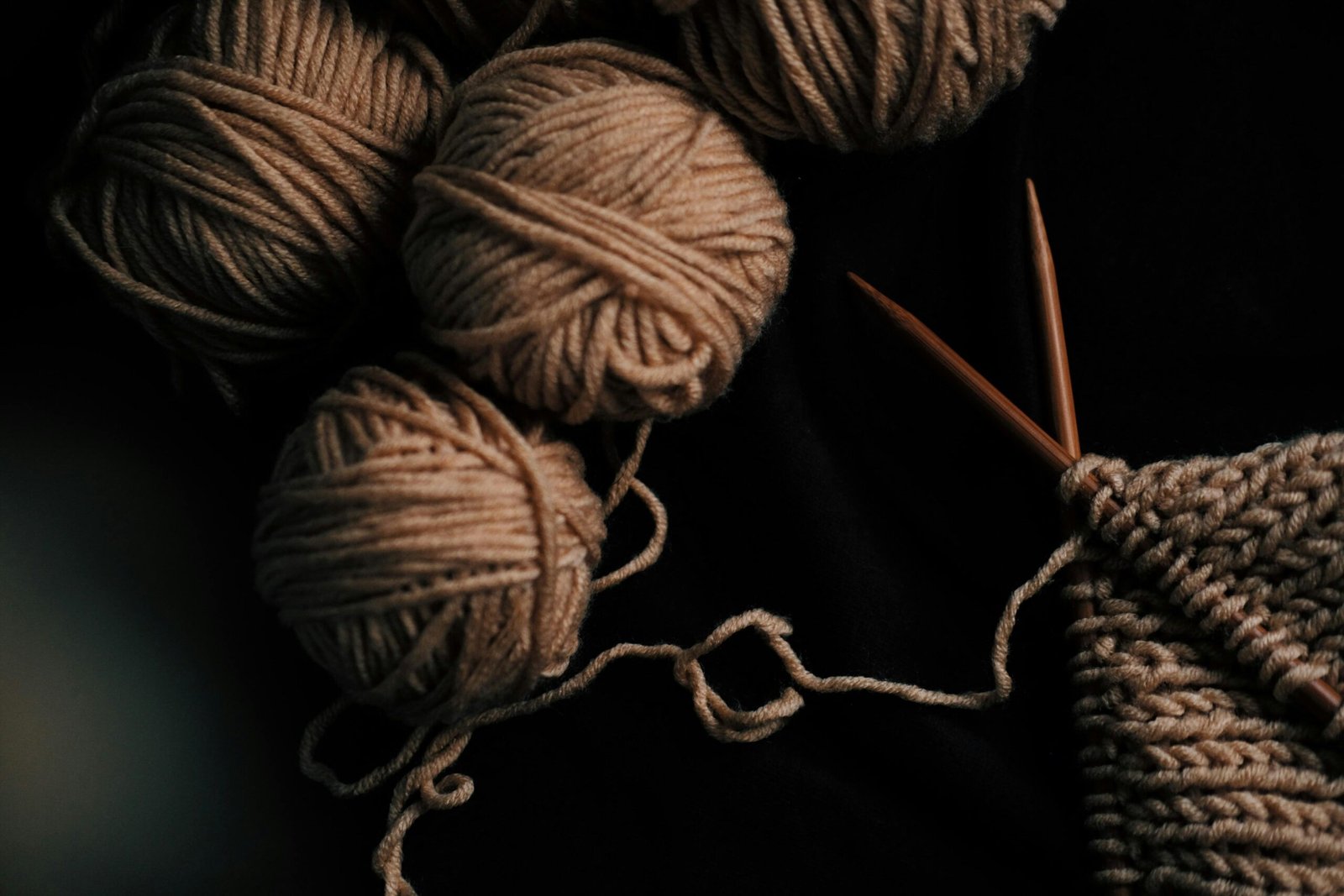
Crochet and knitting are supposed to feel relaxing and satisfying, but beginners often run into a surprising problem: sore hands, tight shoulders, wrist fatigue, or a stiff neck after practicing. If that’s happened to you, it doesn’t mean you’re doing the craft “wrong” or that you’re not built for it. It usually means you’re concentrating hard (so you tense up), gripping tools too tightly, or practicing for longer than your body is ready for—especially while your hands are still building new movement patterns.
This article is a beginner-friendly guide to crafting comfortably and safely. You’ll learn how to set up your posture, reduce strain with simple adjustments, choose tools that support your hands, build endurance without overdoing it, and recognize early warning signs so you can course-correct before pain becomes a bigger issue. The goal is not to make you anxious about crafting—it’s to help you keep crocheting and knitting for the long term without discomfort.
Why Beginners Feel Pain More Often
When you’re new to crochet or knitting, your body is doing three things at once:
- Learning unfamiliar hand motions
- Holding tension and trying to keep stitches neat
- Concentrating intensely (which often causes unconscious muscle tension)
That combination leads to common beginner habits:
- gripping the hook/needles too hard
- wrapping yarn too tightly around fingers
- raising shoulders toward ears
- leaning forward and craning your neck
- keeping wrists bent for long periods
The good news is that small changes—like lowering your shoulders, loosening your grip, and practicing in shorter sessions—can make a big difference quickly.
A Key Rule: Discomfort Is a Signal, Not a Requirement
Crafting should not require pain. Mild fatigue is normal when learning, but pain, tingling, numbness, or sharp discomfort is a sign to stop and adjust.
Beginner-friendly definitions:
- Normal: mild tiredness, a sense of “I used muscles I’m not used to,” temporary stiffness that eases after a short break
- Not normal: sharp pain, burning, numbness, tingling, weakness, swelling, pain that lasts hours after stopping
If you notice the not-normal signs, the smartest move is to pause and fix the cause rather than “push through.” Pushing through often trains your body into a tense technique that is harder to undo later.
Your Crafting Setup: The Foundation of Comfort
You don’t need fancy equipment, but your setup should support your arms and keep your body neutral.
Choose a seat that supports your back
- Sit with your back supported.
- Keep both feet on the floor if possible.
- Avoid perching at the edge of a seat for long sessions.
If you craft on a bed, use pillows to support your back so you don’t curl forward.
Support your arms
One of the biggest strain sources is holding your arms “in the air.” Support reduces shoulder and neck tension immediately.
Easy support options:
- a pillow in your lap
- armrests
- a folded blanket under your elbows
Your forearms should feel like they’re resting, not hovering.
Keep your project at a comfortable height
If your project is too low, you bend your neck. If it’s too high, you lift shoulders.
Goal:
- your hands around mid-torso height
- shoulders down and relaxed
A lap pillow often puts your hands at the perfect height.
Lighting matters more than you think
When you can’t see stitches, you lean forward and squint, tightening your neck and shoulders.
Beginner lighting upgrades:
- a bright lamp near your work area
- daylight if possible
- avoid working in dim rooms with dark yarn
Better lighting can reduce posture strain without changing anything else.
Posture Checklist (Quick and Beginner-Friendly)
Before you start, do a 10-second posture check:
- Feet grounded
- Back supported
- Shoulders relaxed (down, not lifted)
- Elbows close to your body, supported
- Wrists neutral (not sharply bent up/down)
- Jaw unclenched (seriously—many people clench while concentrating)
If you want a simple cue: “Shoulders heavy, elbows close, hands supported.”
Grip and Tension: The Biggest Hand-Strain Triggers
Most beginner pain comes from too much tension, not from the stitches themselves. Tight tension can make:
- stitches harder to insert into
- yarn harder to pull through
- hands work harder than necessary
Signs you’re gripping too tightly
- your hook/needles leave pressure marks
- your thumb feels sore
- your fingers feel stiff when you stop
- your stitches are extremely tight and hard to work into
How to loosen grip without losing control
Try these small changes:
- Hold the tool one centimeter farther back from the tip.
- Relax your thumb pressure and let fingers guide instead of clamp.
- Slow down for 10 stitches, focusing on smooth movement rather than speed.
- Use slightly larger hook/needle sizes while learning (especially if you’re naturally tight).
Many beginners knit/crochet tight because they fear dropping stitches or making mistakes. But tightness increases mistakes by making stitches hard to manipulate. Looser tension usually makes everything easier.
Yarn Tension: Don’t “Lock” the Yarn Around Your Fingers
If you wrap yarn tightly around your finger for control, it can restrict circulation and cause finger soreness.
Beginner-friendly yarn tension tips:
- Loop yarn around a finger lightly (if you must), but keep it loose enough to slide.
- Avoid wrapping multiple tight loops.
- If your finger turns red or feels numb, loosen immediately.
- Experiment with different paths (over index finger, through fingers, etc.) until it feels stable without squeezing.
There’s no single correct way. The best method is the one that keeps your yarn feeding smoothly without tension pain.
Tool Choices That Reduce Strain
You don’t need a huge tool collection, but the right tools can make learning more comfortable.
Crochet hooks: ergonomic vs standard
If your hand cramps or your thumb aches, an ergonomic hook can help because:
- it reduces pinch grip
- it spreads pressure across your hand
- it encourages a looser hold
If you use standard hooks and feel discomfort, try:
- adding a soft grip (some people use simple handle grips)
- switching to an ergonomic hook in your main size
Knitting needles: wood/bamboo vs metal
Needle material affects how hard you grip.
- Wood/bamboo is slightly grippy, which can reduce fear of stitches slipping. Beginners often grip less tightly because they feel more in control.
- Metal is fast and smooth, but beginners sometimes grip tighter because stitches slide quickly.
If you drop stitches often and feel tense, trying wood/bamboo needles can reduce stress.
Circular needles can reduce strain
Many beginners find circular needles more comfortable than straight needles because:
- the project’s weight rests on the cable and your lap
- your hands hold less weight
- your shoulders stay relaxed more easily
Even if you knit flat, you can knit on circular needles and enjoy the comfort benefits.
Breaks and Micro-Breaks: Build Endurance Without Pain
Beginners sometimes practice until discomfort shows up, then stop. A better approach is to take short breaks before your body complains.
A practical beginner rhythm:
- 10–15 minutes crafting
- 1–2 minutes break
- repeat if you feel good
During breaks:
- drop your hands to your sides
- roll shoulders gently
- open and close your hands a few times
If you’re in “flow” and don’t want to stop, set a quiet timer. Micro-breaks don’t ruin your momentum; they protect it.
Simple Hand and Wrist Stretches (Gentle, Not Aggressive)
You don’t need an intense stretch routine. Gentle movement is enough. Avoid pushing into pain.
Try these after each session:
- Open your hands wide, then relax (repeat 5 times).
- Gently rotate wrists in small circles (both directions).
- Shake out hands lightly.
- Stretch fingers by gently spreading them apart.
For shoulders and neck:
- shoulder rolls backward slowly (5 times)
- bring ear toward shoulder gently on each side (no forcing)
If any stretch causes pain, stop. Comfort-first always.
Preventing Neck and Shoulder Tension
Beginners often blame their wrists when the real culprit is the neck and shoulders. If your shoulders creep up, your whole arm chain tightens.
Beginner shoulder fixes:
- Rest elbows on a pillow to stop shoulder lift.
- Keep your work closer to you rather than reaching forward.
- Lower your hands slightly if you notice your shoulders rising.
- Breathe. Many people hold their breath during tricky parts.
A helpful cue: exhale as you complete stitches. It naturally relaxes your upper body.
Avoiding Wrist Bending (Especially Important for Long Sessions)
Wrist strain often comes from holding your wrist bent for long periods. The goal is a neutral wrist—straight-ish, not sharply flexed.
Beginner wrist tips:
- Bring your project closer rather than bending wrist toward it.
- Move your whole hand and forearm together, not just your wrist.
- Adjust your seat or pillow height so your hands are supported and aligned.
If you notice you’re constantly bending your wrist to “reach” stitches, a bigger hook/needle size can help early on because it makes stitches easier to enter without forceful angles.
A Beginner Warning System: When to Stop Immediately
Stop and rest if you feel:
- tingling in fingers
- numbness
- sharp pain
- burning sensation
- weakness or dropping tools unexpectedly
- pain that increases as you continue
These are not “push through” sensations. They’re signals to pause and adjust your setup, tension, or session length.
If symptoms persist across days, it’s wise to talk to a trusted adult and consider professional advice. It’s always better to address early discomfort than to let it become a longer-term problem.
How to Build Craft Stamina Safely
Endurance in crochet and knitting is like endurance in any skill: you build it gradually.
A simple beginner plan:
- Week 1: 10–15 minutes per session, 3–5 times per week
- Week 2: 15–20 minutes per session, with micro-breaks
- Week 3: 20–30 minutes per session if you feel good
If you feel sore, don’t increase time yet. Keep the sessions comfortable first. Consistency beats intensity.
The “Stress Grip” Problem: How to Practice Without Tensing Up
Many beginners tighten up when they hit a tricky moment: a new stitch, a turn, a join, or a pattern repeat. You might not even notice you’re doing it.
Try a technique called “reset stitches”:
- After every 10 stitches, pause and loosen your grip intentionally.
- Drop your shoulders.
- Take one deep breath.
- Continue.
This tiny reset trains your body to craft calmly even when your brain is focused.
Crafting With Dark Yarn or Thin Yarn: Extra Comfort Tips
Dark yarn and thin yarn force more visual focus, which often increases posture strain. If you must use them:
- increase lighting
- use a lap pillow to keep your neck neutral
- take more frequent micro-breaks
- slow down and keep grip light
As a beginner, it’s totally okay to choose yarn that’s easier to see. That’s not cheating; it’s smart learning.
A Comfort-First Checklist You Can Use Every Session
Before you start:
- Good light
- Back supported
- Elbows supported
- Shoulders down
- Hands relaxed
- Yarn feeding smoothly
During:
- Micro-break every 10–15 minutes
- Check if you’re clenching jaw or holding breath
- Loosen grip when you notice tightness
After:
- Gentle hand open/close
- Shoulder roll
- Write down where you stopped so restarting is easy
If you use this checklist consistently, you’ll build a technique that feels sustainable.
The Takeaway: Comfortable Crafting Is a Skill You Can Learn
Crochet and knitting are not supposed to hurt. If you’re feeling discomfort, it usually means your body is asking for small adjustments: better support, looser grip, shorter sessions, or a tool change. The earlier you build comfort habits, the easier it becomes to craft longer, finish more projects, and actually enjoy the process.
Prioritize relaxed shoulders, supported arms, neutral wrists, and calm tension. Practice in short sessions, take micro-breaks, and listen to your body. Over time, your hands will get stronger, your movements will get smoother, and the craft will feel more natural.
Isabella Garcia is the creator of a blog dedicated to crafts and home care, focused on making everyday life more creative, organized, and enjoyable. The blog shares practical tips, easy DIY projects, home organization ideas, and simple solutions to take better care of your living space. Whether you’re a beginner in crafting or someone looking for inspiration to improve your home routine, Isabella’s blog offers clear, useful, and hands-on content to help you create a cozy, beautiful, and well-cared-for home.