
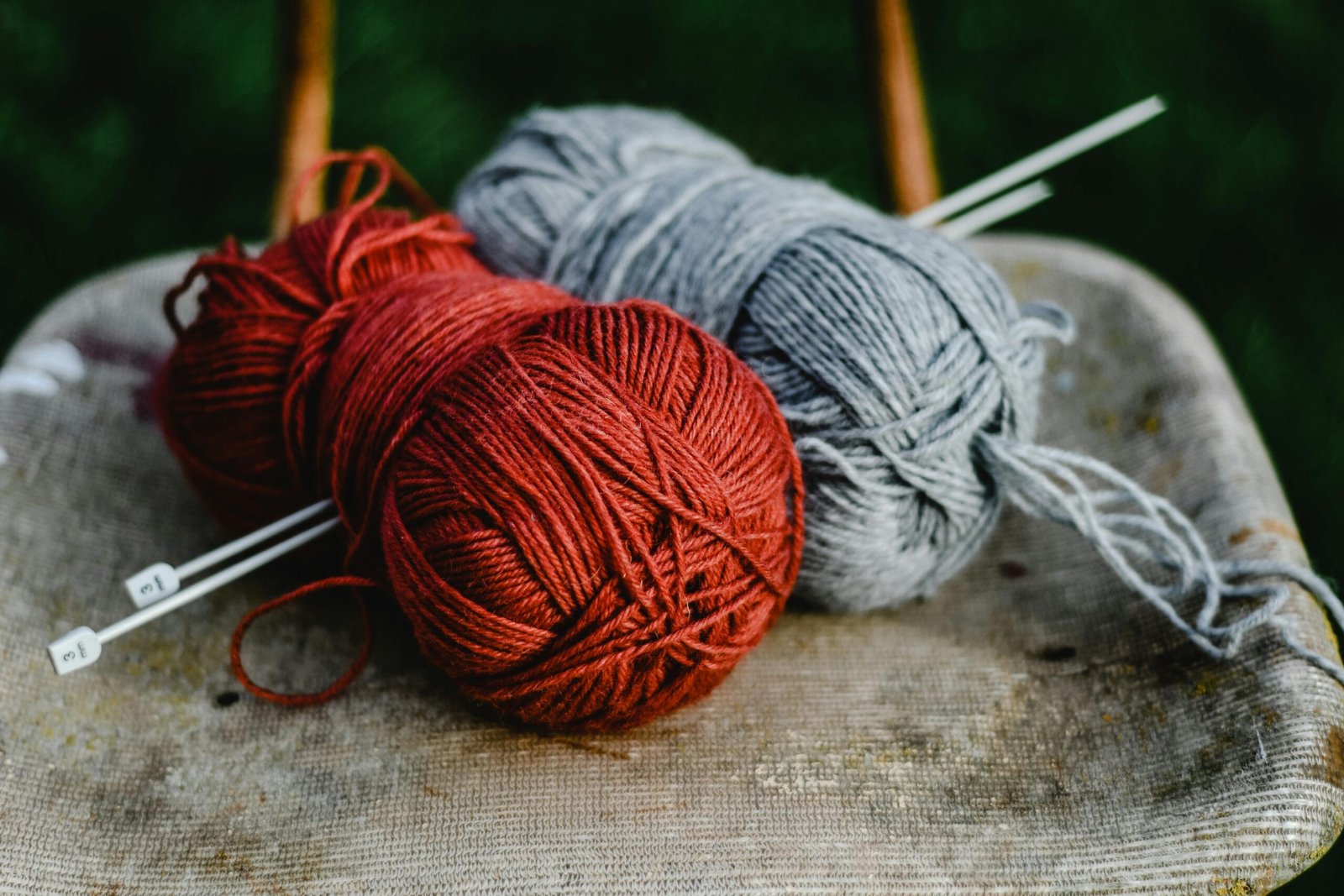
Crocheting in the round is one of the most useful beginner skills because it unlocks so many projects: coasters, granny squares, baskets, hats, amigurumi, and even seamless sleeves. It also fixes a common beginner frustration: you don’t have to worry about turning chains and row edges the same way you do when crocheting flat.
At the same time, crochet in the round has a few beginner “speed bumps”: how to start (magic ring vs chain ring), how to keep track of rounds, how increases actually work, and how to prevent circles from turning into bowls or ripples. The good news is that once you understand the logic of increases and learn a simple round-tracking system, crocheting in the round becomes one of the most calming and predictable parts of crochet.
This guide will take you step by step through the beginner essentials: starting methods, joined rounds vs continuous rounds, stitch markers, how to count, how to increase for flat circles, how to keep your shape clean, and how to finish neatly.
Two Ways to Crochet in the Round
Most round projects fall into one of these two styles:
- Joined rounds: You finish each round and join with a slip stitch, then start the next round (often with a chain). This creates a clear “round seam,” but it’s easier for beginners to count.
- Continuous rounds (spiral): You keep crocheting in a spiral without joining. This is common in amigurumi and baskets. It avoids a visible seam, but you must mark the start of each round carefully.
Neither is better. The pattern will usually tell you which one to use. If it doesn’t, you can often choose based on what look you prefer.
Tools That Make Round Crochet Easier
You don’t need anything fancy, but these help a lot:
- Locking stitch markers (or safety pins): essential for tracking the start of rounds
- Yarn needle: for weaving ends and clean finishes
- Good lighting: makes stitch identification easier, especially at the start
Beginner shortcut: if you don’t have stitch markers, use a small scrap of yarn and move it up each round.
How to Start a Round: Magic Ring vs Chain Ring
The first decision is how you make the center.
Option 1: Magic Ring (Adjustable Loop)
The magic ring (also called magic circle) creates a tight center that closes neatly. It’s popular for:
- amigurumi (no hole at the center)
- coasters and motifs with a clean middle
- hats that start at the crown (top-down)
Why beginners like it:
- it looks professional
- you can pull the center closed
Beginner caution:
- if you don’t secure the tail well, the center can loosen later
The key to a strong magic ring is weaving the tail in securely after finishing—don’t just cut it short.
Option 2: Chain Ring (Chain 2/3/4 and Join)
This method is simple and stable. You chain a small number, join to make a ring, then crochet into the ring.
Common versions:
- Chain 2 and work into the first chain (often for single crochet starts)
- Chain 4 and slip stitch into the first chain to form a ring (classic)
Why beginners like it:
- easier to understand at first
- less worry about the center opening later
Downside:
- the center hole may be larger (sometimes fine, sometimes not)
If you’re making something like a coaster, a small center hole might not matter. For amigurumi, it usually matters more.
The Most Common Beginner Start: Single Crochet Circle
Many beginner patterns start with a single crochet circle. A classic setup is:
- Start with a magic ring
- Work 6 single crochet into the ring
- Pull the ring closed
- Continue increasing each round
You’ll often see 6 as the starting number because it creates a smooth circle with single crochet. For other stitch heights, the starting number changes (we’ll cover that soon).
Joined Rounds: How They Work
In joined rounds, you usually:
- Crochet around
- Slip stitch to the first stitch to join
- Chain a certain number to begin the next round (depending on stitch height)
- Start the next round
This is beginner-friendly because:
- you can clearly see where the round ends
- counting rounds is easier
- stitch counts often line up neatly
But joined rounds create a seam. Many projects don’t care. If you want the seam less noticeable, keep your joining tension consistent and avoid pulling the slip stitch too tight.
Continuous Rounds: How They Work
In continuous rounds, you:
- keep crocheting without joining
- use a stitch marker to mark the first stitch of the round
- move the marker up each round
This is common in amigurumi because it avoids a seam line. But you must:
- always mark the start of the round
- count carefully, especially during increases and decreases
If you’re a beginner and you hate counting, start with joined rounds. If you’re making amigurumi, you’ll likely need continuous rounds, so it’s worth practicing.
The #1 Beginner Habit: Mark the First Stitch of Every Round
This one habit prevents a huge percentage of mistakes.
How to do it:
- As soon as you make the first stitch of the round, clip a marker into it
- Crochet around
- When you reach the marker again, you’ve completed a round
- Move the marker into the first stitch of the next round
If you forget to move it once, don’t panic. Stop and locate the most likely start point by looking for the round change and counting.
How Increases Create a Flat Circle
A flat circle is not magic—it’s math and spacing.
To make a flat circle, each round adds a consistent number of increases so the circle can expand without curling.
The number of increases depends on stitch height:
- Single crochet (sc): usually increase by 6 stitches per round
- Half double crochet (hdc): usually increase by 8 stitches per round
- Double crochet (dc): usually increase by 12 stitches per round
That’s why you’ll see patterns like:
- sc circles starting with 6
- dc circles starting with 12
It’s about how much height and space each stitch naturally creates.
A Beginner-Friendly Single Crochet Flat Circle Formula
Here’s the most common sc circle plan:
- Round 1: 6 sc in ring (6)
- Round 2: inc in each stitch (12)
- Round 3: (inc, sc) repeat (18)
- Round 4: (inc, sc, sc) repeat (24)
- Round 5: (inc, sc x3) repeat (30)
Notice the pattern:
- Each round adds 6 stitches total.
- The spacing between increases grows by 1 each round.
This is the logic behind “increase evenly.”
If you learn this once, you can recognize it in many patterns.
What “Increase Evenly” Means in Practice
“Increase evenly” can sound vague, but it simply means:
- spread your increases around the circle so they’re not clumped together
Instead of doing all increases in one area, you distribute them so the circle stays smooth.
Beginner trick:
- Use stitch markers to divide your circle into equal sections
- Place one increase in each section
For example, if you need 6 increases, you can mentally divide the circle into 6 segments and place one increase per segment.
Why Circles Ripple or Cup (And How to Fix It)
This is one of the most common beginner questions.
If your circle ripples or waves
That usually means too many increases or too-loose tension.
Fix options:
- double-check your stitch count for that round
- make sure you didn’t accidentally add extra increases
- consider tightening your tension slightly
- if the rippling is small, the next round might settle it, but big ripples usually mean you should frog back and fix the increase count
If your circle cups into a bowl
That usually means too few increases or too-tight tension.
Fix options:
- check if you missed increases
- loosen your tension slightly
- use the correct hook size (going up 0.5 mm can help if you’re tight)
- frog back to the round where the count went wrong
Beginner reminder: circles are very honest. Even one missing or extra increase can change the shape quickly, so counting matters.
Counting Stitches in the Round Without Feeling Overwhelmed
Counting every stitch every round can feel tedious, but it saves time because it prevents big mistakes.
Beginner-friendly counting systems:
- Count after increase rounds only
If you’re doing a simple circle with predictable rounds, count after each round until you trust your rhythm. - Use section markers
Place markers every 6 stitches (or every repeat block). Now you’re counting small chunks, not a giant circle. - Say the repeat out loud
For example: “Increase, one, increase, one…”
It sounds silly, but it prevents losing the pattern mid-round.
If you’re making something like amigurumi, counting is part of the craft. It gets easier quickly.
Working in the Round With Different Stitches
Half double crochet circles
Often start with 8 and increase by 8 per round.
These can be great for slightly larger circles with fewer rounds.
Double crochet circles
Often start with 12 and increase by 12 per round.
Great for classic coaster and mandala-style circles.
The higher the stitch, the more increases you need to keep the circle flat.
How to Avoid a Visible “Seam” in Joined Rounds
Joined rounds often create a line where you join. Sometimes you want that, sometimes you don’t.
Beginner ways to make it look cleaner:
- Keep your slip stitch join snug but not tight
- Start each round in the same consistent way
- Consider placing your join at a less noticeable area (like the back of a hat)
- If the pattern allows, use continuous rounds instead (common for amigurumi)
Some projects hide the seam with texture or stripes. Don’t over-worry about it as a beginner.
Crochet Granny Squares Are Also “In the Round”
Granny squares are a beginner-friendly round skill because:
- the corners tell you where you are
- the repeats are predictable
- it’s easy to see progress
If circles feel tricky, granny squares can be an easier entry point into round work because the structure guides you.
Marker tip for granny squares:
- mark each corner chain space so you never lose where corners are
Moving From Flat Circles to 3D Shapes
Here’s the fun part: once you can make a flat circle, you can make bowls, baskets, hats, and plushies on purpose.
To turn a circle into a bowl or hat crown:
- you reduce increases (or stop increasing) so the fabric curves upward
Common shaping logic:
- Flat: increase consistently each round
- Curving: increase less often
- Straight tube: no increases at all
That’s why many hats follow this flow:
- increase rounds (crown)
- even rounds (body)
- finishing rounds (brim or edge)
In amigurumi, you also decrease to shape closed forms.
Common Beginner Problem: Gaps in the First Round
Sometimes the center looks loose even with a magic ring.
Fixes:
- pull the ring closed firmly before continuing
- keep Round 1 stitches snug (not tight, but neat)
- weave in the magic ring tail securely after finishing so it can’t loosen
If you use a chain ring and the hole is too big, switch to a magic ring for projects like amigurumi.
Finishing Neatly in the Round
How you finish affects how “professional” the piece looks, especially for coasters and hats.
For joined rounds
You’ll often end with a slip stitch join. To finish:
- cut yarn with a tail
- pull tail through the final loop
- weave in ends securely on the back/inside
For continuous rounds
If you simply stop, you might get a noticeable “step” where you fasten off.
Beginner-friendly finishing approach:
- stop at a natural point (like the back of the project)
- slip stitch into the next stitch to smooth the edge slightly
- fasten off and weave in
Some patterns use more advanced “invisible finish” techniques. You can learn those later, but even a careful slip stitch and neat weaving can look great as a beginner.
Weaving in Ends for Round Projects
Round projects often show the inside less, but ends still matter.
Beginner best practice:
- weave ends in two directions
- avoid weaving a dark tail through a light section where it might show
- for magic ring tails, weave extra securely because that tail holds the center closed
If you’re making something that will be washed a lot (dishcloth, coaster), take extra care weaving ends so nothing loosens.
A Simple Beginner Practice Plan
If you want to build round confidence quickly, try this progression:
- Make a flat sc coaster circle (6-start formula)
- Make a granny square coaster
- Make a simple bowl by stopping increases early
- Make a small amigurumi ball (increases, then even rounds, then decreases)
Each project teaches the same skills in a slightly different way, and you’ll feel the round logic become automatic.
The Takeaway: Crochet in the Round Is Mostly Counting and Consistency
Crocheting in the round feels tricky until you understand the pattern behind it:
- Choose a starting method (magic ring for tight center, chain ring for simplicity)
- Decide whether you’re joining rounds or working in a spiral
- Mark the first stitch of each round
- Increase evenly to keep circles flat (6 for sc, 8 for hdc, 12 for dc as a common guide)
- Troubleshoot shape: ripples mean too many increases, cupping means too few
- Finish neatly and weave ends securely
Once these habits click, crochet in the round becomes one of the most enjoyable skills to practice—because it leads to projects that look impressive fast.

Isabella Garcia is the creator of a blog dedicated to crafts and home care, focused on making everyday life more creative, organized, and enjoyable. The blog shares practical tips, easy DIY projects, home organization ideas, and simple solutions to take better care of your living space. Whether you’re a beginner in crafting or someone looking for inspiration to improve your home routine, Isabella’s blog offers clear, useful, and hands-on content to help you create a cozy, beautiful, and well-cared-for home.