
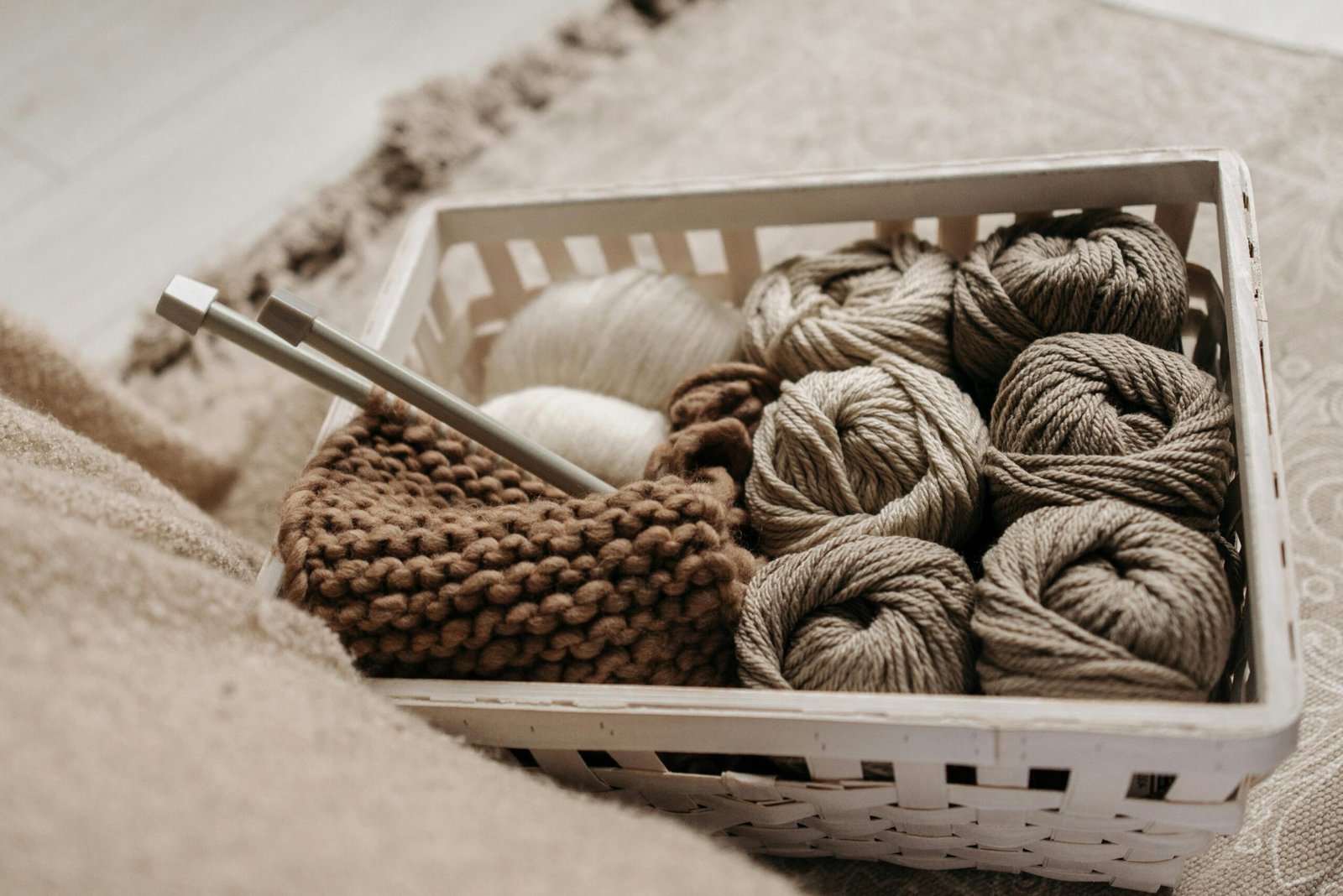
If you’re new to yarn crafts, one of the first questions you’ll face is deceptively simple: should you learn crochet or knitting first? People often ask as if there’s one correct answer, but the truth is better than that: both crafts are beginner-friendly, both can be learned at any age, and both can lead to beautiful projects. The “best” choice depends on what you want to make, how you like to learn, how you handle mistakes, and what kind of crafting rhythm you enjoy.
This article will help you decide with clarity. You’ll learn the real differences between crochet and knitting (beyond stereotypes), how each craft feels in your hands, what projects each one makes easiest, how tools and yarn behave differently, which one is faster to learn at the beginning, which one is easier to fix when you make mistakes, and a simple decision guide you can use today. You’ll also get a beginner roadmap for whichever craft you choose—and how to combine both later if you want to.
What Crochet and Knitting Actually Are
Both crochet and knitting use yarn to create fabric, but the structures are different.
Crochet uses:
- one hook
- a series of loops worked one at a time
- typically one active loop on the hook
Knitting uses:
- two needles (or circular needles)
- many live stitches held on the needles at once
- stitches built in rows or rounds by moving loops from one needle to the other
That structural difference explains most of the practical differences beginners notice: speed of learning, how mistakes behave, how fabric drapes, and what kinds of shapes are easier.
Which One Is Easier to Learn First?
Many beginners find crochet easier to start because:
- you manage only one active loop
- it’s easier to pause and resume without losing live stitches
- mistakes are often simpler to undo (frog back a few stitches)
Crochet tends to feel more “forgiving” in early practice. If you drop the hook, your work doesn’t usually unravel dramatically.
Many beginners find knitting easier to maintain once the basics click because:
- the motion becomes very rhythmic and repetitive
- stockinette in the round can be as simple as knitting every stitch
- knitted fabric often looks “classic” quickly, especially for wearables
So if you’re asking “Which is easier?” the honest answer is:
- crochet often feels easier in the first week
- knitting often feels smoother once you’re comfortable
Both are learnable. What matters most is choosing the craft that fits your goal and your personality.
Which One Is Faster?
“Faster” depends on the stitch and the project, but there are general patterns.
Crochet often works up faster because:
- crochet stitches are usually taller and use more yarn per stitch
- you can build coverage quickly with stitches like double crochet
- many crochet projects use thicker fabric structure
Knitting can feel slower because:
- stitches are generally smaller
- you may need more stitches to cover the same area
- progress can feel subtle, especially with thin yarn
However, knitting can feel fast in other ways:
- once you find your rhythm, knitting can be very steady
- long stretches of knit stitches can fly
- knitted fabric often uses less yarn than crochet for the same area
Beginner takeaway:
- if you want quick visual progress and fast finishes, crochet has an edge
- if you want steady rhythm and efficient fabric, knitting shines
Which One Is Easier to Fix When You Mess Up?
This is a huge beginner consideration because mistakes are guaranteed.
Crochet mistake fixing is often simpler because:
- there’s usually one active loop
- you can pull yarn to unravel stitches backward easily
- mistakes typically stay localized
Knitting mistake fixing can feel scarier because:
- many live stitches sit on the needle
- a dropped stitch can run downward (creating a ladder)
- undoing can require careful stitch recovery
But here’s the balanced truth:
- crochet is easier to undo casually
- knitting has very powerful repair techniques once you learn them (tinking, lifelines, picking up dropped stitches)
If you know you get anxious about mistakes, crochet may feel calmer at first. If you enjoy learning systems and want a craft where your “repair toolbox” grows over time, knitting can become just as manageable.
How the Fabric Feels: Drape, Stretch, and Structure
The fabric you get from crochet and knitting behaves differently.
Knitting tends to produce:
- softer drape
- more stretch (especially in stockinette and ribbing)
- a classic “knitwear” look seen in sweaters and socks
Crochet tends to produce:
- more structure and thickness
- less stretch in many stitch patterns (though some are stretchy)
- strong fabric great for bags, decor, and sturdy items
Neither is better. They’re different tools for different outcomes.
If you want a scarf that flows and drapes softly, knitting often wins. If you want a sturdy tote bag that holds its shape, crochet often wins.
What You Can Make Easily as a Beginner
This is where the decision becomes practical. Ask yourself what you actually want to make in the next month.
Beginner-friendly crochet projects:
- coasters and dishcloths
- simple scarves
- granny squares (and projects made from them)
- simple tote bags
- beginner amigurumi shapes (balls, basic plush pieces)
Beginner-friendly knitting projects:
- garter stitch dishcloths
- garter or seed stitch scarves
- simple cowls in the round
- ribbed headbands (after learning purl)
- beginner hats (after learning decreases)
If your dream projects are:
- plush toys, granny square blankets, baskets, market bags → crochet is the direct route
- sweaters, socks, classic beanies, drapey scarves → knitting is the direct route
You can still make all of these with either craft, but one will usually feel easier and more natural.
Tools and Cost: Which Is Cheaper to Start?
Both crafts can be started affordably, but crochet tends to have a slightly lower cost barrier because you can begin with:
- one hook
- one yarn skein
Knitting often begins with:
- needles (two straight or one circular)
- yarn
The difference isn’t huge, but if you want the simplest starter setup, crochet is usually “buy one hook and go.”
That said, circular needles can be a great all-in-one option for knitting because you can knit flat or in the round on one tool, and they can be more comfortable than straight needles.
Beginner tool summary:
- crochet: one hook + yarn + needle + scissors
- knitting: one needle size + yarn + needle + scissors
Both are accessible.
Which One Is Better for Learning With Videos vs Written Instructions?
Both crafts are learnable with videos, but beginners often experience differences.
Crochet can be easier to follow in videos because:
- you can see exactly where the hook goes
- stitch anatomy is visible in the moment
- many crochet tutorials show clear step-by-step hand positions
Knitting can feel tricky on video at first because:
- the needle movement can block the view of the stitch
- yarn placement (especially for purling) can be confusing
- different knitting styles (English vs Continental) look different
But knitting patterns can become very readable once you learn abbreviations. Many knitters eventually rely heavily on written patterns because the structure is consistent.
Beginner takeaway:
- if you plan to learn mostly by watching, crochet may feel easier initially
- if you like structured written instructions and rhythmic practice, knitting may feel satisfying
The Learning Curve: What Feels Hard at First in Each Craft
Knowing what’s “normal hard” helps you stay calm.
Crochet beginner challenges:
- keeping edges straight (not missing the last stitch)
- understanding turning chains
- consistent tension and loop size
- reading where to insert the hook in row ends and corners
Knitting beginner challenges:
- casting on cleanly
- purling without tightening too much
- avoiding twisted stitches
- preventing accidental stitch drops
- joining in the round without twisting
Both crafts have a “first week wobble” where your fabric looks uneven. That’s not failure. It’s your hands learning.
Which One Helps You Build Confidence Faster?
Confidence usually comes from finishing something.
Crochet often offers faster “finish confidence” because:
- small projects are quick
- many beginner projects look cute even if tension isn’t perfect
- fixes are simple
Knitting can build confidence strongly through rhythm because:
- once you get comfortable, you can knit while relaxing more easily
- long projects like scarves feel meditative
- the fabric often looks neat once tension evens out
If you need quick wins, crochet is a strong choice. If you love calm repetition, knitting can be deeply rewarding.
A Simple Decision Guide (Choose in 60 Seconds)
Choose crochet first if you want:
- fast progress
- easier mistake recovery
- structured items (bags, baskets, plushies)
- a one-tool start
Choose knitting first if you want:
- classic wearable fabric and drape
- stretchy ribbing and knitwear look
- rhythmic repetition
- garments and socks as long-term goals
Still unsure? Use the “first project test”:
- If your first project is a granny square coaster, crochet is the obvious start.
- If your first project is a garter stitch scarf, knitting is the obvious start.
Pick the craft that connects directly to your first project goal. That creates momentum.
If You Choose Crochet First: A Beginner Roadmap
Week 1 foundation:
- learn chain
- learn single crochet
- practice a small square with stitch counting
Week 2 build:
- learn half double crochet or double crochet
- make a coaster or dishcloth
- weave in ends neatly
Week 3 expand:
- learn to work in the round (simple circle or granny square)
- practice increases
- make a granny square coaster set
Week 4 finish:
- make a simple scarf or small bag panel
- focus on edges and finishing
This roadmap prioritizes fast wins and core skills.
If You Choose Knitting First: A Beginner Roadmap
Week 1 foundation:
- learn cast on
- learn knit stitch
- knit a garter stitch swatch
- learn bind off
Week 2 build:
- knit a dishcloth or small scarf
- focus on even tension and edge control
Week 3 expand:
- learn purl stitch
- practice ribbing (k1p1 or k2p2)
- make a ribbed headband
Week 4 finish:
- try knitting in the round with a simple cowl
- learn basic stitch markers and round tracking
This roadmap emphasizes rhythm and wearable fabric.
Can You Learn Both? Yes, and It Can Be Smart
Some beginners worry that learning both will confuse them. It can if you try to learn everything at once. But learning both can also be a great strategy if you do it slowly.
A beginner-friendly way to learn both:
- start with one craft for 3–4 weeks
- get one completed project done
- then introduce the other craft with a small practice piece
- alternate days or weeks so your hands and brain stay calm
Learning both gives you a bigger creative toolbox. You can knit a sweater and crochet an edging. You can knit a scarf and crochet a matching hat brim or decorative detail. Many experienced makers use both.
The Takeaway: Choose the Craft That Makes You Want to Start Today
The best first craft is the one that gets you practicing consistently. Crochet often feels easier to begin and quicker to finish. Knitting often creates drapier fabric and a very rhythmic experience. Both are excellent choices. Neither choice locks you out of the other forever.
If you want a clear “do this now” choice:
- Pick crochet if your goal is quick wins, structured projects, and easy mistake recovery.
- Pick knitting if your goal is wearable drape, classic knit fabric, and calming repetition.
Then choose one simple project, gather beginner-friendly yarn, and start. That first finished piece is what turns a beginner into a maker.
Isabella Garcia is the creator of a blog dedicated to crafts and home care, focused on making everyday life more creative, organized, and enjoyable. The blog shares practical tips, easy DIY projects, home organization ideas, and simple solutions to take better care of your living space. Whether you’re a beginner in crafting or someone looking for inspiration to improve your home routine, Isabella’s blog offers clear, useful, and hands-on content to help you create a cozy, beautiful, and well-cared-for home.