
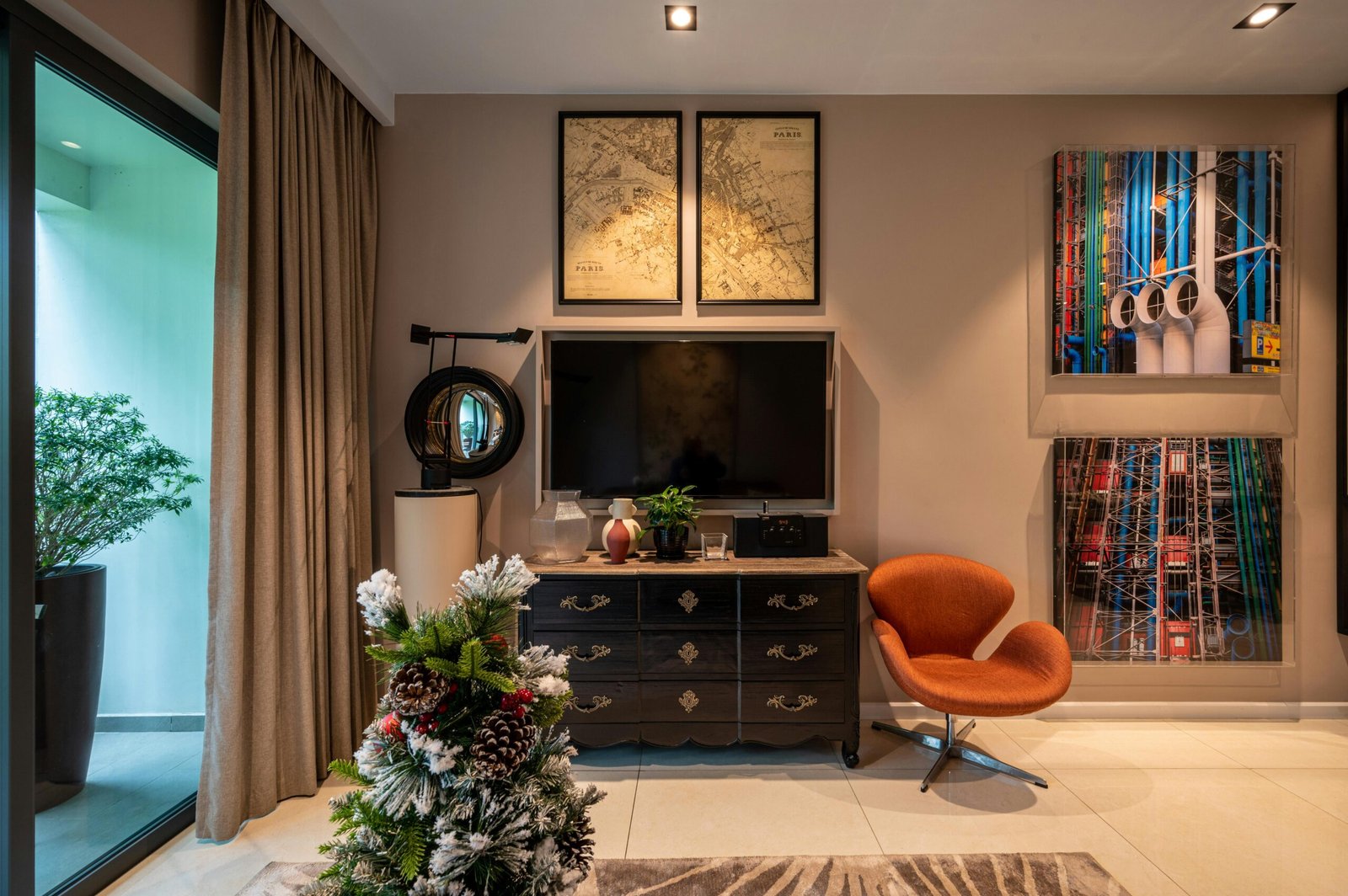
Decluttering and decorating are often treated like two separate projects. First you “clean up,” then you “make it pretty.” But in real life, that approach can backfire. You declutter, feel proud, and then the clutter creeps back because the space still doesn’t function. Or you decorate first, and the room looks good for one day—until daily life lands on every surface again.
The best results come from doing both at the same time, with one simple principle:
Your home stays tidy when every everyday item has a realistic home.
And your home looks decorated when those homes are visually calm, cohesive, and easy to maintain.
This article will teach you a functional method that helps you declutter and upgrade your space without getting overwhelmed. You’ll learn how to identify clutter “sources,” create smart storage zones, style surfaces without turning them into clutter magnets, and build a home that looks finished and stays livable.
Why decluttering alone doesn’t last (the honest truth)
Most clutter returns because of one of these reasons:
- You removed items but didn’t solve the system that created the mess.
- You have storage, but it’s inconvenient (so you don’t use it).
- The room lacks a “landing zone,” so daily items pile up.
- You have too many open surfaces with no boundaries.
- You’re trying to maintain a look that doesn’t match your lifestyle.
Decluttering becomes sustainable when it’s paired with functional decorating: thoughtful zones, containment, and layout that supports your real habits.
The Functional Method: Declutter by “zones,” then decorate each zone to stay tidy
Instead of decluttering the whole room and then trying to decorate it later, you’ll do this:
- Choose one zone (a surface or corner)
- Remove everything from that zone
- Keep only what belongs there and what you use
- Create a home for the essentials (storage + containment)
- Add one “finish” element (style and warmth)
- Move to the next zone
By the end, you’ll have a room that’s both cleaner and more designed—without a huge all-day chaos pile.
Step 1: Choose a room and define the “clutter sources”
Start with the room that causes the most stress or the room you use the most.
Then list what actually creates clutter in that room.
Common clutter sources by room:
Living room clutter sources
- remotes, controllers, chargers
- blankets and pillows
- mail and papers
- kids’ toys
- pet supplies
- random cups or dishes
Bedroom clutter sources
- clothes (worn-but-not-dirty)
- accessories and jewelry
- skincare items
- books and devices
- laundry overflow
Kitchen clutter sources
- mail and school papers
- small appliances living on the counter
- food packaging
- water bottles and cups
- “misc” drawer overflow
Entryway clutter sources
- shoes
- bags and coats
- keys and sunglasses
- packages and mail
When you know the sources, you can build systems that actually prevent clutter from returning.
Step 2: Define the “zones” for that room (like a designer would)
A room stays tidy when it has clear zones. A zone is a dedicated area for a category of items or an activity.
Examples in a living room:
- seating zone (sofa, chairs, coffee table)
- media zone (TV, devices, remotes)
- storage zone (cabinet, baskets)
- reading zone (lamp, chair, small table)
Examples in an entry:
- shoes zone
- coats/bags zone
- keys/mail zone
Most clutter happens when zones are missing. Without zones, items land wherever there’s an empty surface.
Step 3: Start with “high-visibility” zones first
To feel progress fast, begin with the zones you see constantly:
- coffee table
- kitchen counter
- entry console
- bedside table
- dining table (if it becomes a drop zone)
When these areas become calm, the whole home feels calmer—even if other areas aren’t perfect yet.
Step 4: Use the 3-bucket decluttering system (fast and realistic)
When you clear a zone, don’t overthink. Use three simple buckets:
- Keep here (belongs in this zone and is used regularly)
- Put away (belongs somewhere else)
- Let go (trash, donate, recycle, relocate out of the house)
Avoid creating 12 piles. That’s how overwhelm happens.
A rule that saves time
If an item doesn’t have a home, it becomes clutter again.
If you keep it, you must assign it a home by the end of the process.
Step 5: Create “homes” for daily essentials (this is the real decorating)
Now we build systems that make tidiness easy.
The core tools of functional decorating
1) Closed storage for visual calm
Closed storage hides the messy reality of life:
- TV console with doors
- sideboard
- cabinet
- drawers
- storage ottoman
If your space always looks messy, it likely needs more closed storage—or the closed storage isn’t being used well.
2) Containers for categories
Containers create boundaries:
- trays
- baskets
- boxes
- drawer dividers
- bins
Containment is what makes a space feel “decorated,” because items look grouped instead of scattered.
3) Convenience over perfection
A system must be easy or it won’t be used.
If you hate opening cabinets, use a basket.
If you never hang coats inside a closet, add hooks.
If shoes always land by the door, create a shoe zone right there.
Functional decorating works when it matches your natural habits.
Step 6: The “one landing zone” rule (a home essential)
Almost every home needs a dedicated landing zone for daily items.
A landing zone is a small area for:
- keys
- wallet
- sunglasses
- headphones
The simplest landing zone:
- a small tray or bowl
- a hook for keys or a key holder
- a basket for mail (optional)
Best locations:
- entryway console
- a shelf near the door
- kitchen corner (if you don’t have an entry area)
This single zone can reduce daily clutter dramatically.
Step 7: Style each zone with the “60/30/10 surface rule”
To decorate a space without turning it into clutter again, use this simple rule for surfaces like coffee tables, consoles, and counters:
- 60% clear space (breathing room)
- 30% functional items (things you actually use)
- 10% style element (plant, candle, book, small vase)
This keeps the surface usable and visually calm.
A coffee table example
- 60% clear
- 30% tray with remotes + coasters
- 10% small plant or book stack
A bedside table example
- 60% clear
- 30% functional (lamp + phone charger)
- 10% style (small dish or one book)
This is how you get a “styled” look that still works day-to-day.
Step 8: Declutter by category, not by emotion
If you try to decide emotionally on every item, you’ll burn out. Use practical categories first.
Common category approach per room:
- papers
- cables and electronics
- textiles (blankets, pillow covers)
- decor objects
- “misc” items with no home
Start with the category that causes the biggest mess.
Step 9: Reduce visual noise by tightening the palette
A space can look cluttered even when it’s technically tidy if there’s too much visual variety.
To reduce visual noise:
- choose 1–2 basket/bin colors (neutral works best)
- keep containers consistent
- repeat one metal finish (black or brass, for example)
- reduce “random” bright packaging on open shelves
This is functional decorating because it makes storage look intentional.
Step 10: Use “reset routines” instead of chasing perfection
Even beautiful homes get messy. The key is having quick resets that keep things from building up.
The 5-minute reset (daily)
- gather cups/dishes
- return remotes to tray
- fold or basket the throw blanket
- clear one main surface
The 15-minute reset (2–3 times per week)
- put away items that drifted out of zones
- quick vacuum or wipe
- sort mail into keep/toss
- return random items to their homes
A home stays tidy through short resets, not marathon cleaning days.
Room-by-room functional strategies
Living room: the “hidden clutter” plan
Focus on:
- a tray for remotes and small items
- a basket for throws
- a closed cabinet for cables and devices
- a toy bin system if needed
Decorate with:
- one plant or statement object
- one art piece or mirror (optional)
- layered lighting (lamps make spaces look more finished)
Bedroom: the “calm sleep” plan
Focus on:
- a place for worn clothes (basket or hooks)
- a small jewelry dish or organizer
- a clean bedside zone with minimal items
- under-bed storage for seasonal items
Decorate with:
- layered bedding and one throw
- soft lighting (bedside lamp)
- minimal decor to keep the room restful
Kitchen: the “clear counters” plan
Focus on:
- removing rarely used appliances from the counter
- creating one mail zone (tray or basket)
- using containers inside cabinets to separate categories
- making one clean “prep zone” on the counter
Decorate with:
- one small tray with essentials (soap, sponge) kept neat
- one plant or simple bowl (optional)
- minimal open-shelf styling
Entryway: the “drop zone” plan
Focus on:
- hooks for coats and bags
- a shoe zone (rack or tray)
- a key/mail zone (tray + basket)
Decorate with:
- mirror (adds light and depth)
- a lamp or small plant if space allows
What to do if you feel overwhelmed mid-process
If you start decluttering and things get messy fast, pause and simplify:
- Pick one zone only (not the whole room)
- Use the 3-bucket system
- Finish that zone completely before starting another
- Put away “Put away” items immediately
Progress comes from finishing zones, not from making piles.
The biggest mindset shift: your home is a system, not a display
Homes that look great long-term aren’t maintained by constant motivation. They’re maintained by systems that make tidiness easy:
- zones that match habits
- closed storage for real-life mess
- containers that hold categories
- styling that leaves breathing room
- quick reset routines
When your home works functionally, it automatically becomes easier to keep beautiful.
A simple “start today” plan you can follow
If you want a clear action plan, do this:
- Choose the room that stresses you most
- Pick the most visible zone (coffee table, entry shelf, kitchen counter)
- Remove everything from that zone
- Sort into Keep here / Put away / Let go
- Add containment (tray/basket) for essentials
- Add one style element (plant, candle, book)
- Keep 60% of the surface clear
- Stop and enjoy the progress before moving on
This method creates a home that looks designed and stays livable.

Isabella Garcia is the creator of a blog dedicated to crafts and home care, focused on making everyday life more creative, organized, and enjoyable. The blog shares practical tips, easy DIY projects, home organization ideas, and simple solutions to take better care of your living space. Whether you’re a beginner in crafting or someone looking for inspiration to improve your home routine, Isabella’s blog offers clear, useful, and hands-on content to help you create a cozy, beautiful, and well-cared-for home.