
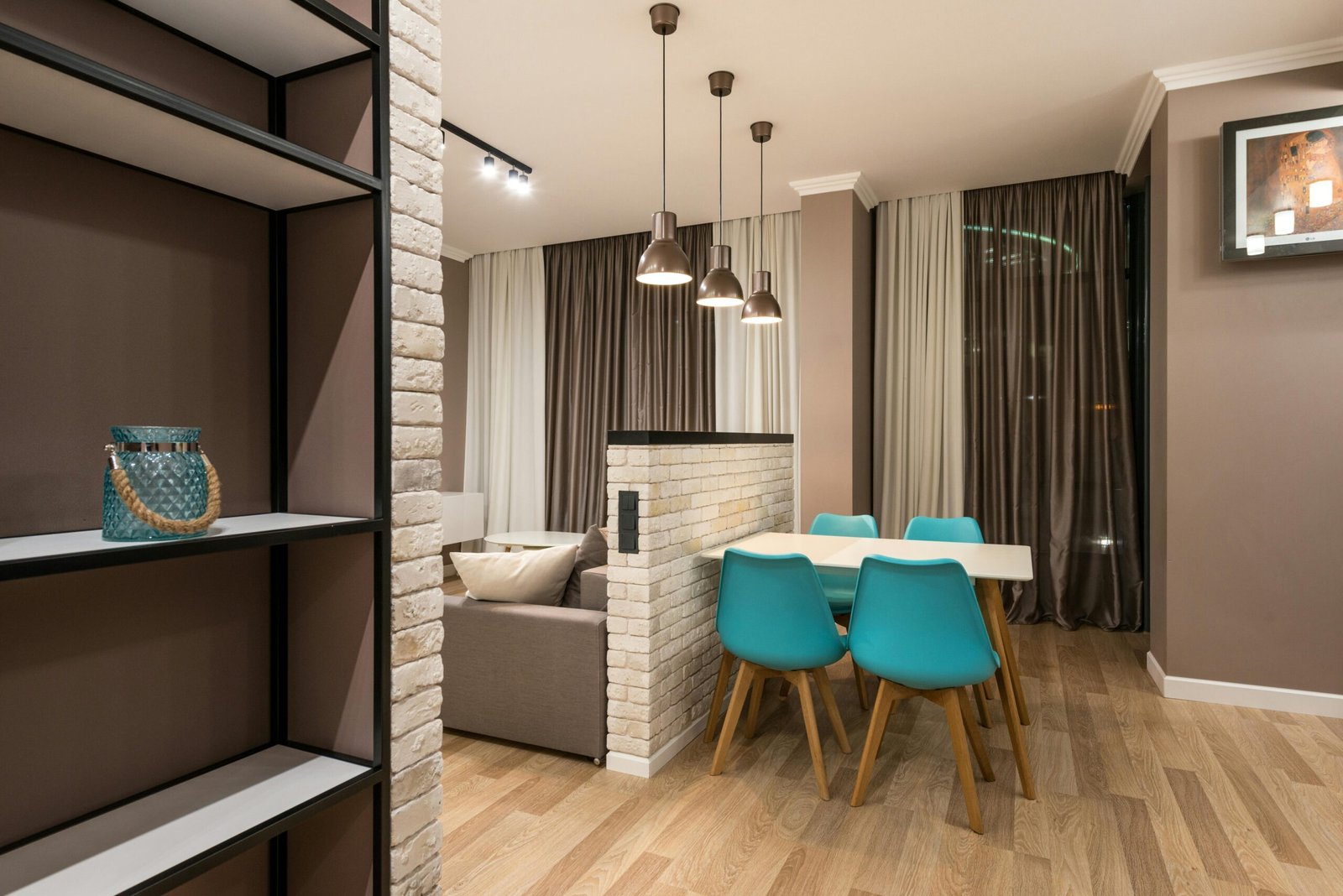
Small apartments can be amazing—cozy, efficient, easier to clean, often full of personality. But decorating a small space can also feel frustrating. You want it to look stylish and “grown-up,” but you also need it to work: storage, seating, comfort, movement, and sometimes even a work zone—all inside limited square footage.
The biggest mistake people make in small apartments is decorating like they live in a bigger home. They buy furniture that’s too bulky, clutter surfaces with lots of small decor, or try to squeeze in too many pieces “just in case.” The result is a space that feels cramped and chaotic, even if the decor is cute.
The goal of small-apartment decorating is different:
- make the space feel larger visually
- make it function better
- keep it cohesive and calm
- use fewer pieces with more impact
- build smart storage that doesn’t look like storage
This guide will show you practical, realistic space-saving ideas that still look stylish—whether you live in a studio, a one-bedroom, or a small shared apartment.
The small-apartment mindset: function creates style
In a small space, style and function are not separate. Function is style.
A stylish small apartment usually has:
- clear walking paths
- furniture that fits scale
- a cohesive palette
- hidden clutter
- a few bold focal points (not dozens of tiny items)
- layered lighting
- smart zones for daily life
When those foundations are right, the apartment immediately feels more expensive and more comfortable—even if you didn’t buy anything new.
Step 1: Choose your “space feeling” goal
Before you rearrange or shop, pick what you want the apartment to feel like:
- airy and open
- cozy and warm
- minimal and calm
- bright and fresh
- modern and clean
This will guide your palette, furniture shapes, and level of decor.
Small apartments tend to look best when the mood is clear and consistent.
Step 2: Start with the layout (the fastest way to gain “space”)
In small apartments, layout is everything. One badly placed chair or oversized coffee table can make the whole room feel tight.
The 3 layout rules that make a small space feel bigger
Rule 1: Protect one clear walking path
You should be able to move through the main area without weaving around furniture corners. If you constantly “turn sideways” to pass, the room will always feel smaller than it is.
Rule 2: Don’t block natural light
Light is your best “free upgrade.” Avoid placing tall, bulky pieces directly in front of windows if you can.
Rule 3: Create zones instead of scattered furniture
Even in a studio, you want clear zones:
- sleeping zone
- living zone
- dining or work zone
Zones make a small apartment feel intentional, not like everything is crammed together.
Step 3: Choose furniture that looks lighter (visual weight matters)
In small spaces, bulky furniture is the enemy. You can have comfort without heaviness—you just need the right shapes.
What makes furniture feel heavy
- big chunky arms on sofas
- furniture that sits directly on the floor (no legs)
- dark pieces with thick profiles
- oversized deep chairs in tight rooms
What makes furniture feel lighter
- furniture with legs (you see floor underneath)
- slim arms on sofas
- open bases and airy shapes
- glass or thin-profile tables (used strategically)
A simple upgrade mindset:
Choose fewer pieces, with lighter visual weight, and more function.
Step 4: Use multi-functional pieces (but choose them carefully)
Multi-functional furniture is essential in small apartments, but it needs to be genuinely useful—not gimmicky.
Best multi-functional pieces for small apartments
Storage ottoman
- extra seating
- hidden storage
- can act like a coffee table (with a tray on top)
Nesting tables
- flexible surfaces
- easy to move
- take up less space than a big coffee table
Console that doubles as a desk
- entry storage
- workspace
- styling surface
Bed with storage
- under-bed drawers or storage bins
- great for seasonal clothes, linens, and extras
Foldable or extendable dining table
- small footprint daily
- expands when you host
Multi-functional piece warning
Don’t buy an item that does 5 things if it does none of them well. In a small apartment, pieces need to be reliable and easy to use every day.
Step 5: Scale is everything (small room = small furniture? Not always)
This is where people get confused. Small spaces do need appropriately scaled furniture, but they also need one or two pieces with strong presence.
A room can feel cheap and cluttered when everything is tiny.
The small-space balance
- choose one main “anchor” piece (sofa or bed)
- keep supporting pieces slimmer and lighter
- avoid too many small random pieces
Example:
- One well-sized sofa + slim side tables + nesting coffee tables
is better than: - small sofa + 3 tiny tables + extra stools everywhere
Step 6: Use rugs to define zones (and make the space feel intentional)
Rugs are not just decor in small apartments. They create boundaries.
Best rug strategy in small spaces
- Use one rug to define the living zone.
- If you have a studio, consider a rug to define the sleeping area too (but keep palettes cohesive).
Rug sizing tip for small apartments
Even in small rooms, avoid tiny rugs that float. A rug should connect furniture:
- at least the front legs of the sofa should sit on the rug
A properly sized rug can make a small room look bigger because it creates one unified zone instead of chopped-up floor space.
Step 7: Curtains that make ceilings look taller (cheap upgrade, big result)
Curtains are a powerful small-space tool when hung correctly.
The “taller room” curtain method
- hang the rod higher (closer to the ceiling)
- extend the rod wider than the window
- choose curtains that reach near the floor
This makes the window look larger and the room look taller—without adding any furniture.
For small apartments, lighter curtains (sheers or light-filtering) often keep the space airy. If you need privacy, layer: sheer + heavier panels.
Step 8: Go vertical (vertical storage and vertical styling)
If your floor space is limited, your walls become valuable.
Vertical storage ideas that still look stylish
- tall bookcase (styled lightly, not packed)
- wall shelves used for curated storage
- hooks and rails in entry and kitchen
- pegboard systems (when styled cleanly)
- tall cabinets where possible
Vertical styling tricks that make a room feel bigger
- tall mirrors (adds depth and height)
- vertical art arrangements
- curtains hung high
- tall plants in corners
Vertical elements guide the eye upward, making a small room feel taller and more spacious.
Step 9: Reduce clutter with “hidden storage + visible calm”
Small apartments look stylish when surfaces are mostly clear. That doesn’t mean you own nothing—it means your storage systems work.
The best small-apartment storage formula
- closed storage for daily mess
- a few open shelves for curated display
- containers inside cabinets to organize categories
Examples:
- baskets inside a console
- bins under the bed
- drawer organizers for small items
- storage bench near the entry
- a cabinet that hides cables and electronics
If you can hide 70% of the everyday mess, the apartment instantly feels bigger.
Step 10: Use mirrors to add depth and bounce light
Mirrors are small-apartment classics for a reason—but they need placement strategy.
Best mirror placements
- opposite a window (reflect light)
- near a window (still helps)
- in an entryway to add depth and function
- on a wall that feels flat and needs a focal point
Avoid mirrors reflecting clutter. A mirror multiplies whatever it reflects.
Step 11: Tighten your color palette to reduce visual noise
In small spaces, too many colors make the room feel busy. A tighter palette makes it feel calm and cohesive.
A simple palette structure:
- one base neutral
- one secondary color
- one accent color
- one metal finish
- one wood tone direction
This doesn’t make the space boring. It makes it easier to decorate without visual chaos.
Small apartment tip
If you want the space to feel larger, use:
- lower contrast
- softer transitions
- lighter tones + texture
You can still use darker accents (like black frames) for structure—just keep it controlled.
Step 12: Decorate with fewer, bigger pieces
Small apartments often get cluttered because people buy many small decor items.
A more elevated approach:
- one large art piece
- one larger plant
- one statement mirror
- one well-styled shelf moment
This creates impact without clutter.
The “one hero per wall” rule
Instead of filling a wall with many small things, choose one hero:
- a large art piece
- a gallery wall planned carefully (only if you love it)
- a big mirror
- a shelf with curated styling
Walls look cleaner when there’s one intentional focal point.
Step 13: Lighting layers (small spaces need warmth and depth)
Lighting makes a small apartment feel cozy and designed.
Aim for:
- one floor lamp or strong lamp in the living zone
- one table lamp (entry console or side table)
- optional: small accent light (a shelf light or warm lamp)
Relying on one overhead light makes the space feel flat and often harsher. Lamps create depth and atmosphere.
Step 14: Smart styling for small surfaces (don’t overload them)
Small apartments have fewer surfaces, so each surface matters more. If one surface is messy, the whole room feels messy.
The “60% clear” rule
Keep about 60% of key surfaces clear:
- coffee table
- nightstand
- kitchen counter
- entry shelf
Use trays to contain essentials:
- remotes, keys, daily items
A small space looks bigger when the eye has breathing room.
Step 15: Studio apartment strategy: separate zones without walls
Studios need boundaries to feel organized.
Ways to separate zones visually
- rugs (most effective)
- a shelving unit used as a divider (kept open and airy)
- a curtain divider (if allowed)
- furniture placement (sofa back defining living zone)
- lighting differences (lamp in living zone, softer light in sleeping zone)
You don’t need a wall. You need cues.
Step 16: The small-apartment “upgrade plan” you can do in steps
If you want a realistic plan without overwhelm, follow this order:
- Fix the layout and walking path
- Remove one bulky or unnecessary piece
- Add hidden storage where clutter gathers
- Add a rug to define the main zone
- Hang curtains high and wide
- Add a mirror to bounce light
- Add layered lighting (lamps)
- Add one “hero” decor element (art/plant/mirror)
- Edit small decor and keep surfaces clear
You don’t need to do it all at once. Even the first three steps can make your apartment feel significantly bigger and calmer.
Common small-apartment decorating mistakes (and quick fixes)
Mistake 1: Too much furniture
Fix: remove one piece and protect flow.
Mistake 2: Furniture too bulky
Fix: swap for pieces with legs or thinner profiles when possible.
Mistake 3: Too many small decor items
Fix: choose fewer, larger-impact pieces.
Mistake 4: No storage for daily mess
Fix: closed storage + baskets + under-bed bins.
Mistake 5: Tiny rugs
Fix: size up or reposition to connect furniture.
Mistake 6: Harsh overhead lighting only
Fix: add lamps and warm light.
Mistake 7: Too many colors
Fix: tighten the palette and repeat finishes.
The real secret: small apartments look stylish when they feel calm
A small apartment doesn’t need more stuff. It needs better decisions: lighter furniture shapes, smart storage, clear zones, cohesive colors, and a few strong focal points. When the space is calm and functional, it automatically looks more stylish—because the best design is the design you can maintain.
If you want the biggest impact quickly, focus on these three:
- clear walking paths,
- hidden clutter,
- and one strong anchor moment (rug + lighting + a focal point).

Isabella Garcia is the creator of a blog dedicated to crafts and home care, focused on making everyday life more creative, organized, and enjoyable. The blog shares practical tips, easy DIY projects, home organization ideas, and simple solutions to take better care of your living space. Whether you’re a beginner in crafting or someone looking for inspiration to improve your home routine, Isabella’s blog offers clear, useful, and hands-on content to help you create a cozy, beautiful, and well-cared-for home.