
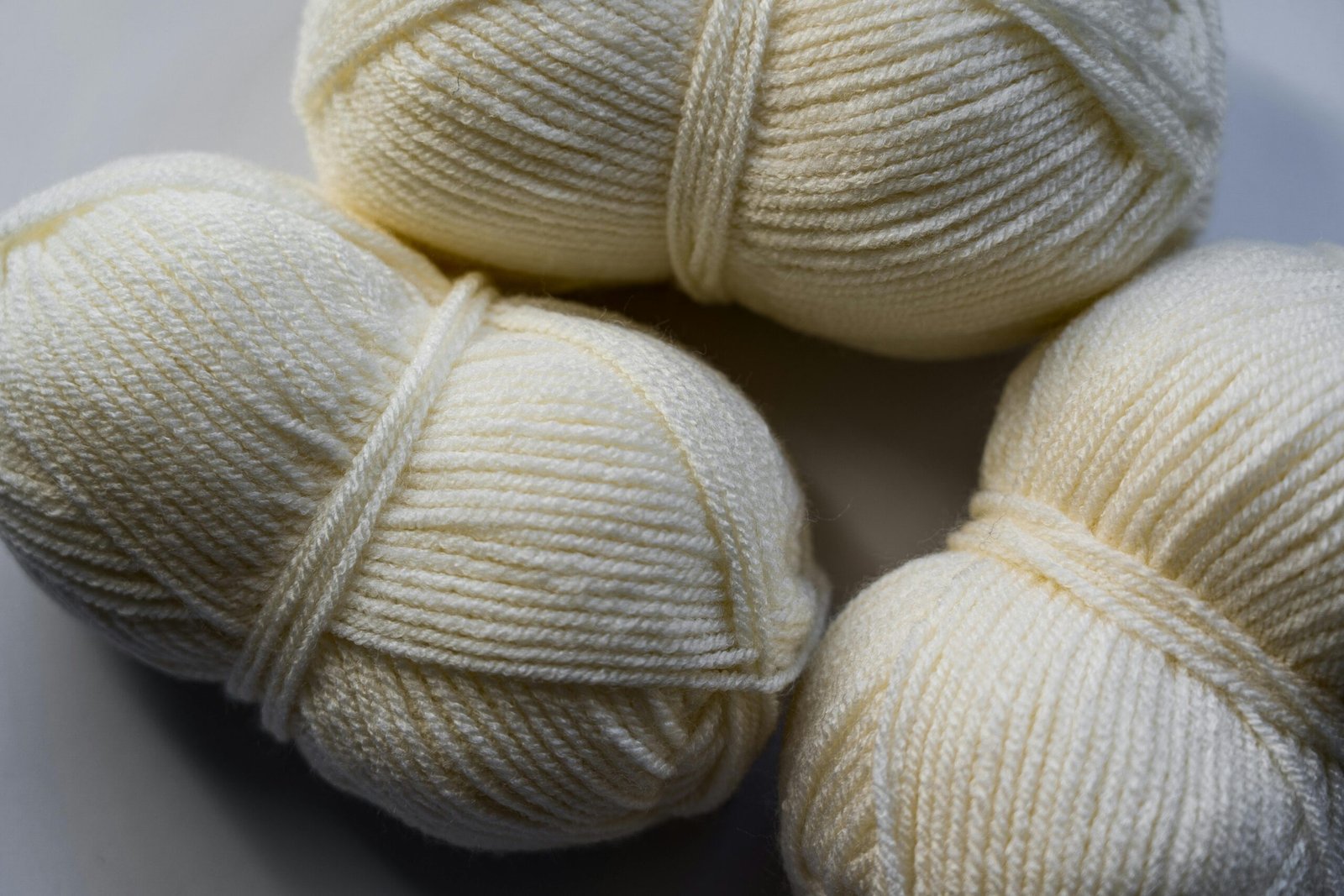
If you’ve ever opened a crochet pattern and felt like it was written in code—sc, dc, ch, sl st, rep, sk—don’t worry. Crochet abbreviations are just shorthand to keep patterns short and readable. Once you learn the most common ones, patterns stop feeling intimidating and start feeling like clear instructions.
This article is a beginner-friendly mini dictionary of the crochet abbreviations you’ll see most often, plus simple tips for reading patterns without confusion. You’ll learn what each abbreviation means, how to recognize it in the fabric, and how to avoid the most common beginner mistakes (like crocheting into the wrong place or misreading parentheses).
Why Crochet Patterns Use Abbreviations
Crochet patterns could be written in full sentences like:
“Make one single crochet stitch into the next stitch, then make two single crochet stitches into the following stitch…”
But that would take forever to read, write, and follow. Abbreviations simplify that into:
“sc in next st, 2 sc in next st…”
Much faster. Much clearer once you know the code.
Also, crochet patterns often need to repeat instructions many times. Abbreviations make repeating easier and reduce clutter.
The First Thing to Know: US Terms vs UK Terms
This is extremely important because the same abbreviation can mean different stitches depending on whether the pattern uses US or UK terminology.
The biggest difference
- US double crochet (dc) = UK treble crochet (tr)
- US single crochet (sc) = UK double crochet (dc)
Yes, it’s confusing at first.
Beginner tip: Always check the pattern’s notes at the top. Many patterns will say “Terms are written in US terminology” or “UK terms.”
If you don’t see that note, look for clues:
- If the pattern uses “sc,” it’s probably US terms (UK patterns rarely use “sc”).
- If it uses “tr” a lot, it could be UK terms.
For this article, I’ll list abbreviations primarily in US terms, because they are very common online. But I’ll also mention the key UK differences where it matters.
The Most Common Crochet Abbreviations (US Terms)
These are the abbreviations you’ll see in beginner patterns constantly.
ch = chain
A chain is the basic foundation stitch used to start most projects.
You’ll see ch used for:
- making a foundation chain
- turning chains at the end of rows
- chain spaces (ch-1 sp, ch-2 sp, etc.)
st = stitch
This just means a stitch. “Next st” means the next stitch in the row or round.
sl st = slip stitch
Slip stitch is used to:
- join rounds
- move yarn without adding height
- make neat finishes in some patterns
sc = single crochet
One of the most important beginner stitches. Dense, sturdy fabric.
hdc = half double crochet
A stitch between single crochet and double crochet in height.
dc = double crochet
A very common stitch for scarves and blankets. Creates taller stitches and more drape.
tr = treble crochet
Taller than double crochet. Creates a more open fabric.
dtr = double treble crochet
Even taller. Not as common in beginner patterns, but you might see it in lacy designs.
Common Pattern “Action” Abbreviations
These aren’t stitches—they’re instructions about what to do.
rep = repeat
Means repeat a set of instructions.
Example:
“rep from * to * across”
That means repeat the instruction between the asterisks until you reach the end of the row.
sk = skip
Skip means you do not crochet into a stitch or space.
Example:
“sk next st”
You skip the next stitch and move to the following one.
sp = space
Space usually means a gap, often created by chains.
Example:
“work into ch-1 sp”
You crochet into the space created by a chain-1, not into a stitch.
inc = increase
Increase means adding stitches so your project gets wider or more rounded.
In crochet, increases are often written as:
- “2 sc in next st” (that’s an increase)
Some patterns literally write “inc,” especially in amigurumi.
dec = decrease
Decrease means reducing stitches so your project gets narrower or shaped.
In crochet, decreases may be written as:
- “sc2tog” (single crochet two together)
- “dc2tog” (double crochet two together)
tog = together
This means you combine stitches.
Example:
“dc2tog”
Double crochet two stitches together.
The “Together” Abbreviations (Shaping Basics)
These show up in garments, hats, and amigurumi.
sc2tog = single crochet two together
A decrease that combines two stitches into one.
hdc2tog = half double crochet two together
Same idea, using half double crochet.
dc2tog = double crochet two together
Same idea, using double crochet.
Some patterns use:
- “dec” instead of sc2tog
- “inv dec” (invisible decrease), common in amigurumi
If you’re a beginner, it’s enough to recognize that “2tog” means “turn two stitches into one.”
Working in Rounds: The Circle Language
Crochet patterns often include circular projects: hats, coasters, amigurumi, granny squares.
rnd = round
A round is one full lap around your project.
join
Means connect the end of a round to the beginning, usually with a slip stitch.
beg = begin / beginning
Usually refers to the beginning of the round or row.
Example:
“join to beg ch”
Join to the beginning chain.
MR = magic ring (or magic circle)
Magic ring is a technique used to start projects in the round without leaving a hole in the center.
Some patterns write:
- MR
- MC (magic circle)
- magic ring
- adjustable ring
If you don’t know magic ring yet, many patterns will offer an alternative like “ch 4 and join to form a ring.”
Where to Crochet: Front Loop, Back Loop, and More
These abbreviations tell you exactly where to insert your hook.
BLO = back loop only
You crochet into only the back loop of the stitch. This creates a ribbed texture.
FLO = front loop only
Crochet into only the front loop. Also changes texture.
3rd loop
Sometimes used in half double crochet to create a knit-like look.
bp = back post
fp = front post
Post stitches go around the post (the body) of a stitch rather than through the top loops.
Common forms:
- fpdc = front post double crochet
- bpdc = back post double crochet
These are often used for ribbing on hats, cuffs, and textured designs.
Beginner note: If you’re still learning basic stitches, don’t panic when you see post stitches. They can be learned later, but it’s helpful to recognize what they mean.
Pattern Structure Symbols: The “Grammar” of Crochet Patterns
Crochet patterns use punctuation and symbols like a language. Understanding these makes patterns much easier to follow.
Parentheses ( )
Parentheses often mean you work multiple stitches into one stitch or space.
Example:
“(2 dc, ch 1, 2 dc) in ch-2 sp”
You put all of those stitches into the same space.
Sometimes parentheses show repeats:
“(sc, ch 1) rep 5 times”
You repeat the group inside parentheses.
Brackets [ ]
Brackets often show a group of instructions.
Example:
“[sc in next st, ch 1] rep across”
Treat it as a chunk.
Asterisks * *
Asterisks mark the section you repeat.
Example:
“*sc in next st, ch 1; rep from * across”
Repeat the section between the asterisks.
“Across” and “Around”
- Across: work to the end of the row
- Around: work all the way around the round
“At the same time”
This can show up in shaping instructions. It means you do two things together in the same section of work.
Beginner tip: When you see complicated punctuation, read it slowly and rewrite it in your own words. That alone clears up most confusion.
Common Finishing and Assembly Abbreviations
Not every beginner project requires assembly, but it’s good to recognize these.
FO = fasten off
Means cut yarn and pull it through the last loop to secure.
weave in ends
Not always abbreviated, but often included at the end.
sew / seam
Used when joining pieces (like a headband or a small pouch).
RS / WS = right side / wrong side
The “right side” is the side meant to face outward, and the “wrong side” is the inside.
Not every crochet piece has a clear right/wrong side, but many do.
The Most Common Crochet Abbreviations List (Quick Reference)
Here’s a practical list you’ll see constantly:
- ch = chain
- st = stitch
- sl st = slip stitch
- sc = single crochet
- hdc = half double crochet
- dc = double crochet
- tr = treble crochet
- rep = repeat
- sk = skip
- sp = space
- inc = increase
- dec = decrease
- tog = together
- sc2tog = single crochet two together
- dc2tog = double crochet two together
- rnd = round
- beg = beginning
- join = join rounds
- MR/MC = magic ring/circle
- BLO = back loop only
- FLO = front loop only
- fpdc = front post double crochet
- bpdc = back post double crochet
- RS/WS = right side / wrong side
- FO = fasten off
If you learn just this list, you’ll be able to follow a large percentage of beginner crochet patterns online.
How to Read a Crochet Pattern Step by Step (A Beginner Method)
When you see a pattern, don’t try to absorb it all at once. Use this simple system:
Step 1: Find the materials section
Check:
- yarn weight
- hook size
- any extras (markers, needle)
If you’re using different yarn, expect the size to change.
Step 2: Confirm US or UK terminology
Look for the note. If it’s missing, watch for sc/tr clues.
Step 3: Identify repeats
Look for:
- asterisks
- “rep”
- brackets
Repeats are usually where beginners get lost. Mark them with a pencil or highlight.
Step 4: Count stitches at the end of each row/round
Many patterns include a stitch count like:
“(24 sts)”
That’s your checkpoint. If you don’t have 24, you know to fix it now, not 10 rows later.
Step 5: Take it one row at a time
Don’t worry about row 12 when you’re on row 2. Crochet is built in layers.
The Most Common Beginner Mistakes With Abbreviations (and How to Avoid Them)
Mistake 1: Confusing “st” and “sp”
- st = stitch (an actual stitch top)
- sp = space (a gap created by chains)
Crocheting into a stitch vs a space can change the whole look.
Mistake 2: Ignoring repeats
Repeats save time in patterns, but they must be followed exactly.
Tip: use a highlighter to mark the repeated section.
Mistake 3: Missing the stitch count checkpoint
If the pattern provides stitch counts, use them. They are your best friend.
Mistake 4: Not noticing US vs UK terms
This is a huge source of confusion.
Tip: always check for “US terms” or “UK terms” at the start.
Mistake 5: Thinking abbreviations are “advanced”
They’re not advanced—they’re just shorthand. Once you learn them, patterns become simpler, not harder.
A Simple Practice Exercise (No Pressure)
If you want to get comfortable reading abbreviations, try translating this line:
“ch 16, sc in 2nd ch from hook, sc across, ch 1, turn.”
In plain English:
- Make 16 chains
- Single crochet into the second chain from the hook
- Single crochet in each chain to the end
- Chain 1 and turn your work
That’s exactly what your brain will start doing automatically once you’ve practiced for a week or two.
Final Thoughts: Abbreviations Are Your Shortcut to Real Patterns
Crochet abbreviations can feel like a barrier at first, but they’re actually the bridge to freedom. Once you understand the most common terms, you can follow patterns from blogs, books, and videos much more easily. You’ll also be able to recognize what a pattern is asking you to do without rereading it five times.
Start with the core list (ch, sc, hdc, dc, sl st, rep, sk, sp), and you’ll be surprised how quickly you can read patterns like a crocheter.
Isabella Garcia is the creator of a blog dedicated to crafts and home care, focused on making everyday life more creative, organized, and enjoyable. The blog shares practical tips, easy DIY projects, home organization ideas, and simple solutions to take better care of your living space. Whether you’re a beginner in crafting or someone looking for inspiration to improve your home routine, Isabella’s blog offers clear, useful, and hands-on content to help you create a cozy, beautiful, and well-cared-for home.