
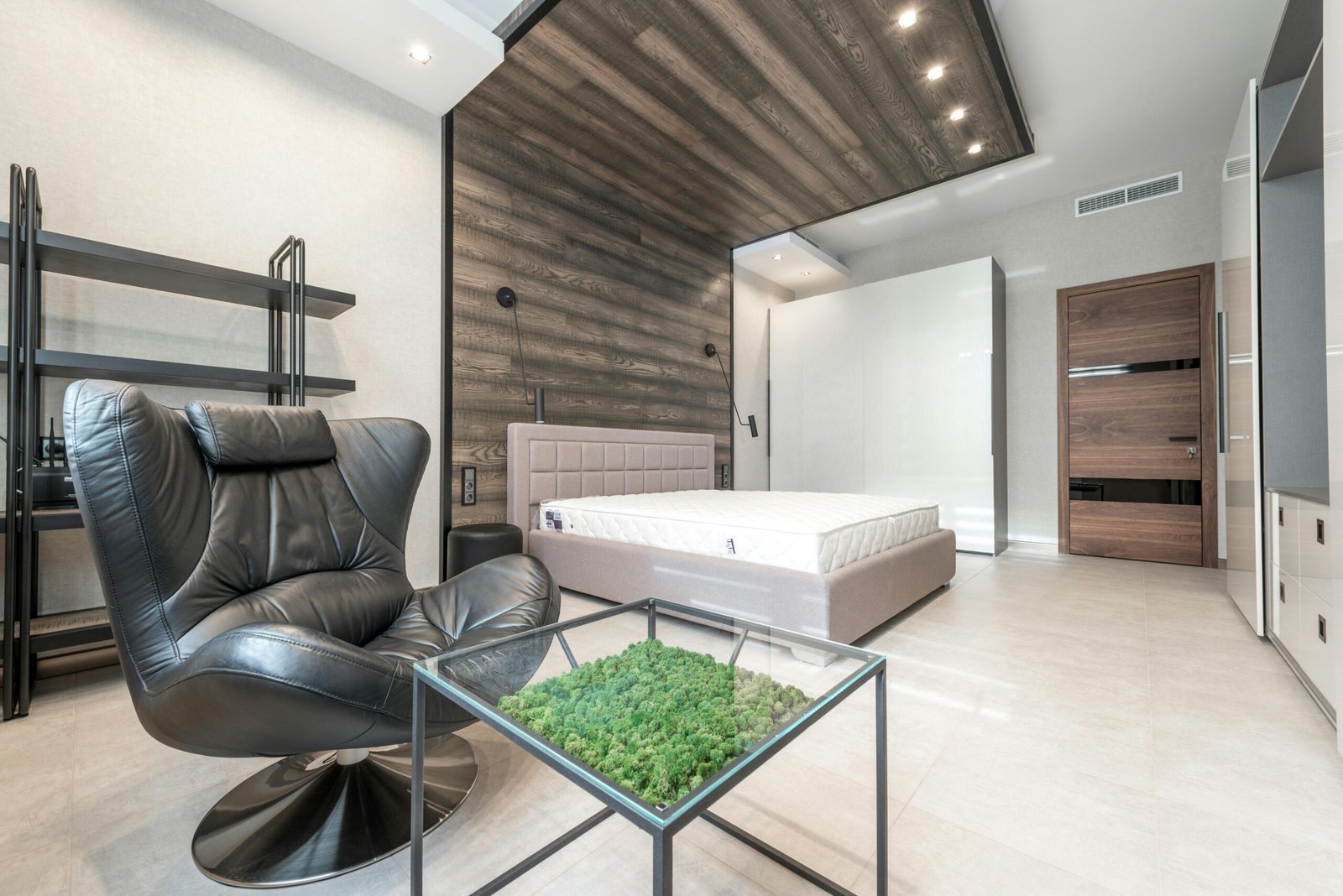
Curtains are one of the most underrated upgrades in home decor. People often treat them like a finishing detail—something you buy at the end when everything else is done. But in reality, curtains can completely change how a room feels. They can make your ceilings look higher, your windows look larger, your space feel softer, and your home look more “finished” in a way that furniture alone can’t always achieve.
The problem is that curtains are easy to get wrong. Too short, too thin, poorly hung, or the wrong fabric—and suddenly a room can look smaller or less polished. The good news is that you don’t need to be a designer to get curtains right. You just need a clear system.
In this guide, you’ll learn exactly how to choose curtains that work for your space—fabric, color, length, fullness, and how to hang them—so the result looks intentional, elevated, and comfortable.
Start With the Purpose: What Do You Need Curtains to Do?
Before choosing style, decide what the curtains need to accomplish. This one step prevents regret.
Common curtain purposes:
- Privacy: blocking views in from outside
- Light control: softening sunlight or darkening the room
- Insulation: helping with temperature and drafts
- Aesthetics: adding softness, color, texture, and “finish”
- Sound softness: reducing echo in rooms with hard surfaces
Most people need a mix, not just one. Once you know your priorities, choosing fabric and lining becomes much easier.
Decide Between These Three Curtain Types
Curtains generally fall into three functional categories:
1) Sheer curtains
Best for: airy look, soft light, daytime privacy
Not great for: nighttime privacy or blocking strong sunlight
Sheers are beautiful when your room already gets good light and you want softness without heaviness. They work especially well in living rooms and dining spaces.
2) Light-filtering curtains
Best for: privacy + a bright room
They soften light but don’t fully block it.
This is the most common “all-purpose” choice. It gives you a cozy look without turning the room dark.
3) Blackout curtains
Best for: bedrooms, TV rooms, shift workers
They block most light (sometimes nearly all).
If you’re serious about sleep quality or you have strong sunlight coming in, blackout curtains can be worth it. You can still choose stylish fabrics—blackout doesn’t have to look heavy.
Choose the Right Fabric for Your Style and Lifestyle
Fabric affects how curtains look, how they hang, and how they function.
Here are the most common fabric types and what they’re best for.
Linen or linen-look
Vibe: relaxed, soft, expensive-looking, timeless
Best for: living rooms, bedrooms, minimal or warm decor styles
Considerations: real linen wrinkles easily; linen-look is more forgiving
Linen is one of the easiest ways to make a room look higher-end. Even a neutral linen curtain can instantly elevate the space.
Cotton
Vibe: classic, versatile, clean
Best for: most rooms
Considerations: can fade in strong sun; thickness varies
Cotton curtains are simple and easy to work with. They’re a great choice if you’re not sure where to start.
Velvet
Vibe: rich, dramatic, cozy, elegant
Best for: bedrooms, formal living rooms, colder climates
Considerations: heavier, collects dust more, needs stronger hardware
Velvet curtains create a luxurious feeling and block light well. They also add texture and depth, especially in neutral rooms.
Polyester blends
Vibe: practical, budget-friendly, often wrinkle-resistant
Best for: high-traffic homes, rentals, easy maintenance
Considerations: some look cheap if too shiny—choose matte textures
Polyester can be an excellent choice when it’s a high-quality weave. Look for curtains that look matte and textured rather than glossy.
Sheer voile
Vibe: airy, bright, soft
Best for: layering with heavier curtains or using alone for light diffusion
Considerations: not for full privacy at night
Sheers work beautifully when layered with thicker panels, giving you a flexible “day vs night” setup.
Pick a Curtain Color That Supports Your Palette
Curtain color has a major impact because curtains cover a large vertical area. In many rooms, curtains are visually as important as the rug.
The easiest curtain color strategy
Choose curtains that are close to your wall color. This creates a seamless, taller look.
- White walls → soft white or cream curtains
- Greige walls → warm gray or beige curtains
- Light gray walls → light gray or off-white curtains
This approach is the most timeless and makes rooms feel larger.
When to choose a bolder curtain color
Bolder curtains can work beautifully if you want curtains to be a statement. But do it intentionally:
- Pick a color already present in your rug or art
- Keep the rest of the room calmer
- Avoid adding many more bold colors
A good “bold but safe” choice is a deeper neutral like:
- charcoal
- navy
- olive
- warm taupe
These feel strong but still classic.
Patterned curtains: yes, but carefully
Pattern can add personality, but it can also make a room feel busy.
Patterned curtains work best when:
- the rest of the room is fairly simple
- the pattern includes your existing palette colors
- the pattern scale isn’t too small and fussy
If you already have a patterned rug, keep curtains solid (and vice versa). Let one element be the hero.
Curtain Length: The Detail That Makes the Room Look Expensive
Curtains that are too short are one of the most common decorating mistakes. They can make your ceilings look lower and your windows look smaller.
The best curtain length for a finished look
In most rooms, curtains should fall close to the floor.
Options:
- Just touching the floor: clean and modern
- Slight break (about 1–2 cm): soft and relaxed
- Puddling: romantic and dramatic, but can collect dust and looks less practical
For everyday homes, “just touching” or a slight break tends to look best.
How High to Hang Curtains (This Matters More Than You Think)
If you want your room to look taller, hang curtains higher than the window frame.
The “designer” rule
Hang the curtain rod:
- a few inches above the window frame, or
- close to the ceiling for maximum height
Then make sure the curtains are long enough to reach the floor.
This simple trick makes windows look larger and rooms feel more spacious.
How Wide Should Curtains Be?
Curtains look cheap when they’re too thin and stretched flat across the window. Fullness is what makes curtains look rich.
A simple fullness guideline
Your total curtain width should be about 2 times the width of the window area you want to cover.
Example:
- If your window is 150 cm wide, aim for around 300 cm of curtain width (split into two panels).
This creates soft folds instead of a flat sheet look.
“Wide and open” trick
Extend the curtain rod wider than the window. This lets curtains sit mostly on the wall when open, so you don’t block light. It also makes the window look bigger.
Choose the Right Curtain Hardware (It’s More Important Than People Expect)
Hardware affects both the look and function.
Rod thickness
- Thick rods look more modern and substantial.
- Thin rods can look delicate (or cheap, depending on the room).
If your curtains are heavy (like velvet), you need a stronger rod and sturdy brackets.
Finishes
Pick a finish that connects to the rest of your room:
- matte black for modern/industrial
- brass for warm/classic
- chrome for cool/clean looks
- wood for cozy and natural styles
Try to keep metal finishes in the room to 1–2 choices. Too many mixed finishes can feel random.
Curtain Headings: How They Change the Look
The top of the curtain (how it attaches) affects the style.
Grommet (metal rings)
Look: modern, casual
Pros: easy to slide
Cons: can look less “tailored” in formal rooms
Rod pocket
Look: classic, soft
Pros: simple
Cons: harder to slide open/closed smoothly
Back tabs
Look: neat and casual
Pros: clean folds
Cons: may not feel as formal as pleats
Pleated (pinch pleat or tailored pleat)
Look: polished, high-end
Pros: structured, elegant
Cons: can be pricier
If you want the most “expensive” look, pleated curtains are often the winner. If you want easy and casual, back tabs or grommets can work well.
Lining: The Part That Makes Curtains Perform Better
Lining affects:
- light filtering
- insulation
- how the fabric drapes
- privacy
Types of lining
- Unlined: light and airy, less privacy
- Standard lining: more structure and privacy
- Blackout lining: maximum light control and privacy
A lined curtain usually drapes better and looks more substantial—even if the fabric isn’t heavy.
Layering Curtains for Flexibility
Layering is one of the best “designer” tricks because it gives you both function and style.
A classic layered setup:
- sheer panels for daytime
- heavier panels for evening, privacy, and mood
This looks rich, adds depth, and lets you control light throughout the day.
Curtains for Different Rooms: Quick Recommendations
Living room
Goal: bright but cozy
Best choices:
- linen or cotton in a neutral tone
- light-filtering panels
- optional sheers layered underneath
Bedroom
Goal: rest and privacy
Best choices:
- blackout or lined curtains
- slightly heavier fabric for softness
- warm tones for a cozy feel
Dining room
Goal: elegant, welcoming
Best choices:
- linen or pleated curtains
- neutral palette or subtle pattern
- focus on fullness for a premium look
Home office
Goal: control glare but stay bright
Best choices:
- light-filtering curtains in a calm tone
- avoid heavy patterns if you’re on video calls
Small spaces
Goal: make room look bigger
Best choices:
- curtains close to wall color
- hung high and wide
- lighter fabrics to avoid visual heaviness
Budget Tips: How to Get a High-End Curtain Look for Less
You don’t need custom curtains to get a beautiful result.
1) Prioritize length and height
Even affordable curtains look expensive when they’re hung high and long.
2) Buy panels wider than you think
Fullness is a big part of the “designer” look.
3) Use curtain rings or clips
Clips can help cheap curtains hang more elegantly and create better folds.
4) Choose matte textures
Avoid shiny fabrics that can look inexpensive.
5) Steam or iron your curtains
Wrinkles make curtains look unfinished. A quick steam changes everything.
Common Curtain Mistakes (And How to Fix Them Fast)
Mistake: Curtains too short
Fix: raise the rod and buy longer panels, or add fabric at the bottom with a clean hem (if you’re handy).
Mistake: Curtains too narrow
Fix: add extra panels. Even two additional panels can transform the look.
Mistake: Rod hung too low
Fix: move it higher. This is one of the highest-impact upgrades in any room.
Mistake: Curtains block too much window
Fix: extend the rod wider so curtains sit on the wall when open.
Mistake: Fabric feels wrong for the room
Fix: keep the same color but change texture. Often, switching from shiny polyester to linen-look instantly upgrades the space.
A Simple Step-by-Step Curtain Plan You Can Use Today
If you want a clear plan, do this:
- Decide your curtain purpose (privacy, light control, aesthetics).
- Choose the type: sheer, light-filtering, or blackout.
- Pick a palette: match walls for a bigger look, or choose an accent color intentionally.
- Measure:
- window width
- desired rod width (wider than window)
- desired curtain length (usually floor length)
- Choose fullness (aim for about 2x window width in fabric).
- Hang high and wide.
- Add a lamp nearby for cozy reflected light.
The “Perfect Curtains” Checklist
Before buying, check:
- Floor length (or close to it)
- Hung high near ceiling (or at least above window frame)
- Rod extends wider than window
- Curtains look full when closed
- Fabric matches your lifestyle (easy to clean if needed)
- Color supports your room palette
- Lining supports your needs (privacy and light)
When these boxes are checked, curtains stop being an afterthought and start acting like a major design feature.
Curtains are one of the most satisfying decorating upgrades because the change is immediate. They soften harsh lines, improve proportions, and make a room feel complete. When you choose the right fabric, hang them correctly, and keep the palette intentional, your home instantly looks more polished—without needing new furniture or expensive renovations.

Isabella Garcia is the creator of a blog dedicated to crafts and home care, focused on making everyday life more creative, organized, and enjoyable. The blog shares practical tips, easy DIY projects, home organization ideas, and simple solutions to take better care of your living space. Whether you’re a beginner in crafting or someone looking for inspiration to improve your home routine, Isabella’s blog offers clear, useful, and hands-on content to help you create a cozy, beautiful, and well-cared-for home.