
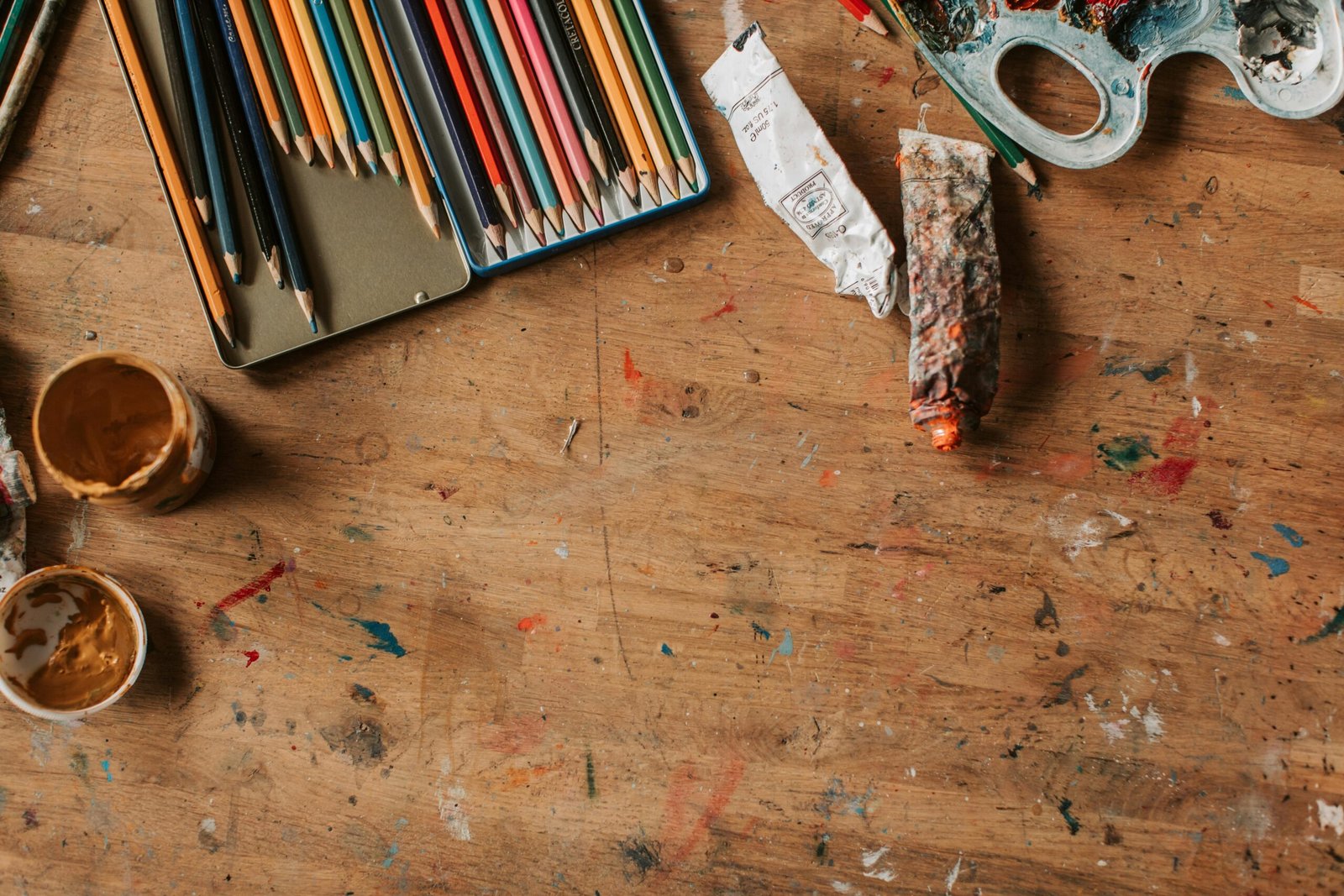
Scrapbooking is a wonderful hobby that allows you to preserve memories, tell stories, and express your creativity. However, with so many different supplies available, it can be overwhelming to know which ones are best suited for your projects. Choosing the right scrapbooking materials not only ensures that your layouts look great but also helps make the process more enjoyable and efficient.
In this article, we’ll explore how to choose the right scrapbooking supplies for your projects. Whether you’re a beginner or an experienced scrapbooker, these tips will help you select materials that fit your style and the needs of your scrapbook pages.
1. Understanding the Basic Scrapbooking Supplies
Before you start shopping for scrapbooking supplies, it’s important to understand the basic materials you’ll need for your projects. Here’s a breakdown of the essential scrapbooking supplies:
1.1. Paper
Paper is the foundation of most scrapbook layouts. There are many types of paper used in scrapbooking, and the right one depends on the style of your layout, the look you want to achieve, and the photos or memorabilia you’re working with.
Types of Scrapbooking Paper:
- Cardstock: Thick and durable, cardstock is often used for backgrounds, photo mats, and embellishments. It comes in a variety of colors and textures, including smooth, textured, and metallic finishes.
- Patterned Paper: Patterned paper features designs, colors, or images printed on the paper. It’s used to add visual interest, texture, and depth to layouts. Choose patterns that complement your photos and theme.
- Specialty Paper: This includes paper with unique textures, finishes, or patterns, such as vellum, foil, glitter, and embossed paper. Specialty paper can be used for accents, journaling, or as a focal point on your layout.
- Acid-Free Paper: It’s essential to use acid-free paper in scrapbooking to prevent yellowing and deterioration over time. Look for acid-free, lignin-free paper to ensure that your scrapbook pages last for years to come.
1.2. Adhesives
Adhesives are a crucial element in scrapbooking because they hold everything together. There are many types of adhesives, each suitable for different tasks.
Types of Adhesives:
- Glue Sticks: A basic adhesive that’s easy to apply. Best for sticking down paper and lightweight embellishments.
- Tape Runners: These are fast-drying adhesives in a convenient dispenser. Tape runners are ideal for attaching photos, paper, and small embellishments to the page.
- Foam Dots/Strips: Foam adhesives create dimension by raising elements off the page. These are perfect for making your photos or embellishments stand out and adding a 3D effect to your layout.
- Liquid Glue: Liquid glue is ideal for intricate work, such as adhering small die cuts or fine details. It also dries clear, making it suitable for delicate materials.
- Double-Sided Tape: Double-sided tape is great for permanent adhesion and is commonly used for layering paper and sticking down photo mats.
1.3. Tools
Scrapbooking tools help you create precise, neat designs. Some basic tools are essential for every scrapbooker, whether you’re a beginner or an expert.
Essential Scrapbooking Tools:
- Paper Trimmer: A paper trimmer is used to cut paper into specific sizes and shapes with straight lines. It ensures that your cuts are precise, clean, and consistent.
- Scissors: You’ll need a good pair of scissors for cutting paper, photos, and embellishments. There are also specialized scrapbooking scissors that can cut decorative edges or intricate shapes.
- Bone Folder: This tool is used to create crisp, clean folds in paper. It’s perfect for making clean edges for flip pages, pockets, and cards.
- Hole Punch: A hole punch is useful for creating holes for brads, ribbons, or threading. You can also use a corner punch to round off edges or create decorative shapes.
- Stamps and Ink Pads: Stamps are used to add designs, words, or patterns to your pages. Ink pads come in different colors, and some are designed for specific purposes, such as embossing or archival work.
1.4. Embellishments
Embellishments are what give your scrapbook pages personality and style. They come in a variety of forms and materials, from stickers to ribbons and buttons.
Types of Embellishments:
- Stickers: Stickers are an easy and popular way to add accents, phrases, and shapes to your pages. You can find stickers in almost every theme imaginable.
- Die Cuts: Die cuts are pre-cut shapes that can be used as embellishments. These can be purchased or created using a die-cutting machine. They come in a variety of designs, from flowers and animals to intricate patterns.
- Brads and Eyelets: Brads and eyelets are metal fasteners that can be used to add texture and hold elements together. They come in different sizes, shapes, and colors.
- Ribbons and Twine: Ribbons and twine add texture and visual interest to your layouts. Use them as borders, ties, or decorative accents.
- Buttons and Charms: Buttons and charms can give your layout a handmade, personalized touch. These embellishments work well for creating a layered look and adding depth to your page.
- Flowers and Gems: Flowers, pearls, rhinestones, and gems are great for adding elegance or sparkle to your scrapbook pages.
1.5. Pens and Markers
Pens and markers are essential for journaling, doodling, and adding personal details to your layouts. It’s important to choose high-quality pens that won’t smudge or bleed through the paper.
Types of Pens and Markers:
- Journaling Pens: These pens are designed for writing on scrapbooking pages. They often come in fine, medium, and bold tip sizes, and are typically acid-free and waterproof.
- Markers: Markers come in a variety of colors and are used for highlighting, coloring in stamps, and drawing accents. Some markers are designed for specific techniques, such as brush markers for calligraphy or alcohol-based markers for coloring die cuts.
- Gel Pens: Gel pens provide smooth, vibrant lines and are great for adding decorative touches or writing. They are especially useful for creating contrast on darker backgrounds.
2. How to Choose the Right Supplies for Your Project
Choosing the right supplies depends on the type of project you are working on, your style, and the theme of your scrapbook. Here’s how to select the best materials for different scrapbooking projects:
2.1. Consider the Theme of Your Layout
The theme of your scrapbook page plays a huge role in determining the supplies you’ll need. For example, a travel-themed layout may require maps, tickets, and travel-related stickers, while a baby album will need soft pastel colors, cute embellishments, and lots of photo space.
Tips for Selecting Supplies Based on Theme:
- For family or holiday pages, choose traditional colors like red, green, and gold, and use embellishments like holiday-themed stickers, die cuts, and ribbons.
- For wedding scrapbooks, choose elegant paper like lace, satin, and foil finishes, and use embellishments like flowers, pearls, and metallic accents.
- For baby or children’s albums, use soft pastels, bright colors, and cute die cuts, such as animals, toys, and playful phrases.
- For vintage or heritage albums, opt for muted tones like brown, beige, and cream, and use distressing tools, old-fashioned paper, and vintage embellishments.
2.2. Select Paper Based on Photos and Layout Style
The type of paper you use should complement your photos. If you have bright, colorful photos, you might want to select neutral paper or simple patterns to keep the focus on the images. Conversely, if your photos are black and white, you can use vibrant or bold-colored papers to add contrast and interest.
Paper Selection Tips:
- Patterned Paper: Choose patterned paper that complements the colors and theme of your photos. For busy or colorful photos, opt for subtle patterns or simple solids to avoid overwhelming the page.
- Cardstock: If you want a clean and minimalist design, use solid cardstock for your background. Cardstock can also be used for photo mats and die-cut embellishments.
- Specialty Paper: Specialty paper, such as vellum or glitter paper, can be used sparingly to add special effects or highlights to your layout without detracting from the main design.
2.3. Match Embellishments to the Theme and Mood
Embellishments are where you can add personality and style to your layout. Choose embellishments that enhance the overall mood of your page. For instance, soft ribbons and flowers might suit a romantic wedding page, while playful buttons and stickers are better for a child’s birthday album.
2.4. Invest in High-Quality Adhesives
A scrapbook layout is only as strong as its adhesive, so it’s important to use high-quality materials. Acid-free adhesives are essential for preserving your photos and papers, and you’ll want adhesives that can hold heavier embellishments securely in place.
Adhesive Tips:
- Use foam dots or strips for dimensional embellishments to give your layout depth.
- Double-sided tape or tape runners are best for attaching paper elements quickly and neatly.
- Use liquid glue or glue dots for intricate die cuts and embellishments.
3. Organizing Your Scrapbooking Supplies
Once you’ve gathered your supplies, keeping them organized is key to a smooth and enjoyable scrapbooking experience. Here are some tips for organizing your materials:
3.1. Use Storage Bins and Drawers
Store your paper in flat storage bins or filing cabinets, keeping it organized by color or theme. Store your embellishments in clear containers or drawers, labeling them by type (e.g., flowers, buttons, ribbons). Clear storage makes it easy to find exactly what you need.
3.2. Create a Tool Station
Set up a dedicated workspace with easy access to your tools. Keep your paper trimmer, scissors, adhesive, pens, and other frequently used tools within reach, so you’re not constantly searching for them.
3.3. Label Everything
Label your storage containers, bins, and drawers to help keep everything in order. For example, label bins for die cuts, stickers, stamps, and markers so you can easily access what you need during your scrapbooking sessions.
4. Conclusion: Choose the Right Supplies for Your Creative Vision
Choosing the right scrapbooking supplies is essential for creating beautiful, lasting layouts that tell your story. By selecting the right paper, adhesives, embellishments, and tools based on the theme and style of your project, you can ensure that your scrapbook pages are not only visually stunning but also well-crafted and preserved.
With the right materials at hand and an organized workspace, you can focus on the fun part—being creative! So, gather your supplies, choose what fits your vision, and start creating scrapbook pages that will showcase your memories in style.

Isabella Garcia is the creator of a blog dedicated to crafts and home care, focused on making everyday life more creative, organized, and enjoyable. The blog shares practical tips, easy DIY projects, home organization ideas, and simple solutions to take better care of your living space. Whether you’re a beginner in crafting or someone looking for inspiration to improve your home routine, Isabella’s blog offers clear, useful, and hands-on content to help you create a cozy, beautiful, and well-cared-for home.