
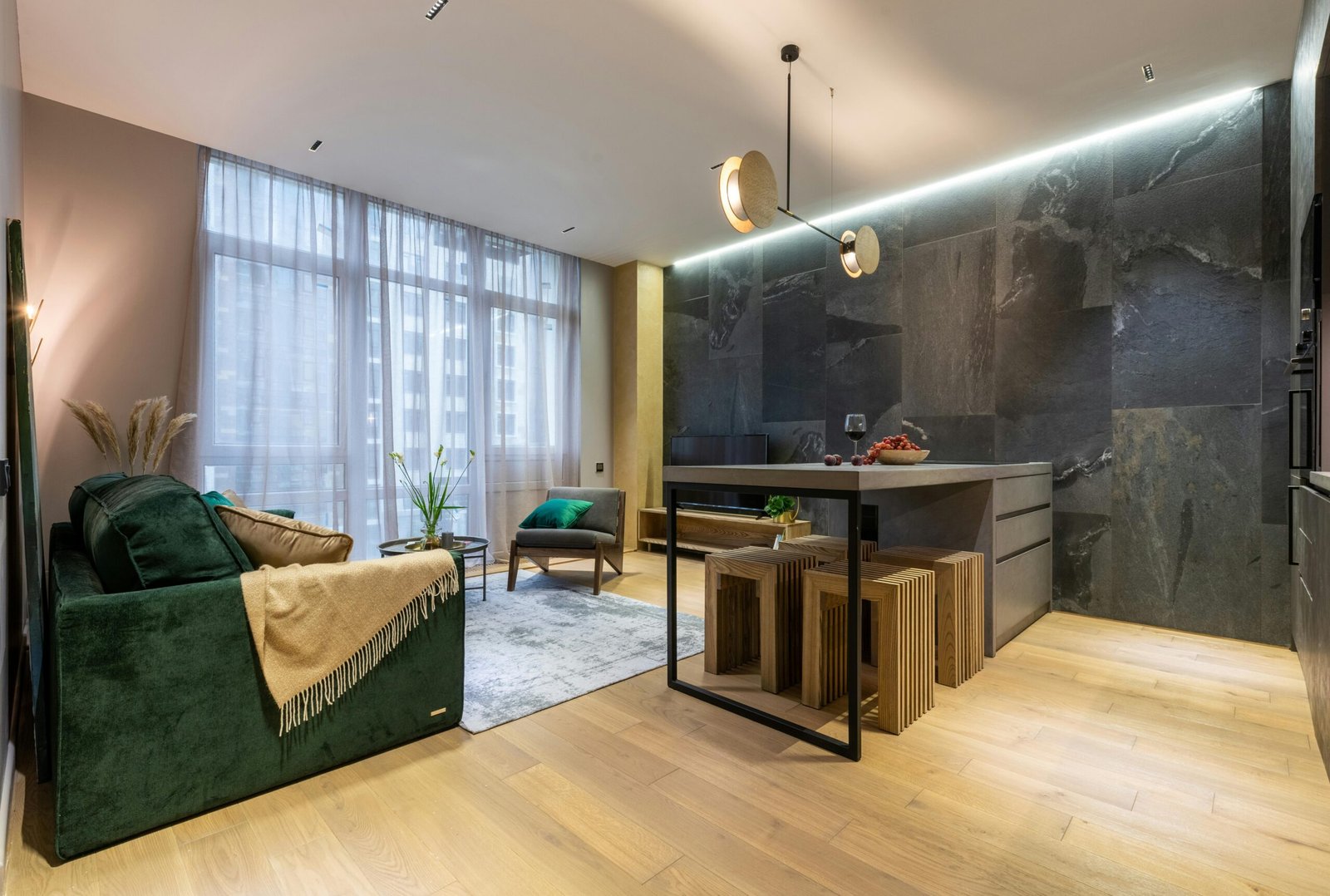
A sofa is usually the biggest piece of furniture in a living room—and the one you live on the most. It’s where you relax after school or work, watch movies, host friends, snack, scroll, nap, and sometimes even work from home. That’s why picking the wrong sofa hurts more than buying the wrong lamp or rug. A sofa that’s uncomfortable, too big, hard to clean, or the wrong color can make your whole room feel off.
The good news is you don’t need to be a designer to choose a great sofa. You just need a smart process. This guide walks you through exactly what to consider—size, layout, fabric, cushion feel, durability, and style—so you can choose a sofa you’ll still love in a few years.
Start With the Room, Not the Sofa
A common mistake is choosing a sofa because it looks great online—then trying to “make it fit” in the room. Instead, start with the room’s reality.
Ask yourself:
- How many people use the sofa daily?
- Do you host often, or is it mostly for you/your family?
- Do you nap on it?
- Do you eat on it?
- Do you have kids or pets (or plan to)?
- Do you want a calm look (neutral) or a statement piece (color)?
When you know how the sofa will actually be used, your choices become way clearer.
Measure Everything (Yes, Everything)
Most sofa regrets come from poor measuring. Before you fall in love with a sofa, measure:
- Wall length where the sofa will go
- Distance from sofa to coffee table area
- Walking paths around the sofa
- Doorways, hallways, stairwells, elevators
- Tight corners that the sofa must turn through
The “tape outline” trick
Use painter’s tape to outline the sofa’s footprint on the floor. Then walk around it like you normally would. If it blocks the flow, it’s too big—or the layout needs adjusting.
A simple spacing guideline
Try to maintain comfortable pathways. If the living room becomes a squeeze zone, daily life will feel annoying fast, even if the sofa looks perfect.
Choose the Right Sofa Type for Your Space
Different sofa shapes work better in different room layouts.
Standard 2- or 3-seater
Best for: most living rooms, simple layouts
Why it works: easy to place, flexible with chairs, easy to style
A standard sofa is the most adaptable option. If you move homes often, this is usually the safest bet.
Sectional
Best for: larger rooms, families, movie nights, open-concept spaces
Why it works: lots of seating, cozy, can define a “living zone”
But sectionals can overwhelm smaller rooms. If you want a sectional in a tight space, look for one with slimmer arms and a lighter visual profile (exposed legs help).
Modular sofa
Best for: flexibility, renters, people who rearrange often
Why it works: can expand, change shape, or move room-to-room
Modular sofas are great if you might move or if your needs change. Just make sure the connections are sturdy and the cushions don’t separate too easily.
Sofa bed
Best for: guests in small homes
Why it works: two functions in one
Be honest about how often it will be used as a bed. Some sofa beds are comfortable for occasional guests; fewer are comfortable for regular sleeping.
Loveseat + chairs combo
Best for: small rooms, conversational layouts
Why it works: creates airflow and flexibility
If a big sofa makes your room feel crowded, consider a loveseat plus one or two chairs instead.
Comfort Comes From Seat Depth, Cushion Fill, and Back Support
The word “comfortable” means different things to different people. That’s why two sofas can look similar but feel totally different.
Seat depth (one of the biggest comfort factors)
- Shallow seat: more upright, good for sitting “properly,” great for smaller people or formal living rooms
- Deep seat: lounge-friendly, great for curling up, often better for movie nights
If you’re someone who loves to sit with your legs up or nap, a deeper seat is usually the move.
Seat height
- Higher seat: easier to get up from, can feel more structured
- Lower seat: more loungey, can feel modern
Cushion firmness
- Firm cushions: more support, often hold shape longer
- Soft cushions: cozy, sink-in feel, but can flatten faster
A good balance is supportive but not stiff. If you can test in person, sit for a few minutes—not just a quick bounce.
Back height and cushion style
- High back: more support, more traditional
- Low back: modern look, but less shoulder/neck support
- Loose back cushions: comfy, casual, but need straightening
- Tight back: clean look, less fuss
If you like a tidy, always-neat look, a tight back can be easier.
Durability: What Actually Makes a Sofa Last
A sofa can look amazing but fall apart sooner than you expect if the structure is weak. Durability comes from a few key areas.
Frame quality
A strong frame is the foundation. Solid, sturdy construction matters more than trendy fabric.
What to look for:
- a frame that feels solid when you lift or push the sofa
- minimal creaking
- sturdy corners
Suspension system
This is what supports the seat beneath the cushions. It affects comfort and longevity.
In general, better support systems feel more stable over time and reduce sagging.
Cushion construction
Cushions affect both comfort and how “new” the sofa looks after a year.
- High-quality cushions maintain shape longer
- Cheaper fills can flatten quickly, making the sofa look tired
Removable cushion covers
If you have kids, pets, or you spill things easily, removable covers can be a lifesaver. Cleaning becomes less stressful.
Choose a Fabric That Fits Your Real Life
Fabric is where style meets reality. A gorgeous fabric that’s hard to maintain can turn into regret fast.
If you want low-maintenance
Look for performance fabrics, tight weaves, or materials designed for easy cleaning.
If you have pets
Consider:
- tighter weaves (less snagging)
- fabrics that don’t hold hair as easily
- colors that don’t highlight fur
Avoid very delicate fabrics if claws are a factor.
If you eat on the sofa
You want something forgiving:
- easy-to-clean fabric
- medium tones or subtle texture that hides small marks
- removable covers if possible
Leather vs fabric
Leather
- Pros: easy to wipe, ages nicely, classic look
- Cons: can scratch, can feel cold/hot depending on season, often pricier
Fabric
- Pros: more variety, often cozier, more color options
- Cons: some fabrics stain more easily, can hold odors or hair
There’s no “best,” only best for your lifestyle.
Texture and weave matter
Even within the same color, texture changes the whole vibe:
- Linen-look = relaxed, elevated, timeless
- Velvet-look = cozy, rich, dramatic
- Smooth weave = clean, modern
- Textured weave = hides wear better, looks more “expensive”
Color: The Decision That Most People Overthink
Color feels high-stakes because it’s such a big piece. Here’s a practical way to decide.
The safest sofa colors (that work with many styles)
- warm beige / oatmeal
- light greige
- soft gray (not too cool)
- cream (beautiful, but higher maintenance)
- taupe
- medium neutral tones
These colors are easy to decorate around and easy to refresh with pillows and throws.
When to choose a bold sofa
A bold sofa can look incredible, but it should be intentional.
Bold works best when:
- walls and rug are calmer
- the rest of the room isn’t competing
- you truly love the color long-term
Good “bold but timeless” choices:
- navy
- deep green
- warm caramel leather
- charcoal
A simple coordination rule
Choose your sofa color based on the biggest visual elements:
- wall color
- floor tone
- rug direction
If your rug is patterned, keep the sofa more neutral. If your rug is neutral, you can go bolder on the sofa.
Style Details That Change the Whole Look
Two sofas can have the same size and color but feel totally different because of design details.
Arm style
- Slim arms: modern, space-saving
- Rolled arms: classic, traditional
- Wide arms: cozy, casual, but take up more room
In small spaces, slim arms often help the sofa feel lighter.
Leg style
- Exposed legs: airy, modern, makes room feel bigger
- No visible legs (skirted or low base): heavier, cozy, traditional
If your room feels tight, exposed legs can be a visual cheat code.
Cushion count
- One-seat cushion: clean look, fewer gaps
- Multiple seat cushions: classic, easier to replace one cushion if needed
Shape and silhouette
- Boxy silhouette: modern, structured
- Rounded silhouette: softer, more relaxed
If your room has many sharp lines (TV, windows, rectangular tables), a slightly rounded sofa can soften the whole space.
Make Sure It Works With Your Layout
A sofa doesn’t exist alone. It needs to fit into a full room plan.
Coffee table and side tables
A sofa feels more functional when you have:
- a surface within reach for drinks
- a lamp nearby for lighting
- enough space to walk through
If space is tight, consider:
- a small round coffee table
- nesting tables
- a single side table on one side
The rug connection
A sofa looks more “finished” when the rug is sized and placed correctly. Ideally, the rug should reach under the front legs of the sofa (or at least connect the seating zone).
Don’t forget the TV wall
If your living room has a TV, consider sight lines and distance. You want the sofa to feel centered in the zone, not randomly shoved to one side.
Buying Online vs In Person: How to Reduce Risk
Online sofa shopping is convenient, but it increases the chance of surprises.
If buying online, check:
- seat depth and seat height (compare to your current sofa if possible)
- cushion firmness description
- fabric type and texture
- return policy and restocking fees
- delivery method (doorstep vs inside delivery)
- assembly requirements
Order fabric swatches if possible
Swatches can save you from color regret. The same “beige” can look pink, yellow, or gray depending on undertones and lighting.
Read reviews for real-life clues
Reviews often reveal:
- whether cushions flatten quickly
- if fabric pills or snags
- whether color looks different in person
- how firm or soft it really feels
Secondhand Sofas: When It’s Worth It
Buying secondhand can be smart, especially for higher-quality frames. But inspect carefully.
Look for:
- solid structure (no wobbling)
- no strong odors
- cushions that still have shape
- fabric condition
If the frame is great but the fabric is tired, it can sometimes be worth re-covering—depending on cost and how long you plan to keep it.
The “No-Regret” Sofa Checklist
Before you commit, make sure you can answer these confidently:
- Does it fit the room footprint and walking paths?
- Will it fit through doors and hallways?
- Is the seat depth right for how I sit?
- Is it comfortable for at least 10 minutes, not just 10 seconds?
- Does the fabric match my lifestyle (pets, spills, kids, daily use)?
- Does the color work with my walls, floors, and rug plan?
- Is the frame and build quality solid enough for years of use?
- Can I clean it without stress?
If you get most of these right, you’re not just buying a sofa—you’re buying a living room that works.
A Simple Strategy If You’re Still Unsure
If you’re stuck between options, choose:
- a neutral sofa you love
- with the right comfort level
- and the most practical fabric
Then add personality through:
- pillows
- throws
- art
- rug
- lighting
That approach stays stylish longer and is easier to update over time.

Isabella Garcia is the creator of a blog dedicated to crafts and home care, focused on making everyday life more creative, organized, and enjoyable. The blog shares practical tips, easy DIY projects, home organization ideas, and simple solutions to take better care of your living space. Whether you’re a beginner in crafting or someone looking for inspiration to improve your home routine, Isabella’s blog offers clear, useful, and hands-on content to help you create a cozy, beautiful, and well-cared-for home.