
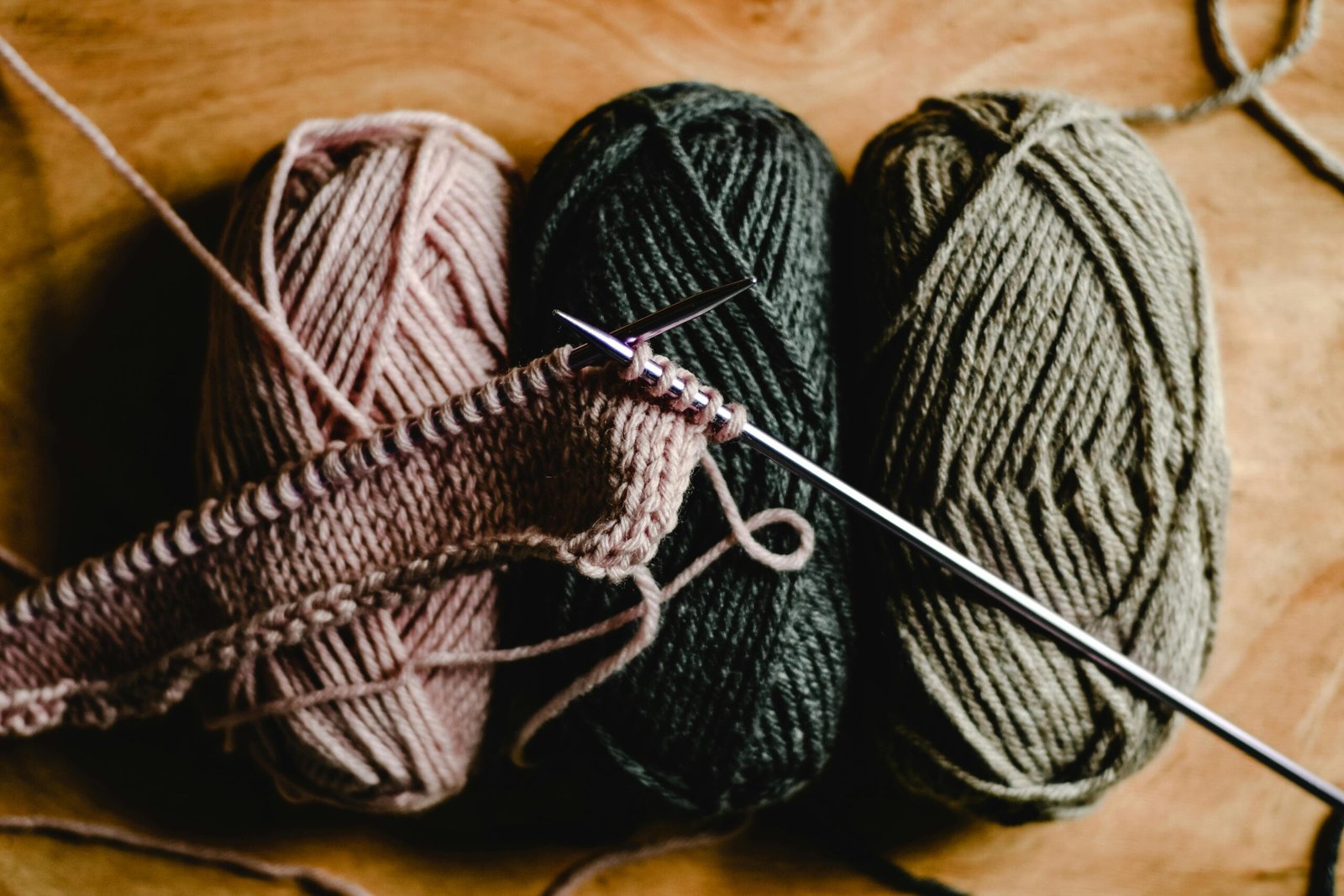
Walking into the yarn aisle for the first time can feel like stepping into a candy store where everything looks good—but you have no idea what goes with what. There are fluffy yarns, shiny yarns, soft yarns, scratchy yarns, tiny yarns, giant yarns, and colors that make you want to buy five skeins just because they’re pretty. Then you get home, start stitching, and suddenly the yarn is splitting, your stitches look messy, or the fabric feels stiff and uncomfortable.
Choosing yarn is one of the biggest “make it easier or make it harder” decisions for beginners. The right yarn makes learning smoother because you can see stitches clearly, insert your hook or needle without fighting, and fix mistakes without the yarn turning into a fuzzy knot. The wrong yarn can make you feel like you’re doing everything wrong—even if your technique is fine.
This guide will help you choose beginner-friendly yarn confidently. You’ll learn how yarn weight works, which fibers are easiest to start with, what “splitty” yarn means, how to pick colors that help you see your stitches, and how to match yarn to the project you want to make—without wasting money.
The Beginner Goal: Yarn That Helps You Learn, Not Yarn That Hides Everything
When you’re new, you’re trying to learn:
- how stitches form
- where to insert the hook/needle
- how to keep tension steady
- how to count rows and stitches
So your first yarn should make those things obvious. The best beginner yarn is usually:
- smooth (not fuzzy)
- medium thickness (not too thin, not too bulky)
- lightly colored (not black or super dark)
- not overly slippery
- comfortable enough to hold for a while
You can absolutely try “fancy” yarn later. But early on, clear visibility and easy handling are what build skill fastest.
Yarn Weight: The “Thickness Category” That Patterns Rely On
Yarn weight in crafting doesn’t mean how heavy the skein is. It means how thick the strand is. This affects everything:
- how big stitches are
- how fast the project grows
- how much drape the fabric has
- what hook/needle size feels comfortable
Most yarn labels use a number system (0–7) and/or names like “worsted” or “DK.”
Beginner-friendly yarn weights
For most beginners, the easiest weights are:
- #4 (Worsted / Medium): the classic beginner choice
- #3 (DK / Light): slightly thinner, still beginner-friendly
- #5 (Bulky): quick progress, but can be harder to see stitch structure clearly sometimes
If you’re learning crochet or knitting for the first time, #4 worsted is usually the easiest place to start because it balances visibility and control.
Why very thin yarn is harder at first
Thin yarn (like #1 fingering) creates small stitches. That means:
- it’s harder to see where to insert the hook/needle
- projects take longer (less immediate motivation)
- mistakes can be harder to notice quickly
Thin yarn is amazing later (especially for delicate garments and socks), but it’s not the fastest way to build confidence.
Why super bulky can also be tricky
Super bulky yarn can feel easy because it grows fast, but it can also:
- make stitches look “blobby” instead of clearly shaped
- hide stitch anatomy in the thickness
- create very large loops that are harder to control evenly
Bulky can be fun for quick scarves, but for learning stitch structure, worsted is often better.
Fiber Content: What Yarn Is Made Of and Why It Matters
Fiber affects:
- softness
- stretch (elasticity)
- stitch definition
- durability
- how easy it is to wash
- how the final fabric feels against skin
Beginners often choose yarn based on color first. A better approach is to choose based on fiber + project purpose, then pick a color you love.
Acrylic: The Most Common Beginner Fiber
Acrylic yarn is extremely popular for beginners because it’s:
- affordable
- widely available
- often machine washable
- consistent in thickness (great for learning)
- available in many colors
When acrylic is a great choice
- practice swatches
- scarves and hats (easy-care)
- blankets
- beginner projects you want to wash easily
- gifts for people who won’t hand-wash items
Possible downsides
- some acrylic feels rough or squeaky (quality varies)
- it can be warmer and less breathable than some natural fibers
- it may pill over time (little fuzz balls) depending on yarn quality
Beginner tip: acrylic ranges from budget-basic to surprisingly soft. If possible, feel it in person. Look for “soft,” “anti-pilling,” or “premium” acrylic if comfort matters.
Cotton: Strong, Clear Stitches, Less Stretch
Cotton is great because it shows stitches clearly and holds up well, but it behaves differently than acrylic or wool.
Why cotton is great
- crisp stitch definition (you can see your stitches clearly)
- durable
- absorbent (perfect for dishcloths, coasters, towels)
- often machine washable
Why cotton can be harder for beginners
- less stretch than wool or acrylic, so it can feel “stiff”
- if you crochet or knit tight, cotton can make your hands work harder
- finished items can feel heavier
Cotton is fantastic for small home items and learning stitch clarity. If your hands get tired easily, consider a cotton blend or choose a slightly larger hook/needle.
Wool: Elastic and Beginner-Friendly in a Different Way
Wool (and many wool blends) has natural springiness. That stretch can help beginners because:
- it’s forgiving with tension
- stitches can “even out” after blocking or gentle washing
- it grips itself slightly, helping fabric stay stable
Why wool is great
- warm, cozy fabric
- elastic (great for hats and sweaters)
- beautiful stitch definition in many yarns
- blocks well (shape improves after finishing)
Potential downsides
- can be itchy for some people
- may require gentle washing (depending on whether it’s superwash)
- usually more expensive than acrylic
If you want to knit wearables, wool or wool blends can be a wonderful upgrade once you’re comfortable with basics.
Blends: Often the Best of Both Worlds
Many beginner-friendly yarns are blends, such as:
- acrylic + wool
- cotton + acrylic
- wool + nylon
Blends often aim to combine benefits:
- softness + durability
- elasticity + easy care
- affordability + comfort
For beginners, a soft acrylic blend or a cotton blend can be easier to manage than 100% cotton or scratchy wool.
Texture and “Splitty” Yarn: What Makes Yarn Easy or Hard to Work With
Two yarns can both be worsted weight and acrylic—but one feels effortless and the other feels like it’s fighting you. The difference is often twist, ply, and texture.
What “ply” means (simple version)
Ply refers to how many strands are twisted together to make the yarn. More plies often means:
- better stitch definition
- less splitting
- stronger yarn structure
Single-ply or loosely spun yarn can look beautiful and soft, but it may:
- split easily
- fuzz quickly
- feel harder for beginners to control
What “splitty” yarn means
Splitty yarn is yarn that separates into strands when you insert the hook or needle. This causes:
- messy-looking stitches
- snagging while pulling loops through
- frustration because it feels like your tool won’t glide cleanly
Beginners often blame themselves for splitty yarn, but it’s often the yarn’s construction.
Beginner-friendly yarn traits
- smooth, tightly spun yarn
- multiple plies
- not overly fuzzy
- not overly slippery
Avoid fuzzy “novelty” yarn at the start
Yarns like eyelash, mohair-style fuzzy yarns, or highly textured novelty yarns make stitches hard to see. That means:
- counting is harder
- correcting mistakes is harder
- tension becomes harder to judge
Save those yarns for later when your hands already know what a stitch is supposed to feel like.
Color Choice: The Most Underrated Beginner Advantage
Color affects learning more than most beginners expect.
Best beginner colors
- light to medium solid colors: cream, light gray, pastel, soft blue, sage, etc.
- heathered yarns can be okay if not too busy
These colors make stitch definition easy to see.
Hard beginner colors
- black, navy, very dark brown
- heavily variegated “rainbow” yarn where colors change rapidly
- high-contrast speckled yarns
Dark yarn hides the stitch “V” shapes, making it harder to insert your hook/needle correctly. Busy color changes can make it harder to see mistakes.
You can absolutely use dark or multicolor yarn later, but starting with a calm solid color speeds up learning.
Matching Yarn to Crochet vs Knitting: Small Differences That Matter
Both crafts can use the same yarn weights and fibers, but certain yarn traits feel different depending on whether you crochet or knit.
Crochet beginner yarn priorities
- strong stitch definition (so you can see where to insert the hook)
- not too splitty (hooks can split yarn more than needles)
- smooth glide but not overly slippery
Crochet can “grab” yarn more aggressively during pull-throughs, so a smooth, well-plied yarn helps a lot.
Knitting beginner yarn priorities
- slightly grippy is helpful (prevents stitches sliding off)
- not too slippery (metal needles + slick yarn can feel chaotic)
- elastic fibers (like wool blends) can feel forgiving
Knitting holds many live stitches on the needle. A yarn that grips just a little can help beginners feel more secure.
The Care Factor: Choose Yarn You’re Willing to Maintain
Before you fall in love with a yarn, check how it needs to be washed. Ask:
- Do I want machine wash and dry?
- Am I okay with hand washing?
- Is this a gift for someone who wants easy care?
Beginner-friendly care choices
- machine washable acrylic
- cotton (often washable)
- superwash wool (still check label)
If you make a cozy scarf but never wear it because washing feels stressful, the yarn choice wasn’t practical—even if it was beautiful.
How Much Yarn Do You Need? Beginner Shopping Without Waste
Beginners often buy either:
- too little (run out mid-project)
- way too much (leftover piles you don’t know how to use)
A simple approach:
- For small practice projects (coasters, dishcloths), 1 skein is often enough.
- For a scarf, you often need 2–3 skeins depending on yardage and width.
- For a baby blanket or throw, you’ll need multiple skeins, and yardage becomes essential.
Use yardage, not just “skein count”
Skeins vary widely. Always look at:
- yards/meters per skein
- pattern yardage requirement
If you’re making a beginner scarf and your skein has 200 yards, you might need 400–600 yards total for a longer scarf, depending on stitch and width. Crochet often uses more yarn than knitting for the same size fabric.
Beginner Yarn Picks by Project Type
Here are practical, beginner-safe choices.
If you’re practicing stitches (swatches, learning basics)
- worsted weight acrylic or acrylic blend
- light/medium solid color
- smooth texture, not fuzzy
If you’re making dishcloths or coasters
- cotton or cotton blend
- worsted weight is easiest to start
- smooth, tightly spun yarn is best
If you’re making a scarf
- soft acrylic, acrylic blend, or wool blend
- worsted weight for easy learning
- avoid super splitty yarn
If you’re making a hat
- wool blend or acrylic (depending on warmth and care)
- yarn with some elasticity helps
- worsted weight is beginner-friendly
If you’re making granny squares
- acrylic or cotton blend (easy to wash, stable)
- solid or gentle heathered colors help you see corners and spaces
- buy enough in the same dye lot if you want perfect color matching
If you want to try amigurumi later
- smooth cotton or acrylic
- yarn that does not split easily
- you’ll typically use a smaller hook than the label suggests for tight stitches
Budget Tips: How to Buy Yarn Without Overspending
You don’t need expensive yarn to learn well, but you do want yarn that isn’t actively sabotaging you.
A smart beginner budget approach
- Buy one or two skeins of a smooth, medium yarn to practice.
- Once you finish a small project, buy yarn for your next project with a clearer idea of what you like.
When it’s worth paying a little more
Consider spending a bit more if:
- the cheap yarn is very scratchy and you want something wearable
- the cheap yarn splits constantly
- you notice your hands feel uncomfortable with rough yarn
You’re not buying “luxury.” You’re buying a smoother learning experience.
The “Touch Test”: What to Feel for in the Store
If you can touch the yarn, here’s what to check:
1) Softness (for wearables)
Rub it gently against the inside of your wrist or neck area (where scarves touch). If it feels scratchy now, it likely won’t feel better later.
2) Twist and stability
Look at the strand. Does it look tightly twisted or loosely spun? Looser spun yarn may be splitty.
3) Stretch
Gently pull the strand. Wool and some blends bounce back more. Cotton stays more firm. Choose based on the project and what feels comfortable.
4) Thickness consistency
If the yarn looks uneven in thickness (thick-thin), it can be harder for beginners to make consistent stitches. Some “slub” yarns are designed that way, but they’re not ideal for learning basics.
Common Beginner Yarn Mistakes (and Easy Fixes)
Mistake 1: Starting with fuzzy yarn because it looks cozy
Fix: start with smooth yarn so you can see stitches, then switch to fuzzy yarn later for cozy projects.
Mistake 2: Choosing very dark yarn
Fix: practice with light/medium colors first. Save black yarn for later when stitch placement is automatic.
Mistake 3: Buying yarn based only on the label “worsted”
Fix: check fiber, twist, and feel. Two worsted yarns can behave very differently.
Mistake 4: Ignoring care instructions
Fix: match yarn care to your lifestyle. Easy-care yarn makes crafting more enjoyable.
Mistake 5: Buying random single skeins in many types
Fix: buy with a project in mind so you learn how yarn behaves from start to finish.
A Simple Beginner Yarn Checklist
When choosing yarn for your next beginner project, ask:
- Is the weight beginner-friendly? (#4 worsted is a safe start)
- Is the fiber suitable for the project? (cotton for dishcloths, soft acrylic for scarves, etc.)
- Can I see stitches clearly? (avoid dark and overly busy yarn at first)
- Is it smooth and not too splitty? (good twist and structure)
- Am I willing to care for it? (machine wash vs hand wash)
- Do I have enough yardage? (check yards/meters per skein)
If you can answer those questions, you’re choosing yarn like someone who knows what they’re doing—because you do.
The Finish That Makes Everything Easier
Choosing yarn is a skill, and like every craft skill, it gets easier with repetition. Start with a smooth worsted yarn in a calm color, learn your stitches, and pay attention to how different fibers behave in your hands. After a few small projects, you’ll develop preferences quickly: maybe you love the bounce of wool blends, maybe cotton feels satisfying, or maybe soft acrylic becomes your go-to for easy-care wearables.
The key is not chasing the most beautiful yarn on the shelf. The key is choosing yarn that helps you learn, finish projects, and enjoy the process—because that’s what keeps you creating.
Isabella Garcia is the creator of a blog dedicated to crafts and home care, focused on making everyday life more creative, organized, and enjoyable. The blog shares practical tips, easy DIY projects, home organization ideas, and simple solutions to take better care of your living space. Whether you’re a beginner in crafting or someone looking for inspiration to improve your home routine, Isabella’s blog offers clear, useful, and hands-on content to help you create a cozy, beautiful, and well-cared-for home.