
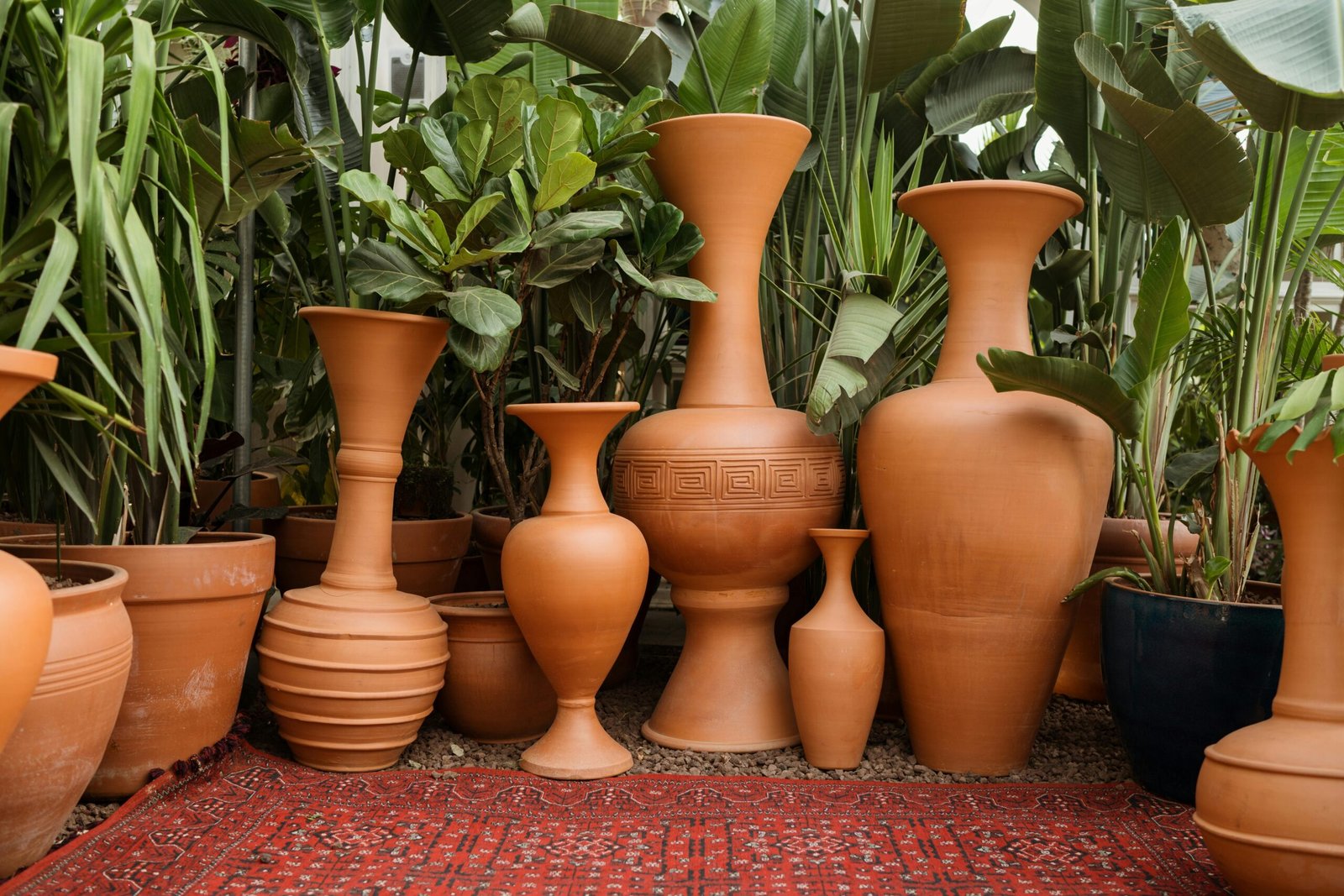
A plant corner can completely change the vibe of a living room. It adds warmth, texture, and life to a space—even if your home is small, your décor is minimal, or you’re not naturally “good with plants.” The best part is that a beautiful plant corner isn’t about buying the most expensive plants or copying a perfect Pinterest setup. It’s about creating a layout that matches your light, your routine, and your style so the plants look great and stay healthy.
In this guide, you’ll learn how to build a living room plant corner step by step: how to pick the right spot, how to layer plants for a balanced look, what furniture and accessories help (without clutter), and how to care for the plants so the corner stays lush instead of slowly turning into a problem area.
What a “Plant Corner” Really Is (and Why It Works)
A plant corner is simply a dedicated area—usually a corner near a window—where plants are grouped intentionally. Instead of scattering plants randomly, you create a mini “green zone” that feels designed.
This works for two big reasons:
- Plants do better in groups
Grouping plants can slightly improve humidity around them, helps you notice changes faster, and makes care routines easier. - Your living room looks more intentional
A few well-placed plants together often look more stylish than the same plants spread awkwardly across the room.
The goal: a corner that looks like it belongs there—like it’s part of your home’s personality.
Step 1: Choose the Right Spot Based on Light
Before you think about plant types or décor, you need to choose the location based on light. Light is the foundation. If you build a plant corner in the wrong spot, you’ll end up compensating with overwatering, moving plants constantly, or watching them slowly decline.
How to Find Your Best Light in the Living Room
Walk around your living room during the day and identify:
- Where it feels brightest naturally
- Where sunlight hits directly (if at all)
- Which areas stay bright even when the sun moves
Most living rooms have at least one “best” spot—often near a window, sliding door, or balcony door.
A Simple “Light Map” Trick
Stand in the corner you want to use and look toward the window:
- If you can easily read without turning on a lamp: likely medium light or better
- If your shadow looks sharp: bright light (possibly direct)
- If your shadow is faint and fuzzy: low light
This helps you choose plants that will thrive there without guesswork.
Common Layout Mistake
People choose a corner because it looks empty, not because it has light.
Plants can survive low light, but your plant corner will thrive—and look fuller—when it’s built around the brightest part of the room.
Step 2: Decide the “Style” of Your Plant Corner
Plant corners can match different home aesthetics. Before buying anything, pick a style direction. This makes it easier to choose pots, stands, and plant shapes that look cohesive.
Here are a few popular approaches:
Clean and Minimal
- 3–5 plants max
- Neutral pots (white, beige, black, terracotta)
- One tall statement plant + a few smaller supporting plants
Cozy and Jungle-Like
- 6–12 plants in layers
- Mixed leaf textures
- Hanging plant or trailing vines
- Warm-toned pots or baskets
Modern and Structured
- Upright plants with bold shapes
- Matching pot shapes
- Symmetry or clean grouping lines
- Plant stands with straight edges
Natural and Earthy
- Terracotta, woven baskets, wood stands
- Leafy plants with soft movement
- A mix of floor and tabletop plants
There’s no right answer—just choose what fits your living room. The key is consistency.
Step 3: Pick the Layout Formula (So It Looks Designed, Not Random)
A plant corner looks best when plants are layered with intention. Instead of thinking “I need more plants,” think “I need different heights and textures.”
A reliable formula is:
- One tall anchor plant
- Two to three medium plants
- Two to four small plants
- One trailing plant (optional but powerful)
- One texture element (basket, stool, stand, or small shelf)
This creates balance and depth.
The Tall Anchor Plant
The anchor plant gives your corner structure. Good options for living rooms include:
- Dracaena varieties (structured and forgiving)
- Rubber plant (if you have decent light)
- Parlor palm (softer look)
- Snake plant (minimal and tough)
- Cast iron plant (slow but durable)
Choose an anchor plant that fits your light. If your living room is low light, snake plant, ZZ plant, cast iron plant, and dracaena are safer than more light-hungry options.
Medium Plants for Fullness
Medium plants fill the space around the anchor:
- Chinese evergreen (great in medium to low light)
- Peace lily (good communicator, likes consistent care)
- Pothos in a pot (can trail or climb)
- Heartleaf philodendron (easy and elegant)
Small Plants for Detail
Small plants add “finished” energy:
- Smaller pothos varieties
- Compact snake plant types
- Small ferns if humidity is decent
- Mini succulents if you have brighter light
Trailing Plants for Movement
Trailing plants soften the corner and make it feel alive:
- Pothos
- Heartleaf philodendron
- Scindapsus (if you find it; tends to be slightly pickier)
- Spider plant (can cascade gently)
A trailing plant placed on a stand or shelf instantly adds dimension without needing extra floor space.
Step 4: Use Stands, Stools, and Shelves the Smart Way
A plant corner looks best when plants sit at different heights. But you don’t need a huge plant rack to do it well.
What Works Best
- One plant stand to lift a medium plant up
- A small stool or side table to create a second height layer
- A slim shelf if you want multiple small plants without crowding the floor
- A hanging planter if you want height without furniture
What to Avoid (Especially for Beginners)
- Overcrowded multi-tier shelves with too many plants
- Tiny pots packed together where you can’t water easily
- Stands that block drainage or trap water on wooden floors
The best plant corner is easy to maintain. If watering feels annoying, the corner will slowly fail because care becomes inconsistent.
Step 5: Choose Pots That Look Good and Keep Plants Healthy
Pots are part of the design, but drainage is part of survival. Always prioritize drainage holes.
Beginner-Friendly Pot Strategy
- Keep plants in plastic nursery pots
- Put them inside decorative cachepots or baskets
- Water plants in the sink
- Let them drain fully
- Put them back in place
This is especially useful in a living room because it prevents water damage and makes watering cleaner.
Coordinating Pots Without Being Boring
You don’t need every pot to match exactly. Instead, pick a “family”:
- Same color palette (neutrals, earth tones, or dark tones)
- Two to three materials max (ceramic + terracotta + woven)
- Similar shapes (rounded or modern lines)
This creates a cohesive look without feeling forced.
Step 6: Plant Placement Rules That Make It Look Professional
Designers often use a few rules that make arrangements look natural.
Rule 1: Tallest in the Back, Shortest in the Front
Like a photo group. It creates depth and prevents plants from blocking each other’s light.
Rule 2: Don’t Line Pots Up Perfectly
Perfect rows feel stiff. Stagger plants slightly so it feels organic.
Rule 3: Repeat One Element
Repeat a shape, pot color, or plant type once to create rhythm. For example:
- Two terracotta pots
- Two trailing plants
- Two upright plants with similar leaf shape
Rule 4: Leave Breathing Space
Not every inch needs to be filled. A little negative space makes the corner look intentional and clean.
Step 7: Build Your Plant Corner With Easy Plant Combos
Here are realistic plant corner setups based on light levels.
Low-Light Living Room Corner (Beginner-Safe)
- Anchor: Snake plant or ZZ plant
- Medium: Chinese evergreen
- Medium: Heartleaf philodendron
- Small: Compact snake plant
- Trailing: Pothos on a stand
Why it works: all tolerate lower light and don’t demand constant watering.
Medium-Light Living Room Corner (Balanced and Lush)
- Anchor: Dracaena or parlor palm
- Medium: Peace lily
- Medium: Pothos climbing a small moss pole or trailing
- Small: Spider plant
- Trailing: Philodendron on a shelf
Why it works: medium light supports steady growth without harsh sun risk.
Bright Living Room Corner (More Variety)
- Anchor: Rubber plant (if you can provide bright light)
- Medium: Monstera (if you want a bold look)
- Medium: Pothos or philodendron
- Small: A mix of small leafy plants
- Trailing: Pothos hanging planter
Why it works: brighter light allows bigger, faster growth and stronger leaves.
Step 8: Care Tips That Keep the Corner Looking “New”
A plant corner can look amazing for the first month, then slowly decline if care isn’t consistent. The best approach is a simple routine that prevents problems before they show up.
Watering Routine for a Plant Corner
Instead of watering all plants at once, do a weekly check.
Once per week:
- Touch the soil of every pot
- Water only what is dry enough to need it
- Drain thoroughly and return plants to the corner
Remember: plants in low light will need less water than plants in bright light—even if they’re in the same room.
Rotate Plants for Even Growth
Plants lean toward light. If you never rotate them, one side becomes fuller and the other becomes sparse.
Every 1–2 weeks:
- Rotate pots about a quarter turn
This keeps the corner looking balanced.
Clean Leaves Monthly
Dust blocks light. In a living room, dust accumulates quickly.
Once a month:
- Wipe larger leaves gently with a damp cloth
- For smaller leaves, a light shower rinse can help (if the plant tolerates it)
Clean leaves look shinier and help plants absorb more light.
Prune for Shape
A plant corner looks best when plants are shaped intentionally rather than becoming chaotic.
- Trim leggy vines to encourage branching
- Remove yellow leaves so the corner stays fresh
- Prune lightly, not aggressively
Pruning is like a haircut: small adjustments keep everything looking neat.
Step 9: Avoid the Most Common Plant Corner Problems
Even well-designed corners can run into predictable issues. Here’s how to avoid them.
Problem: Plants Start Getting Leggy
Cause: not enough light or plants too far from the window
Fix:
- Move the corner closer to light if possible
- Raise plants on stands
- Prune and propagate trailing plants to make them fuller
Problem: Soil Stays Wet Too Long
Cause: low light, dense soil, or pots without proper drainage
Fix:
- Water less often
- Use well-draining mix
- Ensure drainage holes
- Consider switching terracotta pots for plants that stay wet too long
Problem: Pests Spread Through the Corner
Cause: plants are grouped closely, so pests move easily
Fix:
- Inspect weekly, especially under leaves
- Isolate any plant showing suspicious symptoms
- Wipe leaves and treat early
Problem: The Corner Looks Cluttered
Cause: too many small pots or mismatched items
Fix:
- Remove one or two plants
- Simplify pot styles
- Use one anchor + fewer supporting plants
A “smaller but intentional” corner often looks better than a packed one.
Step 10: Make It Family-Friendly and Living-Room Practical
Living rooms are high-traffic spaces. Your corner should be safe and functional, not just pretty.
If You Have Kids
- Place fragile plants higher
- Avoid glass pots
- Use heavier pots to prevent tipping
- Teach a simple “look, don’t touch” boundary
If You Have Pets
Some pets chew plants out of curiosity. If that’s your situation:
- Use hanging planters
- Put plants on high shelves
- Choose sturdy, upright placements that are harder to access
Even if you don’t change plant types, placement can reduce risk.
A Realistic “Start Small” Plan (So You Don’t Overspend)
If you’re building your first plant corner, you don’t need to buy everything at once.
Week 1: Anchor + One Medium
Pick one tall anchor plant and one medium plant that match your light.
Week 2: Add One Trailing Plant
A trailing plant instantly changes the look and adds movement.
Week 3: Add One Small Plant + One Stand
A small plant plus a stand creates layering and makes the corner feel designed.
Week 4: Evaluate and Adjust
Is the corner easy to water? Is the light strong enough? Are plants leaning? Adjust placement and simplify if needed.
Building gradually helps you learn what works in your specific living room.
The Secret to a Plant Corner That Stays Beautiful
A plant corner isn’t “set and forget.” But it also shouldn’t feel like a chore.
The secret is designing the corner around:
- Your light level
- Your watering habits
- Easy-to-care-for plants
- A layout that’s simple to maintain
When you do that, the plant corner stays attractive month after month, and caring for it becomes something you actually enjoy.
Your Living Room Plant Corner Can Grow With You
The best plant corners evolve. As you gain confidence, you can experiment with different textures, larger statement plants, or seasonal changes. But you don’t need to rush. A solid beginner setup with forgiving plants will already make your living room feel calmer and more welcoming.
Start with a few strong choices, layer them with intention, keep watering realistic, and pay attention to light. In a short time, your plant corner won’t just be a decoration—it’ll become one of your favorite parts of your home.

Isabella Garcia is the creator of a blog dedicated to crafts and home care, focused on making everyday life more creative, organized, and enjoyable. The blog shares practical tips, easy DIY projects, home organization ideas, and simple solutions to take better care of your living space. Whether you’re a beginner in crafting or someone looking for inspiration to improve your home routine, Isabella’s blog offers clear, useful, and hands-on content to help you create a cozy, beautiful, and well-cared-for home.