
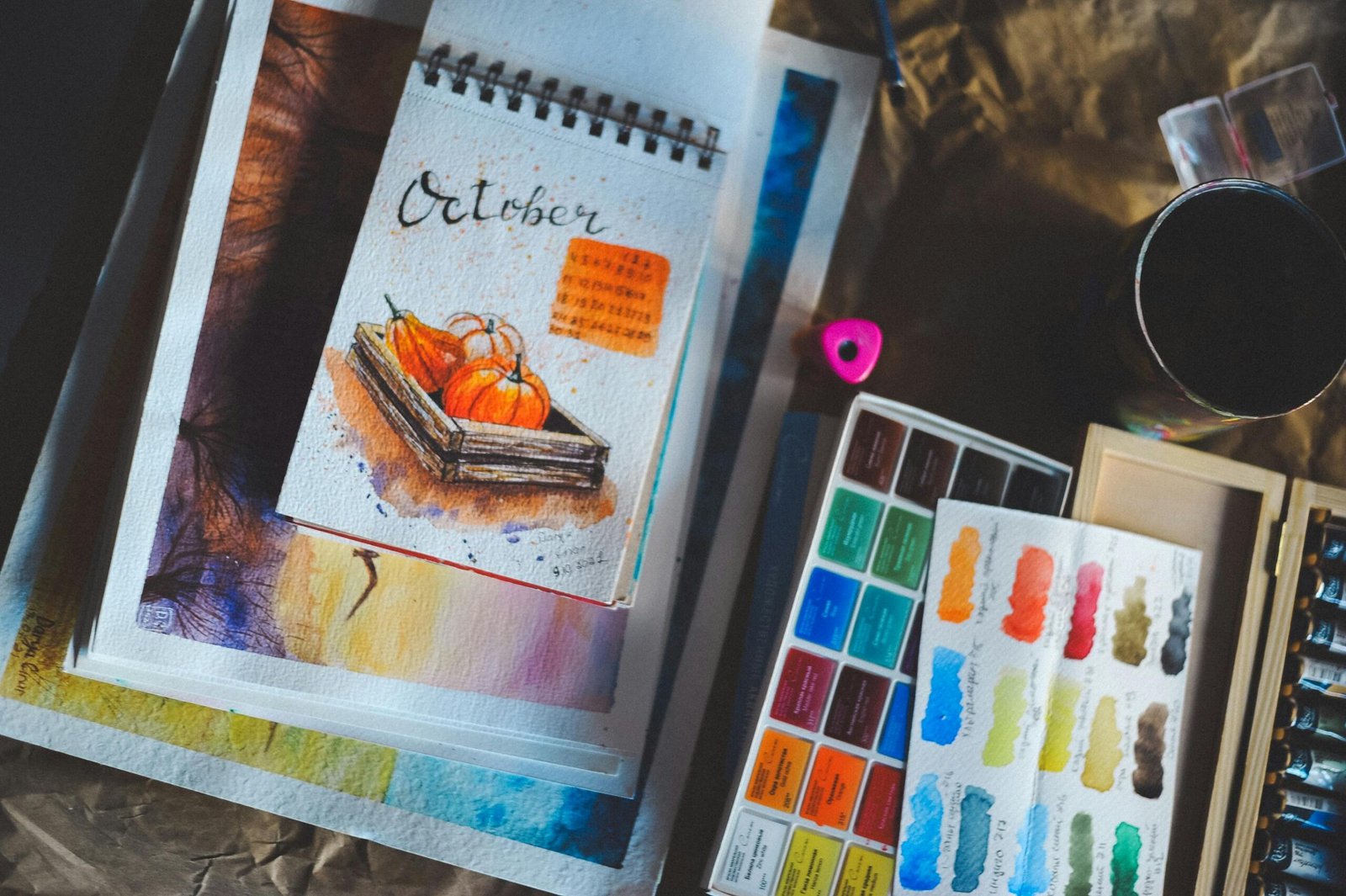
Scrapbooking is all about creativity and storytelling, and one of the most exciting ways to elevate your scrapbook pages is by using mixed media techniques. Mixed media combines different art materials and techniques, allowing you to create layered, textured, and visually dynamic layouts. By integrating various mediums—such as paints, inks, stamps, fabrics, and even found objects—you can give your scrapbook pages a one-of-a-kind, artistic flair.
In this article, we’ll guide you through how to create a scrapbook using mixed media techniques. From choosing your materials to incorporating various art supplies, we’ll show you how to add depth, texture, and creativity to your scrapbook layouts.
1. What is Mixed Media Scrapbooking?
Mixed media scrapbooking refers to the technique of using multiple types of materials and methods to create a scrapbook layout. Instead of sticking to traditional papers, stickers, and embellishments, mixed media scrapbooking allows you to blend different art forms, such as painting, stamping, collage, and fabric, to make your pages more expressive, textured, and vibrant.
Mixed media techniques can include the following:
- Layering: Using different materials such as paper, fabric, and stickers to create depth and dimension on your page.
- Texture: Adding tactile elements like embossing, stitching, or fabric to create a more dimensional and interactive layout.
- Painting and Inking: Applying paints, sprays, or inks to create colorful backgrounds, borders, or accents.
- Collage: Combining cut-out images, papers, and found objects to create unique, artful designs.
- Stamps and Stencils: Using stamps or stencils to add patterns, textures, or images.
Mixed media is about experimenting with different supplies and techniques to bring your scrapbook pages to life. It allows you to break free from traditional scrapbooking rules and embrace creativity.
2. Benefits of Using Mixed Media in Scrapbooking
There are several advantages to using mixed media techniques in your scrapbooking:
2.1. Creative Freedom
Mixed media scrapbooking gives you the freedom to experiment and play with various materials. You can combine paints, inks, papers, and embellishments in endless ways, allowing you to express yourself freely and create unique layouts.
2.2. Depth and Texture
Mixed media allows you to add texture and depth to your pages. This not only makes your scrapbook visually interesting but also tactile. You can touch and feel the different elements on the page, making your scrapbook a more interactive experience.
2.3. Personalized and Unique Designs
Since mixed media techniques are all about combining various materials, no two scrapbook pages will ever be the same. Your layouts will be personalized and one-of-a-kind, reflecting your style and the memories you’re documenting.
2.4. Incorporating Your Own Artwork
Mixed media gives you the chance to create your own art within your scrapbook. Whether it’s a hand-painted background, doodles, or custom stamping, adding your artwork to your scrapbook pages makes it even more special and personal.
3. Materials for Mixed Media Scrapbooking
To get started with mixed media scrapbooking, you’ll need a variety of materials. Here are some essential supplies that will help you create stunning mixed media scrapbook layouts:
3.1. Scrapbook Paper
You’ll still need basic scrapbook paper, but in mixed media, you can use it more creatively. Choose papers with different textures, colors, and patterns. You can also use plain paper as a canvas for painting or stamping.
- Textured Paper: Use papers with fabric-like textures or patterns that mimic the look of old book pages or distressed surfaces.
- Colored Paper: Colored cardstock or patterned paper can serve as a base for your layouts, creating a background for your mixed media techniques.
- Vellum: This semi-transparent paper is great for layering and adding subtle texture to your pages.
3.2. Paints and Inks
Paints and inks are essential for adding color and dimension to your layouts. There are various types of paints and inks that work well in mixed media scrapbooking.
Paints:
- Acrylic Paints: These fast-drying paints come in a variety of colors and are perfect for creating textured backgrounds. You can use them to paint directly onto the page or add washes of color for a softer look.
- Watercolor Paints: Watercolor paints can be used to create delicate, fluid backgrounds. You can layer them for depth or blend them together for soft color transitions.
- Sprays: Spray paints or ink sprays (such as distress sprays) can be used to create splatters, drips, or even misted effects on your layouts.
Inks:
- Stamps and Inks: Use ink pads to stamp images or patterns onto your layout. You can use multiple ink colors for layering, or opt for distressed inks for a more vintage look.
- Alcohol Inks: These inks work well on glossy or non-porous surfaces, creating a vibrant, glossy finish.
3.3. Stamps and Stencils
Stamps and stencils are incredibly useful tools in mixed media scrapbooking. They allow you to create repetitive patterns, add textures, or outline shapes that enhance your layout.
Stamps:
- Rubber Stamps: Traditional rubber stamps are great for creating textures, patterns, or images on your scrapbook pages. Use them to add layers of designs to your background or as focal points on your page.
- Acrylic Stamps: These clear stamps are versatile and can be used to create precise and intricate designs.
Stencils:
- Stencils for Backgrounds: Use stencils to apply paint, ink, or texture paste to your pages. Stencils allow you to create consistent patterns like flowers, geometric shapes, or even text.
- DIY Stencils: You can create your own stencils by cutting shapes or patterns out of cardstock or plastic.
3.4. Textured Materials
Adding texture is one of the key features of mixed media scrapbooking. There are several materials that add dimension and tactile interest to your pages:
- Gesso: Gesso is a primer that can be applied to your scrapbook paper to create a smooth surface for painting or stamping. It also adds texture and durability to your page.
- Texture Paste: Use texture paste to add dimension to your pages. This paste can be spread over stencils to create raised patterns or applied freehand for an abstract effect.
- Fabric and Ribbon: Adding fabric, lace, or ribbon to your scrapbook pages can give them a tactile, vintage feel. These materials are great for embellishing or layering onto your layout.
- Embossing Powder: Use embossing powder with a heat tool to create raised, shiny designs. You can emboss stamped images or text for added texture and dimension.
3.5. Other Embellishments
Don’t forget to include other scrapbook embellishments such as buttons, charms, sequins, or metal accents. These elements can be attached to your pages for added interest.
- Buttons and Charms: Attach buttons or charms to photos or journaling tags for extra texture and decoration.
- Sequins and Beads: Use sequins or beads to create a sparkling effect on your layout. These work well as accents on borders, photos, or journaling blocks.
4. Techniques for Creating a Mixed Media Scrapbook Layout
Now that you have your materials, it’s time to start creating your mixed media scrapbook layout. Here are some techniques to get you started:
4.1. Create a Textured Background
Begin by creating a textured background using paints, inks, or texture paste. Apply a layer of gesso if you want to prepare your surface for painting or stamping. Once your surface is ready, use a variety of mediums to build up the background:
- Apply Paint: Use acrylic paints or watercolor washes to add color. You can create gradients or blend different colors together.
- Use Stencils: Apply texture paste or ink through stencils to create patterns. These can be geometric, floral, or abstract, depending on your design.
- Layer Paper: Layer different patterned papers and distressed pieces of scrapbook paper to create an eclectic, mixed texture for your background.
4.2. Incorporate Stamping and Stenciling
Stamping and stenciling are key elements of mixed media scrapbooking. Use stamps to add texture, patterns, or even words to your layout. You can layer different stamps over the painted background to create depth and interest.
- Stamp Background Patterns: Use stamps to add subtle patterns across your page. This can be a repeating pattern or a more random design.
- Stencil Words or Shapes: Apply ink through stencils to create intricate designs like words, borders, or accents.
4.3. Add Layers and Dimensions
Mixed media scrapbooking is all about layering. Add layers of paper, fabric, embellishments, and photos to your layout to give it depth. Use foam dots or adhesive strips to raise certain elements off the page, creating a more dynamic effect.
- Layer Papers: Layer several pieces of patterned paper to frame your photos or journaling. Mix different colors and textures for a more eclectic look.
- Use Foam Dots: Use foam dots or adhesive strips to elevate photos, embellishments, and labels, giving the page more dimension.
4.4. Embellish Your Layout
After your background is set, it’s time to add embellishments. Add fabric, buttons, sequins, and charms to the page. These embellishments will create visual interest and tie together your layout.
- Attach Buttons and Charms: Use buttons and charms to accentuate photos, journaling blocks, or tags.
- Add Texture with Fabric: Attach strips of fabric, lace, or ribbon to your layout for a more tactile experience.
4.5. Journaling and Final Touches
Lastly, add your journaling to personalize the page. Mixed media scrapbooking gives you the freedom to add handwritten notes, quotes, or even stenciled words. Use a fancy pen, marker, or typewriter-style font to make your journaling stand out.
- Handwritten Journaling: For a personal touch, add handwritten journaling around your layout. Use different pens or markers to create visual interest.
- Add Final Details: Once the major elements are in place, add final details like splatters of ink, small stamps, or decorative accents that bring everything together.
5. Conclusion: Create Stunning Mixed Media Scrapbook Layouts
Mixed media scrapbooking is a wonderful way to elevate your scrapbook pages and add depth, texture, and creativity. By using paints, stamps, textures, and a variety of other materials, you can create layouts that are visually dynamic and deeply personalized. Mixed media allows you to express yourself and your memories in new and exciting ways, making your scrapbook a true work of art.
So, gather your materials, embrace your creativity, and start experimenting with mixed media techniques to create scrapbook layouts that are both unique and meaningful. With the right tools and techniques, you’ll be able to craft pages that are visually stunning and full of personality.

Isabella Garcia is the creator of a blog dedicated to crafts and home care, focused on making everyday life more creative, organized, and enjoyable. The blog shares practical tips, easy DIY projects, home organization ideas, and simple solutions to take better care of your living space. Whether you’re a beginner in crafting or someone looking for inspiration to improve your home routine, Isabella’s blog offers clear, useful, and hands-on content to help you create a cozy, beautiful, and well-cared-for home.