
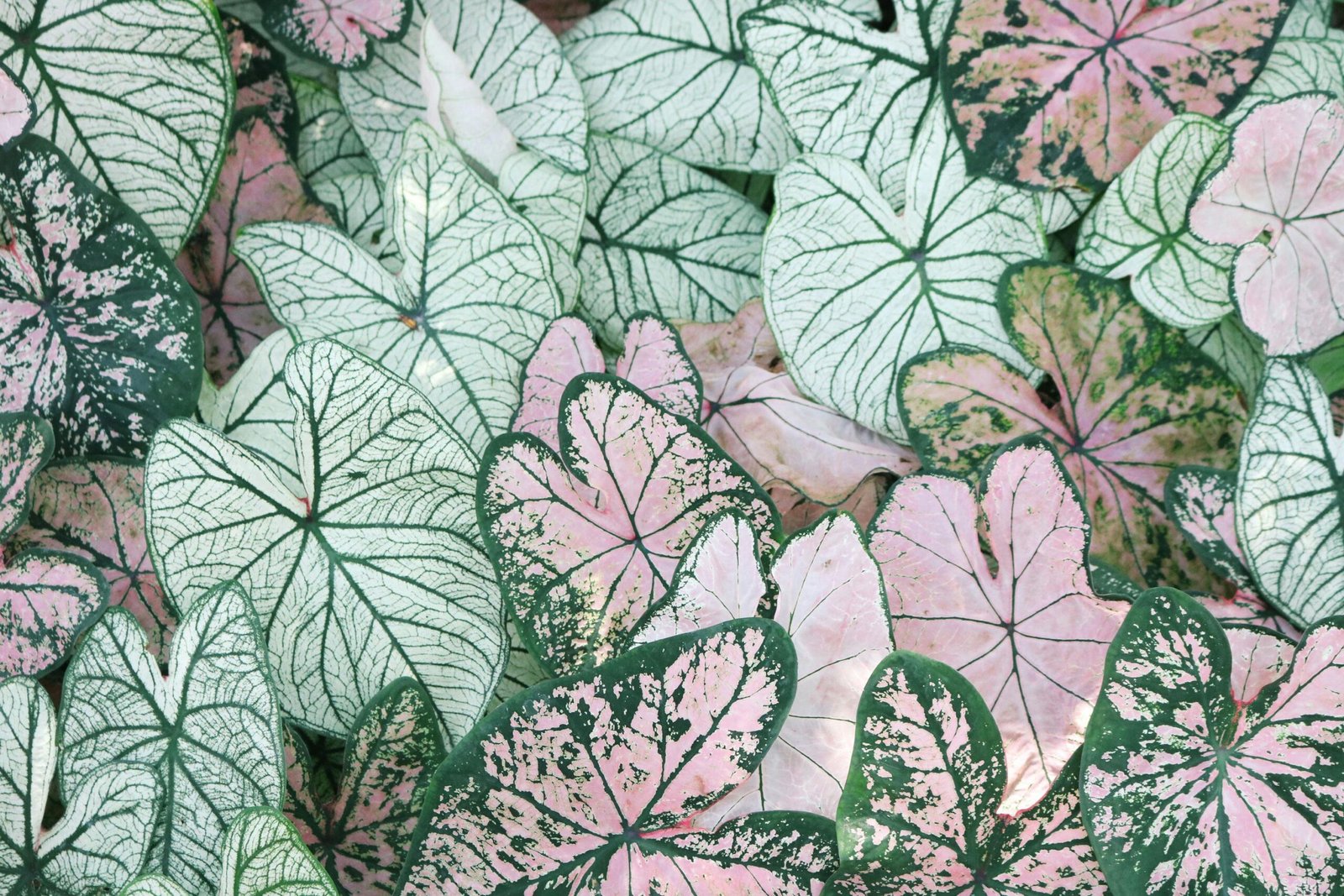
Living in a small space doesn’t mean you have to give up on your gardening dreams. Whether you live in a tiny apartment, a studio, or just have limited space, you can still create a beautiful indoor garden. With a little creativity and the right techniques, even the smallest spaces can be transformed into lush, green havens.
Indoor gardens can bring nature indoors, purify the air, and provide a relaxing and beautiful environment. In this article, we’ll share tips and ideas for creating an indoor garden in small spaces. From using vertical space to choosing the right plants, we’ll guide you step-by-step on how to make the most of your limited space and design a garden that thrives in your home.
1. Why Indoor Gardens are Perfect for Small Spaces
Indoor gardens are an excellent solution for those living in small spaces, and they come with several benefits:
A. Space Efficiency
An indoor garden can be designed to maximize every inch of your space. You don’t need a backyard or a large living room to grow plants. Vertical gardens, hanging planters, and window sill gardens can be implemented in even the most compact spaces.
B. Aesthetic Appeal
Plants are known to add beauty and life to any environment. Whether you have a minimalist, boho, or contemporary style, indoor plants can fit into your home’s decor and create a refreshing atmosphere. A small indoor garden can become the focal point of a room, bringing color, texture, and vibrancy.
C. Improved Air Quality
Indoor plants can purify the air by removing toxins and releasing oxygen. NASA’s Clean Air Study revealed that certain plants like snake plants and peace lilies can help improve indoor air quality. Even in a small space, having indoor plants can contribute to a healthier and fresher living environment.
D. Stress Reduction
Studies have shown that being around plants can help reduce stress and anxiety. They promote relaxation, improve mood, and increase overall well-being. A small indoor garden can provide a calming escape from the hustle and bustle of daily life, right in your own home.
2. Tips for Creating an Indoor Garden in Small Spaces
When working with limited space, it’s important to be strategic about how you design and organize your indoor garden. Here are some key tips to help you get started:
A. Make Use of Vertical Space
In a small space, going vertical is one of the best ways to add more plants without taking up floor space. Vertical gardening allows you to grow plants upwards, utilizing walls, shelves, and hanging systems. Here are a few ways to use vertical space in your indoor garden:
- Wall-Mounted Planters: Use shelves, pegboards, or small plant racks to display plants on the wall. You can hang a variety of plants, including trailing vines, herbs, or small flowers.
- Hanging Baskets: Hang plants from the ceiling using decorative baskets or macramé plant hangers. This works well for plants like pothos, ferns, and ivy.
- Plant Stands: Multi-tiered plant stands can help you display several plants in a small footprint. These stands allow you to stack plants vertically, which is ideal for small spaces like apartments.
B. Use Multi-Purpose Furniture
In small spaces, furniture that doubles as a plant stand can help save space and provide a functional yet stylish solution. Consider incorporating the following items into your indoor garden:
- Bookshelves: Use bookshelves to house plants while also displaying books and decorative items. Tall bookshelves can help you create layers of plants that fit into the vertical space.
- Coffee Tables with Planters: Some coffee tables come with built-in planter boxes, allowing you to add greenery while still using the table for other purposes. These are great for compact living rooms or studios.
- Window Sill Gardens: If you have a sunny windowsill, it can serve as the perfect space for growing small plants or herbs. A window box can be used to grow flowers or even edible plants like lettuce or basil.
C. Choose Compact and Low-Maintenance Plants
In small spaces, it’s essential to select plants that are suitable for your environment and easy to care for. Low-maintenance plants that don’t require constant attention will make it easier to maintain your indoor garden.
- Succulents: Succulents are an excellent choice for small spaces because they don’t need much water or care. Their compact size and wide variety of colors and textures make them ideal for apartment living.
- Herbs: Small herbs like basil, thyme, and mint are great for small indoor gardens. They don’t take up much space, can be grown on a windowsill, and are useful in the kitchen.
- Snake Plants: Snake plants are resilient and can grow in low light, making them ideal for small apartments. They are also easy to care for and require minimal watering.
- Pothos and Philodendrons: These trailing plants are perfect for small spaces. They can be placed on shelves or hanging baskets, and their vines will add a natural, flowing aesthetic.
D. Maximize Natural Light
Indoor gardens need light to thrive, and in small spaces, maximizing natural light is key. Here’s how to make the most of the light you have:
- Use Light-Reflecting Surfaces: Light-colored walls, mirrors, and reflective surfaces can help bounce natural light around your space. Place your plants near these surfaces to increase their exposure to light.
- Position Plants Near Windows: Even if you don’t have a lot of floor space, positioning your plants on windowsills or close to windows will give them the natural light they need.
- Use Sheer Curtains: If direct sunlight is too harsh, use sheer curtains to filter the light. This will allow your plants to receive adequate light while preventing sunburn.
- Consider Grow Lights: If natural light is limited, consider investing in energy-efficient grow lights. These lights mimic the sun’s rays and provide the necessary light spectrum for plant growth. You can place them on a timer to provide your plants with 12-14 hours of light a day.
E. Opt for Minimalistic Plant Pots
In small spaces, using decorative, but simple pots can keep your indoor garden looking neat and organized. Rather than cluttering your space with large, elaborate planters, choose sleek, minimalist containers that fit your style.
- Neutral Colors: Choose pots in neutral colors like white, black, or gray to create a calm and cohesive look.
- Small to Medium Pots: Large pots take up valuable space, so opt for smaller or medium-sized pots that allow you to grow multiple plants without overcrowding the space.
- Repurposed Containers: Don’t be afraid to get creative with containers. You can repurpose items such as teacups, mason jars, or even old tins to create unique and affordable plant pots.
F. Create a Miniature Garden
If you’re limited by space, consider creating a miniature indoor garden. A small space can be transformed into a stunning display by grouping a few plants together in one container.
- Terrariums: Create a small, self-contained garden in a glass jar, vase, or bowl. Terrariums are perfect for growing small plants like ferns, moss, or air plants and can be placed on a tabletop or shelf.
- Fairy Gardens: Use miniature garden accessories like tiny furniture, figurines, and pebbles to create a whimsical, magical space. These can be made in small containers and placed anywhere in your home.
- Herb Garden in a Drawer: You can turn a kitchen drawer or a small tray into a compact herb garden, which is perfect for apartments with limited space. This setup can easily be moved to the windowsill for sunlight.
3. Maintenance Tips for Small Indoor Gardens
Once your indoor garden is set up, it’s important to follow a few maintenance practices to keep your plants healthy and thriving in a small space:
A. Watering
Proper watering is essential for indoor plants, especially in smaller spaces where air circulation may be limited. Overwatering or underwatering can lead to plant stress or disease.
- Check Soil Moisture: Always check the soil moisture before watering. Use your finger or a moisture meter to ensure the soil is dry to the touch before watering.
- Water Less Frequently: Many indoor plants need less water in winter or when they are growing slowly. Watering once a week or when the top inch of the soil is dry is typically sufficient.
- Use Proper Drainage: Ensure your containers have drainage holes to prevent water from pooling at the bottom of the pot. This will reduce the risk of root rot.
B. Pruning
Pruning helps keep your plants tidy, healthy, and within the desired size for small spaces. Regularly trim dead or yellowing leaves and spent flowers to encourage new growth and prevent pests.
C. Pest Control
In small indoor gardens, pests can spread quickly. Check your plants regularly for signs of aphids, spider mites, or mealybugs.
- Natural Remedies: Use natural pest control methods like neem oil, insecticidal soap, or wiping leaves with a damp cloth.
- Isolation: If you notice pests on one plant, isolate it from the rest of your garden to prevent the infestation from spreading.
Conclusion: Transforming Small Spaces into Lush Indoor Gardens
Creating an indoor garden in a small space is entirely possible with the right planning and creative strategies. By using vertical space, choosing compact plants, and maximizing light, you can grow a beautiful and thriving garden no matter how small your home is.
From minimalist pots to miniature gardens, there are endless possibilities for turning your limited space into a lush, green oasis. With a little effort, your small space can be transformed into a stunning, low-maintenance garden that adds beauty and tranquility to your home.
Start small, plan wisely, and enjoy the process of nurturing your indoor garden. Happy gardening!

Isabella Garcia is the creator of a blog dedicated to crafts and home care, focused on making everyday life more creative, organized, and enjoyable. The blog shares practical tips, easy DIY projects, home organization ideas, and simple solutions to take better care of your living space. Whether you’re a beginner in crafting or someone looking for inspiration to improve your home routine, Isabella’s blog offers clear, useful, and hands-on content to help you create a cozy, beautiful, and well-cared-for home.