
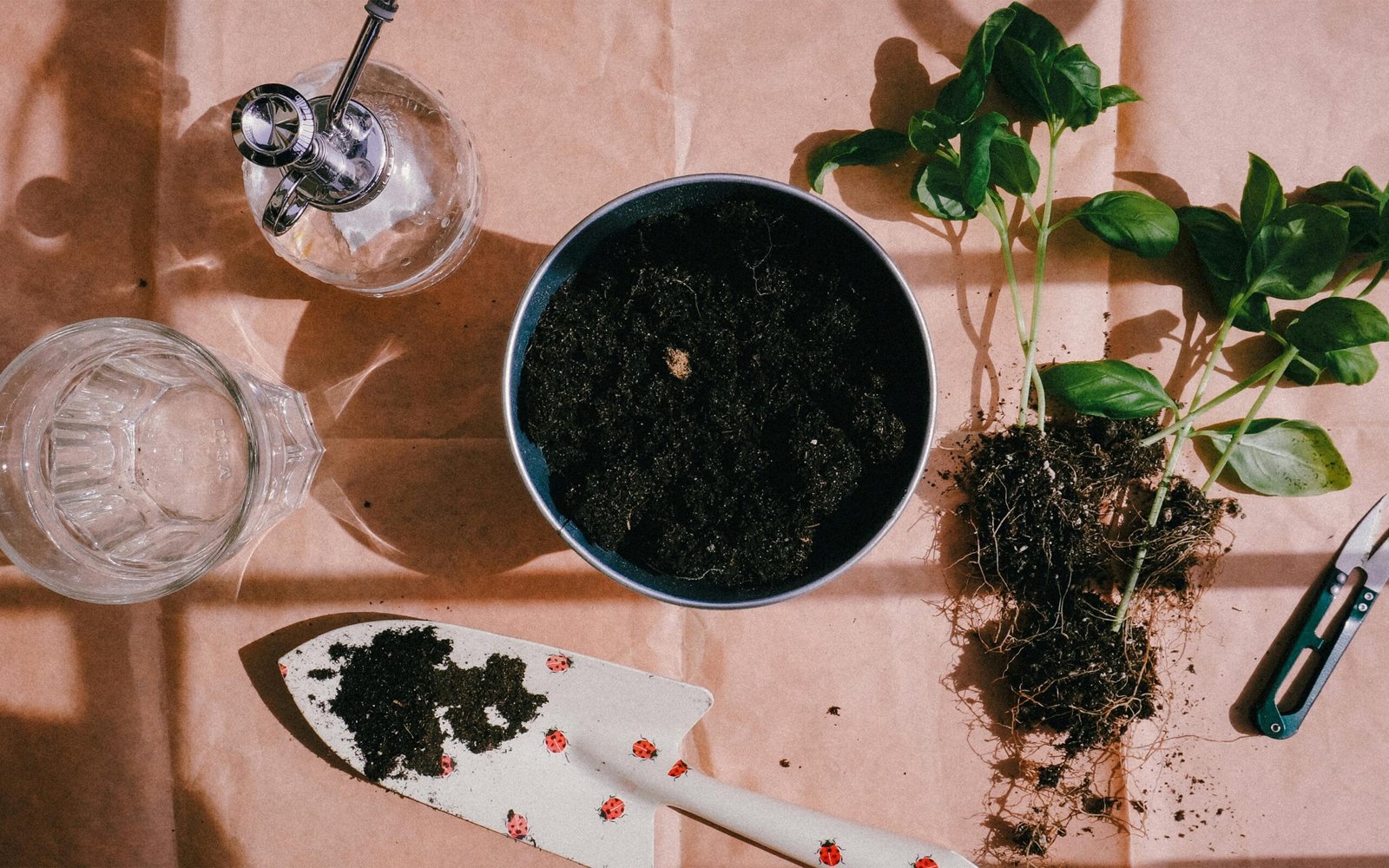
Indoor greenhouses offer a unique and efficient way to grow a wide range of plants in the comfort of your home. They provide an ideal environment for nurturing plants, especially during the colder months when outdoor gardening is not possible. Whether you’re growing herbs, vegetables, flowers, or tropical plants, creating an indoor greenhouse can help you control the temperature, humidity, and light conditions, giving your plants the best chance to thrive.
In this guide, we’ll walk you through how to create your own indoor greenhouse, from selecting the right materials and space to maintaining the perfect growing conditions for your plants.
1. Why Create an Indoor Greenhouse?
Indoor greenhouses are perfect for those who want to grow plants year-round or live in areas with harsh climates. They provide a controlled environment that can help plants grow faster and healthier, while also extending your growing season. Here are some key reasons to consider setting up an indoor greenhouse:
A. Extended Growing Season
With an indoor greenhouse, you can grow plants year-round, regardless of the outside weather. This is especially useful for growing plants that are sensitive to temperature fluctuations, such as tropical plants, herbs, and vegetables.
B. Controlled Environment
An indoor greenhouse allows you to control important factors like temperature, humidity, and light, which can make growing plants easier and more predictable. You can create the ideal environment for each plant type, ensuring optimal growth.
C. Space Efficiency
If you have limited outdoor space, an indoor greenhouse provides an excellent way to maximize your growing area. You can grow a variety of plants in a small footprint, whether you have a dedicated room, closet, or just a corner in your living room.
D. Improved Plant Health
Indoor greenhouses help protect plants from pests and extreme weather, allowing them to grow without the constant threat of outside elements. The controlled environment also promotes healthy growth, reducing stress on the plants and enhancing their overall vitality.
2. Choosing the Right Location for Your Indoor Greenhouse
The first step in creating an indoor greenhouse is selecting the right location. You want to choose a spot that provides adequate light and has enough space for your plants to thrive. Here are some factors to consider when choosing the perfect location for your indoor greenhouse:
A. Light Availability
Light is one of the most important factors when setting up an indoor greenhouse. Plants need sufficient light to grow, and the amount of light they require depends on the plant type. Make sure to select a location that receives ample natural light or plan to supplement with grow lights.
- Tip: Choose a spot near a south-facing window for the best natural light. If your space doesn’t get enough sunlight, you can use full-spectrum grow lights to provide the necessary light for plant growth.
B. Temperature Control
Your indoor greenhouse should be placed in an area with stable temperature conditions. Ideally, the temperature should range from 65°F to 75°F (18°C to 24°C), depending on the types of plants you plan to grow. Avoid placing your greenhouse near drafts, heaters, or air conditioners that may cause temperature fluctuations.
- Tip: Ensure that the space is free from extreme temperature changes that could stress your plants. If your greenhouse area experiences temperature fluctuations, use a thermostat-controlled heater or fan to regulate the climate.
C. Space Considerations
The amount of space you have will dictate the size of your indoor greenhouse. Whether you want to convert a room, a closet, or just a corner of your home, make sure to choose a space that accommodates your greenhouse setup and allows for airflow around your plants.
- Tip: Measure your available space carefully before purchasing materials or a greenhouse kit. Consider the space needed for plant shelves, containers, and walking room for easy access.
3. Materials You’ll Need for Your Indoor Greenhouse
Once you’ve selected the location for your greenhouse, you’ll need to gather the materials to build it. The complexity of your setup will depend on the size of the space and the types of plants you plan to grow. You can either purchase a greenhouse kit or create a custom setup using basic materials. Here’s a list of essential materials for your indoor greenhouse:
A. Greenhouse Frame
The frame is the skeleton of your indoor greenhouse and can be made from materials such as metal, PVC, or wood. For smaller, simpler greenhouses, a lightweight frame made from PVC pipes or a pre-built frame kit is often sufficient.
- Tip: If you’re building a larger greenhouse, metal frames are more durable and can support the weight of grow lights and plant shelves.
B. Clear Plastic or Polycarbonate Sheeting
Covering your greenhouse with a clear material will allow sunlight to pass through while also providing protection from the elements. You can use clear plastic sheeting (such as polyethylene or polyvinyl chloride) or polycarbonate panels, which are more durable and offer better insulation.
- Tip: Polycarbonate panels provide better insulation and are more durable than plastic sheeting, but they can be more expensive. Clear plastic sheeting works well for smaller setups and can be easier to install.
C. Grow Lights
If your indoor greenhouse doesn’t receive enough natural light, you’ll need to use grow lights. Full-spectrum LED lights or fluorescent grow lights provide the light spectrum that plants need for photosynthesis and healthy growth.
- Tip: Use adjustable grow lights that can be positioned above your plants as they grow. Ensure the light intensity is appropriate for the types of plants you’re growing.
D. Shelving or Plant Racks
To maximize vertical space and accommodate more plants, use shelving units or plant racks. These can be made from wood, metal, or plastic and will help keep your plants organized while allowing for better airflow.
- Tip: Consider using tiered shelves to create multiple levels of growing space. Ensure the shelves are sturdy enough to hold your plant containers and have good drainage.
E. Thermometer and Humidity Gauge
Maintaining the right temperature and humidity levels is key to a successful indoor greenhouse. A thermometer and humidity gauge will help you monitor the conditions and make adjustments as needed.
- Tip: Keep your greenhouse temperature between 65°F and 75°F (18°C to 24°C), and aim for humidity levels between 50% and 60%. You can adjust the humidity by using a humidifier or placing a tray of water near your plants.
4. Setting Up Your Indoor Greenhouse
Now that you have all the necessary materials, it’s time to set up your indoor greenhouse. Here’s a step-by-step guide to building your greenhouse:
A. Build the Frame
Start by assembling the frame of your greenhouse. If you’re using a pre-made greenhouse kit, follow the manufacturer’s instructions for assembly. If you’re building your own, construct the frame using your chosen material (PVC, wood, or metal) and secure the pieces together.
- Tip: Make sure the frame is level and stable. If you’re building a larger greenhouse, consider reinforcing the structure with extra supports for stability.
B. Attach the Clear Covering
Once the frame is built, attach the clear plastic sheeting or polycarbonate panels. For plastic sheeting, use adhesive or clips to secure it to the frame, ensuring there are no gaps or air leaks. Polycarbonate panels typically slide into the frame and are held in place with fasteners.
- Tip: Use double layers of plastic sheeting for better insulation. You can also add a layer of bubble wrap inside the greenhouse for extra warmth and humidity retention.
C. Install Shelving or Racks
Next, set up the shelves or plant racks inside the greenhouse. Arrange them in a way that maximizes space while allowing easy access to your plants. Make sure the shelves are stable and can support the weight of your plants and containers.
- Tip: Leave enough room between shelves for air circulation and plant growth. Ensure that plants on the bottom shelves still receive adequate light from your grow lights.
D. Set Up Grow Lights
Install the grow lights above your plants, making sure they are positioned at the correct height for optimal light exposure. LED lights should be placed about 12-18 inches above the plants, while fluorescent lights can be placed 6-12 inches above them.
- Tip: Use adjustable hangers or chains for your grow lights, so you can easily raise or lower them as the plants grow.
E. Monitor Temperature and Humidity
Place a thermometer and humidity gauge inside your greenhouse to track the temperature and humidity levels. Use a fan or humidifier to adjust the climate as needed. Check the temperature and humidity regularly to ensure your plants are growing in ideal conditions.
- Tip: If the air inside the greenhouse gets too dry, place a shallow tray of water near the plants to increase humidity. A small fan can also help improve air circulation and prevent mold or mildew growth.
5. Growing Plants in Your Indoor Greenhouse
Once your indoor greenhouse is set up, you’re ready to start growing plants! Here are some tips for growing plants successfully in your greenhouse:
A. Choose the Right Plants
Select plants that are well-suited for growing in a greenhouse. Herbs like basil, mint, and cilantro, as well as leafy greens like lettuce and spinach, do well in controlled environments. You can also grow small vegetables like tomatoes, peppers, and cucumbers in your greenhouse.
- Tip: Start with fast-growing plants that don’t require a lot of space. As you gain experience, you can try growing larger plants or even fruiting plants.
B. Maintain Consistent Care
Keep an eye on your plants’ growth and adjust the temperature, humidity, and watering schedule as needed. Regularly check for signs of pests, diseases, or nutrient deficiencies, and address any issues promptly.
- Tip: Water your plants consistently, making sure the soil or growing medium stays moist but not waterlogged. Use a watering can or a drip irrigation system to avoid over-watering.
C. Harvesting
As your plants grow, be sure to harvest them at the right time. Regular harvesting encourages new growth and helps prevent overcrowding in the greenhouse.
- Tip: Harvest herbs and leafy greens regularly to promote bushier growth. For vegetables, harvest fruits or vegetables when they’re ripe, following the specific growing instructions for each plant.
6. Troubleshooting Common Problems in Indoor Greenhouses
Even in controlled environments, problems can arise. Here are some common issues you may face in your indoor greenhouse and how to solve them:
A. Excessive Heat or Cold
If the temperature in your greenhouse gets too hot or too cold, it can stress your plants and affect their growth.
- Solution: Use a fan or ventilation system to regulate temperature and avoid overheating. A space heater or portable fan can help maintain stable temperatures.
B. Mold and Mildew
Excess moisture in the greenhouse can lead to mold or mildew growth, which can harm your plants.
- Solution: Improve air circulation by adding fans or opening the greenhouse door periodically to allow fresh air in. Keep humidity levels in check to avoid excess moisture.
7. Conclusion: Enjoy Your Indoor Greenhouse
Creating an indoor greenhouse is a fantastic way to grow fresh plants year-round, even in small spaces. By following the steps outlined in this guide, you can create a thriving, productive indoor garden that provides fresh herbs, vegetables, and flowers in any season. With the right setup, consistent care, and attention to detail, your indoor greenhouse will become a source of beauty and sustainability in your home.
Happy gardening, and enjoy the process of growing your own indoor paradise!

Isabella Garcia is the creator of a blog dedicated to crafts and home care, focused on making everyday life more creative, organized, and enjoyable. The blog shares practical tips, easy DIY projects, home organization ideas, and simple solutions to take better care of your living space. Whether you’re a beginner in crafting or someone looking for inspiration to improve your home routine, Isabella’s blog offers clear, useful, and hands-on content to help you create a cozy, beautiful, and well-cared-for home.