
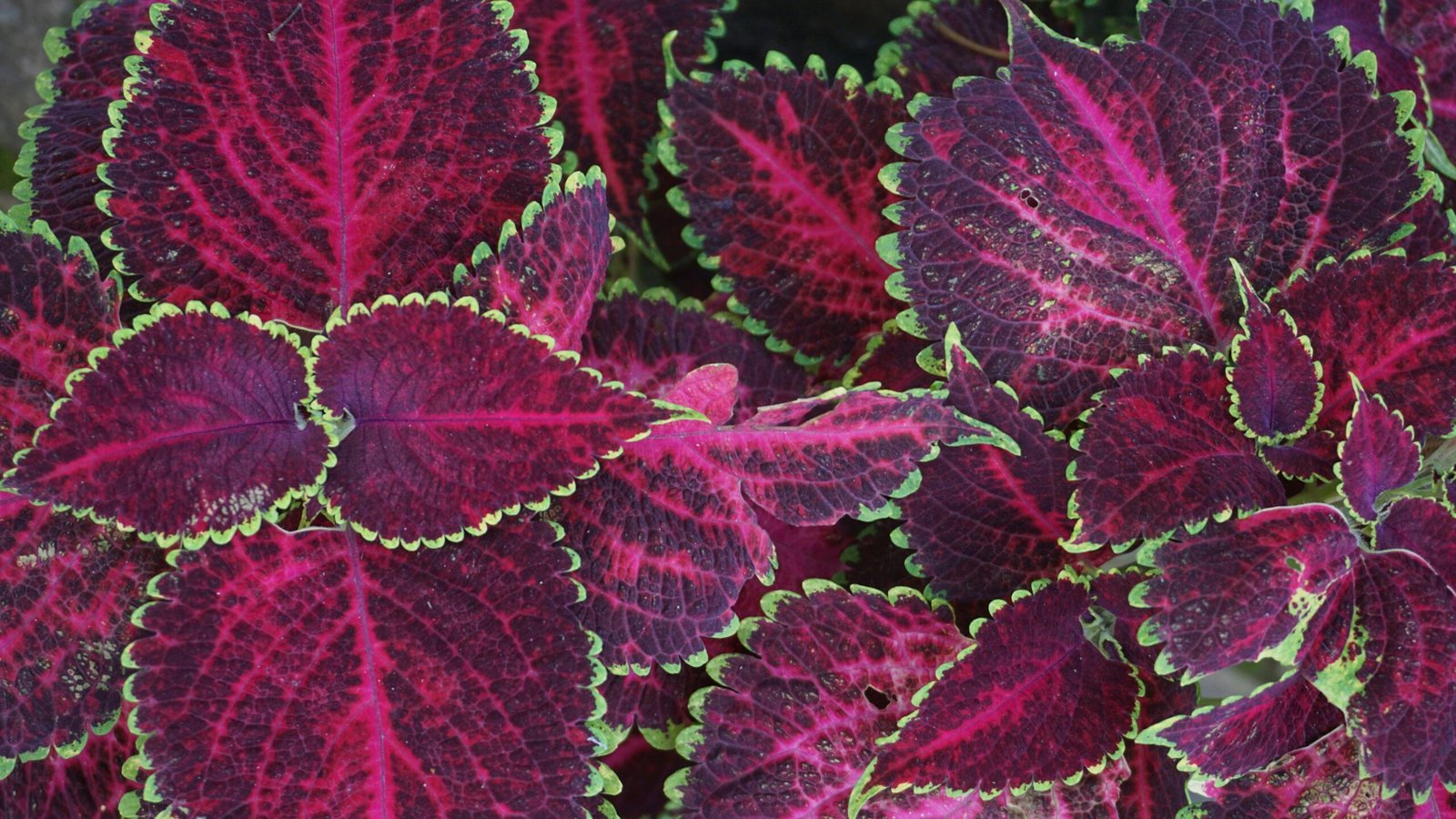
Indoor plants can bring beauty, tranquility, and fresh air to your home, but they aren’t immune to problems. Whether you’re a seasoned plant parent or just starting your indoor garden, it’s important to know how to identify and address common issues that can affect plant health. Issues such as yellowing leaves, pests, and poor growth can be frustrating, but they can often be solved with a little attention and the right care.
In this article, we will guide you through some of the most common indoor plant problems, explain how to diagnose them, and provide practical solutions to keep your plants thriving. With these tips, you can ensure your indoor garden stays healthy and beautiful for years to come.
1. Yellowing Leaves
Yellowing leaves are one of the most common problems faced by indoor plants. While this can sometimes be a sign of natural aging, it is often an indication of underlying issues that need to be addressed.
Possible Causes:
- Overwatering: One of the most common causes of yellowing leaves is overwatering. When plants are watered too frequently, the roots become waterlogged, and they can no longer take in nutrients properly, leading to yellowing.
- Underwatering: On the other hand, underwatering can also cause yellow leaves, as the plant is stressed from lack of hydration.
- Nutrient Deficiency: A lack of essential nutrients, particularly nitrogen, can cause yellowing. This is especially common in plants that haven’t been fertilized in a while.
- Too Much Direct Sunlight: Some plants are sensitive to direct sunlight, which can cause their leaves to scorch and turn yellow.
- Pests or Disease: Insects or fungal diseases can also cause yellowing leaves, as they deprive the plant of nutrients or cause damage to the leaves.
Solutions:
- Adjust Watering: Make sure you are not overwatering or underwatering your plants. Check the soil before watering, and ensure that the pots have good drainage to prevent water from sitting at the bottom.
- Fertilize: If nutrient deficiency is the problem, use a balanced, water-soluble fertilizer. Make sure to follow the instructions on the package to avoid over-fertilizing.
- Proper Lighting: If your plant is getting too much direct sunlight, move it to a spot with bright, indirect light. Alternatively, if your plant is not getting enough light, consider using a grow light or moving it closer to a window.
- Inspect for Pests: Check your plants for signs of pests. If you find any, treat your plant with an organic insecticide or neem oil.
2. Brown Leaf Tips
Brown tips on leaves are a common problem for many indoor plants, and while it may not always be a cause for concern, it is important to identify the root of the issue to prevent further damage.
Possible Causes:
- Low Humidity: Many indoor plants, especially tropical plants, thrive in humid environments. When indoor air becomes too dry, particularly in the winter months, the tips of the leaves can dry out and turn brown.
- Over-fertilization: Too much fertilizer can cause the edges of the leaves to burn, resulting in brown tips.
- Underwatering: If the plant is not getting enough water, the leaves can start to dry out, and you may notice brown tips or edges.
- Salt Build-up: Fertilizers and minerals in tap water can accumulate in the soil, leading to salt build-up. This can cause the plant to have brown leaf tips.
Solutions:
- Increase Humidity: To combat low humidity, use a humidifier, place a humidity tray under your plant, or group your plants together to create a microclimate with higher humidity. Regular misting can also help, but avoid soaking the leaves.
- Water Properly: Water your plants thoroughly when the top inch of soil feels dry. If you’re underwatering, give your plant a deep watering and allow it to drain well. Be sure the pot has proper drainage to avoid waterlogging.
- Flush the Soil: If you suspect a salt build-up, flush the soil with water. Let the water run through the pot to rinse out any accumulated salts.
- Reduce Fertilizer: Avoid over-fertilizing your plants, especially during the winter months when plants are not actively growing. Use a diluted fertilizer to prevent burning the roots.
3. Drooping or Wilting Plants
When your plant begins to droop or wilt, it can be a sign of stress. However, this issue can often be corrected with the right adjustments.
Possible Causes:
- Underwatering: If your plant is wilting, it may not be getting enough water. Underwatered plants can become limp, and the leaves will droop or curl.
- Overwatering: Surprisingly, overwatering can also cause wilting. When plants are overwatered, the roots become waterlogged and oxygen-starved, which causes them to wilt and suffocate.
- Low Light: Plants that are not receiving enough light may begin to droop as they stretch toward the nearest light source.
- Root Rot: Root rot, caused by overwatering or poor drainage, can cause wilting, yellowing, and brown spots on the leaves.
Solutions:
- Water Properly: First, check the moisture level of the soil. If the soil is dry, give the plant a good watering, ensuring it drains well. If the soil is too wet, allow it to dry out before watering again. Adjust your watering routine to suit your plant’s needs.
- Improve Drainage: Ensure that the pot has drainage holes and is not sitting in stagnant water. If the roots are waterlogged, consider repotting your plant into fresh, well-draining soil.
- Increase Light Exposure: Move your plant to a brighter location where it can receive more natural or artificial light. If necessary, use grow lights to supplement the light your plant is getting.
4. Yellowing or Brown Spots
Yellowing or brown spots on the leaves can be a sign of several different problems. It’s important to identify the specific cause to address the issue effectively.
Possible Causes:
- Pests: Tiny insects like aphids or spider mites can cause yellow or brown spots on the leaves. They damage the plant by sucking out nutrients, causing the leaves to discolor and eventually fall off.
- Fungal or Bacterial Infections: Fungal diseases, like powdery mildew, or bacterial infections can create spots on the leaves. These diseases are often caused by overwatering or poor air circulation.
- Watering Issues: Both overwatering and underwatering can cause leaves to develop yellow or brown spots. Overwatering can lead to root rot, which affects the plant’s ability to absorb water and nutrients. Underwatering can cause the leaves to dry out, leading to discoloration.
- Sunburn: Some plants are sensitive to direct sunlight, and exposure to too much sunlight can cause brown or scorched spots on the leaves.
Solutions:
- Inspect for Pests: Check for pests on the undersides of leaves and around the stems. If you find any, treat the plant with an insecticidal soap or neem oil. Be sure to treat all plants in the area to prevent further infestations.
- Treat Fungal or Bacterial Infections: If you suspect a fungal infection, remove any affected leaves and increase air circulation around the plant. You can also use a fungicide to prevent the infection from spreading.
- Adjust Watering: Water your plant according to its specific needs. If you’ve been overwatering, allow the plant to dry out before watering again. If you’ve been underwatering, give the plant a good soak and adjust your watering schedule to prevent future issues.
- Move Plants Away from Direct Sunlight: If sunburn is the problem, move your plant to a location with indirect light. You can also use sheer curtains to filter sunlight.
5. Pests and How to Deal with Them
Pests are a common problem for indoor plants, and they can cause serious damage if not addressed quickly. Common pests include aphids, mealybugs, spider mites, and scale insects. They feed on the sap of plants, weakening them and causing leaves to yellow, wilt, or fall off.
Solutions:
- Identify the Pest: Start by identifying the type of pest. Mealybugs, for example, leave a cottony residue, while spider mites create fine webbing on the leaves.
- Treat with Organic Solutions: For most pests, neem oil, insecticidal soap, or a mixture of water and dish soap can be effective treatments. Spray the leaves thoroughly, focusing on the undersides, where pests tend to hide.
- Isolate Infested Plants: If one of your plants has pests, isolate it from your other plants to prevent the infestation from spreading.
Conclusion: Keep Your Indoor Garden Healthy and Thriving
Dealing with common indoor plant problems doesn’t have to be overwhelming. By identifying the issues early, adjusting care routines, and providing the right solutions, you can keep your indoor plants healthy and vibrant. Remember, plants can be resilient, and with proper care, most issues can be resolved.
By following the tips in this guide, you’ll be able to troubleshoot and address problems as they arise, ensuring your indoor garden thrives throughout the year. Happy gardening!

Isabella Garcia is the creator of a blog dedicated to crafts and home care, focused on making everyday life more creative, organized, and enjoyable. The blog shares practical tips, easy DIY projects, home organization ideas, and simple solutions to take better care of your living space. Whether you’re a beginner in crafting or someone looking for inspiration to improve your home routine, Isabella’s blog offers clear, useful, and hands-on content to help you create a cozy, beautiful, and well-cared-for home.