
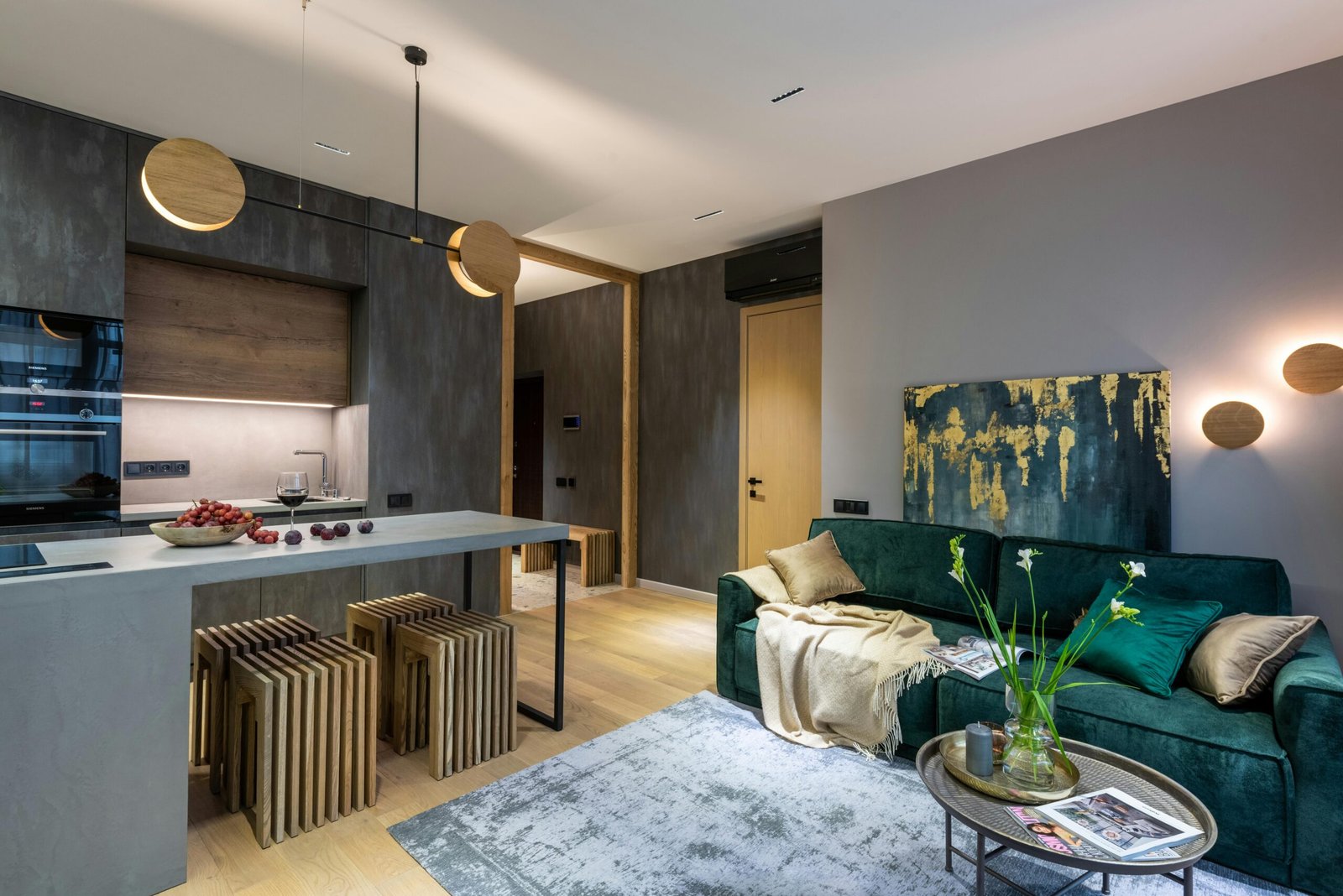
Trends can be fun. They can also be exhausting. One year everything is warm beige, then suddenly it’s cool gray again. Curved furniture becomes “the look,” then people move on to sharp lines. You might decorate a room you love, scroll online, and suddenly feel like it’s “outdated” even though nothing is actually wrong with it.
The truth is: a stylish home doesn’t need to chase trends. A stylish home needs a clear point of view. When your space feels cohesive, comfortable, and personal, it will look good for years—regardless of what’s popular on social media this month.
This article will show you how to build a timeless decorating approach that still feels fresh, modern, and completely “you.” You’ll learn how to choose colors, furniture, and decor that won’t age quickly, how to avoid common “trend traps,” and how to update a space without constantly replacing everything.
Why Trend-Chasing Usually Makes a Home Look Less Stylish
It sounds backwards, but it’s true. When a home is built mostly from trends, it can start to look like a catalog from a specific year. That’s because trends are often highly recognizable. Once they fade, the space can feel “stuck” in that moment.
Trend-chasing also creates practical problems:
- you buy items you don’t truly love long-term
- your home loses cohesion because trends shift fast
- you end up spending more replacing decor
- the space can feel less personal
A timeless home doesn’t mean a boring home. It means the foundation is stable, and updates are thoughtful.
Step 1: Choose Your Home’s “Core Style” (Not a Trend)
Instead of asking, “What’s in style right now?” ask, “What style feels like me?”
Your core style is the design language that stays consistent even when you swap small items. It might be:
- warm and cozy with natural textures
- clean and modern with simple shapes
- classic with elegant details
- relaxed and airy with light colors
- eclectic but curated
You don’t need a perfect label. You need a direction.
A simple way to define your core style
Pick 3 words you want your home to feel like:
- calm
- warm
- bright
- elegant
- playful
- minimal
- cozy
- creative
Then ask: do my choices support these words?
When your home has a consistent emotional direction, it will look stylish even if it doesn’t match the latest trend cycle.
Step 2: Build a Timeless Foundation (Walls, Floors, Big Furniture)
If you want your home to stay stylish for years, the biggest pieces should be neutral and flexible.
Your “foundation” includes:
- wall color
- large furniture (sofa, bed, dining table)
- rugs (large area rugs are a big visual anchor)
- major storage furniture (bookshelves, dressers)
A timeless foundation doesn’t mean everything must be white. It means the big elements won’t feel tied to one specific trend.
Timeless foundation colors that stay relevant
- warm whites and soft creams
- light greige (gray + beige)
- gentle warm gray
- muted taupe
- soft sand tones
These shades work with many styles and many accent colors. They’re also forgiving in different lighting conditions, which helps your room look consistent throughout the day.
Timeless furniture shapes
Furniture that ages well usually has:
- simple silhouettes
- clean lines
- comfortable proportions
- not-too-trendy details
Avoid building your foundation on extremely distinctive “trend shapes” (like something very unusual that only looks right in one specific era). You can still buy fun pieces—just don’t make them the core of the entire home.
Step 3: Use Trends Only in the “Easy-to-Replace” Layer
Here’s the best rule for enjoying trends without getting stuck in them:
Put trends in things you can swap easily.
That includes:
- throw pillows
- blankets
- small decor objects
- vases
- candles or candle-style decor
- small lamps
- artwork prints (not expensive originals)
- seasonal textiles
If you love a current trend color or pattern, use it in pillows or a throw. If you get tired of it, you can change it without replacing your sofa.
This strategy saves money and keeps your home feeling fresh without constant redesign.
Step 4: Choose a Color Palette That Won’t Age Fast
Timeless homes usually have a palette that feels calm and consistent. That doesn’t mean no color. It means color is controlled.
The 60/30/10 palette method
- 60% base: walls + big items (neutral)
- 30% secondary: rug, curtains, big textiles
- 10% accent: smaller decor and art highlights
This method creates balance and prevents your space from feeling chaotic.
Timeless accent colors (that rarely feel outdated)
- olive and muted greens
- navy and deep blues
- terracotta and warm clay tones
- charcoal and soft black accents
- muted blush tones (in small amounts)
These colors have been used in interiors for decades. They can feel modern or classic depending on how you use them.
How to avoid “too trendy” color choices
Trend colors often feel very specific (neon, extremely saturated, or a very specific dusty tone that becomes the “color of the year”). If you love them, keep them in accessories, not major pieces.
A safe compromise is choosing a toned-down version:
- instead of bright emerald → muted olive
- instead of neon pink → dusty rose
- instead of intense cobalt → softer navy
That way you keep personality without locking your home into a trend moment.
Step 5: Focus on Proportion and Scale (The Real “Designer” Secret)
A timeless home doesn’t rely on trendy items. It relies on correct proportions.
Most rooms look “off” because of:
- rugs that are too small
- curtains that are too short
- art that is too small or hung too high
- furniture that is too bulky for the room
- too many small decor items
When scale is right, even budget decor looks stylish. When scale is wrong, even expensive pieces can look awkward.
Scale upgrades that never go out of style
- choose a rug big enough to anchor furniture
- hang curtains high and near the floor
- pick fewer, larger art pieces instead of many tiny ones
- keep furniture proportional to the space
These are timeless principles, not trends.
Step 6: Use Texture and Materials to Add Depth (Instead of More Stuff)
If your home is mostly neutral, texture is what makes it feel rich and layered.
Timeless textures include:
- linen or linen-look fabric
- cotton and woven textiles
- wool or wool-blend rugs
- wood (light or medium tones are very versatile)
- ceramic and stone textures
- natural woven elements (baskets, jute-style rugs)
Texture keeps a home from feeling flat. It also creates a “collected over time” look that always feels stylish.
A simple texture layering formula
In one room, try to include:
- one soft texture (throw blanket, curtains)
- one woven texture (basket, rug texture)
- one solid natural texture (wood, ceramic)
- one smooth contrast (glass, metal)
This balance creates depth without clutter.
Step 7: Create a Home That Reflects You (Not a Catalog)
The most timeless homes feel personal. They don’t look like someone copied a single trend board perfectly. They include:
- meaningful items
- personal collections
- books you actually read
- art that feels like you
- objects with stories
How to keep personal items from looking cluttered
Treat personal objects like a curated collection:
- group them together (not scattered)
- use trays or shelves to “frame” them
- limit how many are displayed at once
- leave breathing room around them
A few meaningful pieces displayed intentionally look more stylish than many items displayed randomly.
Step 8: Avoid the “Trend Traps” That Date a Home Quickly
Some choices tend to feel dated faster than others. This doesn’t mean they’re “bad.” It means you should use them carefully, especially in big, permanent ways.
Common trend traps:
- overly themed decor (looks like a set rather than a home)
- decor with large slogans/quotes (can date quickly)
- highly specific “viral” furniture shapes as the main piece
- too many micro-trends mixed together
- very specific, loud pattern combinations everywhere
If you love something that might date quickly, keep it small and removable.
Step 9: Make Lighting a Signature (Lighting Never Goes Out of Style)
Trends change, but good lighting is always stylish.
A timeless lighting setup includes:
- layered lighting (not just overhead)
- warm, soft light in living spaces
- lamps at different heights (floor + table)
- light that highlights corners and walls (adds depth)
Why lighting is timeless
Because it affects how everything looks: colors, textures, and mood. Even the best decor can look flat in harsh light. Good lighting is one of the most “expensive-looking” upgrades you can make without renovating.
Step 10: Update Your Space With Small Seasonal Shifts (Without Redecorating)
You can keep your home feeling current without chasing trends by making tiny changes seasonally.
Easy seasonal updates
- swap pillow covers (lighter in spring/summer, richer in fall/winter)
- switch throw blankets (cotton vs knit)
- change small decor colors (one or two accent pieces)
- rotate artwork prints (if you have multiple)
- update greenery (fresh branches, dried stems, or plants moved around)
This keeps your home feeling fresh without buying a whole new style.
A Practical “Timeless Home” Decorating Framework
If you want a simple formula you can apply to any room, use this:
- Foundation: neutral walls and big pieces
- Structure: correct rug size, curtain height, good layout
- Lighting: layered lamps and warm bulbs
- Texture: linen, woven elements, ceramics, wood
- Personality: art, books, meaningful objects
- Accent: one or two accent colors repeated
- Editing: fewer items, more breathing room
This framework doesn’t depend on trends. It depends on design principles that always work.
How to Tell If Something Will Still Look Good in 5 Years
When you’re deciding whether to buy something, ask:
- Do I love it without needing it to be “popular”?
- Does it match my home’s core mood words?
- Does it work with my existing palette?
- Is it easy to live with (cleaning, comfort, function)?
- If I moved, would I still want it?
- Is it a foundation piece or a “fun layer” piece?
If it’s a foundation piece, be extra careful. If it’s a fun layer piece, enjoy it more freely.
What “Timeless” Actually Means (And What It Doesn’t)
Timeless does not mean:
- all-white everything
- no personality
- only neutral decor
- never changing anything
Timeless does mean:
- cohesive choices
- good proportions
- quality where it matters (not everywhere)
- flexible foundation
- personality through meaningful accents
- intentional editing
A timeless home can still be creative, colorful, and unique. It just isn’t built entirely on what’s trending.
A Quick “Timeless Makeover” You Can Do This Week
If you want to make your home feel more timeless quickly, do these steps:
- Remove clutter from surfaces and shelves.
- Choose one simple palette and remove items that don’t fit it.
- Add one lamp (or two) to create layered lighting.
- Replace too-small art with one larger piece (or a cohesive set).
- Add texture (linen pillows, woven basket, cozy throw).
- Make one “personal corner” (books + one meaningful object + plant).
These changes make a room feel more mature, cohesive, and stylish—without buying trendy items.
A Home That Stays Stylish Is a Home That Feels Like You
Trends come and go, but a home with a clear point of view will always feel good. When you build a stable foundation, use trends only in small layers, focus on proportion and lighting, and add personality intentionally, you don’t need to chase what’s popular. Your home will look current because it’s cohesive—and it will look timeless because it’s yours.
If you want to go one step further, choose one room and define its “mood words” today. Then look around and ask: what supports that mood, and what doesn’t? That simple exercise is often the beginning of a truly stylish home—no trend required.

Isabella Garcia is the creator of a blog dedicated to crafts and home care, focused on making everyday life more creative, organized, and enjoyable. The blog shares practical tips, easy DIY projects, home organization ideas, and simple solutions to take better care of your living space. Whether you’re a beginner in crafting or someone looking for inspiration to improve your home routine, Isabella’s blog offers clear, useful, and hands-on content to help you create a cozy, beautiful, and well-cared-for home.