
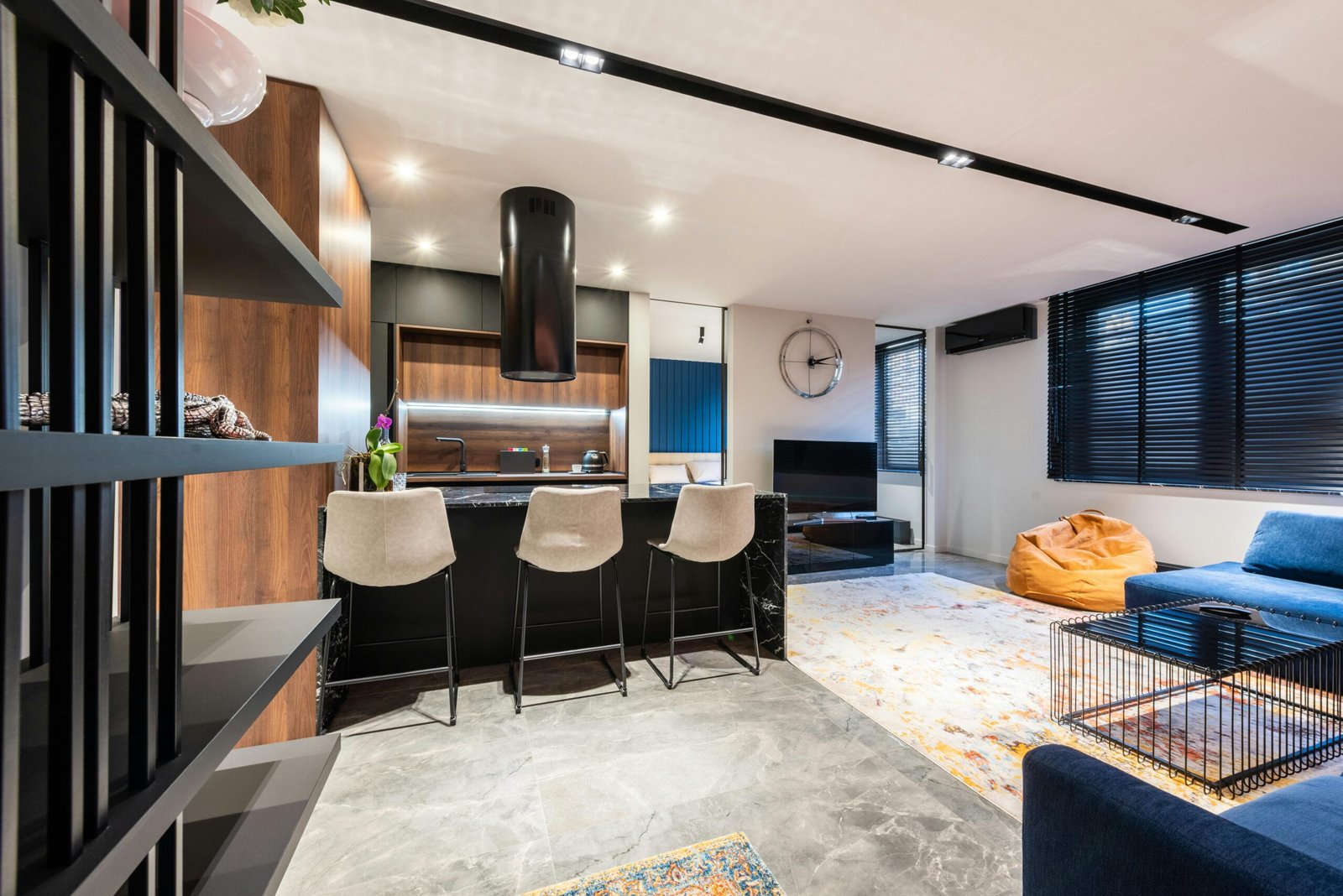
Decorating a living room from zero can feel overwhelming because you’re making dozens of decisions that all need to “talk” to each other: layout, colors, lighting, textures, storage, and style. The trick is not to look for one magical item that fixes everything. It’s to follow a clear order that prevents expensive mistakes and helps the room come together naturally.
This step-by-step plan is designed for real homes: apartments, shared spaces, family rooms, small living rooms, and “open concept” areas that connect to the dining room or kitchen. You’ll learn how to make a living room feel cohesive, comfortable, and visually polished—without turning it into a showroom you’re afraid to use.
Step 1: Define what the living room must do (before you buy anything)
Start by listing what you actually do in this space. A living room can be one thing or many things, and your priorities will decide the layout.
Ask yourself:
- Do we watch TV daily, or only sometimes?
- Do we host people often?
- Do we need a kid-friendly setup?
- Do we need a home office corner?
- Do we eat snacks/meals here?
- Do we need storage for games, books, or blankets?
- Do we need a pet-friendly setup?
Write your top three “must-haves.” Examples:
- “Comfortable seating for 4, TV viewing, hidden storage.”
- “Conversation-focused seating, reading corner, warm lighting.”
- “Small space: maximize openness, flexible seating, minimal clutter.”
This is your decision filter. Every time you’re tempted by a cute chair or trendy decor, you’ll check: does it serve the must-haves?
Step 2: Measure the room like a designer (fast, not fancy)
Most decorating regret happens because things don’t fit, don’t align, or block pathways. You don’t need special tools—just basic measuring and a simple sketch.
Measure:
- Room width and length
- Ceiling height (especially if you want tall shelves or curtains)
- Window width/height and distance from the floor
- Door swing area (where the door opens)
- Any fixed elements: radiators, built-ins, columns, outlets
Now define “walking lanes.” In most living rooms you want:
- About 30–36 inches (75–90 cm) for main walkways
- Enough space to pass without turning sideways
If the living room connects to other spaces, mark the natural traffic routes. This will protect your layout from becoming a furniture obstacle course.
Step 3: Choose your layout first (the room’s “architecture”)
Before colors and decor, decide where the big pieces go. The living room typically organizes around one focal point:
- TV wall
- Fireplace
- Big window view
- Statement artwork
- A conversation-centered arrangement (no single focal point)
The 3 most reliable layouts
1) Sofa facing the focal point (classic TV layout)
- Best for TV-first households.
- Add chairs or a loveseat to create a “U” or “L” shape.
2) Conversation layout (two sofas or sofa + chairs facing each other)
- Best for hosting and daily chatting.
- TV can be secondary (on a side wall or discreet console).
3) Small-space layout (sofa + 1 chair + flexible seating)
- Keeps the room open.
- Use nesting tables, ottomans, or stools that move easily.
The “anchor” rule
Pick your biggest “anchor” item—usually the sofa—and place it first. The sofa position will determine everything else: rug size, coffee table, lighting, and sightlines.
If you can, float the sofa slightly away from the wall (even 2–6 inches). It often looks more intentional and helps the room breathe.
Step 4: Build your budget around impact (not around random shopping)
A living room looks expensive when the big decisions are right—not when every item costs a lot.
Prioritize spending here:
- Sofa (comfort + scale)
- Rug (size + texture)
- Lighting (layers)
- Window treatments (height + softness)
- Storage/console pieces (function + calmness)
Decor items (candles, vases, small objects) should be last. They’re the finishing touches, not the foundation.
Step 5: Pick a clear style direction (without boxing yourself in)
You don’t need a strict “style label,” but you do need a consistent direction so the room doesn’t feel like a thrift store collage.
Choose 3 style words, like:
- “Warm, clean, natural”
- “Modern, cozy, airy”
- “Classic, layered, inviting”
- “Minimal, soft, calm”
- “Bold, playful, artistic”
These words guide your materials and shapes.
A simple formula designers use
- Base style: the main vibe (modern, classic, Scandinavian, etc.)
- Accent style: a smaller influence (boho, industrial, vintage)
- Signature material: a repeated element (wood tone, black metal, brass, linen)
Example: Modern base + vintage accent + warm oak wood.
Step 6: Choose a color palette that’s easy to execute
A good palette keeps your room from feeling chaotic—even if you mix pieces over time.
A reliable palette format:
- 60% neutral base (walls, large sofa, major rug tones)
- 30% secondary color (curtains, chairs, rug pattern, large pillows)
- 10% accent (art, small pillows, vase, throw, books)
The easiest “designer” palettes
- Warm white + beige + black accents
- Greige + wood tones + olive green
- Soft gray + navy + brass
- Cream + terracotta + natural fibers
- White + charcoal + warm wood
If you’re unsure, keep walls neutral and add color through textiles and art. That way you can change the vibe later without repainting everything.
Step 7: Get the rug size right (this is huge)
A rug that’s too small makes the whole room feel cheaper and more cluttered.
The rule that works in most cases
At least the front legs of the sofa and chairs should sit on the rug.
Common rug sizing tips:
- Small living rooms often still need a larger rug than you think.
- If your rug is floating in the middle like a “postage stamp,” size up.
A larger rug visually unifies the seating area and makes it feel planned.
Step 8: Choose a coffee table that matches the layout
The coffee table is the living room’s “center of gravity.” It should support daily life: drinks, snacks, books, remotes, feet up.
Basic proportions:
- Coffee table length: around ½ to ⅔ the sofa length
- Space between sofa and coffee table: roughly 14–18 inches (35–45 cm)
Coffee table shapes (quick guide)
- Rectangle: best for standard sofa layouts
- Round/oval: best for small spaces and homes with kids (softer edges)
- Square: great with sectionals
- Ottoman: cozy and flexible, especially with a tray for stability
If you need more storage, choose a table with shelves or drawers—but don’t overfill them. Storage works best when it reduces visual noise.
Step 9: Layer lighting (the fastest “upgrade” that’s not a renovation)
Most living rooms look flat because they rely on one overhead light. Designers use layers:
- Ambient: overall brightness (ceiling fixture or multiple lamps)
- Task: reading or focused light (floor lamp by a chair)
- Accent: mood and depth (table lamp, wall sconce, picture light)
A quick lighting plan that always improves a room
- One floor lamp near seating
- One table lamp on a side table or console
- Warm-toned bulbs for a cozy vibe
You’ll be surprised how “finished” the room feels when lighting comes from multiple points.
Step 10: Window treatments that instantly elevate
Curtains are one of the most powerful visual tools in a living room because they add softness, height, and polish.
The high-impact rule
Hang curtains higher and wider than the window frame:
- Higher = makes ceilings look taller
- Wider = makes windows look bigger
If you want a simple, airy look, choose light neutral curtains. If you want drama, pick a deeper tone that repeats a color in your palette.
Step 11: Add texture so the room feels warm and lived-in
A room can have a perfect palette and still feel cold if everything is smooth or the same finish.
Mix textures like:
- Linen or cotton curtains
- Wool or textured rug
- Velvet or bouclé pillow
- Wood tones (oak, walnut, etc.)
- Woven baskets or natural fibers
- Matte ceramics
Texture adds richness without requiring loud colors.
Step 12: Create a “home” for clutter (so the room stays pretty)
Even the best-decorated living room looks messy when daily items have nowhere to go.
Identify clutter sources:
- Remotes and chargers
- Kids’ toys
- Pet supplies
- Throws and pillows
- Mail and keys
- Gaming devices
Then give them homes:
- A tray on the coffee table
- A basket for throws
- A closed cabinet for cables and devices
- A shelf or box system for games/toys
Closed storage is especially helpful if you want a calm look.
Step 13: Style surfaces with the “group of three” trick
Instead of scattering random objects everywhere, cluster them intentionally.
The easiest styling method:
- Choose 3 items of different heights
- Use a tray to contain them
- Repeat a color or material
Examples:
- A small vase + candle + book stack
- A plant + framed photo + ceramic bowl
- A sculptural object + coaster set + small lamp
This creates a designed look without overbuying.
Step 14: Use art to set the personality (and scale it correctly)
Art is a shortcut to making a room feel adult, thoughtful, and complete.
Sizing rule that helps
Art above a sofa should usually be about ⅔ the width of the sofa, or use a gallery wall that fills similar visual width.
If you choose small frames, group them so the overall arrangement reads as one statement.
If you’re not sure what to pick, choose art that matches your 3 style words (calm, bold, warm, etc.) and repeats your palette.
Step 15: Finish with comfort details (the “stay here longer” layer)
A living room should look good, but it should also feel good.
Comfort upgrades that don’t cost much:
- A soft throw within reach
- Extra pillow cover sets for easy seasonal changes
- A side table next to every main seat (even a small one)
- A large tray for snacks and remotes
- A cozy reading lamp
If your living room supports real habits, it will naturally feel welcoming.
A simple decorating checklist (in the right order)
If you want the whole plan summarized into actions:
- Define top 3 uses of the room
- Measure room + note traffic routes
- Choose focal point + layout
- Pick sofa (scale + comfort)
- Choose palette + 3 style words
- Choose rug size + place it correctly
- Add coffee table + side tables
- Add layered lighting
- Add window treatments
- Add storage solutions
- Add art + wall decor
- Add textiles + styling details
That order prevents 90% of common mistakes.
Bringing it all together: a “designer mindset” you can repeat
The real secret of a beautiful living room isn’t copying a photo. It’s making consistent choices. When your layout works, your palette is clear, your rug is sized correctly, and your lighting is layered, the room instantly looks more intentional—even with budget items.
Decorating from scratch becomes easy when you stop thinking “What should I buy?” and start thinking “What does this room need?” Follow the steps, take it one layer at a time, and your living room will look cohesive and feel comfortable—not just for guests, but for everyday life.

Isabella Garcia is the creator of a blog dedicated to crafts and home care, focused on making everyday life more creative, organized, and enjoyable. The blog shares practical tips, easy DIY projects, home organization ideas, and simple solutions to take better care of your living space. Whether you’re a beginner in crafting or someone looking for inspiration to improve your home routine, Isabella’s blog offers clear, useful, and hands-on content to help you create a cozy, beautiful, and well-cared-for home.